During pregnancy, your skin undergoes significant changes due to hormonal fluctuations, increased blood volume, and stretching. Many women experience acne, hyperpigmentation, dryness, or sensitivity, prompting a need to adjust skincare routines. The key is selecting ingredients proven safe for both mother and baby, while steering clear of those linked to potential risks. This guide draws from dermatological recommendations to help you maintain healthy, radiant skin throughout pregnancy.
Why Skincare Matters More During Pregnancy
Hormonal shifts, particularly elevated progesterone and estrogen, can lead to oilier skin, breakouts, or the ‘mask of pregnancy’ (melasma). Dryness and itchiness from stretching also become common. A tailored, gentle routine supports skin barrier function, prevents irritation, and addresses these issues without compromising fetal safety. Always patch-test new products and consult your healthcare provider, especially if you have pre-existing conditions.
Safe Ingredients for Your Pregnancy Routine
Focus on gentle, hydrating, and anti-inflammatory actives backed by clinical safety data. These nourish skin without systemic absorption concerns.
- Hyaluronic Acid: Draws in moisture for plump, hydrated skin. Ideal for combating pregnancy-induced dryness. Safe at all concentrations.
- Niacinamide (Vitamin B3): Balances oil production, minimizes pores, reduces redness, and strengthens the barrier. Versatile for acne-prone or sensitive skin.
- Vitamin C: Brightens dullness, fades pigmentation, and boosts collagen. Choose stable forms like ascorbyl glucoside for efficacy.
- Azelaic Acid: Treats acne, rosacea, and melasma with anti-bacterial and anti-inflammatory effects. Pregnancy-safe in topical forms.
- Glycolic Acid: An AHA for mild exfoliation, improving texture and tone. Limit to under 10% concentration.
- Benzoyl Peroxide: Fights acne bacteria effectively. Use low strengths (2.5-5%).
- Salicylic Acid: Okay in low doses (<2%) for spot treatments or washes, but avoid higher amounts or body use.
- Vitamin E: Antioxidant that protects and heals, supporting elasticity against stretch marks.
- Bakuchiol: Retinol alternative for fine lines and texture without risks.
- Peptides: Boost collagen for firmness and smoothness.
- Mineral Sunscreens (Zinc Oxide/Titanium Dioxide): Broad-spectrum UV protection without chemical absorbers.
Ingredients to Strictly Avoid
Certain actives can absorb into the bloodstream, posing risks like birth defects or hormonal disruption. Scrutinize labels and discontinue use immediately.
| Ingredient | Why Avoid | Safe Alternatives |
|---|---|---|
| Retinoids (Retinol, Tretinoin, Adapalene) | Linked to fetal developmental issues. | Bakuchiol, Peptides |
| Hydroquinone | High absorption; potential toxicity. | Vitamin C, Azelaic Acid |
| High-Dose Salicylic Acid (>2%) | Possible systemic effects. | Low-dose or Azelaic Acid |
| Chemical Sunscreens (Oxybenzone, Avobenzone) | Absorption and endocrine disruption concerns. | Mineral Sunscreens |
| Parabens | Estrogenic activity mimicking hormones. | Paraben-free formulas |
| Essential Oils (high concentrations, e.g., Lavender, Tea Tree) | Skin sensitization and uterine stimulation risks. | Fragrance-free products |
Building Your Daily Pregnancy Skincare Routine
A simple, consistent routine prevents overload on sensitive skin. Cleanse gently, hydrate, treat concerns, and protect.
Morning Routine
- Gentle Cleanser (niacinamide or salicylic <2%).
- Toner with hyaluronic acid.
- Serum: Vitamin C or niacinamide.
- Moisturizer with peptides or ceramides.
- Mineral SPF 30+.
Evening Routine
- Double-cleanse if wearing SPF/makeup.
- Azelaic acid or glycolic serum (2-3x/week).
- Hyaluronic acid serum.
- Rich moisturizer with Vitamin E.
- Spot-treat acne with benzoyl peroxide.
Exfoliate 1-2 times weekly max. Introduce one product at a time.
Addressing Common Pregnancy Skin Concerns
Acne and Breakouts
Hormones spike oil production. Use niacinamide cleansers, azelaic acid, or low salicylic washes. Examples: Neutrogena Oil-Free Acne Wash, La Roche-Posay Effaclar.
Hyperpigmentation and Melasma
Sun exposure worsens it. Daily mineral SPF, Vitamin C, and azelaic acid even tone safely.
Dryness and Itchiness
Hyaluronic acid, omega fatty acids, and fragrance-free creams lock in moisture. Avoid hot showers.
Stretch Marks and Elasticity
No cream prevents them fully, but peptides, Vitamin E, and daily moisturizing support skin resilience. Massage belly with shea butter blends.
Product Recommendations and Tips
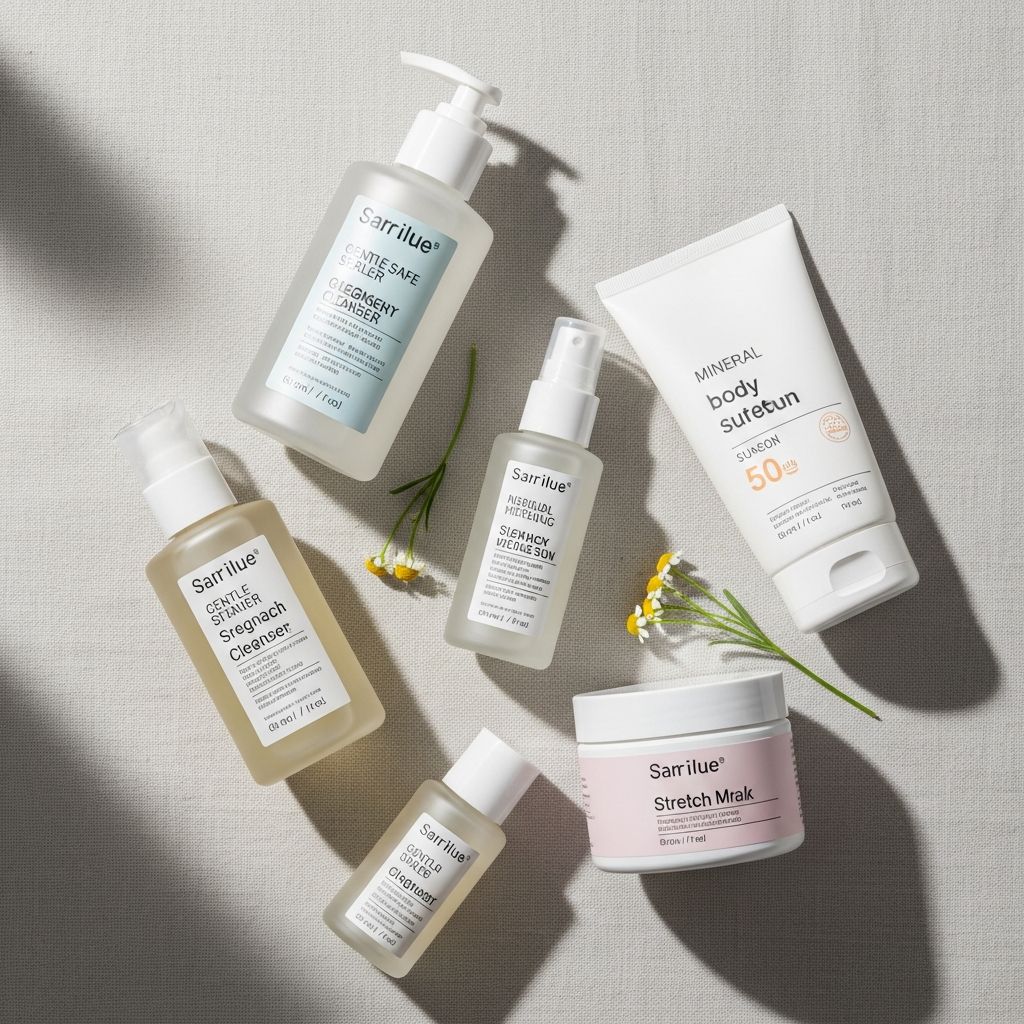
- Cleansers: The INKEY List Salicylic Cleanser, Natrium Niacinamide Gelee.
- Serums: Hyaluronic acid from CeraVe or The Ordinary; Niacinamide 10%.
- Moisturizers: Mineral-based with ceramides.
- Sunscreens: Blue Lizard or Thinkbaby (zinc-based).
Opt for clean, paraben-free brands. During breastfeeding, most topicals remain safe.
Frequently Asked Questions
Is glycolic acid safe in pregnancy?
Yes, at concentrations under 10%, it provides gentle exfoliation without risks.
Can I use Vitamin C daily?
Absolutely; it’s antioxidant-rich and helps with glow and pigmentation.
What about natural ingredients like essential oils?
Avoid high concentrations; they can irritate or affect hormones.
Do I need to change my routine in the first trimester?
Precautions apply throughout; consult early if concerned.
Is benzoyl peroxide okay for body acne?
Yes, in low strengths, but rinse off after 5-10 minutes.
Consulting Professionals and Long-Term Care
Work with a dermatologist for personalized advice, especially for severe issues. Postpartum, slowly reintroduce actives like retinoids while nursing only if cleared. Prioritize whole-body health: diet, hydration, and sleep enhance skin from within.
References
- Safe Skincare During Pregnancy — Boulder Medical Center, Lindsay Boyers, MD. 2023. https://www.bouldermedicalcenter.com/safe-skincare-pregnant/
- Skincare During Pregnancy: Skincare Ingredients Safe to Use & Avoid — Dr. Nerina Wilkinson. 2024. https://drnerinawilkinson.co.za/skincare-during-pregnancy/
- Pregnancy Safe Skincare Ingredients: What You Need to Know! — ESMI Skin. 2024. https://www.esmiskin.com/blogs/esmi-skin-central/pregnancy-safe-skincare-ingredients
- Dermatologist-approved pregnancy skin care — American Academy of Dermatology (AAD). 2025. https://www.aad.org/public/everyday-care/skin-care-secrets/routine/pregnancy-skin-care
- Safety of skin care products during pregnancy — PMC – NIH (Peer-reviewed). 2011. https://pmc.ncbi.nlm.nih.gov/articles/PMC3114665/