Perineal massage is a simple technique you can use in the final weeks of pregnancy to help your body prepare for a vaginal birth. It focuses on the area of skin and muscle between the vaginal opening and the anus, with the aim of gently increasing comfort, confidence, and flexibility before labor.
This guide explains what perineal massage is, what current evidence suggests about its benefits and limits, how to do it step by step, and how to decide whether it feels right for you.
Understanding the Perineum and Why It Matters in Birth
The perineum is the region between the vaginal opening and the anus. During a vaginal birth, this area needs to stretch to allow the baby’s head and body to pass through.
- Location: The soft tissue between the lower part of the vaginal opening and the anus.
- Function in birth: Stretches and thins as the baby crowns (the head appears at the vaginal opening).
- Common outcomes: Some people experience no tearing, some have small tears, and others may have more significant tears or an episiotomy (a surgical cut made to enlarge the vaginal opening).
Because this tissue experiences considerable pressure in the second stage of labor, many people look for ways to reduce trauma and ease recovery. Perineal massage is one of those strategies.
What Is Perineal Massage?
Perineal massage is the gentle, repeated stretching and massaging of the tissues around the lower part of the vagina in late pregnancy. It usually involves using clean, lubricated fingers or thumbs to apply pressure downward and outward inside the vaginal opening, combined with slow breathing and relaxation.
You can perform perineal massage:
- On yourself, using your thumbs or fingers.
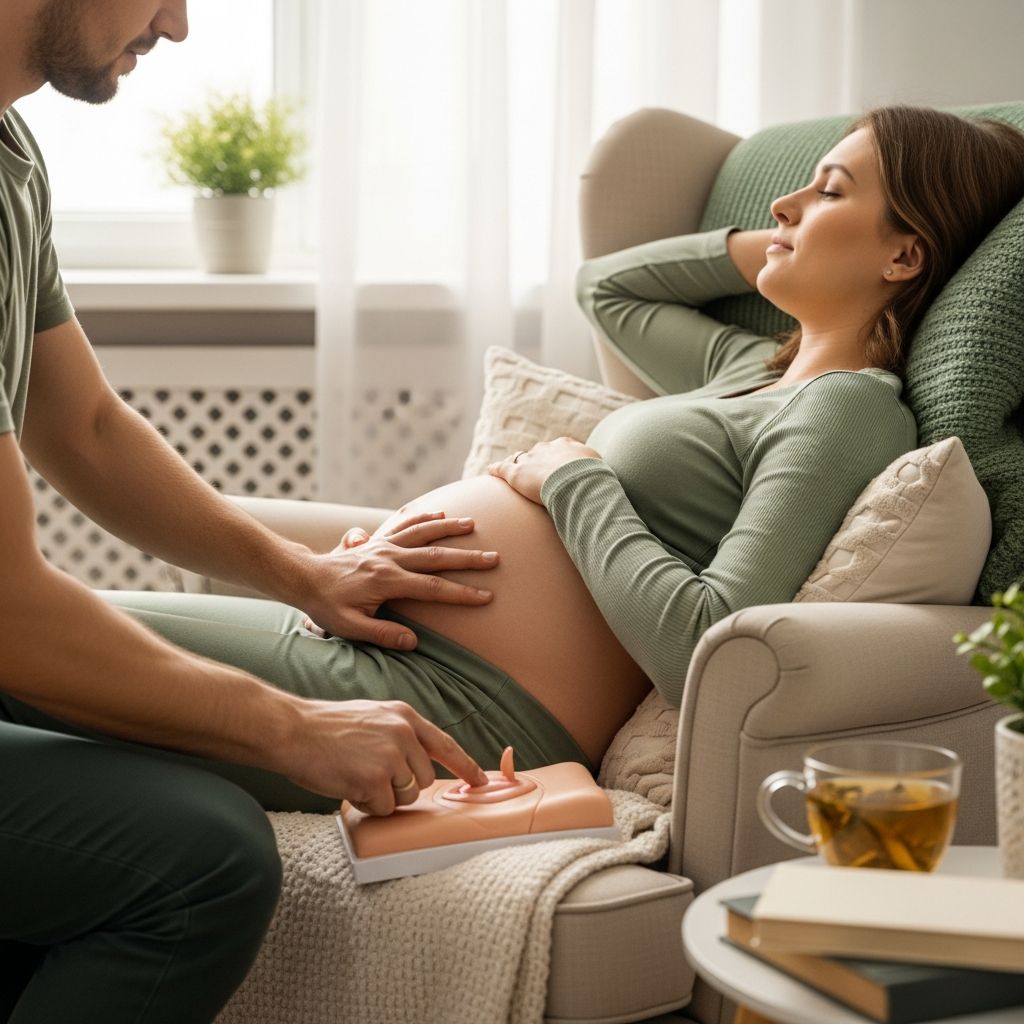
- With the help of a partner, if you are both comfortable and have discussed consent and boundaries.
What Research Says About Benefits and Limitations
Studies over the past several decades have evaluated whether perineal massage in late pregnancy lowers the risk of tearing and other complications.
| Potential Effect | What Evidence Suggests |
|---|---|
| Risk of severe perineal tears | Some randomized trials and reviews report that prenatal perineal massage is associated with a lower rate of severe tears (third- and fourth-degree) and a reduced need for episiotomy, particularly for people having their first vaginal birth. |
| Perineal pain after birth | Several studies and clinical fact sheets note that people doing regular perineal massage often report less perineal pain in the weeks after childbirth, and sometimes faster wound healing when tears do occur. |
| Need for stitches | Guidance from maternity organizations indicates that massage from around 34–35 weeks may reduce the need for stitches in those experiencing their first vaginal birth. |
| Effectiveness for later births | Evidence suggests the benefit is most pronounced for first-time vaginal births; for people who have already had a vaginal birth, the effect appears smaller or minimal. |
Overall, large organizations and reviews describe perineal massage as a safe option for most pregnant people and possibly helpful, but not a guarantee of avoiding tears. The overall risk of very severe tears is relatively low to begin with, so even a meaningful relative reduction may translate to a modest change in absolute numbers.
When to Start and How Often to Massage
Health organizations generally recommend starting perineal massage in the last weeks of pregnancy, once your healthcare provider agrees it is safe for you personally.
- Typical start time: Around 34–35 weeks of pregnancy.
- Frequency: Many guidelines suggest 1–2 times per week as a reasonable schedule, with some recommending up to 5 minutes of massage at a time.
- Duration per session: Around 3–5 minutes is common; you can adjust based on comfort and provider guidance.
Always discuss your individual situation with your midwife, obstetrician, or family doctor before beginning, particularly if you have any pregnancy complications, infections, or vaginal bleeding.
Who Might Want to Avoid Perineal Massage?
Perineal massage is not suitable for everyone. You should talk to a healthcare professional before starting if you:
- Have placenta previa or unexplained vaginal bleeding.
- Have a vaginal infection (such as active herpes, thrush, or bacterial infection).
- Experience pain, burning, or bleeding that persists during or after massage.
- Have been advised to avoid sexual intercourse or internal vaginal exams for medical reasons.
If you are unsure or feel uncomfortable at any point, you can stop and seek medical advice. Choosing not to do perineal massage is a valid and respected option; it is one tool among many, not a requirement of birth preparation.
Preparing for a Perineal Massage Session
Creating a calm, safe environment can make perineal massage more comfortable and effective.
What You May Need
- A private, warm space where you can relax and are unlikely to be interrupted.
- Clean hands and short fingernails to avoid scratches.
- A lubricant such as vitamin E oil, almond oil, olive oil, or a water-based, unscented lubricant that is safe for vaginal use (avoid products that irritate your skin).
- A mirror if you want to see what you are doing (optional but can help you feel more in control).
- Pillows or a supportive surface to lean or recline on.
Comfortable Positions
Experiment until you find a position that works for your body and stage of pregnancy. Common options include:
- Reclining propped up: Leaning back against pillows with knees bent and legs gently apart.
- Standing with one foot raised: For example, with one foot on a low stool or the edge of the bathtub.
- Side-lying: Lying on your side with knees bent, especially if later pregnancy makes other positions uncomfortable.
If a partner is helping, you may prefer lying back or side-lying while they sit or kneel in front of you. Clear communication about pressure, comfort level, and when to stop is essential.
Step-by-Step: How to Perform Perineal Massage
The exact technique can vary slightly, but the basic idea is to apply gentle, sustained pressure to the lower vaginal wall and perineum while consciously relaxing the pelvic floor.
- Wash hands thoroughly. Use soap and water, rinse well, and dry. If a partner is helping, both of you should wash your hands.
- Apply lubricant. Place a small amount of oil or lubricant on your thumbs or fingers and around the lower part of the vaginal opening.
- Insert thumbs or fingers. Gently insert your thumbs (if doing the massage yourself) or one or two lubricated fingers (if a partner is helping) 2–4 cm into the vagina, aiming toward the back (toward the rectum).
- Press downward and outward. Apply gentle but firm pressure down toward the anus and then out toward each side in a wide “U” or smile shape. You may feel a stretching or mild burning sensation, similar to what some people feel as the baby’s head crowns during birth.
- Hold and breathe. Hold the stretch for around 30–60 seconds while focusing on slow, deep breathing and releasing tension in your pelvic floor muscles. Imagine the area softening and yielding to the pressure.
- Massage in a slow motion. After holding the stretch, slowly move your thumbs or fingers in a rocking or sweeping motion from the center downward and out to each side, maintaining gentle pressure.
- Adjust pressure to comfort. The sensation should feel like a strong stretch but not sharp pain. Reduce pressure or stop if you experience intense discomfort, bleeding, or persistent pain.
- Finish and rest. After 3–5 minutes, stop the massage, gently remove your thumbs or fingers, and rest. You may want to sit quietly or do a brief relaxation exercise.
Many people find that the uncomfortable sensations lessen after a couple of weeks of regular practice, as they become familiar with the feeling of stretching in this area.
Mental and Emotional Benefits of Perineal Massage
Beyond potential physical effects, perineal massage can offer mental and emotional benefits as you prepare for birth.
- Rehearsal for crowning: The stretching or burning sensations during massage can mimic what some people feel when the baby’s head emerges, giving you a chance to practice breathing and relaxing through this feeling in a controlled setting.
- Body awareness: Regularly touching and observing your perineal area can help you feel more connected to your body and more confident during labor.
- Coping skills: Using breathwork, visualization, and conscious relaxation during massage can strengthen the same skills you will use during contractions and pushing.
- Partner connection: If you choose to involve a partner, the practice can encourage communication, trust, and shared preparation for the birth experience.
Safety Tips and When to Stop
Perineal massage is generally considered safe for most healthy pregnancies when done gently and with clean technique, but there are important safety points to keep in mind.
- Always consult your healthcare provider before starting, and follow their individual advice.
- Stop immediately and seek medical advice if you notice fresh bleeding, strong pain, fluid leakage, or contractions that do not settle.
- Avoid perineal massage if you have been told to avoid vaginal intercourse or internal exams during pregnancy.
- Do not use harsh soaps, perfumed products, or irritants as lubricants.
- Remember that you are in control: you can change the pressure, change the position, or stop altogether at any time.
How Perineal Massage Fits into Overall Birth Preparation
Perineal massage is one piece of a broader approach to preparing for birth. It does not replace other important aspects of care and planning, such as:
- Attending prenatal visits and following medical advice.
- Learning about labor positions, pushing techniques, and pain relief options.
- Discussing your preferences with your birth team, including how you feel about episiotomy and hands-on vs. hands-off perineal support during birth.
- Maintaining healthy habits such as balanced nutrition, exercise recommended in pregnancy, and adequate rest.
Whether or not you choose to do perineal massage, open conversations with your healthcare provider about perineal care, tearing, and recovery can help you feel more prepared and supported.
Frequently Asked Questions about Perineal Massage
Does perineal massage guarantee that I will not tear?
No. Evidence suggests massage may lower the risk of severe tears and episiotomies, especially for first-time vaginal births, but it cannot fully prevent tearing. Many factors influence perineal outcomes, including baby’s position, labor speed, and individual anatomy.
Is perineal massage painful?
It may feel uncomfortable or like a strong stretch, and some people notice a mild burning sensation, especially at first. The pressure should not be sharply painful. Adjust the pressure, use more lubricant, change position, or stop if you experience significant pain.
Can I do perineal massage if I have hemorrhoids?
Mild hemorrhoids do not always rule out perineal massage, but the area may be more sensitive. It is important to speak with your healthcare provider, who can advise you based on the severity of your symptoms and overall pregnancy health.
Is it safe for my partner to help with perineal massage?
Often yes, if both of you are comfortable, hands are washed thoroughly, nails are trimmed, and you use a safe lubricant. Clear communication and respect for your comfort and boundaries are essential. If your provider has advised you to avoid intercourse or internal exams, ask before involving a partner.
How long should I continue perineal massage?
Guidelines typically suggest continuing from around 34–35 weeks until labor begins, as long as it remains comfortable and your provider has not advised otherwise.
What if perineal massage feels emotionally triggering or uncomfortable?
You do not have to do perineal massage. For some people, especially those with a history of trauma or pelvic pain, the practice may feel emotionally or physically distressing. You can skip it entirely or explore gentler external touch, relaxation, or other birth-preparation techniques with support from a trusted provider or therapist.
References
- Perineal massage — Pregnancy, Birth and Baby (Australian Government). 2023-09-06. https://www.pregnancybirthbaby.org.au/perineal-massage
- Perineal Massage During Pregnancy — American Pregnancy Association. 2023-02-01. https://americanpregnancy.org/healthy-pregnancy/labor-and-birth/perineal-massage-pregnancy/
- The Evidence on Prenatal Perineal Massage for Preventing Tears in Childbirth — Evidence Based Birth, Rebecca Dekker. 2021-03-24. https://evidencebasedbirth.com/the-evidence-on-prenatal-perineal-massage-for-preventing-tears-in-childbirth-with-dr-rebecca-dekker/
- Should You Do Perineal Massage During Pregnancy? Insights from PT Hayley Kava — MamasteFit. 2023-05-10. https://mamastefit.com/should-you-do-perineal-massage-during-pregnancy-insights-from-pt-hayley-kava/
- How to do perineal massage: a step-by-step guide — NCT (UK). 2022-07-01. https://www.nct.org.uk/information/labour-birth/planning-birth/how-do-perineal-massage-step-step-guide
- Practising perineal massage during your pregnancy — The Royal Women’s Hospital (Melbourne). 2023-05-03. https://thewomens.r.worldssl.net/images/uploads/fact-sheets/Practising-perineal-massage-during-your-pregnancy-230503.pdf
- Reducing your risk of perineal tears — Royal College of Obstetricians and Gynaecologists (RCOG). 2019-06-01. https://www.rcog.org.uk/for-the-public/perineal-tears-and-episiotomies-in-childbirth/reducing-your-risk-of-perineal-tears/
- Childbirth: Perineal Massage Before Labor — Kaiser Permanente Health Encyclopedia. 2022-04-15. https://healthy.kaiserpermanente.org/health-wellness/health-encyclopedia/he.childbirth-perineal-massage-before-labor.tn10339