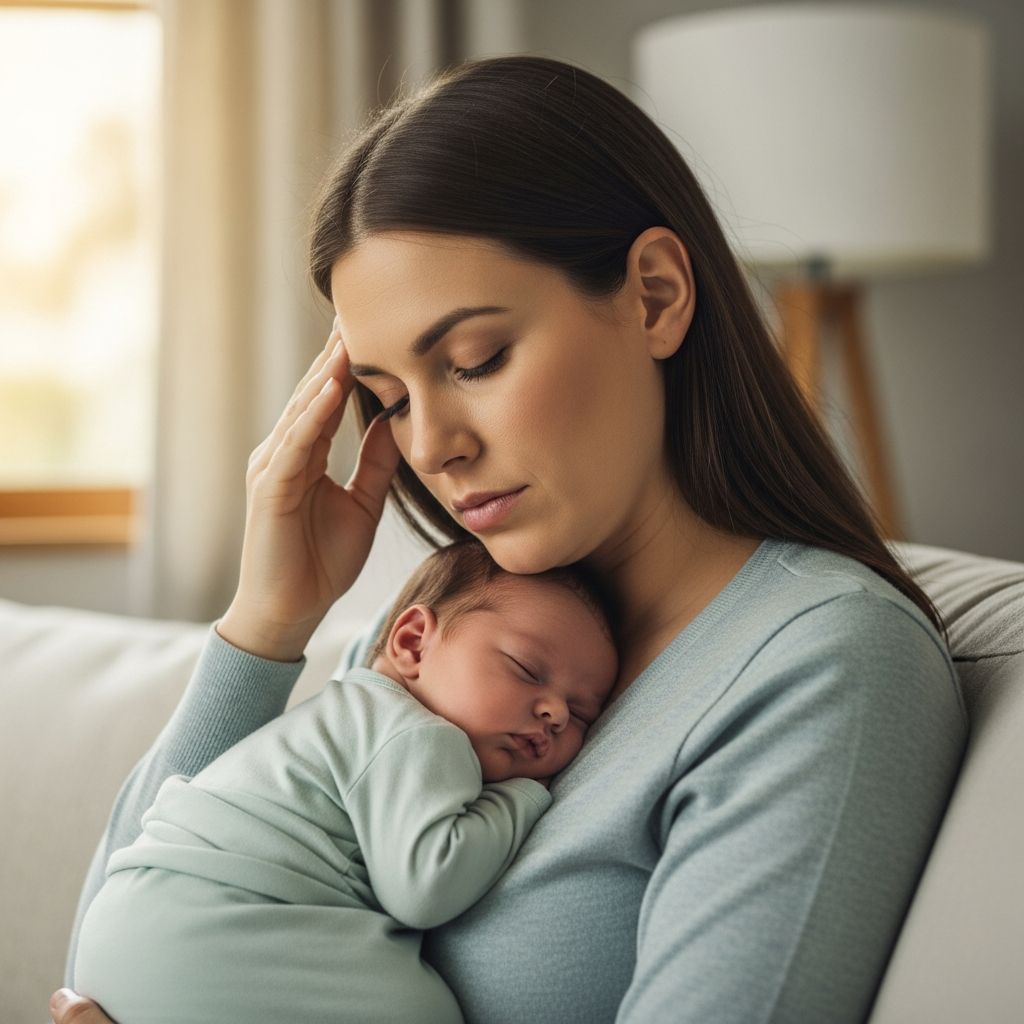
New mothers often face a range of physical challenges after delivery, and headaches rank among the most prevalent. Affecting up to half of women in the initial weeks postpartum, these headaches stem from a mix of hormonal, lifestyle, and physiological factors. While many are benign, some signal urgent conditions, making awareness crucial for timely intervention and smoother recovery.
Understanding the Onset of Headaches After Birth
The postpartum period, typically spanning the first six weeks after delivery, brings dramatic bodily changes that can trigger headaches. Estrogen and progesterone levels plummet sharply post-placenta delivery, disrupting vascular stability and pain thresholds, often mimicking migraine patterns. This hormonal flux combines with sleep disruption, as new moms manage frequent feedings and newborn care, heightening tension in neck and shoulder muscles.
Dehydration exacerbates this vulnerability; fluid loss from labor, breastfeeding, or inadequate intake reduces cerebral blood flow, intensifying pain. Nutritional deficits, such as low blood sugar from skipped meals, further compound the issue, while emotional stress from adapting to parenthood elevates cortisol, promoting tension-type headaches. Women with pre-existing migraine history face amplified risks due to these overlapping triggers.
Common Types of Postpartum Headaches
Postpartum headaches fall into primary and secondary categories. Primary types, comprising over half of cases, include tension headaches—characterized by bilateral pressure or tightness—and migraines, featuring throbbing unilateral pain, nausea, and light sensitivity. Cluster headaches, though rarer, deliver intense, short bursts around one eye.
Secondary headaches arise from specific postpartum events. Post-dural puncture headaches (PDPH) affect nearly half of women with unintended dural tears during epidurals, causing severe orthostatic pain worsened by upright posture due to cerebrospinal fluid leakage. Musculoskeletal strains from labor pushing or poor breastfeeding posture radiate pain from neck to temples.
| Type | Description | Common Triggers |
|---|---|---|
| Tension | Dull ache, band-like pressure | Stress, poor posture, sleep loss |
| Migraine | Throbbing, one-sided, with aura possible | Hormonal drop, dehydration |
| PDPH | Orthostatic, neck-radiating | Epidural complication |
| Cluster | Severe, unilateral, short duration | Pre-existing predisposition |
Everyday Triggers in New Motherhood
- Sleep Deprivation: Interrupted rest cycles heighten pain sensitivity and muscle tension, a near-universal new mom experience.
- Dehydration and Nutrition Gaps: Breastfeeding demands extra fluids; deficiencies provoke vascular headaches.
- Posture Issues: Cradling baby for feeds strains upper back and neck, fostering cervicogenic pain.
- Stress Overload: Anxiety about infant care and role shifts amplifies headache frequency.
- Caffeine Fluctuations: Pregnancy avoidance followed by irregular intake can trigger withdrawal-like symptoms.
Recognizing Danger Signs: When to Seek Emergency Care
Not all postpartum headaches are harmless. Secondary causes like preeclampsia—marked by hypertension persisting post-delivery—demand immediate attention, presenting with severe pain, visual disturbances, and swelling. Cerebral venous thrombosis (CVT), a blood clot in brain veins, causes thunderclap headaches with focal deficits, heightened by hypercoagulable postpartum state.
Other red flags include fever suggesting infection, confusion or seizures indicating stroke, sudden vision changes, or pain unrelieved by usual remedies. Postpartum women face elevated stroke risk in the first weeks, underscoring prompt evaluation. Sheehan syndrome, from pituitary damage due to hemorrhage, pairs headache with lactation failure and hypotension.
Immediate ER Indicators
- Sudden, worst-ever headache
- High blood pressure (>140/90 mmHg)
- Vision blurring, seizures, or weakness
- Fever, neck stiffness, or confusion
- Persistent vomiting or leg swelling
Diagnostic Approaches for Accurate Assessment
Healthcare providers start with detailed history: onset timing, character, associated symptoms, and obstetric details like epidural use. Vital signs check blood pressure; neurological exams assess deficits. Imaging such as CT or MRI rules out bleeds or clots, while lumbar puncture confirms PDPH via low CSF pressure. Blood tests screen for infection or clotting disorders. Early differentiation prevents complications, with lower imaging thresholds postpartum due to risk profile.
Effective Relief Strategies for Everyday Headaches
For primary headaches, start conservatively. Hydrate with 8-10 glasses daily, prioritizing electrolyte drinks during breastfeeding. Maintain nutrition via small, frequent meals rich in magnesium and omega-3s, known migraine mitigators. Prioritize rest through nap syncing with baby and delegating tasks.
Over-the-counter options like acetaminophen suit most, avoiding NSAIDs if bleeding risks persist; ibuprofen may help tension types post-clearance. Topical menthol or cold compresses soothe acutely. Osteopathic techniques, including gentle neck mobilization, alleviate posture-related strain. For PDPH, caffeine boluses or epidural blood patches seal leaks effectively.
Preventive Measures for Long-Term Wellness
Proactive steps reduce recurrence. Establish posture ergonomics for feeds using supportive pillows. Build a hydration routine with reminders. Incorporate daily gentle exercise like walking to boost circulation and mood. Stress management via mindfulness or support groups curbs tension buildup. Migraineurs should track triggers and consider prophylactic meds compatible with lactation, per provider guidance.
Adequate sleep hygiene—dark rooms, white noise—mitigates deprivation effects. Balanced diet prevents blood sugar dips; supplements like riboflavin may offer adjunct benefits under supervision.
Special Considerations for Breastfeeding Mothers
Medication choices prioritize safety. Acetaminophen remains first-line; sumatriptan is viable for severe migraines with minimal milk transfer. Hydration supports milk supply while curbing headaches. Consult lactation experts for positioning to minimize strain.
Frequently Asked Questions (FAQs)
Are postpartum headaches normal?
Yes, they affect nearly half of new moms, often from benign causes like fatigue, but monitor for severe symptoms.
How long do they typically last?
Most resolve within days to weeks with self-care, though PDPH may persist longer without intervention.
Can I take pain relievers while breastfeeding?
Acetaminophen is generally safe; consult your doctor for personalized advice.
When should I worry about a headache after birth?
Seek care for sudden onset, neurological symptoms, or hypertension.
Does epidural increase headache risk?
Yes, PDPH occurs in over 50% of dural puncture cases.
Empowering Recovery: Support Systems for New Moms
Partner involvement in night duties and chores lightens load. Postpartum doulas or apps tracking symptoms aid management. Routine checkups ensure early detection. By addressing headaches holistically, mothers reclaim energy for bonding and healing.
(Word count: 1678)
References
- Postpartum Headaches: Types, Causes, and Treatments — WebMD. 2023. https://www.webmd.com/baby/what-to-know-about-postpartum-headaches
- Postpartum Headaches: Causes, Self-Relief Tips, and How Osteopathy Can Help — Sarah Boughtwood Osteopath. 2023. https://www.sarahboughtwoodosteopath.co.nz/blog/postpartum-headaches-causes-self-relief-tips-and-how-osteopathy-can-help
- Postpartum Headaches: Are They Normal & Causes — Kin Fertility. 2024. https://kinfertility.com.au/blog/postpartum-headaches
- Postpartum headache: Symptoms, treatment, and more — Medical News Today. 2023-10-24. https://www.medicalnewstoday.com/articles/postpartum-headache
- Postpartum Headache — StatPearls, NCBI Bookshelf. 2023-08-07. https://www.ncbi.nlm.nih.gov/books/NBK537101/
- Postpartum Headache — MD Searchlight. 2024. https://mdsearchlight.com/migraine-headaches/postpartum-headache/
- Postpartum Headaches: Causes, Diagnosis & Treatment — Cleveland Clinic. 2023-11-01. https://my.clevelandclinic.org/health/diseases/postpartum-headache