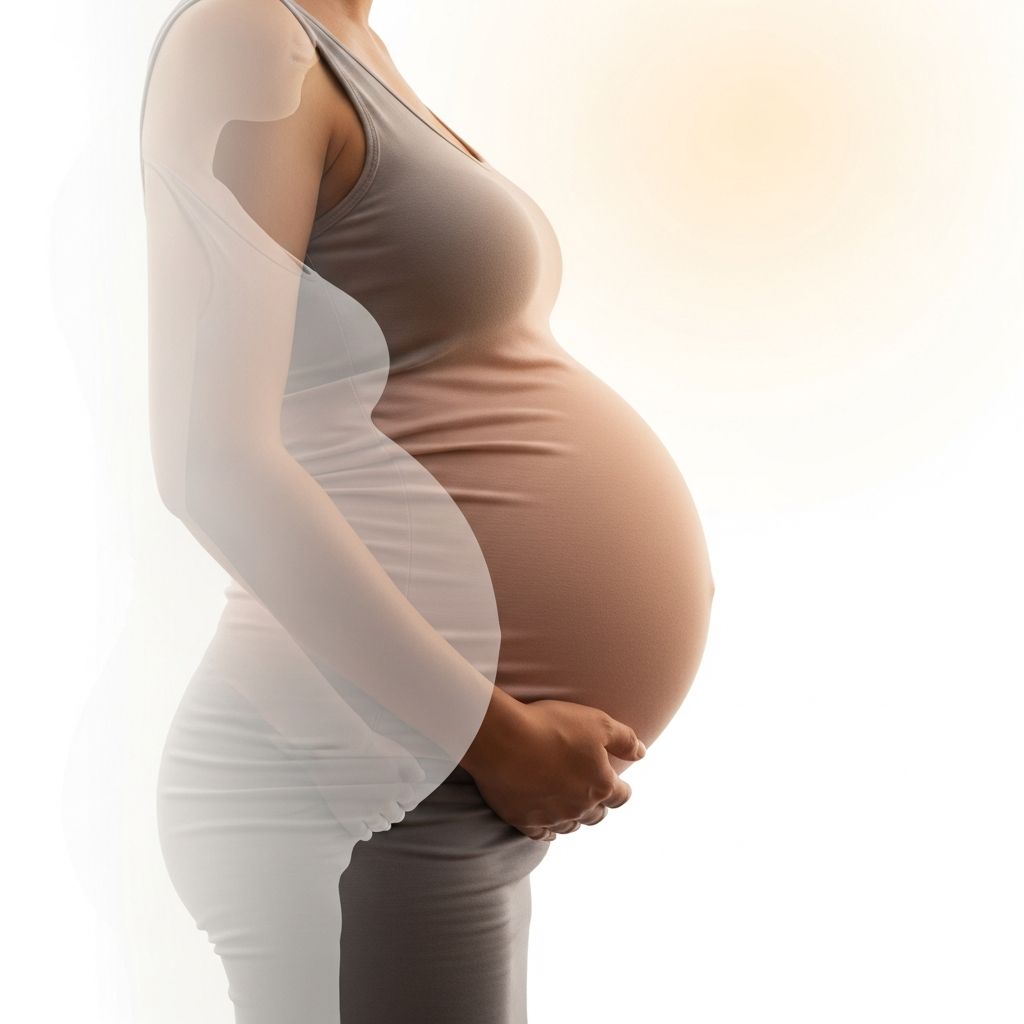
Your pregnant belly undergoes remarkable transformations throughout pregnancy, reflecting the rapid development of your baby and the expansion of your uterus. While every woman’s experience differs, understanding typical growth patterns can help you track progress and address concerns early. This guide breaks down changes by trimester, explores influencing factors, and offers practical advice for comfort and monitoring.
Early Pregnancy: Subtle Shifts in the First Trimester
In the initial weeks of pregnancy, visible changes to your abdomen are minimal as your body adjusts internally. From conception to week 12, your uterus begins enlarging from its pre-pregnancy size—roughly that of an orange—to about the size of a grapefruit by the end of the trimester. However, it remains tucked within the pelvis, so external signs are often absent or mistaken for other causes.
During weeks 1-4, hormonal surges like progesterone cause bloating and fluid retention, creating a sense of fullness rather than a true bump. By weeks 5-8, your baby’s organs form rapidly, but the embryo is still tiny, comparable to a raspberry. You might notice slight rounding due to constipation or gas from slowed digestion, not uterine growth.
- Weeks 1-4: Minimal visible change; uterus thickens for support.
- Weeks 5-8: Bloating common; baby size like a blueberry to raspberry.
- Weeks 9-12: Uterus reaches grapefruit size; small lower-abdomen pooch possible, especially in subsequent pregnancies.
First-time mothers typically don’t show until later, while those with prior pregnancies may notice earlier stretching of abdominal muscles. If no bump appears by week 12, it’s normal—focus on internal milestones like nausea relief or fatigue.
Second Trimester: The Emergence of Your Baby Bump
The second trimester, spanning weeks 13-27, marks when most women see their pregnancy become outwardly evident. Your uterus rises out of the pelvis around week 12-16, pushing the abdominal wall forward and forming a distinct bump. Fundal height—the distance from pubic bone to uterus top—often approximates gestational weeks in centimeters after week 20, serving as a growth gauge during checkups.
Key developments include:
| Weeks | Belly Characteristics | Baby Size Comparison |
|---|---|---|
| 13-14 | Small, visible bump; increased pelvic blood flow. | Lemon |
| 15-16 | Prominent rounding; possible milky discharge. | Orange |
| 17-18 | Rounder shape; first flutters (quickening). | Bell pepper |
| 19-20 | Noticeable dome; anatomy scan time. | Banana |
| 21-22 | Tighter clothes needed; energy boost. | Carrot |
| 23-24 | Stretch marks may appear; uterus above navel. | Mango |
| 25-27 | Large, firm bump; viability milestone. | Cauliflower |
This period is often called the ‘honeymoon phase’ due to reduced symptoms and visible progress. Belly shape varies: some carry high (uterus vertical), low (baby deep in pelvis), or wide (muscle tone influence). Consult a doctor if discharge changes odor or causes itching.
Third Trimester: Full Expansion and Final Preparations
From week 28 to birth, your belly reaches maximum size as the baby grows to 18-20 inches and the uterus expands to watermelon proportions, extending from pelvis to ribs. Weight gain accelerates, and sensations like heartburn, frequent urination, and breathlessness intensify from space constraints.
Your bump may shift as the baby drops (lightening) in late weeks, easing upper pressure but increasing pelvic load. Skin stretches thin, revealing stretch marks, linea nigra (dark midline), and possibly itchiness. By week 36, expect daily measurements at prenatal visits to ensure alignment with due date.
- Weeks 28-32: Eggplant-sized baby; prominent, basketball-like belly.
- Weeks 33-36: Head-down positioning common; Braxton Hicks contractions.
- Weeks 37-40: Full-term; belly feels heavy, movement patterns change.
Variations persist—petite frames may appear larger, while athletic builds show later. Multiples accelerate growth significantly.
Factors Shaping Your Unique Pregnancy Bump
No two bellies are identical, influenced by multiple elements:
- Body Type and Muscle Tone: Short torsos carry high and forward; strong abs contain growth longer.
- Pregnancy Number: Multiparous women (prior births) show 4-8 weeks earlier due to lax ligaments.
- Multiples: Twins prompt visibility by week 10-12; fundal height exceeds weeks by 3-5 cm.
- Amniotic Fluid and Placenta: Excess polyhydramnios enlarges the bump.
- Maternal Weight and Height: BMI impacts distribution; taller women distribute upward.
Traditional myths link shape to gender (basketball = boy, low = girl), but science attributes differences to anatomy, not sex.
Monitoring Growth: Measurements and Milestones
Healthcare providers use fundal height (SFH) post-20 weeks: measure pubic symphysis to uterus top. Normal range: ±2-3 cm from weeks. Discrepancies may indicate growth issues, multiples, or date miscalculations.
| Gestational Age | Expected Fundal Height (cm) | Potential Flags |
|---|---|---|
| 20 weeks | 16-24 | Below 16: IUGR risk |
| 30 weeks | 28-34 | Above 34: Polyhydramnios |
| 36 weeks | 34-38 | Stagnation: Consult MD |
Ultrasounds provide precise fetal biometry if concerns arise. Track kicks daily from 28 weeks: 10 movements in 2 hours signals well-being.
Caring for Your Expanding Belly
Comfort strategies include:
- Moisturize with hypoallergenic lotions to ease stretching.
- Wear supportive maternity bands for posture.
- Sleep on left side to optimize circulation.
- Stay hydrated; eat fiber-rich foods against constipation.
- Gentle exercises like prenatal yoga build strength.
Postpartum, uterus involution begins immediately, shrinking via contractions. Full recovery takes 6-8 weeks; C-section adds healing time.
Frequently Asked Questions
Is a small bump a problem?
Not necessarily—factors like first pregnancy or posterior placenta delay visibility. Monitor via prenatal checks.
Why is my belly suddenly huge?
Third-trimester surges, multiples, or fluid can cause rapid growth. Measurements confirm normality.
Does belly shape predict gender?
No; body habitus determines it, not baby sex.
When should I worry about growth?
If SFH deviates >3 cm, movement drops, or severe pain/bleeding occurs—contact your provider immediately.
How does postpartum belly shrink?
Hormones, nursing, and exercise aid involution over 6-12 weeks.
References
- Pregnant belly stages: How your belly grows week by week — Femia Health. 2023. https://femia.health/health-library/pregnancy/week-by-week/pregnant-belly/
- Pregnant Belly Changes: Month-by-month Shape And Size Guide — Multiples Matter. 2024. https://www.multiplesmatter.com/article/pregnant-belly-changes-month-by-month-shape-and-size-guide
- How Your Pregnant Belly Will Change During Each Trimester — Cloudnine Care. 2023. https://www.cloudninecare.com/blog/how-your-pregnant-belly-will-change-during-each-trimester
- Pregnant Belly Shape And Size: A Month-By-Month Guide — Newton Baby. 2024. https://www.newtonbaby.com/blogs/pregnancy/pregnant-belly