The 22nd Week of Pregnancy: A Period of Significant Growth and Development
Pregnancy week 22 represents a crucial milestone in fetal development, marking a time when your baby undergoes remarkable transformations. At this stage, the fetus is becoming increasingly similar to a newborn, with developing facial features, expanding cognitive abilities, and rapidly growing muscles. For expectant mothers, this week often brings heightened awareness of fetal movements and noticeable physical changes. Understanding what occurs during this period can help parents prepare for the months ahead and appreciate the complexity of prenatal development.
Physical Dimensions and Growth Milestones
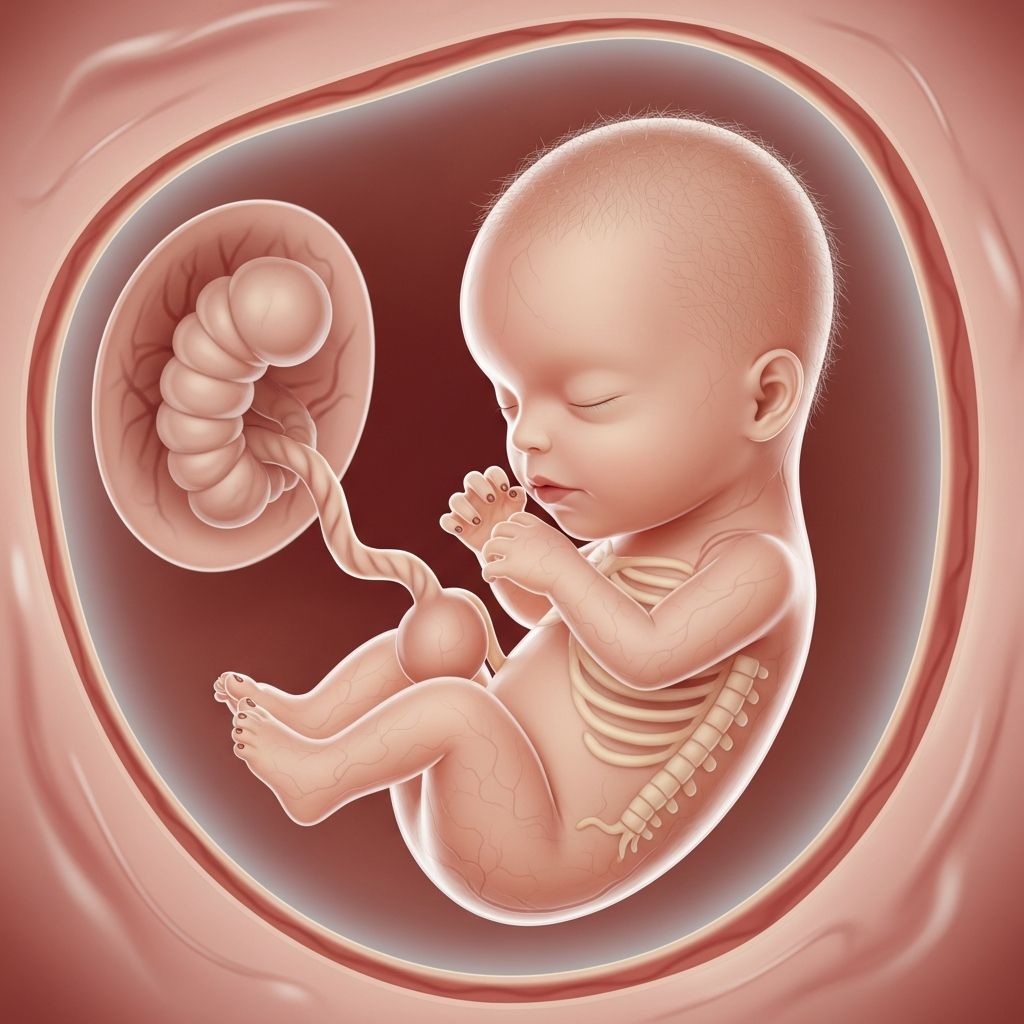
During week 22 of gestation, your baby has grown to impressive proportions relative to earlier stages. The fetus typically measures between 19 and 20 centimeters from crown to heel, with some sources indicating measurements up to 28 centimeters when accounting for extended limbs. Weight varies slightly between pregnancies but generally falls between 350 and 450 grams at this stage. This size is often compared to common fruits such as a papaya or melon, providing an intuitive understanding of your baby’s dimensions.
The growth trajectory at this point is remarkable, as the fetus has expanded considerably from earlier weeks. The body proportions continue to normalize, with the head becoming more balanced relative to the torso and limbs. Subcutaneous fat begins accumulating in thin layers beneath the skin, though this represents only about one percent of total body mass at this time. This fat, known as brown fat, serves a critical thermoregulatory function, helping the baby maintain appropriate body temperature within the uterine environment.
Sensory Development and Neural Function
One of the most fascinating aspects of week 22 development involves the emergence and refinement of sensory capabilities. The tactile receptors distributed across the baby’s entire body have begun functioning, establishing connections with the cerebral cortex. This means your baby can now perceive touch, including when fingers accidentally contact the umbilical cord or when exploring their own face and body. When the fetus touches the umbilical cord, reflex actions cause the baby to pull away, demonstrating intact sensory-motor responses.
Auditory perception is also developing during this period. The fetus can detect external sounds and may respond with observable movements when exposed to noise during ultrasound examinations. Reactions might include flexing limbs or drawing arms and legs closer to the body, indicating that sound stimuli are being processed and generating motor responses.
The gustatory system is similarly advancing, with taste buds beginning to form on the tongue. Combined with developing olfactory capabilities, these sensory systems prepare the baby for the sensory experiences that will occur after birth. Additionally, the fetus is becoming increasingly sensitive to light and can respond to illumination in the uterine environment.
Neurological and Cognitive Development
The brain undergoes dramatic expansion during week 22, with the cerebral cortex developing at an accelerated pace. The limbic system, which governs emotional processing and regulation, is in active development stages. This emerging emotional capacity means the fetus may experience fluctuations in mood, potentially laughing, crying, or expressing frustration within the womb, though these responses remain rudimentary compared to postnatal emotional expression.
Neural terminations continue forming throughout the brain and spinal cord, creating the intricate pathways necessary for sensory perception and motor control. The development of these neural connections enables the sophisticated movements increasingly observed during this gestational period. Memory formation pathways are also beginning to establish themselves, laying the groundwork for learning processes that will accelerate after birth.
Importantly, the fetus at this stage demonstrates awareness of the maternal environment. Beyond responding to direct stimuli, the baby can perceive maternal emotional states, hormonal fluctuations, stress responses, and general physiological conditions. This maternal-fetal connection represents a bidirectional communication system that influences fetal development and wellbeing.
Facial Features and Structural Formations
By week 22, the baby’s face has acquired increasingly recognizable characteristics. Eyebrows and eyelashes are now visible, though the eyelids remain fused and prevent the eyes from opening. The iris, while structurally present, has not yet developed its characteristic coloration, which will emerge later in pregnancy or after birth. The eyes themselves have begun subtle movements beneath the closed lids, indicating ongoing neurological development of the visual system.
The lips are now well-defined, creating distinct oral contours. Internally, within the gum tissue, the permanent dentition is beginning to form, a process that will continue throughout pregnancy and early childhood. This marks the commencement of permanent tooth development, which typically does not become clinically apparent until years after birth.
Hair growth is progressing on the scalp, and the baby may be developing the fine, light-colored hair that characterizes many newborns. The facial structure increasingly resembles that of a full-term infant, though proportions will continue refining throughout the remaining pregnancy weeks.
Organ System Development and Function
Multiple organ systems are advancing their functional capabilities during this gestational week. The pancreas has commenced hormone production, contributing to metabolic regulation and glucose management. The bone marrow is actively generating blood cells, supporting the fetus’s expanding circulatory needs as growth accelerates.
The reproductive system continues development, with sex-specific changes occurring in both male and female fetuses. The kidneys and urinary system are functional, with the fetus producing urine that contributes to amniotic fluid composition. The gastrointestinal tract, though not yet required for nutritional processing, is developing the capacity to coordinate swallowing and digestion movements.
Respiratory development progresses with the continued expansion of lung tissues and the formation of alveolar structures. While the lungs cannot yet oxygenate blood independently, their maturation is progressing on schedule. The fetus practices breathing movements within the amniotic fluid, conditioning the respiratory muscles for postnatal function.
Maternal Physical Transformations and Experiences
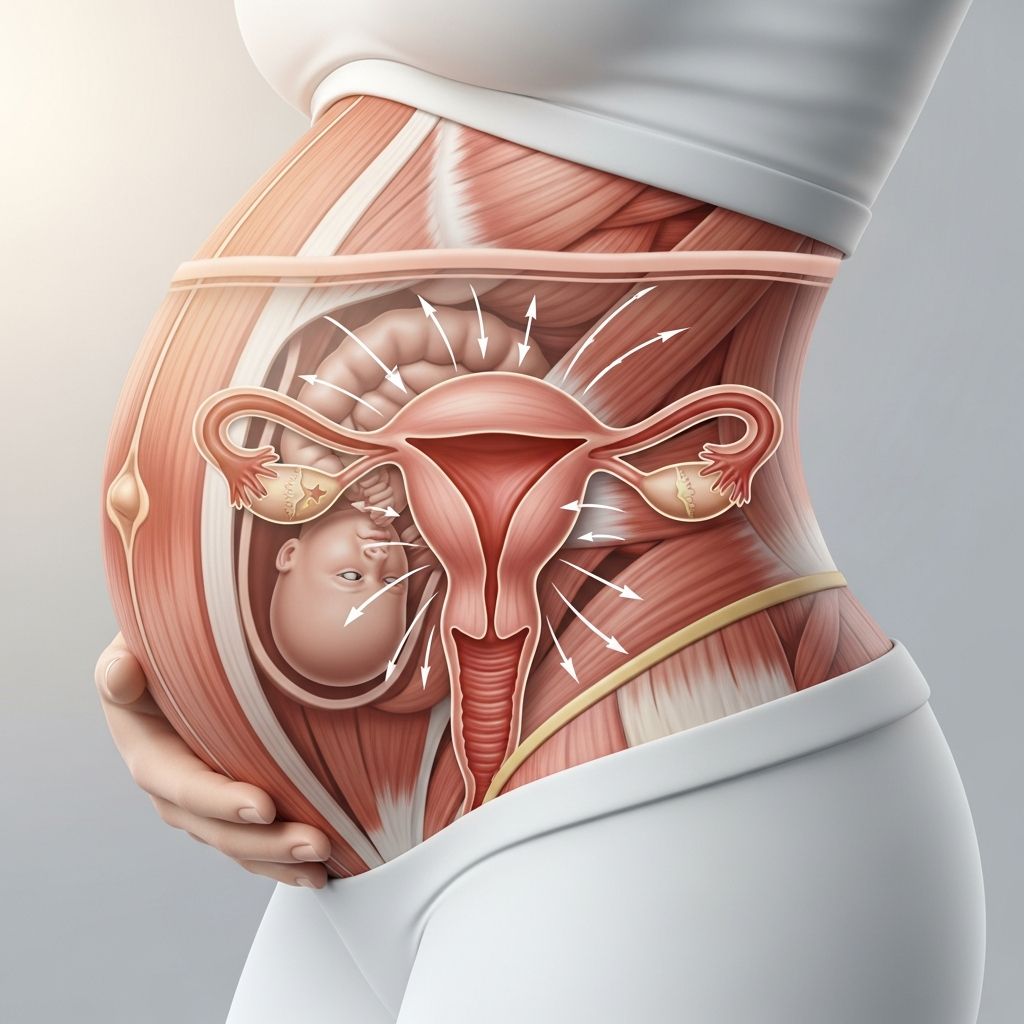
For expectant mothers, week 22 brings increasingly noticeable bodily changes. The uterus has expanded beyond the umbilicus, creating visible abdominal enlargement and reshaping body silhouette. Total weight gain typically accumulates to between 5 and 6 kilograms by this stage, distributed across the uterus, placenta, amniotic fluid, increased blood volume, and maternal fat reserves.
Physical discomfort may intensify as the uterus continues expanding. Pressure and discomfort in the pubic symphysis and lower abdomen are common experiences, resulting from ligament stretching and tissue expansion accommodating the growing uterus. Some mothers report noticing the uterus contracting and relaxing periodically throughout the day, sensations known as Braxton-Hicks contractions, which represent the uterus preparing for eventual labor.
Cardiovascular adjustments continue, with some mothers experiencing increased heart palpitations. This phenomenon, while potentially concerning to pregnant individuals, reflects normal physiological adaptation to increased blood volume and enhanced oxygen delivery to the fetus and placenta. The heart is working more efficiently to meet the metabolic demands of both mother and baby.
Fetal Movement Patterns and Maternal Perception
The acceleration of fetal movement represents one of the most tangible aspects of week 22 pregnancy. Strengthening muscles and a longer umbilical cord permit more vigorous and expansive movements within the amniotic sac. Many mothers report feeling distinct bulges appearing and disappearing across the abdominal wall as the baby moves through different positions, with the baby’s head, limbs, or torso creating observable protrusions.
Fetal activity often intensifies during maternal rest periods, with many mothers noticing increased movements when lying down or during evening hours. These movement patterns may reflect the fetus’s developing activity-sleep cycle, though precise correlations between fetal activity patterns and postnatal sleep architecture remain areas of ongoing research.
Movement visibility varies based on placental position and maternal abdominal composition. When the placenta attaches to the posterior uterine wall and the mother has minimal abdominal fat, fetal movements are more readily apparent to both the pregnant individual and observers placing hands on the abdomen. Conversely, anterior placental positioning or greater maternal adiposity can obscure visible movement signs.
Diagnostic Assessments and Monitoring
Week 22 remains an opportune time for comprehensive morphological ultrasound evaluation if not previously completed. This imaging study provides detailed assessment of fetal anatomy, confirming appropriate development across major organ systems and measuring biometric parameters including head diameter, femur length, and abdominal circumference.
At this gestational age, fetal cardiac activity can be detected without requiring specialized Doppler ultrasound equipment. Many healthcare providers can identify the fetal heartbeat using conventional stethoscopes or handheld Doppler devices, allowing expectant parents to hear auditory confirmation of their baby’s cardiac function. However, not all mothers successfully locate the fetal heartbeat independently, and obsessive searching should be avoided in favor of trusting clinical assessments and scheduled monitoring appointments.
Essential Considerations for Maternal Wellness
During week 22, maintaining overall health supports optimal fetal development and maternal wellbeing. Adequate nutrition remains paramount, with increased caloric requirements and heightened needs for specific micronutrients including iron, calcium, and folic acid. Continued prenatal vitamin supplementation should continue as recommended by healthcare providers.
Physical activity appropriate to individual fitness levels promotes cardiovascular health, maintains muscle tone, and may facilitate smoother labor and delivery processes. Most pregnant individuals benefit from moderate-intensity activities such as walking, swimming, or prenatal yoga, provided no medical contraindications exist.
Sleep quality often deteriorates during this pregnancy stage due to physical discomfort, frequent urination, and hormonal influences on sleep architecture. Creating optimal sleep environments, employing body pillows for support, and addressing sleep disturbances through healthcare provider consultation can improve rest quality.
Frequently Asked Questions
Is it normal to feel strong fetal movements at 22 weeks?
Yes, strong and frequent fetal movements are typical at 22 weeks. If movements previously felt are suddenly absent or dramatically decrease, contact your healthcare provider for evaluation.
Can the baby hear external sounds at this stage?
The fetus can perceive sounds and may respond with movement. Loud noises during ultrasound examinations often trigger observable fetal reactions, indicating auditory perception capability.
What is the significance of Braxton-Hicks contractions at 22 weeks?
These painless contractions represent normal uterine function and help prepare the uterus for labor. They typically feel like the abdomen temporarily tightening and should not cause concern unless accompanied by pain or vaginal bleeding.
Is weight gain of 5-6 kilograms at 22 weeks appropriate?
Yes, gaining 5-6 kilograms by week 22 falls within normal ranges for many pregnancies. Individual variation exists based on pre-pregnancy weight, metabolism, and other factors. Your healthcare provider can assess whether your specific weight gain pattern is appropriate.
Can the baby feel touch at this gestational age?
Yes, tactile receptors are functioning, and the baby can feel touch including maternal hand pressure on the abdomen, though the baby cannot differentiate specific sensations with the precision of older infants.
Should I be concerned about visible fetal movements in my abdomen?
Visible bulges from fetal movement are normal and actually reassuring indicators of fetal vitality. These movements demonstrate adequate muscle development and neurological function.
References
- Week 22 of Pregnancy: Fetal Development and Maternal Changes — Reproducción Asistida ORG. 2024. https://www.reproduccionasistida.org/22-semanas-de-embarazo/
- Fetal Development at Week 22: Permanent Tooth Formation and Touch Sensation — Natalben. 2024. https://www.natalben.com/desarrollo-feto-semana-22-se-forman-los-dientes
- Week 22 of Pregnancy: Fetal Development Milestones — Clínica Alemana. 2024. https://www.clinicaalemana.cl/especialidades/maternidad-y-familia/maternidad-integral/semanas-del-embarazo/semana-22
- Week 22 of Pregnancy: Baby Development and Maternal Experience — Dodot. 2024. https://www.dodot.es/embarazo/calendario-del-embarazo/embarazada-de-22-semanas
- Week 22 of Pregnancy: Comprehensive Guide to Baby and Maternal Changes — Pequeñín. 2024. https://www.pequenin.com.do/herramientas-utiles/semana-a-semana/semana-22-de-embarazo/
- Week 22 of Pregnancy: Diagnostic Testing and Maternal Health — iNatal. 2024. https://inatal.org/el-embarazo/semana-a-semana/250-semana-22-de-embarazo.html
- Fetal Development: The Second Trimester — Mayo Clinic. 2023. https://www.mayoclinic.org/es/healthy-lifestyle/pregnancy-week-by-week/in-depth/fetal-development/art-20046151