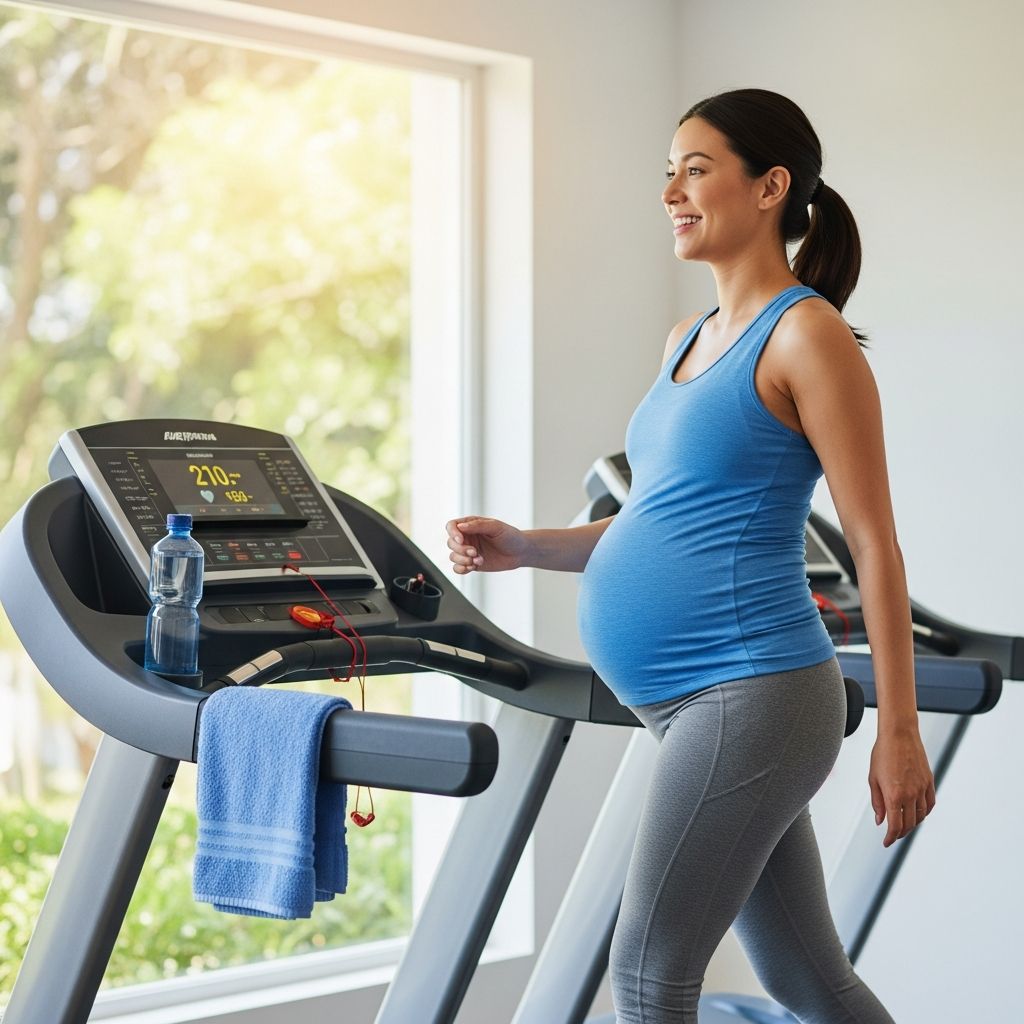
Engaging in regular physical activity during pregnancy supports overall well-being, and treadmills offer a controlled environment for cardiovascular exercise. With proper precautions, expectant mothers can maintain fitness levels safely.
Why Incorporate Treadmill Sessions into Your Prenatal Routine
Treadmill workouts provide numerous advantages for pregnant women. They help manage weight gain, boost cardiovascular health, and enhance mood through endorphin release. Regular sessions can reduce risks of gestational diabetes, preeclampsia, and excessive weight gain while improving sleep and energy levels.
Indoor treadmills minimize exposure to extreme weather, allowing consistent routines. Unlike outdoor running, they offer climate control to prevent overheating, a key concern during pregnancy. Studies indicate moderate aerobic exercise like treadmill walking or light jogging strengthens the heart and lungs, potentially easing labor.
Bone density may increase with weight-bearing activities, countering pregnancy-related calcium demands. Additionally, these workouts alleviate common discomforts such as back pain and constipation by promoting circulation and digestion.
Medical Guidelines and When to Get Clearance
The American College of Obstetricians and Gynecologists (ACOG) endorses at least 150 minutes of moderate-intensity aerobic activity weekly for uncomplicated pregnancies. Treadmills fit this recommendation as low-impact options, but always consult your healthcare provider first.
Women with high-risk conditions like placental issues, preeclampsia, cervical insufficiency, or preterm labor risk should avoid exercise. Those experiencing dizziness, bleeding, or chest pain must stop immediately and seek medical advice. Aim for a heart rate below 140 beats per minute or 60-80% of your age-predicted maximum during moderate efforts.
Essential Safety Measures for Treadmill Use
Prioritize fall prevention, the primary risk on treadmills due to shifting center of gravity. Always attach the safety clip to your clothing for instant machine stoppage. Position yourself in the treadmill’s center to accommodate your growing belly.
Use handrails for balance, especially on inclines or as pregnancy advances. Keep a fan nearby for cooling and water within reach to maintain hydration. Warm up with 5-10 minutes of walking to acclimate your body.
- Inspect the machine: Ensure it’s serviced and you know emergency controls.
- Monitor symptoms: Exit immediately if dizzy, short of breath, or experiencing contractions.
- Wear supportive shoes: Proper footwear prevents slips and supports loosened joints.
- Stay hydrated: Drink frequently to avoid dehydration-linked preterm labor risks.
Adapting Workouts Across Pregnancy Trimesters
Tailor intensity to your body’s changes. In the first trimester, maintain pre-pregnancy paces if comfortable, focusing on consistency. Second trimester often feels energizing; incorporate inclines for variety but hold rails. Third trimester prioritizes walking over running due to balance challenges.
| Trimester | Recommended Speed | Incline | Duration | Focus |
|---|---|---|---|---|
| First | 2.5-4 mph walk/jog | 0-2% | 20-30 min | Build endurance |
| Second | 2-3.5 mph | 1-4% | 25-40 min | Balance and strength |
| Third | 1.5-2.5 mph walk | 0-2% | 15-30 min | Comfort and mobility |
Adjust based on how you feel; reduce speed if gripping rails tightly.
Sample Beginner-Friendly Treadmill Routine
This 30-minute session suits all trimesters with modifications. Perform 3-4 times weekly.
- Warm-up (5 min): 2-3 mph, 0-1% incline. Focus on steady breathing.
- Main Set 1 (8 min): 3 mph walk, 2% incline. Swing arms gently.
- Interval (5 min): Alternate 30 sec at 3.5 mph / 1 min at 2.5 mph, 1-2% incline.
- Main Set 2 (7 min): 2.5-3 mph, 1% incline. Monitor heart rate.
- Cool-down (5 min): 2 mph, 0% incline. Stretch calves and hips post-workout.
Progress by adding time or slight incline as tolerated. For advanced users, include power walking intervals.
Advanced Modifications and Progression Tips
Seasoned athletes can sustain light jogging early on, transitioning to brisk walking later. Use incline over speed for intensity to spare joints relaxed by hormones. Incorporate 1% incline to mimic outdoor terrain and improve form.
Track progress with heart rate monitors on modern treadmills. Features like emergency stops and stable decks enhance safety. Pair with strength exercises off the machine for comprehensive fitness.
Common Pitfalls to Avoid
Overexertion leads to fatigue; listen to your body. Skipping warm-ups increases injury risk. High inclines without rail support can strain balance. Neglecting hydration or cooling invites overheating.
- Avoid abrupt stops: Gradually decelerate.
- Don’t ignore pain: Differentiate muscle fatigue from warning signs.
- Limit sessions if swelling occurs: Elevate feet afterward.
Complementary Exercises and Recovery
Balance treadmill time with prenatal yoga, swimming, or stationary cycling for variety. These low-impact activities support joint health. Post-workout, prioritize protein-rich snacks and gentle stretches to aid recovery.
Frequently Asked Questions
Is treadmill running safe in the first trimester?
Yes, if you were active pre-pregnancy and cleared by your doctor. Start conservatively to monitor nausea.
How often should I exercise on a treadmill while pregnant?
Aim for 30 minutes most days, totaling 150 weekly minutes at moderate intensity per ACOG.
What if I feel dizzy during a session?
Stop immediately, step off, hydrate, and cool down. Consult your provider if recurrent.
Can I use inclines throughout pregnancy?
Yes, moderately while holding rails. Reduce as belly grows to maintain balance.
What’s the ideal heart rate target?
Keep under 140 bpm or 60-80% of max for moderate effort.
References
- Treadmill and Pregnancy: Yay or Nay? — The Mother Runners. 2023. https://www.themotherrunners.com/treadmill-and-pregnancy/
- Can I Use a Treadmill when Pregnant? — PregActive. 2023. https://www.pregactive.com/blog/treadmill-when-pregnant
- Pregnancy Treadmill Workout: Benefits, Safety, and a Sample Routine — BetterMe. 2024. https://betterme.world/articles/pregnancy-treadmill-workout/
- Treadmill vs. Elliptical During Pregnancy — SOLE Treadmills. 2024. https://www.soletreadmills.com/blogs/news/treadmill-vs-elliptical-during-pregnancy-safe-exercise-options-for-expectant-mothers
- Pregnancy And Exercise — NCBI Bookshelf, NIH. 2023-10-01. https://www.ncbi.nlm.nih.gov/books/NBK430821/
- Guide to Running While Pregnant — Cornerstone Physio. 2023. https://cornerstonephysio.com/resources/pregnant-running/
- Cardio During Pregnancy: Safety Tips and Sample Workouts — Expecting and Empowered. 2018-10-04. https://www.expectingandempowered.com/blog/2018/10/4/how-to-do-cardio-while-pregnant