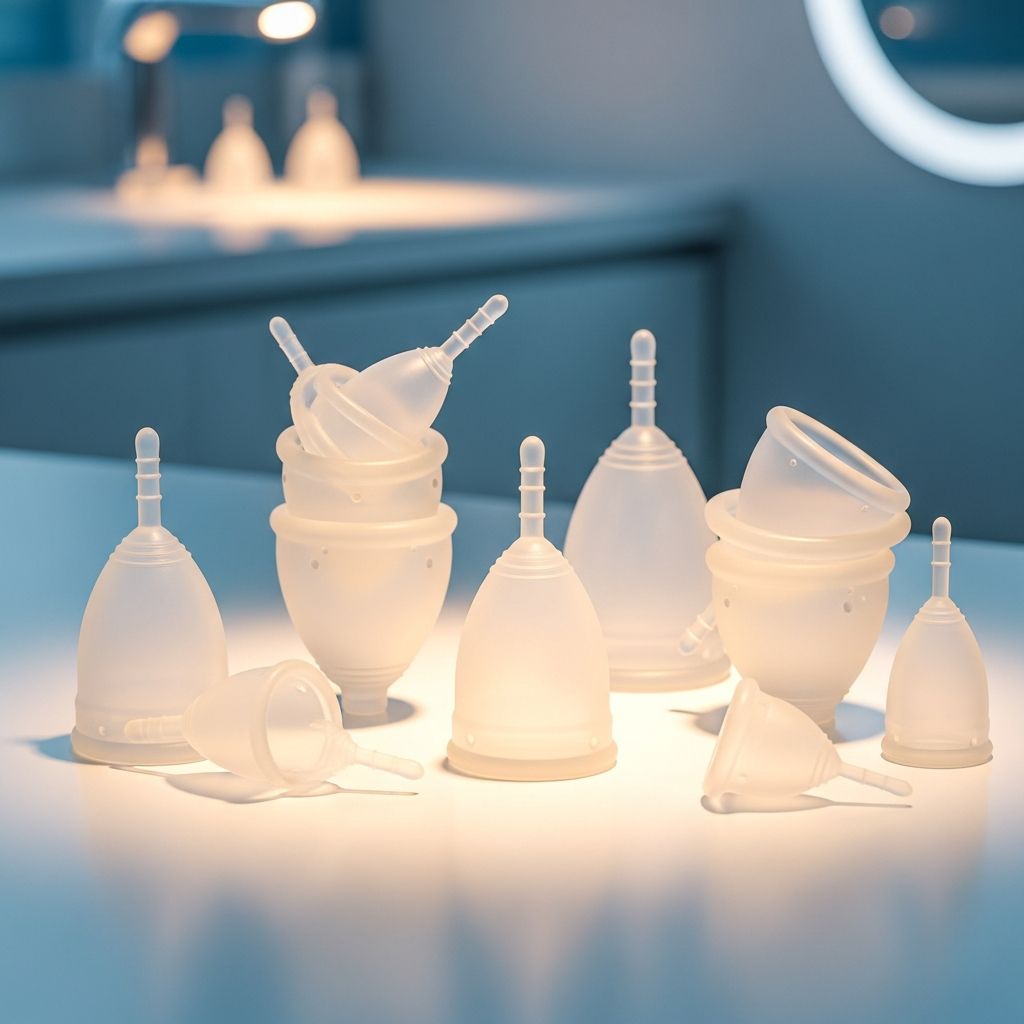
Menstrual cups offer a reusable, eco-friendly alternative to traditional pads and tampons, and they are generally safe for teenagers when used correctly. Medical reviews confirm high acceptability rates and minimal risks, making them a viable option for active young users.
Understanding Menstrual Cups and Their Appeal to Teens
Menstrual cups are small, flexible devices made from medical-grade silicone that fit inside the vagina to collect menstrual blood. Unlike absorbent products, they create a seal to prevent leaks, allowing wear for up to 12 hours. For teenagers juggling school, sports, and social activities, this means fewer bathroom trips and greater confidence during periods.
Key advantages include cost savings over time, environmental benefits from reduced waste, and discretion—no visible strings or bulk. Teens report easier management of heavy flows and participation in swimming or gymnastics without worry.
Are Menstrual Cups Safe for Teenage Anatomy?
Most teens can use menstrual cups regardless of sexual experience, as they do not alter vaginal structure or ‘stretch’ it permanently. The vagina naturally accommodates insertion, similar to tampons, without loosening over time. Concerns about the hymen are common; insertion may stretch it, but this occurs with tampons, exercise, or other activities too—not uniquely with cups.
Systematic reviews show cups are comfortable for 35-90% of users, with continued use in 48-94% of cases. Rare issues like expulsion are noted, especially with IUD users, but overall safety is affirmed.
Addressing TSS and Infection Risks
Toxic Shock Syndrome (TSS) is a bacterial infection linked more to tampons due to absorption and potential abrasions. Cups collect rather than absorb blood, minimizing bacterial growth surfaces. Only five TSS cases are documented with cups since their invention, far rarer than with tampons.
To minimize risks:
- Wash hands with soap before handling.
- Clean the cup with mild soap and water after each use.
- Empty every 8-12 hours, even if not full.
- Avoid leaving in beyond 12 hours.
Medical-grade silicone discourages bacteria, but proper hygiene is essential.
Choosing the Right Size and Type for Teens
| Factor | Recommendation for Teens | Why? |
|---|---|---|
| Age/Experience | Small or teen-sized (e.g., size 1) | Easier insertion for narrower anatomy. |
| Flow | Medium capacity | Holds 2-3x more than tampons. |
| Sexual Activity | Small/medium | Suitable regardless. |
| Activity Level | Firm silicone | Better seal for sports. |
Brands offer teen-specific models that are shorter and softer. Parents should select based on flow and comfort, starting with smaller sizes.
Step-by-Step Guide to Insertion and Removal
Practice in a relaxed setting, like at home on light flow days. Use these steps:
- Boil cup for sterilization before first use.
- Wash hands and cup with fragrance-free soap.
- Apply water or lubricant to rim.
- Fold (e.g., C-fold or punch-down) and insert at a 45-degree angle.
- Rotate to ensure seal; check for suction release on removal.
- Empty into toilet, rinse, reinsert.
Initial discomfort is common but fades with practice. Wear a backup pad first few times. Pain indicates wrong size—consult a doctor.
Comparing Menstrual Cups to Other Products
| Product | Leak Risk | Wear Time | Cost | TSS Risk | Best For |
|---|---|---|---|---|---|
| Cup | Low (if sealed) | 8-12 hrs | Low long-term | Very low | Sports, travel |
| Tampon | Medium | 4-8 hrs | Recurring | Low but higher | Light activities |
| Pad | High | 4-6 hrs | Recurring | None | Beginners |
Cups excel in convenience and sustainability, with lower TSS risk than tampons.
Potential Challenges and Solutions
- Difficulty inserting: Relax with deep breaths; try different folds.
- Leaks: Ensure full opening; trim stem if needed.
- Cleaning at school: Carry wipes or use water bottle rinses.
- Allergies: Rare; one case reported—opt for silicone-free if sensitive.
10-45% find initial use tricky, but persistence pays off.
When to Consult a Doctor
Seek advice if:
- Persistent pain or unusual discharge.
- History of vaginal infections.
- IUD use (higher expulsion risk).
- Difficulty removing (rare entrapment).
Healthcare providers endorse cups as safe for most.
Environmental and Economic Benefits
One cup lasts years, saving hundreds versus disposables. No packaging waste supports eco-conscious families. Teens learn cycle tracking, aiding health awareness.
Frequently Asked Questions
Can teens who haven’t had sex use menstrual cups?
Yes, safely; it won’t affect virginity or hymen uniquely.
Do menstrual cups shorten periods?
Some users report lighter cramps and shorter flows, but evidence is anecdotal.
How often should a teen empty the cup?
Every 8-12 hours, or sooner for heavy flow.
Are cups safe for swimming?
Yes, leak-proof for water sports.
What if my teen can’t insert it?
Practice patiently; try smaller sizes or doctor guidance.
References
- Can Teens Use A Menstrual Cup? — Genial Day. 2023. https://genialday.com/blogs/blog/can-teens-use-a-menstrual-cup
- Menstrual cups for teenagers: a guide for teens and parents — Pixie Cup. 2024. https://pixiecup.shop/blogs/blog/teen-menstrual-cup
- Can Virgins or Teens Use a Menstrual Cup – Will it ‘Break’ the Hymen — Voxapod. 2023. https://voxapod.com/blogs/journal/can-virgins-or-teens-use-a-menstrual-cup-will-it-break-the-hymen
- Acceptability and safety of the menstrual cup: A systematic review — PubMed (PubMed ID: 32770872). 2020-07-28. https://pubmed.ncbi.nlm.nih.gov/32770872/
- Menstrual Cup Dangers: Risks, Safety, and Benefits — Healthline. 2023. https://www.healthline.com/health/menstrual-cup-dangers
- Menstrual Cups for Teens | Are they suitable? — Menstrual Cups Australia Online. 2024. https://www.menstrualcupsaustraliaonline.com.au/menstrual-cups-for-teens/
- How to Use Tampons, Menstrual Cups & Other Period Products Safely — HealthyChildren.org (American Academy of Pediatrics). 2024. https://www.healthychildren.org/English/ages-stages/teen/Pages/Tampon-Safety-and-Toxic-Shock-Syndrome.aspx