Pregnancy represents one of the most transformative periods in a woman’s life, marked by profound physical, hormonal, and emotional changes. Understanding what happens at each stage of pregnancy can help expectant mothers navigate this journey with greater confidence and awareness. This comprehensive guide explores the progression of symptoms and fetal development from conception through delivery, providing insight into the remarkable changes occurring both within the mother’s body and in her developing baby.
The Very Beginning: Recognizing Early Pregnancy Indicators
The earliest signs of pregnancy often occur even before a woman realizes she might be pregnant. Within days of conception, the body begins its transformation, though many of these initial changes are subtle and easily overlooked. Understanding these first indicators can help women recognize pregnancy earlier and seek appropriate prenatal care.
One of the first measurable changes occurs at the cellular level when the fertilized egg implants into the uterine lining. This implantation process, which happens approximately 6 to 12 days after conception, can sometimes result in light spotting or bleeding. While this implantation bleeding is typically minimal and brief, it may be one of the earliest physical signs that pregnancy has begun.
Around the same time, the body’s basal body temperature—the body’s resting temperature—rises slightly and remains elevated throughout pregnancy. This subtle temperature shift reflects the hormonal changes triggered by the developing pregnancy and can be tracked using a specialized thermometer for those monitoring their fertility.
The First Month: Hormonal Shifts and Initial Adaptations
By the fourth week of pregnancy, most women will experience their first major indicator: a missed menstrual period. This absence of an expected cycle prompts many women to take pregnancy tests, which detect the presence of human chorionic gonadotropin (hCG), a hormone produced during pregnancy. The missed period remains one of the most reliable early signs, though it can be misleading for women with irregular menstrual cycles.
During this early period, progesterone levels surge dramatically, triggering a cascade of physical changes throughout the body. The breasts often become tender and swollen as milk-producing tissues begin to develop in preparation for future nursing. This sensitivity typically peaks in the early weeks and gradually diminishes as the body adjusts to elevated hormone levels.
Fatigue emerges as another prominent early symptom, affecting many pregnant women within the first month. The exact cause of this overwhelming tiredness remains somewhat mysterious, though the rapid increase in progesterone levels appears to play a significant role. Many women describe this fatigue as distinctly different from normal tiredness, often requiring unusually early bedtimes or frequent napping despite adequate nighttime sleep.
Weeks Five Through Eight: The Intensification Phase
As pregnancy progresses into the fifth week and beyond, symptoms typically become more pronounced and harder to dismiss as coincidence. This is when many women experience the onset of morning sickness, though this symptom can strike at any hour of the day or night. Morning sickness usually develops around weeks 4 to 6 and often intensifies around week 9, though the severity and duration vary significantly from woman to woman.
The nausea associated with early pregnancy exists on a spectrum. For some women, it manifests as mild queasiness or food aversions, while others experience more severe vomiting that can interfere with daily activities and nutrition. Despite its unpleasant nature, morning sickness is generally considered a positive sign, indicating that the body is producing adequate pregnancy hormones.
Heightened olfactory sensitivity also becomes evident during this period. Pregnant women often report that familiar scents suddenly become overwhelming or repulsive, contributing to food aversions. A pregnant woman might suddenly find her favorite foods completely unappealing while craving items she previously disliked. These changes in taste and smell preferences are entirely driven by hormonal fluctuations and typically normalize after the first trimester.
By week seven, additional digestive complaints emerge, including bloating, gas, and heartburn. The hormone progesterone slows the digestive system to allow for better nutrient absorption, but this slowdown also creates uncomfortable gastrointestinal symptoms. Constipation becomes increasingly common as pregnancy progresses, creating a cycle that requires dietary adjustments and increased hydration.
Around this same timeframe, mood swings intensify as hormonal changes affect neurochemistry. The combination of rapidly shifting hormone levels, physical discomfort, and the emotional reality of pregnancy can create emotional variability that surprises both the pregnant woman and her partner. These mood changes are entirely physiological and typically improve as the body adapts to pregnancy hormones.
Urinary and Metabolic Changes
Increased urination becomes noticeable very early in pregnancy, sometimes within the first few weeks. This happens because the body’s blood volume increases substantially during pregnancy, causing the kidneys to process additional fluid that accumulates in the bladder. This symptom persists throughout pregnancy and often intensifies in the third trimester when the enlarging uterus presses directly on the bladder.
Beyond urinary frequency, other metabolic changes ripple through the pregnant body. Heart rate naturally increases during pregnancy to pump the additional blood volume circulating through the cardiovascular system. Blood pressure may fluctuate as hormones affect blood vessel flexibility and function. These cardiovascular adaptations are normal physiological responses to pregnancy, though they require monitoring to ensure they remain within healthy ranges.
Weeks Nine Through Twelve: Advancing Development and Continued Symptoms
By the ninth week of pregnancy, many women notice that their regular clothing no longer fits comfortably, not necessarily due to significant weight gain but rather due to bloating caused by hormonal effects on the digestive system. The waistband that previously fastened easily suddenly feels snug as gas accumulation and water retention create temporary size increases.
Nasal congestion frequently develops during weeks nine through twelve, creating a symptom that might seem unrelated to pregnancy but actually results from increased blood flow to mucous membranes. Headaches and dizziness also commonly appear during this period, potentially triggered by the combination of hormonal changes, increased blood volume, and the physical stress of early pregnancy.
By week ten, visible physical changes become apparent. Blue or purple veins may become prominent on the breasts and abdomen as the cardiovascular system works harder to supply blood to the developing baby and enlarged reproductive organs. Growing breasts continue their transformation, with the areola—the pigmented area surrounding the nipple—becoming darker and larger as the body prepares for nursing.
During weeks eleven through twelve, new symptoms may emerge, including nighttime leg cramps that disrupt sleep. Additionally, a dark line called linea nigra may appear running vertically down the center of the abdomen, caused by melanin-producing hormones and the skin stretching to accommodate the enlarging uterus. This cosmetic change is purely hormonal and will fade after delivery.
The Second Trimester: Relief and Visible Transformation
For many women, the arrival of the second trimester brings welcome relief from first-trimester symptoms. Morning sickness typically subsides, energy levels often rebound, and the worst of the digestive complaints may ease. However, new symptoms emerge as the body continues its adaptation to support the growing baby.
By week sixteen, women frequently begin to feel fetal movement, often described as fluttering sensations or gentle nudges from within. This milestone, called quickening, transforms pregnancy from an abstract concept into a tangible reality of a moving baby. The breasts continue to enlarge and may begin developing stretch marks as the skin stretches to accommodate growth.
Additional second-trimester symptoms include the development of a characteristic pregnancy glow—a radiant complexion resulting from increased blood flow and hormonal effects on skin. Conversely, some women experience acne as hormonal changes increase sebum production. Backaches often emerge as the body’s center of gravity shifts and the spinal column adjusts to support the growing weight of pregnancy.
Third Trimester: Final Preparations for Birth
As pregnancy enters its final phase, the body intensifies its preparations for labor and delivery. The baby gains significant weight and size, causing the pregnant woman’s abdomen to expand substantially. By week thirty-six, the baby weighs approximately six pounds and is considered full-term, ready for birth at any time.
Physical sensations intensify during this final stretch. Pelvic pressure and discomfort increase as the baby descends lower into the pelvis in preparation for birth. The frequent need to urinate, already present earlier in pregnancy, often worsens as bladder compression intensifies. Itchy skin becomes common as the stretched abdominal skin reaches its maximum extension.
Around week thirty-six, the breasts may begin leaking colostrum—a yellowish, nutrient-rich fluid that precedes breast milk and provides important antibodies to the newborn. This natural occurrence indicates that milk production systems are functioning properly and preparing to nourish the baby after birth.
Edema, or swelling in the feet, ankles, and hands, commonly develops in late pregnancy due to fluid retention and slowed circulation caused by the weight of the enlarged uterus compressing blood vessels. This swelling typically improves dramatically after delivery when normal blood circulation is restored.
Red Flag Symptoms Requiring Immediate Attention
While most pregnancy symptoms are normal and expected, certain signs warrant immediate medical evaluation. These include vaginal bleeding, dramatic increases in vaginal discharge, intense vomiting lasting more than twenty-four hours, and consistent contractions before thirty-six weeks of pregnancy.
Severe pain or cramping in the lower abdomen, severe back pain, burning sensations during urination, sudden facial swelling, chills or fever, signs of preeclampsia such as high blood pressure or persistent intense headaches, and sudden changes in vision such as blurred vision or seeing spots all require urgent medical attention. Additionally, any noticeable decrease in fetal movement should be reported to a healthcare provider immediately, as this may indicate fetal distress.
Fetal Development Milestones
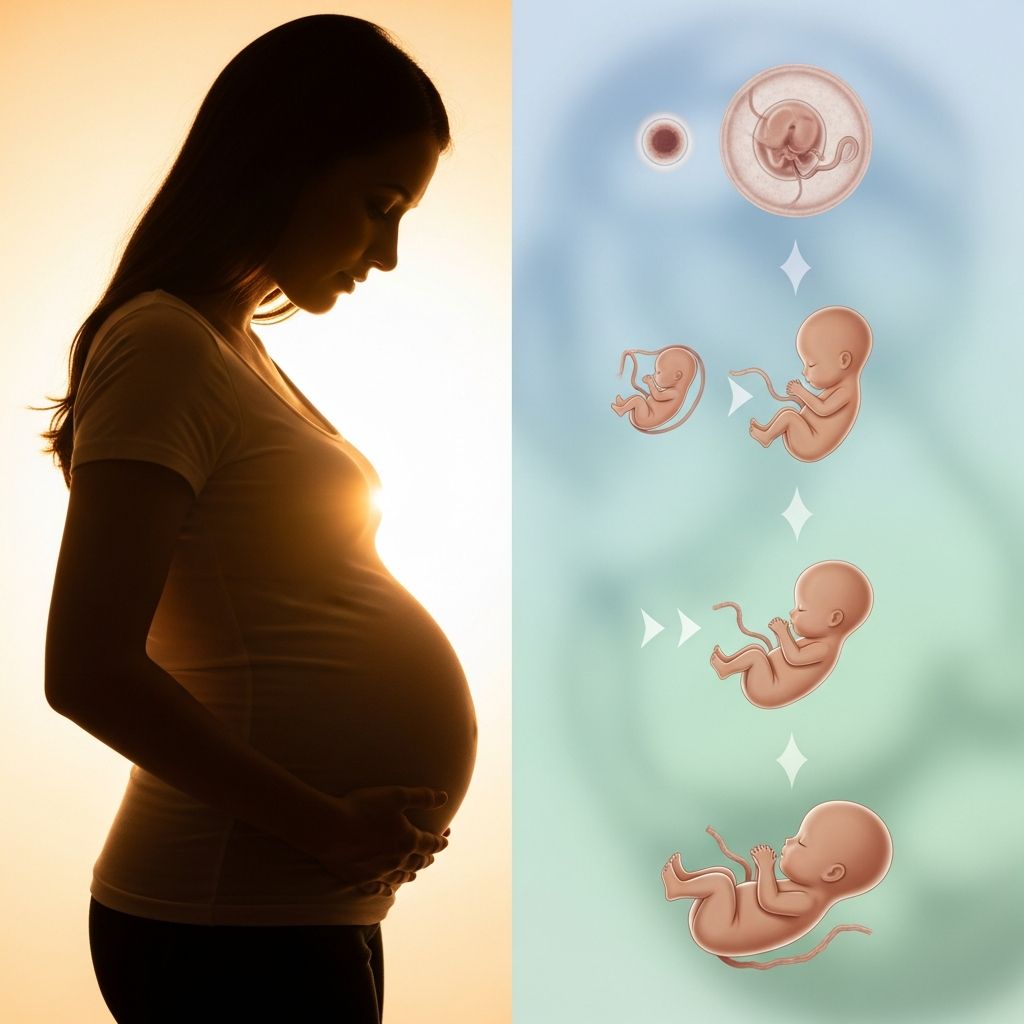
While the mother experiences physical changes, the developing baby undergoes remarkable transformations. By week five, though only the size of an apple seed, the basic framework of the brain, spinal cord, and heart are forming. By week seven, the baby reaches the size of a blueberry, and essential organs including the heart, lungs, liver, and intestines are developing, while paddle-shaped clusters at the ends of the arms and legs will eventually become hands and feet.
By week eight, ultrasounds can reveal the fetal heartbeat, and by week nine, the baby has grown to the size of a cherry or green olive, with reproductive organs beginning to form and the tadpole-like tail disappearing as tiny legs develop. Week ten brings eye development and finger separation, with the baby now strawberry-sized. By week sixteen, the baby reaches approximately five inches in length with increasing eye movement, and the baby can now hear the mother’s voice.
Managing Pregnancy Symptoms Effectively
Understanding that pregnancy symptoms are temporary and normal can help women approach them with greater perspective. While some symptoms cannot be entirely eliminated, various strategies can provide relief. For morning sickness, eating small, frequent meals and avoiding triggers can help. For fatigue, prioritizing rest and adjusting activity levels to match energy capacity supports maternal well-being.
Increased fluid intake helps address constipation and supports the increased metabolic demands of pregnancy. Supportive footwear and elevation can ease swelling and discomfort. Regular communication with healthcare providers ensures that any concerning symptoms receive appropriate attention and that the pregnancy progresses healthily.
Frequently Asked Questions About Pregnancy Symptoms
When should I contact my doctor about pregnancy symptoms?
Contact your healthcare provider if you experience vaginal bleeding, severe abdominal pain, persistent vomiting, sudden swelling, vision changes, decreased fetal movement, or any symptom that concerns you. Regular prenatal visits allow your doctor to monitor your health and address symptoms appropriately.
Are all women’s pregnancy symptoms the same?
No, pregnancy symptoms vary significantly from woman to woman. Some experience severe morning sickness while others have none. The timing, intensity, and duration of symptoms differ based on individual factors including hormonal sensitivity, overall health, and genetic predisposition.
How accurate are home pregnancy tests?
Home pregnancy tests are generally quite accurate when used according to directions, particularly if used after a missed period. They detect hCG hormone in urine, though results are most reliable when taken in the morning when urine concentration is highest.
Can I relieve morning sickness naturally?
Several natural approaches may help, including consuming ginger, eating small frequent meals, staying hydrated, getting adequate rest, and avoiding triggering foods or scents. If natural methods prove insufficient, discuss medical options with your healthcare provider.
When do pregnancy symptoms typically subside?
Most first-trimester symptoms improve significantly during the second trimester as hormone levels stabilize and the body adjusts. However, new symptoms may emerge in the second and third trimesters related to the growing baby and preparation for birth.
References
- Pregnancy Symptoms Timeline: When They Usually Start — Ubie Health. 2025-12-30. https://ubiehealth.com/doctors-note/how-long-pregnancy-symptoms-start-show-timeline
- Pregnancy Timeline: Week by Week — NewYork-Presbyterian. https://www.nyp.org/womens/pregnancy-and-birth/timeline
- Early Pregnancy Symptoms: 15 Signs and Timeline — Healthline. 2024-11-25. https://www.healthline.com/health/pregnancy/early-symptoms-timeline
- These Symptoms May Be Your First Signs of Pregnancy — Babylist. https://www.babylist.com/hello-baby/early-pregnancy-symptoms
- Symptoms of pregnancy: What happens first — Mayo Clinic. https://www.mayoclinic.org/healthy-lifestyle/getting-pregnant/in-depth/symptoms-of-pregnancy/art-20043853