Navigating Sweetener Choices During Pregnancy
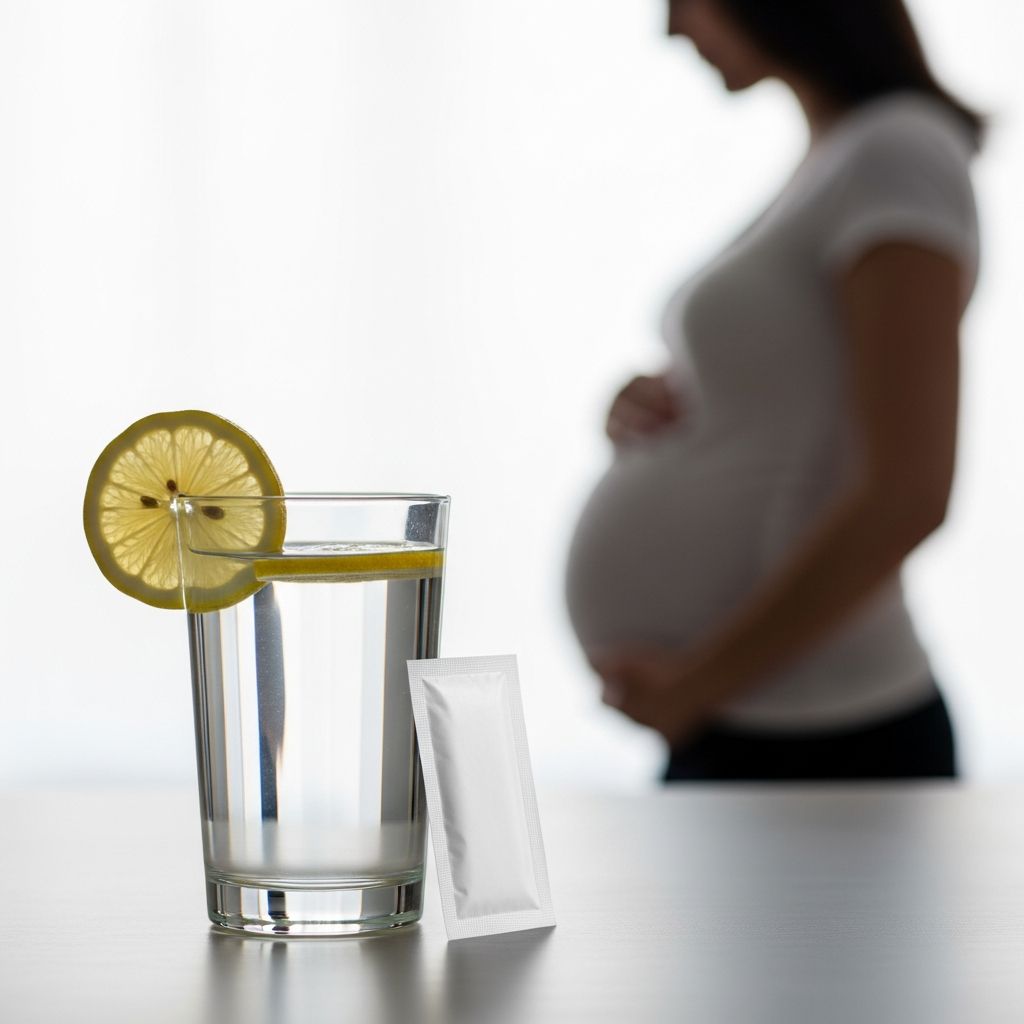
Pregnancy brings heightened awareness about dietary choices, as expectant mothers consider how their nutrition impacts developing babies. One common dietary decision involves sweetened foods and beverages. Many pregnant women seek to manage their sugar intake, either for weight management or overall health, leading them to explore artificial sweeteners as alternatives. However, the question of whether these substitutes are truly safe during pregnancy remains important for informed decision-making. Understanding the landscape of available sweeteners, their regulatory status, and emerging research findings can help pregnant women make confident choices about their consumption patterns.
Overview of Sweetener Categories and Classifications
The sweetener market includes multiple categories, each with distinct chemical compositions and regulatory histories. Sweeteners fall into two primary groups: nutritive sweeteners, which contain calories and affect blood sugar levels, and non-nutritive sweeteners, commonly called artificial sweeteners, which provide sweetness with minimal or no caloric content. Non-nutritive sweeteners gained popularity as weight management tools and became particularly marketed to individuals managing diabetes or watching caloric intake. During pregnancy, the appeal of these alternatives increases, as women navigate the dual goals of managing weight gain while satisfying cravings for sweet foods and beverages.
The widespread availability of artificially sweetened products means most pregnant women encounter these compounds regularly. Diet beverages, sugar-free desserts, low-calorie yogurts, flavored coffees, and numerous processed foods contain these sweeteners. Understanding which varieties exist and how regulatory bodies evaluate them provides essential context for making informed consumption decisions.
Examining Individual Sweetener Safety Profiles
Aspartame: A Widely Used Sweetener with Specific Concerns
Aspartame represents one of the most extensively studied artificial sweeteners in the market. Regulatory agencies including the Food and Drug Administration have declared aspartame safe for general consumption in limited quantities. However, specific populations require caution. Aspartame breaks down into phenylalanine, an amino acid that individuals with phenylketonuria (PKU), a rare genetic metabolic disorder, cannot properly metabolize. Pregnant women with PKU or elevated phenylalanine levels should avoid aspartame-containing products entirely, as elevated fetal exposure could potentially cause developmental complications.
Recent animal research has raised additional considerations. Studies examining aspartame consumption during pregnancy found that when pregnant mice received this sweetener at doses comparable to human consumption levels, their male offspring showed approximately 47% increased body fat accumulation compared to control groups. This finding suggests potential programming effects on offspring metabolism, though further human studies are needed to establish whether similar mechanisms occur in human pregnancies.
Sucralose: A Heat-Stable Option
Sucralose offers certain practical advantages as a sweetener, particularly its heat stability, making it suitable for baking and cooking applications. The FDA has determined sucralose safe for pregnant women and nursing mothers. This sweetener passes through the digestive system largely unabsorbed and does not affect blood glucose levels. However, emerging research suggests maternal sucralose consumption may also influence offspring metabolism. Mouse studies documented a 15% increase in body fat in young male offspring whose mothers consumed sucralose during pregnancy at realistic human consumption levels, indicating potential metabolic programming effects that warrant further investigation.
Stevia: A Plant-Based Alternative
Stevia, derived from the stevia plant, represents a naturally sourced sweetening option that appeals to consumers seeking non-synthetic alternatives. The FDA has designated stevia as Generally Recognized As Safe (GRAS), providing it with the same safety classification as aspartame for use during pregnancy. Despite its natural origin, animal research indicates that stevia consumption during pregnancy may produce similar effects on offspring as synthetic alternatives. Rat studies documented increased body fat percentages and specific changes in offspring gut bacterial populations when mothers consumed stevia during pregnancy. These findings underscore an important principle: natural origin does not automatically confer greater safety than synthetic compounds.
Acesulfame Potassium: Moderate Use Recommended
Acesulfame potassium, marketed under the brand name Sunett, appears in baked goods, frozen desserts, beverages, and sugar-free gelatins. The FDA deems this sweetener safe for moderate consumption during pregnancy. Unlike some competitors, acesulfame potassium has less extensive research examining its effects on fetal development, though existing safety assessments have not identified significant concerns for expectant mothers consuming it within recommended limits.
Saccharin: A Sweetener with Lingering Questions
Saccharin, one of the oldest artificial sweeteners still in use, maintains its market presence primarily in older products and specialty items. Though the FDA considers saccharin safe for the general public, research indicates that saccharin crosses the placenta and may accumulate in fetal tissue. This placental transfer raises lingering questions about potential long-term fetal effects, particularly with regular consumption. Pregnant women may reasonably choose to limit saccharin intake given these findings, even though definitive evidence of harm remains limited.
Emerging Research on Maternal Sweetener Consumption and Offspring Health
The Microbiome Connection
Recent research has unveiled unexpected mechanisms through which maternal sweetener consumption might influence offspring health outcomes. The human gut microbiome—the collection of trillions of bacteria residing in the digestive system—plays a substantial role in metabolism, immune function, and weight regulation. Animal studies demonstrate that when pregnant mothers consume artificial sweeteners, their offspring develop alterations in gut bacterial composition, even though the offspring themselves never directly consumed the sweeteners. These changes include increased populations of bacteria that produce propionate and butyrate, while populations of lactose-fermenting bacteria decrease. Such microbial shifts may program altered metabolic processing in developing organisms, potentially increasing obesity susceptibility later in life.
Long-Term Metabolic Effects
One particularly significant finding from human research involves early childhood weight outcomes. A comprehensive Canadian study tracking over 2,200 mother-baby pairs found that children born to mothers reporting daily consumption of artificially sweetened beverages during pregnancy showed significantly elevated body mass index at three years of age compared to children whose mothers did not consume these products. Additionally, previous research from the same cohort documented that daily prenatal artificial sweetener exposure correlated with a twofold higher risk of clinical overweight by the infant’s first birthday. These associations emerged even after accounting for numerous confounding factors, suggesting a genuine relationship rather than mere correlation.
Furthermore, animal studies indicate that maternal artificial sweetener consumption may influence offspring insulin sensitivity and glucose metabolism. Mice born to mothers consuming artificial sweeteners showed increased insulin resistance, particularly in males. Such metabolic changes could predispose offspring toward type 2 diabetes and metabolic syndrome in adulthood, though long-term human studies confirming this trajectory remain limited.
Regulatory Perspectives and Guidelines
Various regulatory agencies have evaluated artificial sweetener safety during pregnancy, though their conclusions display some nuance. The FDA has established Acceptable Daily Intake (ADI) levels for most approved sweeteners, representing quantities considered safe for daily consumption across a lifetime. These guidelines assume consumption of approved sweeteners below specified thresholds poses no health risks. However, the FDA acknowledges that more research is needed to understand long-term health effects of sweeteners, particularly in vulnerable populations like children and during critical developmental windows like pregnancy.
Health Canada similarly states that sugar substitute consumption during pregnancy does not pose inherent health risks, though officials recommend moderation in usage. This measured stance reflects the reality that while current evidence does not establish definitive harm from moderate sweetener consumption, mounting research suggests caution rather than casual use.
Practical Recommendations for Expectant Mothers
Key Considerations for Decision-Making
- Moderation is essential: If choosing to consume artificially sweetened products, limit intake rather than relying on these items as staple beverages or foods.
- Water remains optimal: Unsweetened water provides complete hydration without any potentially concerning compounds, making it the ideal beverage choice throughout pregnancy.
- Avoid specific sweeteners if applicable: Women with phenylketonuria must completely avoid aspartame-containing products; those with certain bowel conditions should discuss sweetener use with healthcare providers.
- Examine product labels: Many foods contain multiple sweeteners, sometimes in combinations that compound exposure without consumer awareness.
- Consider timing: Reducing sweetened product reliance during the first trimester, when fetal organ development proceeds most rapidly, may offer particular benefit.
Alternative Strategies for Managing Sweet Cravings
Rather than relying on artificially sweetened products to manage cravings, expectant mothers might explore alternative approaches. Whole fruits provide natural sweetness alongside fiber, vitamins, and minerals supporting fetal development. Small amounts of natural sweeteners like honey or maple syrup add flavor to foods and beverages without the uncertainty surrounding artificial compounds. Satisfying sweet cravings through occasional small portions of regular desserts may prove psychologically preferable to complete restriction, while avoiding the need for artificial sweeteners altogether.
The Broader Context of Maternal Nutrition During Pregnancy
Sweetener consumption represents just one dimension of the larger nutrition picture during pregnancy. The foods and beverages mothers consume shape fetal development, influence gene expression patterns, and establish metabolic trajectories affecting lifelong health. Maternal diet during pregnancy influences whether offspring develop certain chronic diseases later in life, making nutrition choices genuinely consequential. Rather than focusing narrowly on sweetener avoidance, expectant mothers benefit from adopting comprehensive nutritional approaches emphasizing whole foods, adequate protein and calcium, appropriate weight gain, and dietary diversity.
Healthcare providers can help pregnant women navigate these decisions through individualized counseling based on personal health status, dietary preferences, and specific concerns. No single answer applies universally; rather, informed decision-making draws on current evidence, personal values, and professional guidance.
Frequently Asked Questions About Sweeteners in Pregnancy
Q: Are all artificial sweeteners equally risky during pregnancy?
A: No. Different sweeteners show varying safety profiles, regulatory approval, and research evidence. Stevia and aspartame have more extensive research examining potential effects on offspring, while others like acesulfame potassium have less studied effects. Saccharin presents particular concerns due to placental crossing and fetal tissue accumulation. Consulting healthcare providers about specific sweeteners provides personalized guidance.
Q: If I consumed artificial sweeteners before knowing I was pregnant, could this harm my baby?
A: Early unintentional consumption is unlikely to cause harm, particularly if intake was moderate. Critical organ development occurs throughout pregnancy, so future choices matter more than past consumption. Women concerned about early exposure should discuss this with their healthcare providers to establish appropriate monitoring and guidance.
Q: Is it safe to suddenly eliminate all sweetened foods during pregnancy?
A: Yes, abruptly stopping sweetened foods poses no medical risk. However, maintaining balanced nutrition becomes important, as some sweetened products also contain nutrients. Rather than complete elimination, gradually reducing reliance on artificially sweetened items and replacing them with whole foods, water, and minimally processed alternatives provides a sustainable approach.
Q: Do these concerns apply to both sugar and artificial sweeteners equally?
A: No. While excessive sugar consumption during pregnancy raises distinct concerns including excessive weight gain and gestational diabetes risk, research specifically examining maternal artificial sweetener effects on offspring metabolism shows different mechanisms. Sugar directly affects maternal blood glucose, while sweeteners may influence offspring through microbiome and metabolic programming pathways. Both warrant moderation for different reasons.
Q: Should pregnant women with diabetes avoid artificial sweeteners?
A: Women with gestational or pre-existing diabetes should work closely with healthcare providers and nutritionists regarding sweetener choices. While artificial sweeteners do not affect blood glucose directly, emerging evidence suggests potential metabolic effects on offspring. Individualized medical guidance is essential rather than general recommendations.
References
- Consuming sweeteners during pregnancy may affect baby’s microbiome and obesity risk — Frontiers in Nutrition. 2022-01-14. https://www.frontiersin.org/news/2022/01/14/consuming-sweeteners-during-pregnancy-may-affect-babys-microbiome-and-obesity-risk
- Consumption of artificial sweeteners during pregnancy puts offspring at increased risk of obesity — Child Study Institute. 2020-05-04. https://childstudy.ca/media/press-releases/artificial-sweeteners-risk-of-obesity/
- Artificial Sweeteners and Pregnancy — American Pregnancy Association. https://americanpregnancy.org/healthy-pregnancy/is-it-safe/artificial-sweeteners-and-pregnancy/
- Artificial sweeteners and other sugar substitutes — Mayo Clinic. https://www.mayoclinic.org/healthy-lifestyle/nutrition-and-healthy-eating/in-depth/artificial-sweeteners/art-20046936
- Sugar substitutes during pregnancy — National Center for Biotechnology Information. https://pmc.ncbi.nlm.nih.gov/articles/PMC4229159/