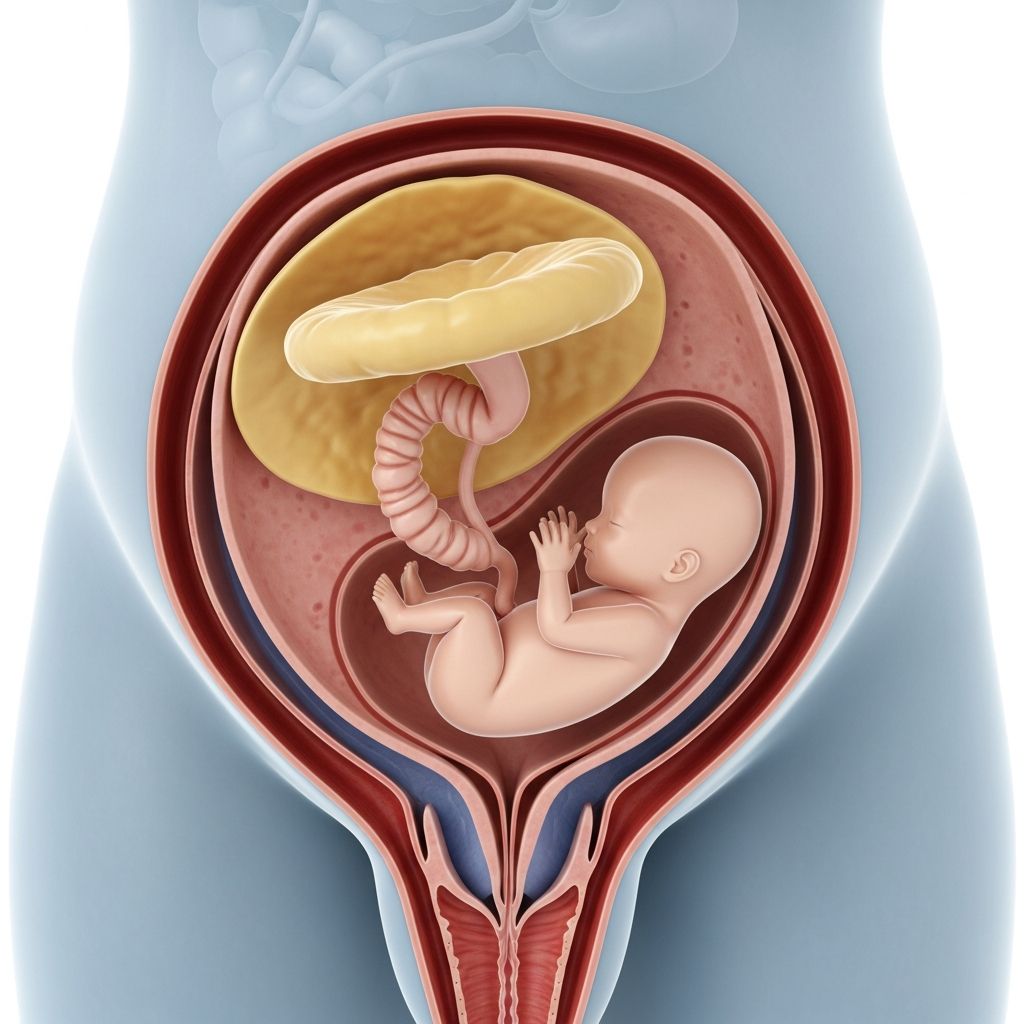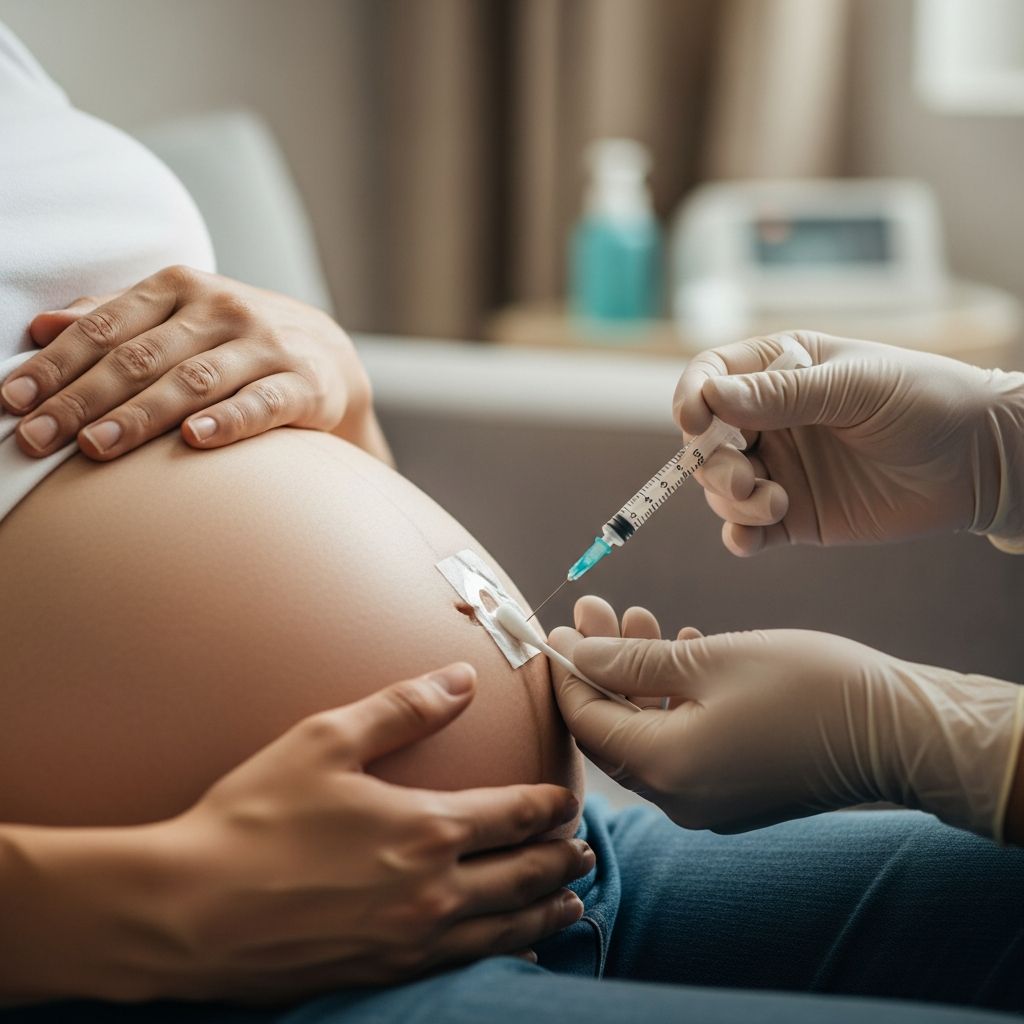
Some pregnant women are offered progesterone shots to help lower the chance of having their baby too early. Understanding what this treatment is, why it is used, and its potential limits and risks can help you make informed decisions together with your medical team.
Progesterone and Pregnancy: A Quick Overview
Progesterone is a hormone the body makes naturally. It plays essential roles in menstrual cycles, fertility, and pregnancy.
- Before pregnancy: Progesterone prepares the lining of the uterus so a fertilized egg can implant.
- Early pregnancy: It helps support the uterine lining and reduces contractions, creating a stable environment for the growing baby.
- Later in pregnancy: It continues to help keep the uterus relaxed until it is closer to time for labor.
Because of these effects, progesterone and progesterone-like medicines are sometimes used as treatments when doctors are worried about preterm birth (birth before 37 completed weeks of pregnancy).
What Are Progesterone Shots?
Progesterone shots used in pregnancy are usually a synthetic form of progesterone (called a progestin). One commonly used form has been hydroxyprogesterone caproate, given as a deep injection into a muscle (often the hip or thigh).
| Feature | Progesterone Shots in Pregnancy |
|---|---|
| Medicine type | Man-made progestin hormone (e.g., hydroxyprogesterone caproate) |
| How it is given | Injection into the muscle (intramuscular shot), usually once a week |
| Main goal | Help lower risk of preterm birth in certain high-risk pregnancies |
| Who gives it | A health care professional in a clinic or office setting |
These injections are different from progesterone that might be taken by mouth or used vaginally for other reasons, such as to help with fertility treatments or hormone therapy.
Why Might Progesterone Shots Be Offered?
Doctors focus on progesterone shots mainly for women who have an increased risk of spontaneous preterm birth. According to major medical references, hydroxyprogesterone caproate can be used to help lower the risk of another preterm birth in women who are
- currently pregnant with one baby, and
- have had a past spontaneous delivery before 37 weeks.
Preterm birth is a concern because babies born too early have a higher chance of health problems, such as breathing difficulties, feeding challenges, infections, and long-term learning or developmental issues. Lowering the risk of another early birth may help improve outcomes for both mother and baby.
Who Is Commonly Considered for Shots?
Your provider may discuss weekly progesterone shots if you:
- Previously gave birth spontaneously before 37 weeks of pregnancy.
- Are now pregnant with a single baby.
- Do not have other reasons for early delivery that require different treatments (for example, preeclampsia requiring early delivery).
Other risk factors for preterm birth (such as a short cervix or certain uterine problems) might be managed with different approaches, like vaginal progesterone, cervical cerclage, or close monitoring. These options depend on current evidence, local practice, and your individual situation.
How Progesterone Shots Are Given During Pregnancy
The exact schedule can vary, but reference guidance for hydroxyprogesterone injections describes a weekly dosing pattern during mid to late pregnancy.
Typical Timing and Frequency
- Start: Usually during the second trimester, often around 16–20 weeks of pregnancy, for women who qualify based on previous preterm birth.
- Continue: Injections are typically given once a week until around 36–37 weeks of pregnancy or until delivery, whichever comes first.
- Location: The shot is usually given in a large muscle, such as the buttock or hip; some protocols may allow the upper arm or thigh.
The medicine is oil-based, so injections can feel thicker and sometimes more uncomfortable than a typical vaccine. Careful injection technique can reduce soreness.
What to Expect at Each Visit
- A nurse or doctor confirms your identity and stage of pregnancy.
- The injection site is cleaned, and the medicine is injected slowly into the muscle.
- You might be watched briefly afterward, especially if it is one of your first doses.
- Some clinics may rotate sides (right/left) at each visit to reduce local irritation.
How Do Progesterone Shots Work to Help Prevent Early Birth?
Progesterone and related hormones are thought to help keep the uterus relaxed and the cervix stable. Medical sources describe hydroxyprogesterone caproate as a progestin that supports pregnancy-like hormonal conditions and lowers the likelihood of early uterine contractions and cervical changes in some high-risk women.
Key ways it may help include:
- Supporting the uterine lining, helping maintain the pregnancy environment.
- Opposing actions that promote contractions, which may delay the onset of labor.
- Balancing other hormones involved in preparing the body for birth.
It is important to know that progesterone shots do not guarantee that a baby will be born at term. They are one tool that may lower the risk of preterm birth in certain women, but some women receiving shots still deliver early, while others might carry to term without them.
Possible Side Effects and Risks
Like any medicine, progesterone injections can have side effects. References list both common local reactions and less common but more serious issues.
More Common, Usually Mild Effects
- Pain, swelling, or soreness where the shot is given.
- Redness or small lumps under the skin at the injection site.
- Mild headache or nausea.
- Occasional dizziness or fatigue around the time of the injection.
These effects often improve as the body gets used to the medicine, or with measures like warm compresses and rotating injection sites.
Less Common but Serious Concerns
You should contact your health care provider or seek urgent care if you notice any of the following signs after starting progesterone shots:
- Chest pain, trouble breathing, or coughing up blood (possible signs of a blood clot in the lungs).
- Sudden severe headache, vision changes, or weakness on one side (possible signs of a stroke or serious clot).
- Severe swelling, hives, or difficulty breathing shortly after a shot (possible allergic reaction).
- Yellowing of the skin or eyes or dark urine (possible liver problem).
People with a history of certain blood clotting disorders, liver disease, or hormone-sensitive cancers may not be good candidates for this type of therapy. Your doctor will review your personal and family medical history carefully before prescribing the injections.
Benefits and Limits of Progesterone Shots
Hydroxyprogesterone caproate has been used specifically to lower the risk of recurrent preterm birth in women with a prior spontaneous preterm delivery. Some studies suggested benefits, while other research raised questions about how strong and consistent the effect is. Because of this, recommendations may differ between regions and professional societies, and guidance is still evolving.
Potential Benefits
- May reduce the chance of another preterm birth in certain high-risk women.
- Might shift the timing of birth closer to term, which can improve short-term and long-term health outcomes for babies.
- Provides a structured weekly visit, which can increase monitoring and support during pregnancy.
Important Limitations
- Not all women who have had a preterm birth will benefit; some may not respond to the medicine.
- Does not address all causes of preterm birth, such as infection, severe preeclampsia, or major fetal health concerns.
- Evidence about long-term effects continues to be studied; recommendations may change as new research emerges.
Because of these complexities, many clinicians now weigh the pros and cons of progesterone shots on an individual basis, considering other preventive strategies and current guidelines.
Other Ways Progesterone Is Used in Reproductive Care
Progesterone is not only used during pregnancy to help prevent preterm birth. It appears in several other reproductive and hormonal treatments:
- Fertility treatments and IVF: Progesterone (given as injections or vaginal products) supports the uterine lining so an embryo can implant and grow; it is usually started around the time of egg retrieval and continued into early pregnancy if conception occurs.
- Menstrual and hormonal problems: Oral or injectable progesterone can treat abnormal uterine bleeding or absence of periods related to hormone imbalance.
- Menopausal hormone therapy: Progesterone is combined with estrogen to protect the uterine lining and reduce the risk of endometrial cancer in women who still have a uterus.
These uses may involve different doses, forms (pills, gels, suppositories, injections), and safety profiles than shots given in pregnancy to reduce preterm birth risk.
Questions to Ask Your Health Care Provider
If your doctor mentions progesterone shots during pregnancy, it can help to bring a list of questions to your visit. Consider asking:
- Why are you recommending progesterone shots for me specifically?
- What is my personal risk of another preterm birth without treatment?
- What benefits do you expect from these injections in my case?
- Are there alternatives for lowering my preterm birth risk? (for example, vaginal progesterone, cervical cerclage, lifestyle changes, closer monitoring)
- What side effects should I watch for, and when should I call you or go to the emergency department?
- How long would I need to continue the shots, and where will they be given?
- How does current research and guideline advice support this plan?
Bring up any previous blood clots, liver problems, or hormone-sensitive cancers in yourself or close relatives, as these may influence whether progesterone shots are appropriate for you.
Every Pregnancy Is Different
Being offered progesterone shots can be stressful, especially if you had a difficult previous birth. Remember that this treatment is just one part of a broader plan to support a healthy pregnancy. Your care team may also focus on:
- Careful monitoring of your cervix and baby’s growth.
- Screening for infections and treatment as needed.
- Managing chronic conditions such as high blood pressure or diabetes.
- Discussing nutrition, rest, and lifestyle factors that support pregnancy.
Ask questions until you feel you understand the potential benefits and drawbacks of progesterone shots in your particular situation. Shared decision-making—where you and your providers review the evidence and your values together—can help you feel more confident about your care.
Frequently Asked Questions (FAQs)
Are progesterone shots safe for my baby?
Large studies of hydroxyprogesterone caproate in women at risk for recurrent preterm birth have not shown clear evidence of major birth defects directly caused by the medicine, but research is ongoing. Your doctor will balance potential benefits against any theoretical risks based on the most up-to-date data.
Will I definitely reach full term if I get the shots?
No treatment can fully guarantee a term birth. Progesterone injections may lower the risk of preterm delivery for some high-risk women, but some still deliver early and some would have reached term even without treatment.
Are progesterone shots the same as IVF progesterone injections?
No. Both contain progesterone or progestins, but the doses, forms, and reasons for use differ. In IVF, progesterone supports implantation and very early pregnancy, while hydroxyprogesterone during pregnancy is aimed at reducing recurrent preterm birth risk.
Can I give the shots to myself at home?
Many protocols recommend that hydroxyprogesterone caproate injections be given by a health professional under medical supervision, though arrangements may vary. Ask your provider what options are available in your clinic or region.
What if I miss a weekly dose?
If you miss an appointment, contact your clinic as soon as possible. They will advise whether to reschedule quickly or adjust your schedule, depending on how many doses you have received and how far along the pregnancy is.
References
- Progesterone: MedlinePlus Drug Information — U.S. National Library of Medicine. 2023-09-15. https://medlineplus.gov/druginfo/meds/a604017.html
- Progesterone Injection | Hormone Therapy | PRC — Pacific Reproductive Center. 2022-04-01. https://www.pacificreproductivecenter.com/fertility-medications/progesterone/
- Progesterone: Uses, Interactions, Mechanism of Action — DrugBank. 2022-11-10. https://go.drugbank.com/drugs/DB00396
- Hydroxyprogesterone (injection route) — Mayo Clinic. 2022-10-01. https://www.mayoclinic.org/drugs-supplements/hydroxyprogesterone-injection-route/description/drg-20074807
- Progesterone (Prometrium) – Uses, Side Effects, and More — WebMD. 2023-08-05. https://www.webmd.com/drugs/2/drug-8005/progesterone-micronized-oral/details
- Progesterone Supplementation During IVF — American Society for Reproductive Medicine (ASRM). 2020-01-01. https://www.reproductivefacts.org/news-and-publications/fact-sheets-and-infographics/progesterone-supplementation-during-ivf/
- Progesterone 50 mg/mL Intramuscular Oil — Kaiser Permanente Drug Encyclopedia. 2023-05-20. https://healthy.kaiserpermanente.org/health-wellness/drug-encyclopedia/drug.progesterone-50-mg-ml-intramuscular-oil.221849