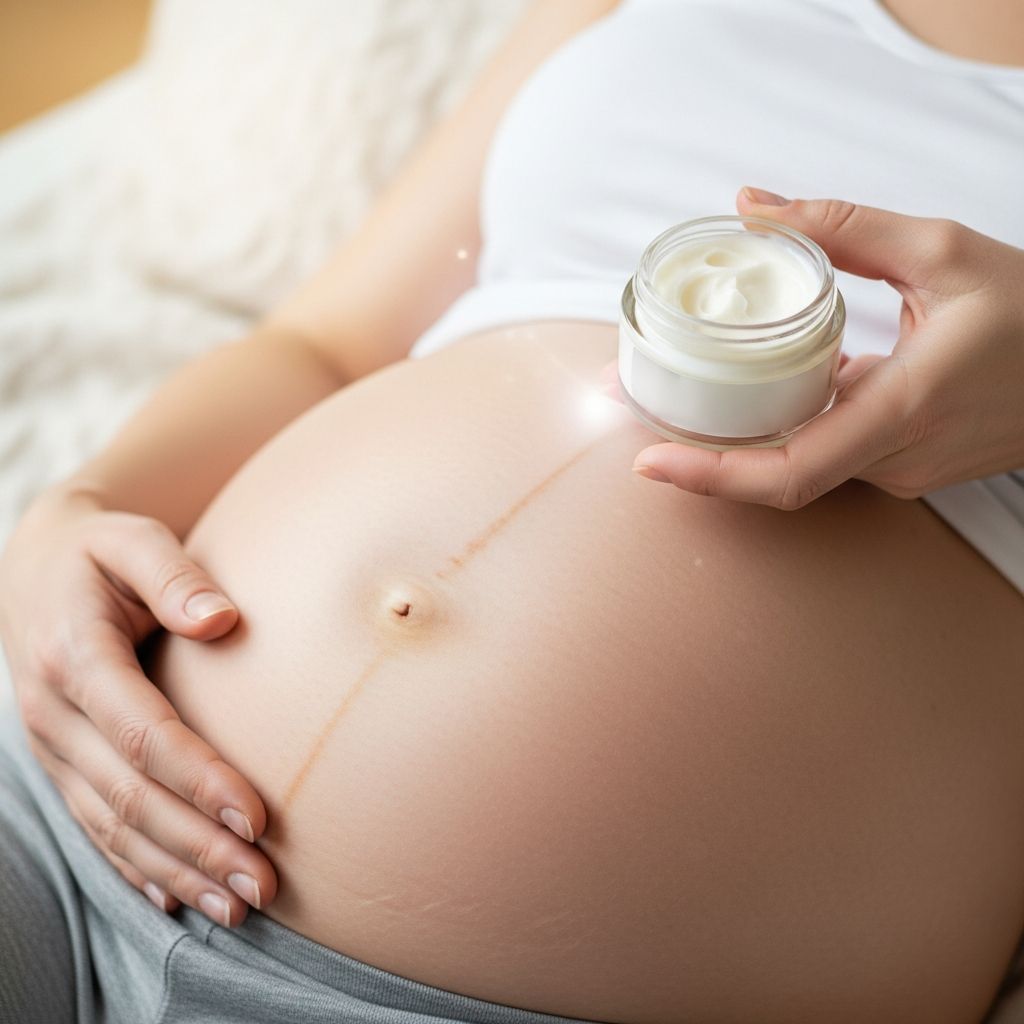
Stretch marks are one of the most common body changes during pregnancy, and for many expectant parents, they are also one of the most confusing. You will see shelves full of oils, balms, and butters promising to prevent or erase them—but what do we actually know from research, and how do you choose a safe, sensible routine?
This guide uses current evidence to explain what pregnancy stretch mark creams can and cannot do, how to support your skin from the inside out, and how to build a practical skincare routine that fits real life.
What Are Pregnancy Stretch Marks?
Stretch marks, known medically as striae gravidarum during pregnancy, are a form of dermal scarring that occurs when the skin stretches quickly and the deeper layers of the skin are disrupted. They are especially common on the belly, breasts, hips, thighs, and buttocks.
Why They Happen
- Rapid stretching of the skin as the belly and breasts grow.
- Hormonal changes that can weaken collagen and elastin fibers.
- Genetic factors that influence how your skin responds to stretching.
Early stretch marks usually appear as red, pink, or purple streaks. Over time, they generally fade to white or silvery lines but do not disappear completely.
Who Is More Likely to Get Them?
Research shows that between 50% and 90% of pregnant people develop stretch marks at some point during pregnancy. Factors that can increase the likelihood include:
- Family history of significant stretch marks
- Rapid or excessive weight gain during pregnancy
- Carrying multiples (twins, triplets, etc.)
- Being very young during pregnancy
There is no guaranteed way to prevent stretch marks entirely, but you can take steps to support your skin and reduce how prominent they may become.
Can Creams Really Prevent Pregnancy Stretch Marks?
One of the most important questions is whether topical creams and oils truly prevent stretch marks, or whether they mainly moisturize and improve comfort.
What the Evidence Says
A comprehensive review of randomized and quasi-randomized trials found no high-quality evidence that any specific topical preparation—cream, lotion, or ointment—clearly prevents pregnancy stretch marks compared with placebo or no treatment. In other words, while many products are marketed as preventive, strong scientific proof is limited.
However, experts and organizations focused on pregnancy health emphasize that hydrated, well-moisturized skin is more elastic and may better tolerate stretching. Even if creams do not fully prevent stretch marks, they can:
- Relieve tightness and itchiness as your skin stretches
- Support the skin barrier and reduce dryness
- Help you feel more comfortable and cared for during pregnancy
Setting Realistic Expectations
When you choose a pregnancy stretch mark cream, it is helpful to keep your expectations grounded:
- Most creams cannot fully stop stretch marks, especially if you have strong genetic or hormonal risk factors.
- Consistent moisturizing may help your skin feel better and possibly reduce how severe marks appear, particularly if started early.
- Long-term improvement often comes from a combination of habits—hydration, nutrition, gradual weight gain, and skin care—rather than one miracle product.
Building a Pregnancy-Safe Stretch Mark Skincare Routine
Instead of chasing a single “best cream,” think about a routine that supports your skin inside and out.
1. Hydrate Your Body and Your Skin
- Drink water regularly: Expert organizations note that adequate water intake helps maintain skin hydration and elasticity.
- Use a rich moisturizer or oil: Products that lock in moisture can help keep skin supple as it stretches.
- Apply after bathing: Use your cream or oil on slightly damp skin to trap in water.
2. Support Skin From the Inside
Your diet influences the collagen and elastin in your skin—the very fibers affected in stretch marks.
- Protein-rich foods support collagen formation.
- Vitamin C helps your body build collagen and acts as an antioxidant.
- Vitamin E, zinc, and other micronutrients also contribute to healthy skin structure.
Before adding supplements, talk with your prenatal care provider to make sure they are appropriate and safe for you.
3. Aim for Steady, Recommended Weight Gain
Public health and pregnancy organizations advise avoiding rapid or excessive weight gain because it can heighten skin stretching and increase the risk of stretch marks, along with other pregnancy complications. Your care provider can help you set a healthy weight-gain range based on pre-pregnancy BMI and other factors.
4. Keep Moving (With Medical Guidance)
Regular, pregnancy-safe exercise can support circulation, which in turn helps nourish your skin. Benefits include:
- Better blood flow to the skin, supporting elasticity
- More stable weight gain and muscle tone
- Improved mood, sleep, and overall wellbeing
Always confirm with your clinician what types and levels of activity are appropriate for your pregnancy.
Choosing a Pregnancy Stretch Mark Cream: Key Features
When you are browsing creams and oils, focus on ingredient safety, hydrating power, and what feels comfortable on your changing body.
Helpful Characteristics to Look For
- Deep moisturizers: Butters and oils (such as shea or plant oils) can help lock in moisture and reduce dryness.
- Humectants: Ingredients like hyaluronic acid draw water into the skin and may boost collagen production according to dermatology guidance.
- Gentle, fragrance-light formulas: Pregnant skin can be more sensitive, and strong fragrances can trigger nausea or irritation.
- Dermatologist-tested or OB-reviewed products: Especially useful if you have a history of eczema, allergies, or very sensitive skin.
Ingredients Many Dermatologists Consider
| Ingredient Type | Why It Is Used | Pregnancy Considerations |
|---|---|---|
| Hyaluronic acid | Attracts water and may support collagen production, improving skin plumpness. | Generally considered safe in topical form; avoid injectable forms during pregnancy unless advised by a clinician. |
| Plant oils (e.g., olive, almond, grapeseed) | Provide occlusion and emollient benefits, reducing transepidermal water loss. | Use cosmetic-grade products; patch-test if you have nut allergies. |
| Vitamin E | Antioxidant; supports skin barrier and may aid elasticity. | Topical use is generally considered safe; discontinue if you develop irritation. |
| Cocoa or shea butter | Rich emollients that soften and coat the skin, improving comfort. | Heavy textures can occasionally clog pores in acne-prone areas; use where you tend to feel driest. |
Ingredients to Question or Avoid
- High-dose retinoids (vitamin A derivatives): Prescription-strength topical retinoids are generally avoided in pregnancy because systemic vitamin A excess is linked with birth defects; most experts recommend skipping cosmetic retinoids during pregnancy unless directed by a physician.
- Strong exfoliating acids: High-concentration chemical peels or aggressive acids may overly irritate already stressed skin.
- Undiluted essential oils: Potent oils can provoke allergic skin reactions; some are not recommended in pregnancy. If included, they should be used at pregnancy-safe dilutions and ideally under professional advice.
How and When to Use Stretch Mark Creams
Consistency matters more than the specific brand you choose. To get the most from your product:
Timing and Frequency
- Start early: Many experts recommend beginning regular moisturizing in the first trimester and continuing after birth as the skin returns toward its previous size.
- Apply at least once or twice daily: Morning and evening applications help keep the skin continuously hydrated.
- Use more often if very dry or itchy: Short, gentle applications after bathing can be especially soothing.
Application Tips
- Use gentle, circular motions on the belly, hips, thighs, breasts, and any other areas that feel tight.
- Give yourself a few extra minutes to massage the cream in; massage itself may improve local circulation.
- Apply to clean, slightly damp skin for best absorption and barrier support.
Beyond Creams: Longer-Term Options for Stretch Mark Appearance
Even with the best routine, many people will still develop stretch marks. For those who feel very distressed by their appearance after pregnancy, dermatology clinics offer additional treatments.
Professional Treatments (Usually After Pregnancy)
- Laser therapies: Various laser types can target redness and stimulate collagen to improve the look of stretch marks.
- Radiofrequency devices: These aim to promote new collagen and elastin in deeper skin layers, gradually tightening tissue.
- Microneedling and combination approaches: Performed by trained professionals to remodel scar-like tissue and enhance texture.
These options are generally deferred until after pregnancy and breastfeeding, and they should always be discussed with a board-certified dermatologist.
Emotional Side of Stretch Marks
Stretch marks carry emotional weight for many people. Cultural pressure for a “flawless” postpartum body can make normal skin changes feel like personal failures, even though they are not.
- It may help to remember that stretch marks are a normal physical record of growth, not a sign that you did something wrong.
- Focusing your cream routine as a self-care ritual—rather than a fight against your body—can make the experience more positive.
- If your feelings about your changing body are overwhelming, speaking with a mental health professional experienced in perinatal care can be very supportive.
Frequently Asked Questions (FAQs)
Q: Is there any cream that is proven to guarantee no stretch marks?
A: Current research has not identified any topical cream, lotion, or oil that can reliably prevent stretch marks in all pregnant people. Moisturizing products can improve comfort and may lessen severity, but genetics, hormones, and weight gain patterns still play major roles.
Q: When should I start using a pregnancy stretch mark cream?
A: Many experts suggest starting a simple, fragrance-light moisturizer or oil early in pregnancy—often in the first trimester—and continuing daily throughout pregnancy and into the postpartum period. Early, consistent hydration can help skin cope better with stretching.
Q: Are stretch mark creams safe while breastfeeding?
A: Most basic moisturizers and plant-oil-based products are considered compatible with breastfeeding, but avoid applying them directly to the nipple and areola unless the product is specifically labeled safe for nursing. If you are unsure about an ingredient, ask your clinician or a lactation consultant.
Q: Can losing pregnancy weight make stretch marks disappear?
A: Stretch marks typically fade in color over months to years, becoming less noticeable, but they do not vanish completely. Healthy, gradual weight loss after pregnancy, combined with ongoing skin care, may help them appear softer, but the underlying scar-like change in the dermis remains.
Q: I already have older, white stretch marks. Will creams help them?
A: Once stretch marks have matured and turned pale, creams can still improve skin softness and comfort, but they are less likely to significantly change the marks themselves. More intensive options—such as laser or radiofrequency treatments—may be considered with a dermatologist if the marks cause substantial distress.
References
- How to Prevent Stretch Marks — American Pregnancy Association. 2024-01-15. https://americanpregnancy.org/healthy-pregnancy/pregnancy-concerns/prevent-pregnancy-stretchmarks/
- Pregnancy Stretch Marks: 5 Natural Ways to Prevent and Diminish Their Appearance — ATTITUDE Living. 2023-07-10. https://attitudeliving.com/blogs/lifestyle/pregnancy-stretch-marks-5-natural-ways-to-prevent-and-diminish-their-appearance
- Topical preparations for preventing stretch marks in pregnancy — Mukhopadhyay A, et al., Cochrane Database of Systematic Reviews. 2012-11-14. https://pmc.ncbi.nlm.nih.gov/articles/PMC10001689/
- Can You Prevent Pregnancy Stretch Marks? — TheBump.com. 2023-03-22. https://www.thebump.com/a/preventing-pregnancy-stretch-marks
- Tips on preventing stretch marks for expectant mothers — Chinese Center for Disease Control and Prevention. 2023-06-09. https://en.chinacdc.cn/health_topics/maternal_child_healthcare/202306/t20230609_266646.html
- How to Prevent Stretch Marks: 7 Tips — Healthline. 2023-05-17. https://www.healthline.com/health/how-to-prevent-stretch-marks
- How Do You Heal Pregnancy Stretch Marks? — Bayou City Dermatology. 2022-10-03. https://www.bayoucitydermatology.com/post/how-do-you-heal-pregnancy-stretch-marks