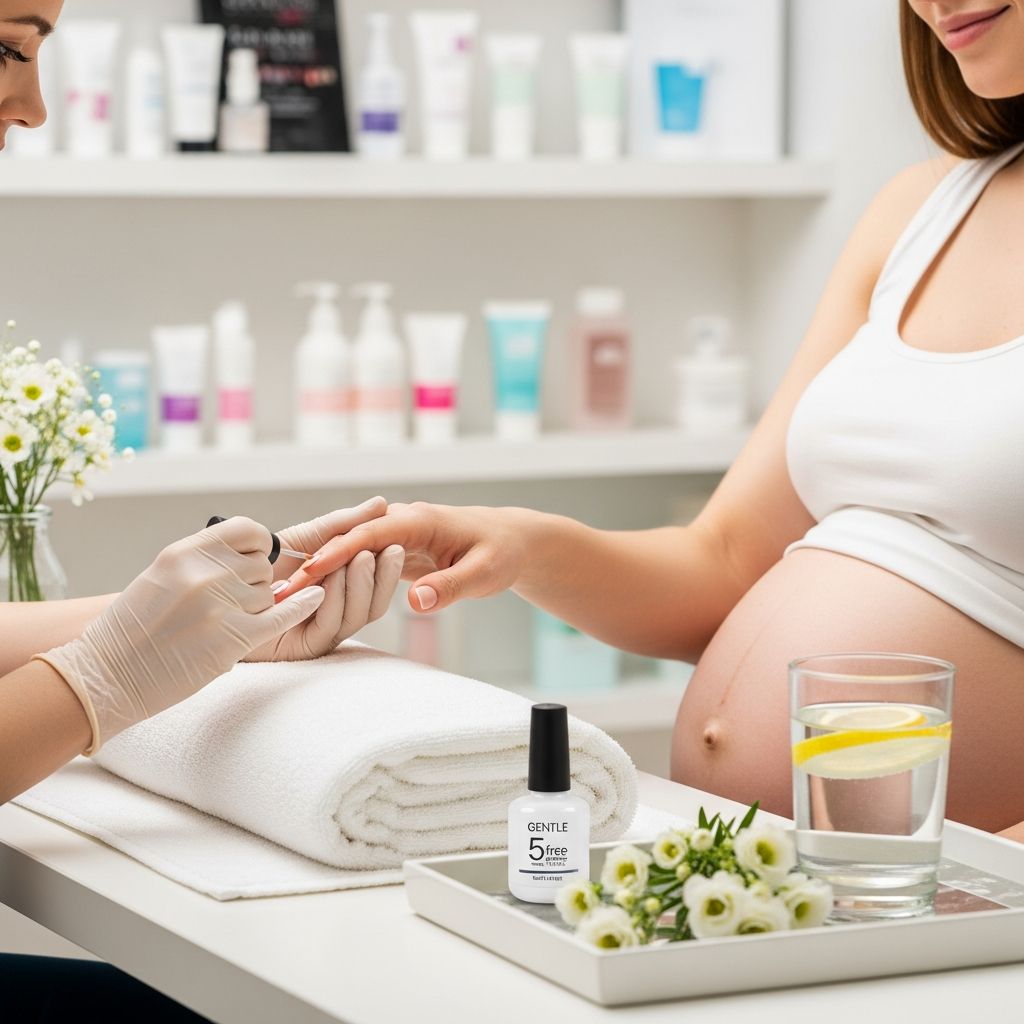
Pregnancy does not mean saying goodbye to polished nails. With the right information and a few smart choices, it is possible to enjoy colorful, glossy manicures while minimizing exposure to ingredients that raise concern for many expectant parents.
This guide explains what makes nail polish more pregnancy-friendly, which ingredients to watch for, how to create safer manicure habits at home or in the salon, and answers to the most common questions about nail care while expecting.
Why Nail Polish Safety Matters More in Pregnancy
During pregnancy, the body processes chemicals differently, and many people become more cautious about everyday products. Nail polish and remover can contain solvents, resins, and plasticizers that contribute to strong fumes and potential irritation. Even though typical use is considered low-risk by many experts, limiting unnecessary exposure is a reasonable, proactive step.
Choosing more pregnancy-conscious nail products is less about panic and more about stacking the odds in favor of comfort, reduced irritation, and peace of mind throughout each trimester.
Understanding Basic Nail Polish Chemistry
To make informed choices, it helps to understand what is usually inside a bottle of nail polish. Conventional formulas typically combine color pigments, film-forming agents that create a hard layer on the nail, plus solvents and plasticizers that help the polish glide on smoothly and resist chipping.
Some of these components have been scrutinized for potential health or environmental concerns, leading to the rise of polishes that remove selected ingredients and market themselves as “free-from” formulas.
Key Ingredients Commonly Avoided in Pregnancy
Many pregnancy-safe or low-tox formulas focus on reducing or eliminating a specific group of ingredients. While occasional exposure is not the same as high-level or occupational exposure, understanding common red-flag components can help guide more mindful shopping decisions.
Frequently Questioned Ingredients
- Formaldehyde: Traditionally used as a hardening agent and preservative in some nail products; it is also a known irritant for skin and respiratory passages.
- Toluene: A solvent that helps polish flow and level, but is associated with strong fumes and can cause headaches or dizziness with higher inhalation exposure.
- Dibutyl phthalate (DBP): A plasticizer used to enhance flexibility and durability of polish that has raised concerns as a potential endocrine disruptor in some studies.
- Formaldehyde resin: A derivative used in certain nail products that may trigger allergic reactions in some people with sensitive skin.
- Camphor: A fragrance and shine-boosting ingredient that, in higher concentrations, can contribute to headaches or irritation for some individuals.
The goal is not to fear every chemical, but to recognize that many brands now provide options without these ingredients, allowing pregnant users to choose polishes formulated with a more conservative ingredient profile.
What Do “3-Free”, “7-Free” and “10-Free” Really Mean?
The term “free-from” has become standard on nail polish labels, but it is not formally regulated in the same way that drug claims are. Different brands may define these labels slightly differently, yet there are some general patterns in how the most common claims are used.
| Label | Often Excludes | What It Suggests |
|---|---|---|
| 3-free | Formaldehyde, toluene, DBP | Removes the most frequently questioned trio of ingredients. |
| 5-free | 3-free ingredients plus formaldehyde resin and camphor | Further reduces potential irritants found in some older formulas. |
| 7-free | 5-free list plus two additional ingredients (varies by brand) | Expands the list of excluded resins or plasticizers. |
| 10-free (and beyond) | 7-free list plus several other solvents, plasticizers, or dyes | Markets itself as very low-tox or more eco-conscious. |
Because definitions can differ, it is important to skim the actual ingredient list instead of relying solely on a marketing phrase. However, higher “free-from” numbers generally signal a formula that removes a broader range of controversial components.
Is Regular Nail Polish Automatically Unsafe in Pregnancy?
For most healthy adults, occasional use of traditional nail polish is not considered a major exposure source compared with occupational, heavy, or intentional misuse of solvents. Many medical and toxicology resources note that typical manicure routines at home are unlikely to reach exposure levels associated with clear harm.
That said, many expectant parents still prefer to minimize strong fumes, skin irritation, and unnecessary chemical contact where reasonable. Choosing more modern, low-odor formulas, improving ventilation, and limiting how often polish is applied are practical steps that can lower exposure without sacrificing every favorite shade.
How to Choose a More Pregnancy-Friendly Nail Polish
Selecting a product that feels safe and satisfying becomes much easier with a simple checklist. The aim is to combine label reading with realistic expectations, recognizing that no consumer product can be entirely risk-free, yet many can be used calmly and comfortably.
Simple Selection Checklist
- Look for brands that clearly state they are free from at least the traditional trio of formaldehyde, toluene, and DBP.
- Favor polishes marketed as 5-free, 7-free, or 10-free if you want a longer list of excluded ingredients.
- Choose low-odor or fragrance-light options if strong smells trigger nausea or headaches during pregnancy.
- Consider water-based or plant-based polishes if you prefer a very gentle option and do not mind potentially shorter wear.
- Check for cruelty-free and vegan labels if those ethical factors matter to you in addition to safety.
Balancing performance, color range, price, and ingredient profile will help narrow down a list of brands that fit both aesthetic and safety preferences.
Safer Nail Polish Remover Choices
Remover is often the strongest-smelling part of nail care, and pregnancy can heighten sensitivity to those fumes. Traditional acetone-based removers work quickly but may dry the nails and surrounding skin and produce an intense odor.
Gentler alternatives include acetone-free formulas and soy-based or oil-enriched removers. These versions may take slightly longer to dissolve the color, yet they can be less drying and more comfortable to use in smaller, well-ventilated spaces.
Home Manicure Habits for Expectant Parents
Behavior matters as much as the product inside the bottle. A moderate, thoughtful approach to manicures can significantly cut down on inhalation, skin contact, and general discomfort associated with nail products.
Practical Safety Tips at Home
- Polish and remove color in a room with open windows or a fan to encourage fresh air circulation.
- Avoid eating or drinking while painting nails to reduce chances of accidental ingestion or hand-to-mouth transfer of product.
- Wipe away spills promptly and wash hands thoroughly after finishing your manicure or pedicure.
- Limit reapplication to when it is truly wanted rather than constantly keeping nails coated.
- Store nail products out of reach of children and away from heat sources.
These simple habits complement ingredient-conscious choices and keep your manicure time feeling more like self-care and less like a source of worry.
Salon Visits: How to Advocate for Yourself
Many pregnant clients continue to enjoy professional manicures and pedicures. The key is to communicate needs clearly and observe basic hygiene and ventilation practices to keep the experience comfortable.
Questions to Ask and Points to Check
- Ask if the salon offers low-odor or “free-from” polishes and if you can bring your own brand if preferred.
- Request a seat away from strong-smelling services like acrylics or gel removals if the fumes feel overwhelming.
- Check that tools are disinfected properly and that footbaths are cleaned between clients.
- Speak up if you feel dizzy, nauseated, or uncomfortable, and step outside for fresh air if needed.
- Schedule appointments during less busy hours when the salon’s air may be clearer and quieter.
Establishing a relationship with a technician who respects your preferences can make regular, pregnancy-safe salon visits both relaxing and reassuring.
Nail Health Changes During Pregnancy
Pregnancy hormones can change the texture, growth rate, and strength of nails. Some people notice faster-growing, stronger nails, while others see peeling, ridging, or increased brittleness.
Ensuring a balanced diet, staying hydrated, and avoiding overly aggressive buffing or filing can support nail health. Short, neatly shaped nails with gentle cuticle care often feel most manageable during this time.
Non-Polish Ways to Pamper Your Hands and Feet
Even if you decide to polish less often, there are many ways to enjoy a grooming routine that feels indulgent and soothing. Focusing on skin and nail health can also create a smoother canvas for polish when you do decide to use it.
- Use a rich, fragrance-light hand and foot cream to massage tired fingers, arches, and heels.
- Wear cotton gloves or socks over moisturizer at night to lock in hydration.
- Soak hands or feet in warm water with a mild, pregnancy-safe soak instead of harsh scrubs.
- Gently push back, rather than cut, cuticles to avoid irritation and small cuts.
These rituals can feel just as uplifting as a fresh coat of color and can be continued after the baby arrives as quick self-care moments.
Myths and Misconceptions About Nail Polish in Pregnancy
Information about beauty products in pregnancy can be confusing, and myths spread quickly. One common misconception is that any amount of nail polish is automatically dangerous; in reality, occasional use with sensible precautions is generally considered compatible with a healthy pregnancy.
Another myth is that only completely natural or organic products are acceptable. While many people prefer these options, the safety of a product depends on both its ingredient profile and how it is used, not only on a marketing label.
When to Seek Professional Advice
Every pregnancy is unique. If you have underlying medical conditions, work in an environment with frequent or heavy chemical exposure, or have experienced allergic reactions to nail products in the past, discuss your situation with a healthcare provider.
A clinician or midwife familiar with your health history can offer personalized guidance that complements general nail-care recommendations and helps you feel confident in your choices.
FAQs: Pregnancy and Nail Polish
1. Can I paint my nails in the first trimester?
Yes, many people continue to paint their nails during the first trimester, but it is wise to choose lower-fume, free-from formulas and ensure good ventilation. If nausea or sensitivity to smells is strong at this stage, shorter, less frequent manicures may feel more comfortable.
2. Is gel polish safe during pregnancy?
Gel polish adds extra factors such as longer exposure to solvents, more intensive removal steps, and use of curing lamps. Some pregnant clients continue to use it, but others prefer to pause or switch to regular polish to avoid prolonged exposure and to reduce the need for aggressive soaking or filing.
3. What about acrylic nails while expecting?
Acrylic systems often involve strong odors and fine dust created during filing. Those who choose acrylics in pregnancy should pay close attention to ventilation and consider wearing a simple dust mask if a technician is using an electric file. Many expectant parents opt for shorter, natural nails or basic polish as an easier, lower-fume alternative.
4. Do nail polish chemicals reach the baby?
Typical, occasional manicures use relatively small amounts of product, and a large portion of the perceived exposure is through brief inhalation of fumes that quickly dissipate. While no cosmetic routine can be guaranteed completely risk-free, using polish sparingly, improving ventilation, and choosing free-from formulas can reduce potential exposure to a very low level.
5. Can I paint my nails right before labor or a scheduled birth?
Policies vary by hospital or birth center, and some facilities prefer nails without heavy polish or acrylics so that oxygen levels can be assessed accurately. Check with your provider in advance; if bright polish is discouraged, consider a sheer, neutral color or a focus on moisturized, neatly shaped nails instead.
6. Is it safe to use quick-dry sprays or drops?
Quick-dry products may contain additional solvents or silicones to accelerate drying time. They are often used sparingly, but if strong odors are bothersome, you can skip them and allow extra drying time, or choose top coats that are part of free-from product lines.
7. Should I wear a mask when painting my nails?
A simple mask can help reduce inhalation of dust or fumes, especially if you feel particularly sensitive during pregnancy. However, air flow and product choice matter more; using low-odor products in a well-ventilated space usually provides significant benefit on its own.
Balancing Style and Safety While Expecting
Pregnancy-safe nail care is about striking a balance between self-expression and sensible caution. Colorful nails can remain part of your routine when combined with thoughtful ingredient choices, better ventilation, gentler removers, and realistic expectations about frequency.
By approaching manicures as one small aspect of an overall healthy lifestyle, you can enjoy the confidence of polished hands and feet while still prioritizing the well-being of both you and your baby.