Expecting mothers often experience intense food cravings, and seafood like crab can provide essential nutrients for fetal development. This article presents a simple, safe crab cake recipe tailored for pregnancy, emphasizing proper cooking to eliminate risks like listeria and toxoplasmosis. Drawing from authoritative health guidelines, we’ll explore nutritional advantages, preparation techniques, and broader food safety practices.
Why Seafood Matters in Prenatal Diets
Seafood supplies vital omega-3 fatty acids, such as DHA, crucial for baby’s brain and eye development. The Dietary Guidelines recommend 8-12 ounces of low-mercury seafood weekly for pregnant women. Crab fits perfectly as a low-mercury option rich in protein, vitamin B12, and selenium, supporting maternal energy and immune function.
However, pregnancy heightens susceptibility to foodborne illnesses due to hormonal changes that slow digestion, allowing bacteria like Listeria to thrive. Listeria can cross the placenta, potentially causing miscarriage or preterm birth. Thorough cooking renders crab safe by reaching internal temperatures that kill pathogens.
Essential Food Safety Rules for Pregnant Women
Pregnant individuals must prioritize hygiene and cooking standards. Key practices include:
- Washing hands thoroughly before handling food and after touching raw seafood.
- Using separate cutting boards for raw and cooked items to prevent cross-contamination.
- Storing raw crab in the fridge at or below 40°F and cooking promptly.
- Avoiding refrigerated smoked seafood unless heated to 165°F in a dish.
Cook shellfish like crab until the flesh is pearly white and opaque, targeting 145°F internally. These steps align with CDC and FDA recommendations to protect both mother and baby.
Ingredients for Pregnancy-Safe Crab Cakes
This recipe serves 4, yielding 8 crab cakes. It uses pasteurized ingredients and focuses on fresh, fully cooked components.
| Ingredient | Quantity | Pregnancy Benefit |
|---|---|---|
| Lump crab meat (fresh or pasteurized canned, drained) | 1 lb | High protein, low mercury omega-3 source |
| Panko breadcrumbs (plain) | 1 cup | Gluten-free option available; adds structure |
| Egg (pasteurized, large) | 1 | Binds mixture; pasteurized to avoid salmonella |
| Mayonnaise (store-bought, pasteurized) | 1/4 cup | Moisture without raw egg risk |
| Dijon mustard | 2 tbsp | Flavor enhancer, low sodium |
| Fresh parsley, chopped | 2 tbsp | Vitamin K for blood clotting |
| Old Bay seasoning | 1 tsp | Sodium-controlled spice blend |
| Lemon juice (fresh) | 1 tbsp | Vitamin C boost for iron absorption |
| Vegetable oil (for frying) | 1/4 cup | Heart-healthy oils preferred |
Select sustainably sourced crab from reputable markets. Avoid pre-made seafood salads, which pose listeria risks.
Step-by-Step Preparation Guide
- Prep the crab: Gently pick through crab meat to remove shells, pat dry with paper towels. This prevents excess moisture that could make cakes soggy.
- Mix gently: In a large bowl, combine crab, breadcrumbs, egg, mayonnaise, mustard, parsley, Old Bay, and lemon juice. Fold with a spatula to keep lumps intact—overmixing breaks the delicate texture.
- Chill: Form into 8 patties (about 1/2 cup each). Refrigerate 30 minutes to firm up, aiding even cooking.
- Cook thoroughly: Heat oil in a skillet over medium heat. Fry patties 4-5 minutes per side until golden brown and internal temperature hits 165°F. Use a food thermometer for safety. Drain on paper towels.
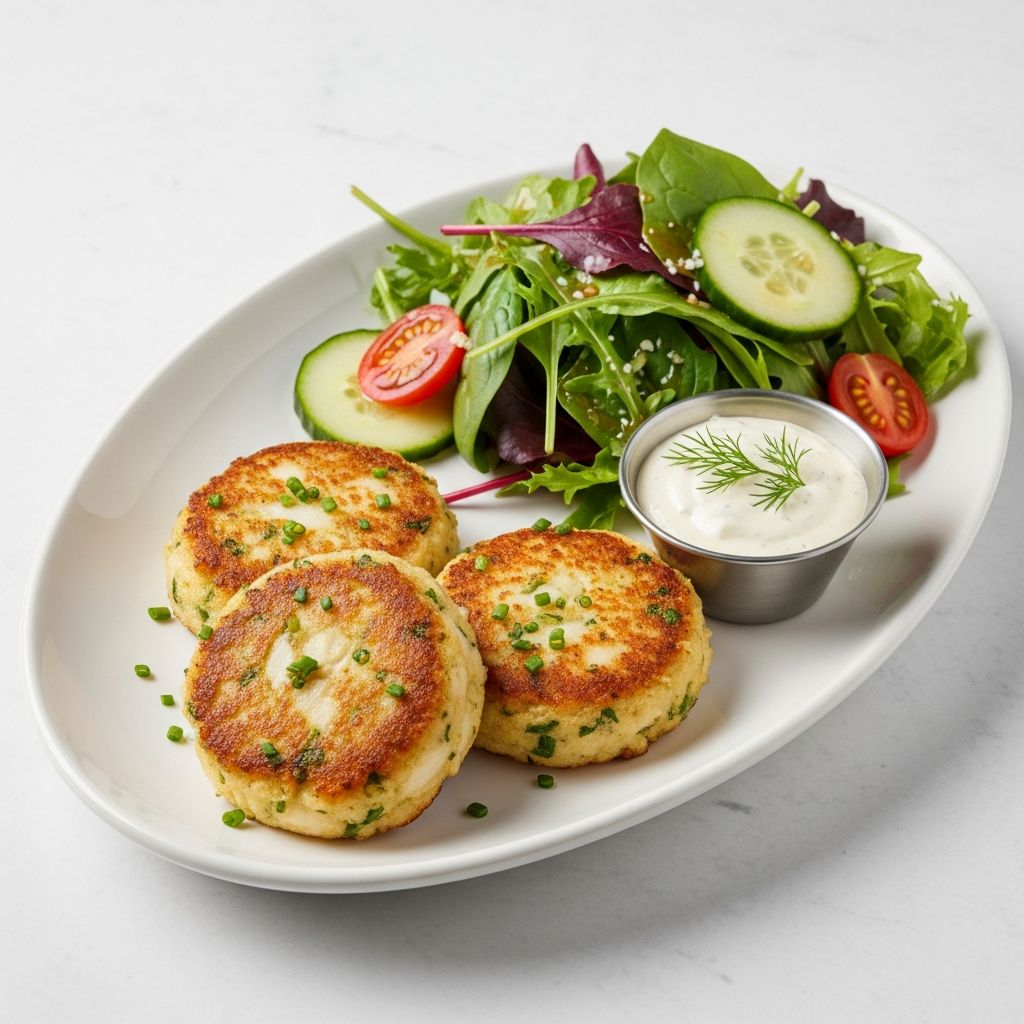
- Serve safely: Pair with a side salad of washed greens and lemon wedges. Consume immediately or reheat leftovers to 165°F.
Total time: 45 minutes. This method ensures crab is fully cooked, opaque, and safe.
Nutritional Profile Per Serving (2 Cakes)
| Nutrient | Amount | % Daily Value (Pregnant Women) |
|---|---|---|
| Calories | 280 | 14% |
| Protein | 22g | 44% |
| Omega-3s (DHA/EPA) | 200mg | 17% of recommendation |
| Iron | 1.5mg | 8% |
| Vitamin B12 | 5mcg | 179% |
| Sodium | 650mg | 28% (monitor intake) |
These crab cakes contribute significantly to prenatal needs without exceeding mercury limits.
Customizations and Serving Ideas
Adapt for dietary needs:
- Gluten-free: Use gluten-free panko.
- Air fryer option: Spray patties and cook at 400°F for 10-12 minutes, flipping halfway. Ensures even cooking with less oil.
- Baked version: Place on a parchment-lined sheet, bake at 450°F for 15-20 minutes until 165°F internally.
- Flavor twists: Add bell peppers or celery for crunch; limit to pregnancy-safe amounts.
Serve atop mixed greens with yogurt-based remoulade (pasteurized yogurt). Avoid raw toppings like unwashed herbs.
Common Pitfalls and How to Avoid Them
- Undercooking: Always verify 165°F to kill bacteria.
- Cross-contamination: Clean surfaces post-prep.
- Storage errors: Refrigerate leftovers within 2 hours; discard after 3-4 days.
- Mercury concerns: Crab is safe; rotate with salmon or shrimp weekly.
Broader Pregnancy Nutrition Context
Beyond crab cakes, focus on balanced meals. Include pasteurized dairy for calcium, fully cooked meats for iron, and washed produce for fiber. Avoid unpasteurized juices, raw sprouts, and deli meats unless steaming hot. Hydrate well and consult healthcare providers for personalized advice.
Studies show proper nutrition reduces risks like gestational diabetes and supports birth weight. Seafood’s role is pivotal, but safety first.
Frequently Asked Questions
Can pregnant women eat crab meat?
Yes, cooked lump crab is safe and recommended for its nutrients. Avoid raw or undercooked forms.
What temperature should crab cakes reach?
Internal temperature of 165°F to ensure safety from listeria and other pathogens.
Is canned crab okay during pregnancy?
Pasteurized canned crab is safe; drain and cook thoroughly in recipes.
How often can I eat these crab cakes?
2-3 servings weekly as part of 8-12 oz low-mercury seafood intake.
Are there substitutes for eggs?
Use pasteurized egg whites or flaxseed meal for binding in vegan adaptations.
Expert Tips for Craving Management
Cravings signal nutritional needs—protein for crab aligns with growth demands. Track intake via apps, and pair with whole grains for sustained energy. If nausea persists, opt for baked over fried versions.
Empower your pregnancy with informed choices. This recipe bridges enjoyment and safety, letting you savor flavors worry-free.
References
- Food Safety Risks for Pregnant Women — Academy of Nutrition and Dietetics. 2023. https://www.eatright.org/health/pregnancy/prenatal-nutrition/food-safety-risks-for-pregnant-women
- Safer Food Choices for Pregnant Women — Centers for Disease Control and Prevention (CDC). 2024-10-01. https://www.cdc.gov/food-safety/foods/pregnant-women.html
- Foods to avoid in pregnancy — National Health Service (NHS). 2024. https://www.nhs.uk/pregnancy/keeping-well/foods-to-avoid/
- Pregnancy nutrition: Foods to avoid during pregnancy — Mayo Clinic. 2024-08-15. https://www.mayoclinic.org/healthy-lifestyle/pregnancy-week-by-week/in-depth/pregnancy-nutrition/art-20043844
- Food safety in pregnancy — The Royal Women’s Hospital. 2024-08-16. https://thewomens.r.worldssl.net/images/uploads/fact-sheets/Food-safety-in-pregnancy_240816.pdf
- People at Risk: Pregnant Women — Partnership for Food Safety Education (FoodSafety.gov). 2024. https://www.foodsafety.gov/people-at-risk/pregnant-women
- Food Safety for Pregnant Women and Their Unborn Babies — U.S. Food and Drug Administration (FDA). 2023. https://www.fda.gov/food/people-risk-foodborne-illness/food-safety-booklet-pregnant-women-their-unborn-babies-and-children-under-five