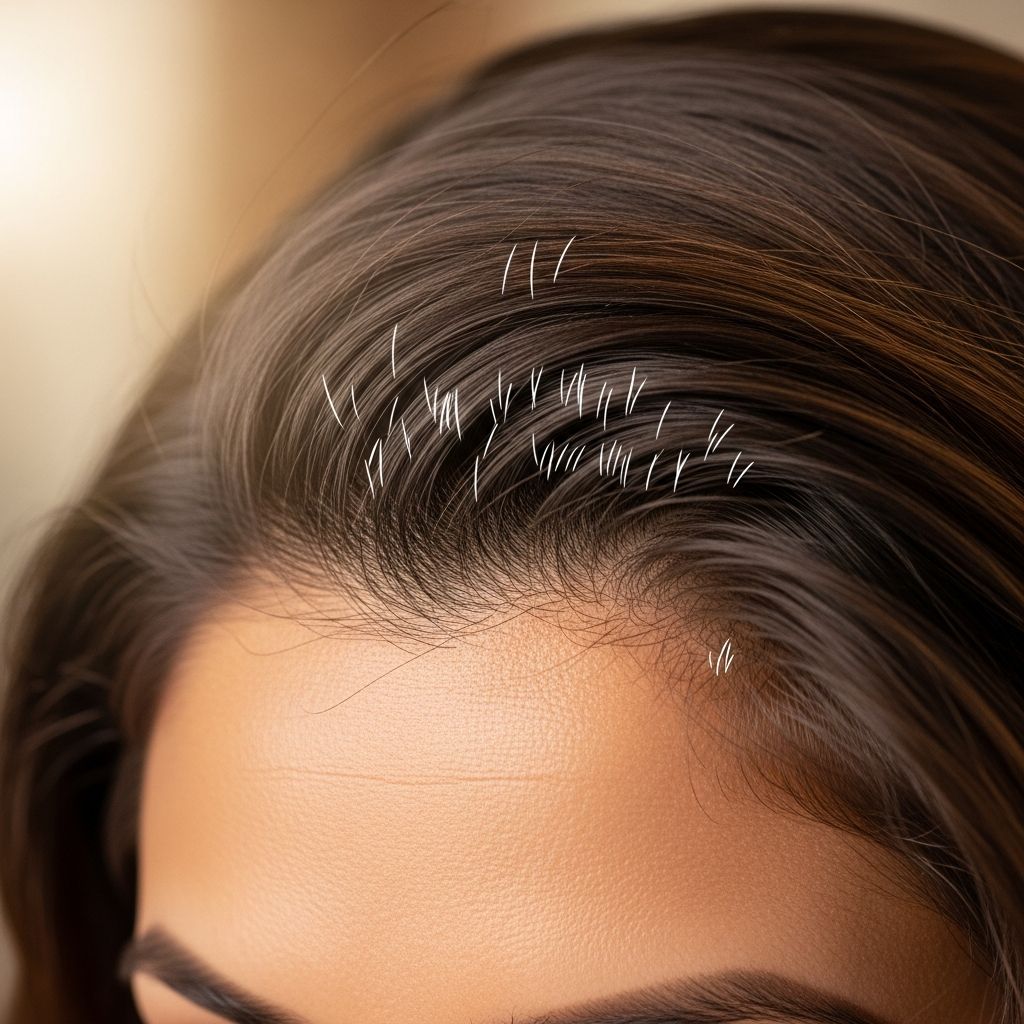
Many new parents are startled when their once-full pregnancy hair starts coming out in handfuls a few months after birth. Postpartum hair shedding and regrowth can feel alarming, but it is usually temporary, common, and manageable with the right information and care.
Why Your Hair Acts So Different After Baby
To understand what is happening on your head, it helps to know that each hair grows in a cycle. There is a long growth phase, a short transition phase, a resting phase, and finally shedding before a new hair begins. Pregnancy and the months after birth shift this cycle dramatically.
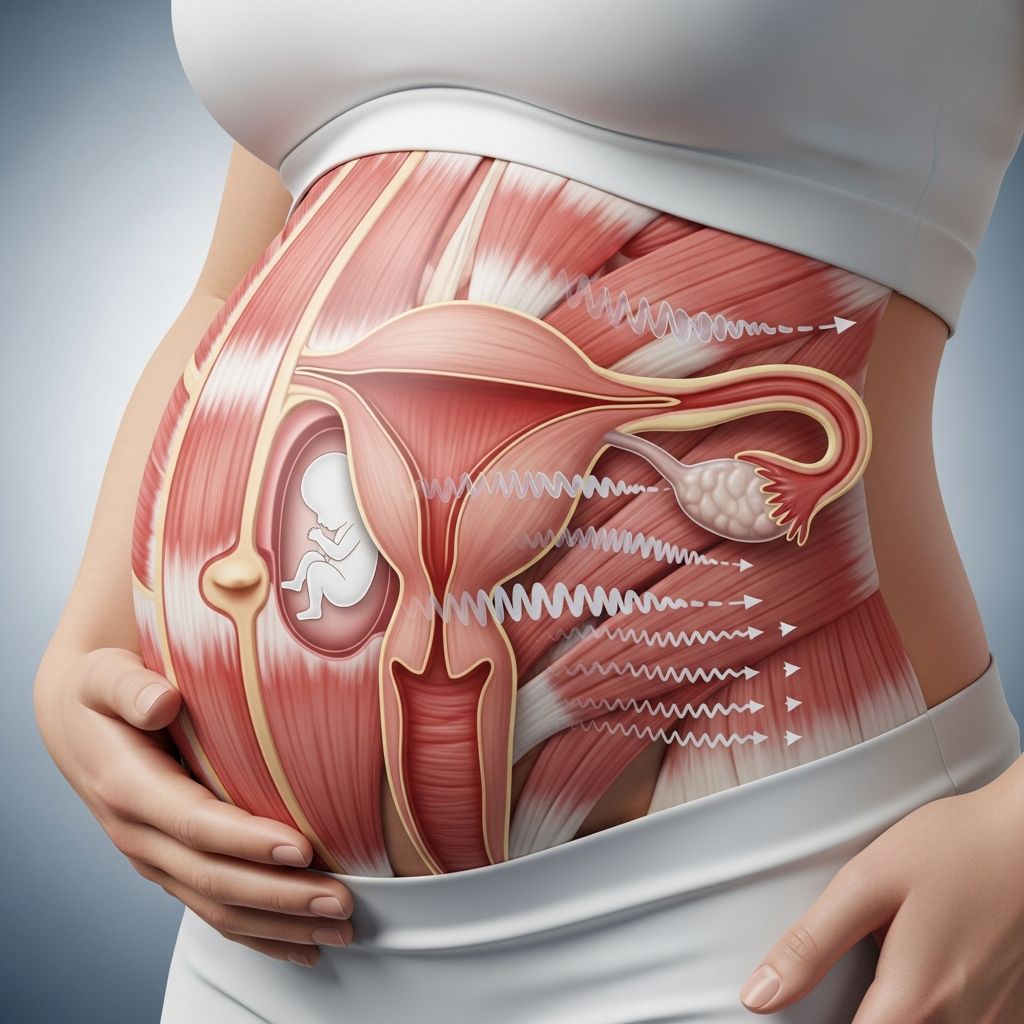
During pregnancy, higher levels of hormones such as estrogen often keep more hairs in the growth phase at the same time, so shedding slows down and hair may feel thicker, smoother, and more abundant. After delivery, hormone levels drop and many of those hairs move together into the resting and shedding phases, producing a wave of hair fall that can seem sudden and extreme.
Typical Timeline of Postpartum Shedding and Regrowth
Every body is different, but there are some common patterns in when shedding starts, peaks, and gradually settles. Knowing a general timeline can make the process less scary and more predictable.
| Time After Birth | What You May Notice |
|---|---|
| 0–2 months | Hair still looks similar to late pregnancy; minimal extra shedding. |
| 3–4 months | Sudden increase in hair fall, especially in the shower, on pillows, and in hairbrushes. |
| 5–6 months | Shedding often feels heaviest; hair may look noticeably thinner at the part and hairline. |
| 7–9 months | Shedding usually begins to slow; short new hairs may appear around the temples and hairline. |
| 10–12+ months | Regrowth continues; volume gradually improves, though texture and thickness may not match pre-pregnancy hair. |
Some people see barely any noticeable change, while others experience dramatic thinning, especially around the temples or along the front hairline. The intensity can vary between pregnancies for the same person as well, so your second or third postpartum experience may not match your first.
Common Postpartum Hair Regrowth Oddities
Once new hair starts returning, it does not always grow in quietly. Instead, regrowth can bring an entire cast of unexpected textures, shapes, and patterns. These changes are usually harmless but may be surprising when you first notice them in the mirror.
- Fine “baby bangs” at your hairline: Short, soft little hairs often sprout along the forehead and temples. They can make styling tricky but are a visible sign that your scalp is actively producing new hair.
- Uneven layers of regrowth: Because hairs fall and regrow at different times, you may see multiple lengths growing in together, creating a halo of flyaways or thicker patches in certain areas.
- Texture shifts: Hair that was straight may wave slightly, curls may loosen or tighten, and overall texture may feel coarser or softer than before pregnancy.
- Changed density: Some people feel that their hair never fully returns to pre-pregnancy thickness, while others regain similar or even greater density over time.
These changes can be temporary or long-term. Hormones, nutrition, stress levels, and genetics all shape how your hair behaves in the months and years after birth.
What’s Considered Normal vs. When to Seek Help
Although postpartum hair shedding is extremely common, it is still important to watch for red flags that could signal a different medical issue. The key is to look at patterns over time rather than reacting to a single heavy hair-wash day.
Signs the Shedding Is Probably Normal
- Shedding begins between about two and five months after delivery.
- Hair falls diffusely from all over the scalp rather than from sharply defined patches.
- The scalp does not have smooth bald spots, just an overall thinner look.
- Some short new hairs become visible at the hairline several months after the shedding peak.
Signs to Talk With a Healthcare Professional
- Shedding begins very suddenly and is accompanied by intense fatigue, weight changes, or other health symptoms.
- Bald patches appear, or you notice clearly defined areas with no hair at all.
- Shedding remains heavy well past a year postpartum with no visible regrowth.
- You have a history of thyroid disease, anemia, autoimmune conditions, or other issues that can affect hair.
A medical professional can check for conditions such as thyroid imbalance, iron deficiency, or other treatable causes of hair loss. Getting clarity can ease worry and open options for targeted support.
Gentle Hair Care Strategies During the Postpartum Phase
Although you cannot completely stop hormonally driven shedding, you can treat your hair and scalp in ways that minimize breakage and make thinning less obvious. Think of this season as a time to be extra gentle and practical with your routine.
Everyday Care Tips
- Use a mild shampoo and a nourishing conditioner, focusing on the lengths and ends rather than scrubbing harshly at the scalp.
- Detangle slowly with a wide-tooth comb, starting at the ends and working upward to avoid snapping fragile strands.
- Pat hair dry with a soft towel or T-shirt instead of rubbing vigorously.
- Limit high-heat tools such as flat irons and curling wands, or use them on lower settings with a heat protectant product.
- Avoid very tight ponytails, buns, and braids that pull on the hairline and may worsen breakage.
Styling Ideas to Camouflage Thinner Spots
- Consider shorter or layered cuts that create the appearance of more movement and fullness.
- Change your part slightly to disguise areas that look sparse or to reveal thicker sections.
- Use lightweight volumizing products at the roots to add lift without weighing the hair down.
- Headbands, scarves, and soft turbans can stylishly mask uneven regrowth and flyaways on days you are too tired to style.
The goal is not perfection but comfort and confidence. Choose a routine that fits realistically into your postpartum life rather than adding more pressure to be “put together.”
Nutrition, Rest, and Overall Health for Stronger Regrowth
Hair is not an isolated system; it responds to what is happening throughout your body. While nutrition and rest may not fully prevent hormonally driven shedding, they support healthier regrowth and may reduce other contributing factors.
Supportive Nutrition Basics
- Include a mix of lean proteins, such as eggs, beans, fish, or poultry, because hair is made largely of protein.
- Eat a wide variety of fruits and vegetables for vitamins and antioxidants that support scalp and follicle health.
- Incorporate healthy fats from sources like olive oil, nuts, seeds, or avocado, which help maintain scalp moisture and overall health.
- Discuss with a healthcare provider whether continuing a prenatal or postnatal multivitamin is appropriate for you, especially if feeding a baby drains your own nutrient stores.
Rest and Stress Management
- Sleep will rarely be perfect with a new baby, but taking even brief naps and resting your body when possible can help.
- Delegate tasks, accept help, or simplify nonessential responsibilities to ease physical and mental load.
- Simple practices such as deep breathing, short stretches, or quiet walks can blunt the impact of stress on your body and, indirectly, on your hair.
Addressing your overall well-being will not only support your hair but also your mood, energy, and resilience during an intense season of life.
Emotional Impact and Body Image After Birth
Postpartum hair changes rarely happen alone. They arrive alongside changes in belly shape, skin, breasts, and overall energy. It is understandable to feel discouraged, self-conscious, or frustrated when the person in the mirror looks unfamiliar.
Giving yourself permission to grieve the temporary loss of your “old” hair does not make you vain. It simply acknowledges that your appearance is part of how you experience yourself. Validation, support, and realistic coping strategies can make this transition gentler.
Practical Ways to Protect Your Confidence
- Wear hairstyles, accessories, or clothing that make you feel more like yourself, even if that means a favorite headband or a go-to messy bun.
- Limit comparisons with other new parents whose hair may behave differently for genetic or hormonal reasons.
- Talk openly with trusted friends or partners about how the changes make you feel, rather than brushing it off as “just hair.”
- If distress about appearance becomes overwhelming, consider speaking with a therapist familiar with postpartum mental health.
Your worth, identity, and capability as a parent are not defined by hair volume. Yet it is okay if adjusting to these changes feels like a real emotional process.
Simple At-Home Scalp and Hair Ritual
Creating a short, repeatable ritual can give you a sense of control and care, even on chaotic days. This does not have to be elaborate or expensive; consistency and gentleness matter more than products.
Suggested 10–15 Minute Routine
- Cleanse: Wash your hair with a gentle shampoo every few days or as needed, massaging the scalp lightly with your fingertips.
- Condition: Apply conditioner from mid-length to ends, combing through with your fingers or a wide-tooth comb in the shower.
- Dry: Gently squeeze out water and wrap hair in a soft towel or T-shirt instead of twisting tightly.
- Protect: When styling, apply a light leave-in conditioner or serum to reduce tangles and frizz.
- Style Simply: Choose a low-tension hairstyle like a loose braid, low bun, or free-flowing style that does not pull on the roots.
If you enjoy it, a brief scalp massage with clean hands or a soft brush can be relaxing and may help increase local blood flow, though it will not instantly change how much hair you shed. Treat the ritual more as self-care than as a cure.
Frequently Asked Questions About Postpartum Hair Regrowth
How long does postpartum shedding usually last?
Most people notice increased shedding starting a few months after birth, with the heaviest phase often lasting a couple of months. For many, shedding gradually improves within about six to twelve months, though complete regrowth and a fully balanced cycle can take longer.
Will my hair go back to how it was before pregnancy?
Many people regain a similar overall look and density over time, but it is also common for hair to come back a bit different. Changes in texture, curl pattern, or thickness can linger or become your new normal, influenced by age, genetics, hormones, and lifestyle.
Can I prevent postpartum hair loss with products or vitamins?
No product can completely override the hormonal shifts that trigger postpartum shedding. However, gentle hair care, good nutrition, and addressing medical issues like anemia or thyroid problems, under professional guidance, can support stronger regrowth and reduce additional breakage.
Is it safe to color or chemically treat my hair while it’s shedding?
Mild coloring or highlighting is often possible, but harsh chemical treatments or frequent bleaching may further stress fragile strands. If you choose to color, working with an experienced stylist and spacing out chemical services can help protect your hair.
What if my hair still looks very thin a year after giving birth?
If your hair remains significantly thinner or you are still shedding heavily a year after delivery, it is reasonable to consult a healthcare professional. They can check for underlying conditions and, if needed, discuss medical or dermatological treatment options.
Key Takeaways for New Parents
- Postpartum hair shedding is a common, usually temporary response to hormonal shifts after birth.
- Regrowth can look strange at first, with uneven lengths, new texture, and short fuzzy hairs around the hairline.
- Gentle care, supportive nutrition, and realistic styling choices help protect your hair and your confidence during this phase.
- Persistent, patchy, or extreme hair loss warrants a conversation with a healthcare professional to rule out other causes.
- Your changing hair does not diminish your value or identity, even if it takes time to feel fully at home in your postpartum body again.