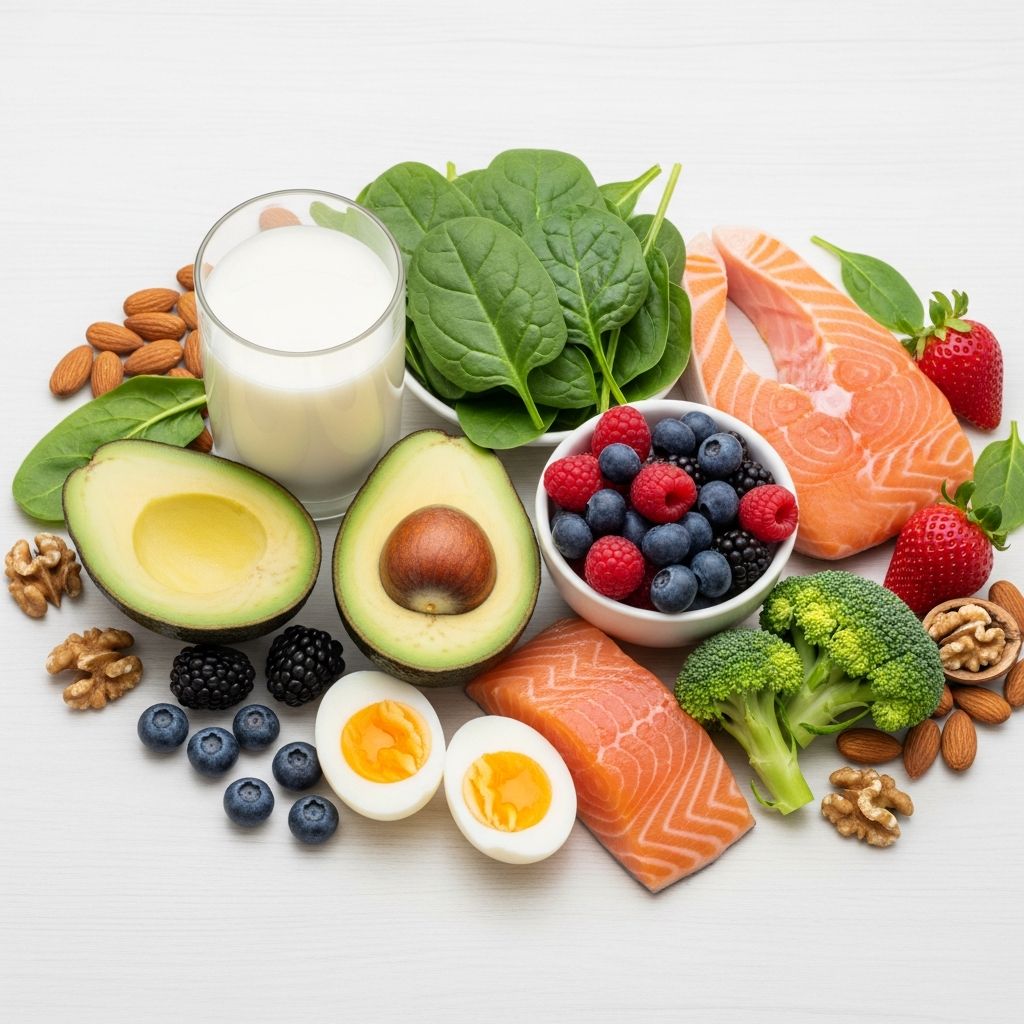
Understanding Nutritional Needs During Pregnancy
Pregnancy represents a transformative period in a woman’s life, requiring significant physiological adjustments to support both her own health and the development of her growing baby. The nutritional demands during this time increase substantially beyond what is needed for non-pregnant women. A well-planned dietary approach that incorporates key micronutrients and macronutrients becomes essential for preventing complications, supporting optimal fetal development, and maintaining maternal wellbeing throughout the nine-month journey.
The foundation of healthy pregnancy nutrition rests on understanding which nutrients play the most critical roles in fetal growth and maternal health. Rather than simply eating more food, expectant mothers need to be strategic about consuming nutrient-dense foods that provide maximum health benefits. This comprehensive guide explores the most important nutrients for pregnancy, the recommended daily amounts, and practical ways to incorporate them into everyday meals.
The Role of Folic Acid in Early Development
Folic acid stands as one of the most crucial nutrients for pregnancy, particularly in the earliest stages of conception and fetal development. This B vitamin plays an irreplaceable role in cell division and the synthesis of DNA and RNA, the genetic material that forms the blueprint for all cells in the developing baby’s body. One of the most significant benefits of adequate folic acid intake is its ability to substantially reduce the risk of neural tube defects, which are serious birth defects affecting the brain and spinal cord.
The timing of folic acid supplementation is particularly important. Women who are planning to become pregnant should begin taking 400 to 800 micrograms of folic acid daily from dietary supplements or fortified foods even before conception occurs. Once pregnancy is confirmed, the recommended intake increases to 600 to 1,000 micrograms per day. This elevated requirement continues throughout the entire pregnancy and supports both fetal neurodevelopment and the growth of the placenta.
Beyond supplementation, numerous food sources naturally contain folate, the naturally occurring form of this nutrient. Dark leafy greens such as spinach and kale, legumes including chickpeas and kidney beans, fortified breakfast cereals, enriched grains and bread, citrus fruits, and eggs all provide substantial amounts of this essential nutrient. Most prenatal vitamins contain folic acid, making supplementation relatively straightforward for women who may struggle to meet requirements through food alone.
Iron Requirements and Maternal Anemia Prevention
During pregnancy, a woman’s blood volume expands significantly to support oxygen delivery to the developing fetus and maintain her own physiological functions. To accommodate this expansion, iron requirements nearly double compared to non-pregnant women. The body uses iron to produce additional hemoglobin, the protein in red blood cells responsible for transporting oxygen throughout the bloodstream.
Pregnant women should aim for 27 milligrams of iron daily, a substantial increase from the pre-pregnancy recommendation of 18 milligrams. Without adequate iron intake, many women develop pregnancy-related anemia, characterized by insufficient red blood cells to carry oxygen effectively. This condition can lead to fatigue, weakness, shortness of breath, and in severe cases, complications during pregnancy and delivery. Some women experiencing iron deficiency even develop unusual cravings for non-food items like ice, a condition known as pica.
High-quality dietary sources of iron include lean red meat and poultry, which contain heme iron that the body absorbs more efficiently. Seafood options such as canned light tuna and clams provide both iron and omega-3 fatty acids. Plant-based sources including dark leafy greens like spinach and kale, dried beans and lentils, whole grain and enriched cereals, and egg yolks also contribute meaningful amounts of iron. To enhance iron absorption from plant sources, consuming vitamin C-rich foods simultaneously—such as citrus fruits, berries, or bell peppers—significantly improves the body’s ability to utilize the iron.
For women with particularly low iron levels or those at higher risk of deficiency, healthcare providers frequently recommend iron supplements in addition to dietary sources. Taking iron supplements with orange juice or vitamin C tablets further enhances absorption.
Calcium and Bone Health Throughout Pregnancy
Calcium serves multiple critical functions during pregnancy and lactation. This mineral is essential for building and strengthening the baby’s bones and teeth, which begin forming early in fetal development. Beyond fetal development, calcium also plays vital roles in maternal nerve function, muscle contractions, and blood vessel function. During pregnancy, calcium is particularly important for regulating blood pressure and reducing the risk of serious complications such as preeclampsia and hypertension.
The recommended daily calcium intake for pregnant women is 1,000 milligrams, with pregnant teenagers requiring a slightly higher amount of 1,300 milligrams daily. Interestingly, pregnancy hormones enhance the body’s ability to absorb calcium, making it easier for pregnant women to meet their requirements compared to non-pregnant women.
Dairy products represent the most bioavailable sources of calcium, with the body absorbing calcium from milk, yogurt, and cheese particularly efficiently. One cup of milk provides approximately 300 milligrams of calcium, making three servings of dairy per day a practical approach to meeting daily needs. For women who are lactose intolerant or prefer non-dairy options, calcium-fortified plant-based milk alternatives, calcium-fortified orange juice, and leafy greens like kale and broccoli provide substantial amounts. Other sources include fortified breakfast cereals, tofu prepared with calcium sulfate, soy products, and fish where bones are consumed, such as sardines and pilchards.
Vitamin D: The Calcium Absorption Partner
Vitamin D works synergistically with calcium to support bone and tooth development in the growing fetus. This fat-soluble vitamin enables the intestines to absorb dietary calcium effectively, making it impossible to achieve optimal bone development without adequate vitamin D status. Beyond bone health, vitamin D plays important roles in immune function, eyesight development, and skin health.
Pregnant women require 600 international units (IU) of vitamin D daily. The primary natural source of vitamin D comes from sunlight exposure on the skin, but dietary sources are particularly important during winter months or for those with limited sun exposure. Fatty fish such as salmon and mackerel contain substantial amounts of natural vitamin D. Fortified milk and fortified orange juice provide reliable dietary sources, and many prenatal vitamins include vitamin D supplementation.
Protein for Fetal Growth and Development
Protein constitutes one of the three essential macronutrients required in larger quantities during pregnancy. This nutrient provides the amino acids necessary for building the baby’s tissues, organs, and muscles. Protein also supports the expansion of maternal blood volume, growth of the uterus, development of breast tissue, and formation of the placenta.
Pregnant women should consume approximately 71 grams of protein daily, an increase of about 25 grams above pre-pregnancy recommendations. High-quality protein sources include lean meat and poultry, seafood like salmon and tuna, eggs, legumes including beans and lentils, nuts and seeds, and soy products. Distributing protein intake throughout the day, rather than consuming large amounts in single meals, helps the body utilize amino acids more efficiently for these critical pregnancy functions.
Vitamin C: Supporting Growth and Iron Absorption
Vitamin C, or ascorbic acid, serves multiple important functions during pregnancy. This water-soluble vitamin is essential for collagen synthesis, which provides structural integrity to tissues throughout the baby’s body and supports wound healing in the mother. Additionally, vitamin C significantly enhances the body’s absorption of iron, particularly iron from plant-based sources.
The body does not store vitamin C, making regular daily consumption through food sources important. Excellent sources include citrus fruits and juices, berries such as strawberries and blackcurrants, bell peppers in both red and green varieties, broccoli and Brussels sprouts, and tropical fruits like mangoes and cantaloupe. A balanced diet naturally provides adequate vitamin C for most pregnant women without requiring specific supplementation.
Additional Critical Micronutrients for Pregnancy
Vitamin B6 helps form red blood cells and enables the body to metabolize protein, fat, and carbohydrates. Pregnant women require 1.9 milligrams daily, obtainable through poultry, pork, bananas, beans, and whole-grain cereals and breads.
Vitamin B12 maintains the nervous system and participates in red blood cell formation. This nutrient is particularly important for women following vegetarian or vegan diets, as naturally occurring B12 is primarily found in animal products. Fortified plant-based foods and supplements can help meet requirements.
Iodine is crucial for proper thyroid function and fetal neurodevelopment. The recommended intake increases during pregnancy to 220 micrograms daily. Women who use iodized salt, consume dairy products, and eat seafood typically meet iodine needs, though vegetarians and vegans who avoid iodized salt may benefit from supplementation.
Choline plays an important role in fetal brain and spinal cord development. This nutrient is found in eggs, meat, fish, legumes, and nuts, and many prenatal vitamins now include choline.
Omega-3 fatty acids support fetal brain development and vision. Sources include fatty fish like salmon, walnuts, flaxseeds, and chia seeds.
Meeting Nutrient Needs Through Food and Supplements
While whole foods should form the foundation of pregnancy nutrition, prenatal vitamins play an important supplementary role. Prenatal vitamins are specifically formulated to address the increased micronutrient needs of pregnancy, with particular emphasis on folate/folic acid, iron, iodine, and vitamin D—nutrients that can be challenging to obtain in sufficient quantities through diet alone.
Research indicates that no single food provides all essential pregnancy nutrients in reasonable serving sizes. For example, while raw seaweed contains five critical nutrients, meeting daily requirements would require consuming up to seven cups daily. Instead, a varied diet combining multiple nutrient-dense foods provides the most practical approach. A prenatal vitamin ensures that any gaps in dietary intake are addressed, providing insurance against nutritional deficiencies that could compromise maternal or fetal health.
Building a Balanced Pregnancy Diet
Creating a nutritionally complete pregnancy diet requires intentional planning but need not be complicated. Each day, pregnant women should incorporate foods from multiple groups: dairy or fortified alternatives for calcium and vitamin D; protein-rich foods including lean meats, fish, eggs, and legumes; colorful fruits and vegetables for vitamins and minerals; whole grains for fiber and B vitamins; and healthy fats from nuts, seeds, and fish.
Rather than focusing on restriction, pregnancy nutrition emphasizes abundance—adding nutrient-dense foods to support the growing baby while maintaining maternal health. Consulting with a healthcare provider or registered dietitian can help individualize dietary recommendations based on personal preferences, cultural foods, and any special dietary needs.
Frequently Asked Questions About Pregnancy Nutrition
Q: When should I start taking prenatal vitamins?
A: Ideally, women should begin taking a prenatal vitamin containing folic acid before conception, even while planning to become pregnant. If pregnancy is unplanned, starting as soon as pregnancy is confirmed provides important benefits. The first month of pregnancy is particularly critical for fetal neural development.
Q: Can I get all necessary nutrients from food alone without supplements?
A: While a well-planned diet provides many essential nutrients, meeting all pregnancy requirements through food alone can be challenging. Prenatal vitamins serve as important insurance, particularly for folic acid, iron, and vitamin D. Discuss specific supplementation needs with your healthcare provider.
Q: Are there nutrients I should avoid during pregnancy?
A: Yes. Excessive preformed vitamin A (particularly from supplements and liver) can be harmful to fetal development. Discuss all supplements with your healthcare provider. Additionally, avoid fish high in mercury such as shark, swordfish, and king mackerel.
Q: How much weight should I gain during pregnancy?
A: Recommended weight gain depends on pre-pregnancy BMI, ranging from 18 to 40 pounds. This weight supports the baby, placenta, amniotic fluid, and maternal blood volume expansion, rather than simply representing excess fat. Your healthcare provider can provide individualized recommendations.
Q: What should I do if I struggle with food aversions during pregnancy?
A: Food aversions are common in pregnancy. Focus on obtaining nutrients from alternative sources if particular foods become unappealing. For example, if milk seems unappetizing, obtain calcium from cheese, yogurt, fortified plant-based milk, or leafy greens. A prenatal vitamin helps bridge nutritional gaps.
Q: Is it safe to follow vegetarian or vegan diets during pregnancy?
A: Yes, vegetarian and vegan diets can support healthy pregnancies with careful planning. Pay particular attention to iron, B12, iodine, calcium, protein, and omega-3 fatty acids. Fortified foods and supplements become particularly important. Consult a dietitian for personalized guidance.
References
- Pregnancy diet: Focus on these essential nutrients — Mayo Clinic. 2024. https://www.mayoclinic.org/healthy-lifestyle/pregnancy-week-by-week/in-depth/pregnancy-nutrition/art-20045082
- Dietary Supplements and Life Stages: Pregnancy — National Institutes of Health Office of Dietary Supplements. 2024. https://ods.od.nih.gov/factsheets/Pregnancy-HealthProfessional/
- Nutrition During Pregnancy — UCLA Health. 2024. https://www.uclahealth.org/medical-services/birthplace/pregnancy-newborn-health/prenatal-education/your-pregnancy/nutrition-during-pregnancy
- Prenatal Vitamins: Importance, Deficiency & Essentials — Cleveland Clinic. 2024. https://my.clevelandclinic.org/health/drugs/9754-pregnancy-prenatal-vitamins
- Vitamins, supplements and nutrition in pregnancy — NHS. 2024. https://www.nhs.uk/pregnancy/keeping-well/vitamins-supplements-and-nutrition/
- Pregnancy and Nutrition — MedlinePlus, National Library of Medicine. 2024. https://medlineplus.gov/pregnancyandnutrition.html