Nourishing Your Body and Growing Baby: The Importance of Strategic Eating During Pregnancy
Pregnancy represents one of life’s most transformative periods, requiring significant physiological changes and increased nutritional demands. The foods you consume directly influence your baby’s development, your own health, and your ability to maintain energy throughout this demanding time. Understanding which nutrients matter most and where to find them empowers you to make informed dietary choices that benefit both you and your developing child.
The fundamental principle underlying prenatal nutrition is straightforward: your body needs more of certain nutrients to support fetal growth, increased blood volume, and the expansion of maternal tissues. Rather than simply eating more, the focus shifts to eating smarter—selecting foods that deliver maximum nutritional value in every bite.
The Building Blocks: Why Specific Nutrients Matter in Pregnancy
During pregnancy, your nutritional requirements increase across multiple categories. Medical experts recognize that certain nutrients play particularly critical roles in supporting fetal development and preventing complications. These include folic acid for neural development, iron for oxygen transport, calcium for skeletal formation, and choline for brain development.
The timing of nutrient intake matters as well. During the second and third trimesters, when fetal growth accelerates dramatically, protein demands increase substantially. Similarly, iron needs jump from the typical 18 milligrams daily to 27 milligrams during pregnancy, reflecting the body’s creation of additional blood to support both mother and baby.
Protein-Rich Foods: Supporting Growth and Development
Protein serves as the fundamental building material for your baby’s cells, muscles, organs, and tissues. Beyond structural support, protein contributes to brain development, hormone production, and immune function. Fortunately, numerous food sources provide complete and incomplete proteins, allowing flexibility based on dietary preferences and restrictions.
Primary protein sources include:
- Lean meats such as beef, chicken, turkey, and pork (avoiding liver due to vitamin A concentration concerns)
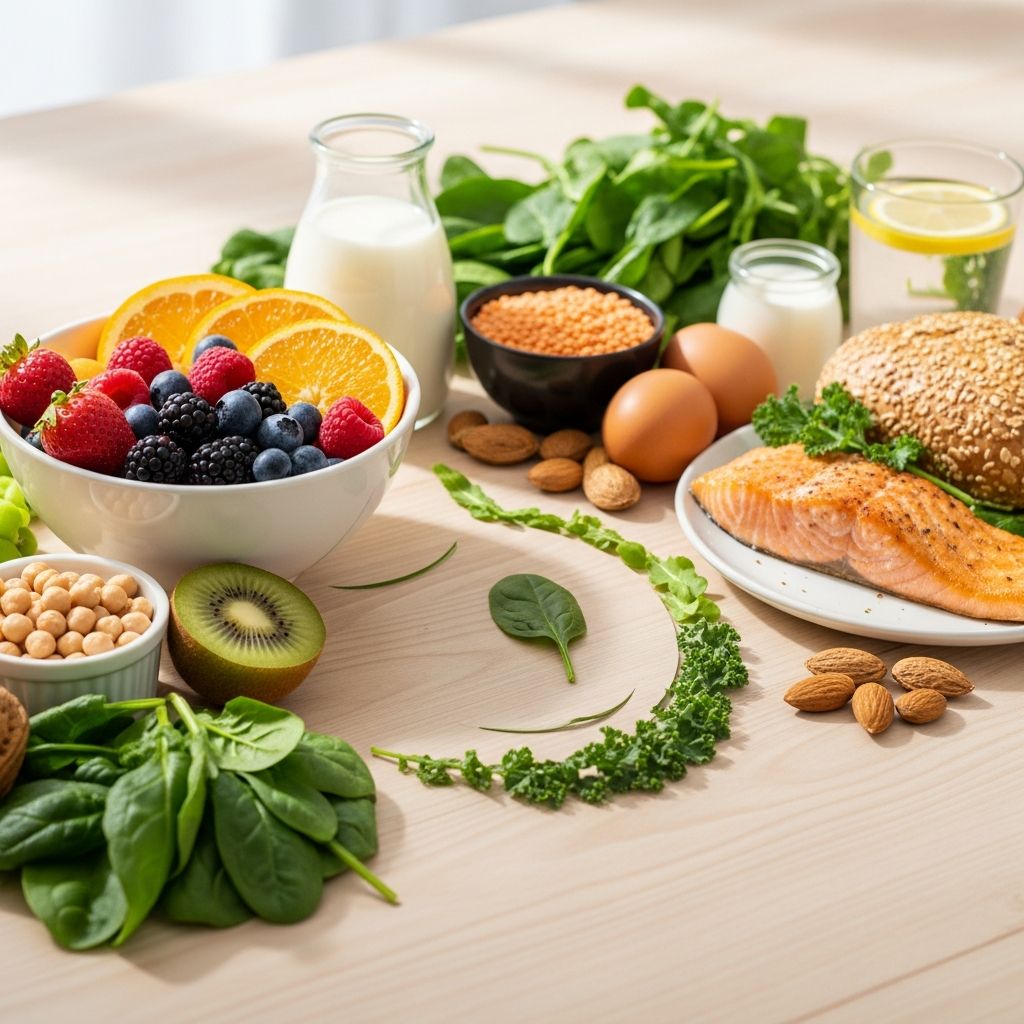
- Fish and seafood, particularly fatty varieties like salmon that provide additional omega-3 benefits
- Eggs, which deliver not only protein but also choline for neurological development
- Legumes including beans, lentils, and peas, which combine protein with fiber and micronutrients
- Nuts and seeds offering protein alongside healthy fats
- Dairy products including yogurt and cheese, providing dual benefits of protein and calcium
- Plant-based alternatives such as tofu and tempeh for vegetarian approaches
Rather than focusing solely on quantity, selecting lean protein sources helps avoid excess saturated fat while maximizing nutritional density. A practical approach involves including a protein source at each meal and snack, distributing intake throughout the day rather than concentrating it in one or two meals.
Calcium and Vitamin D: Constructing Strong Bones and Teeth
Your baby’s skeleton begins forming early in pregnancy and continues developing throughout gestation and into infancy. Calcium provides the mineral foundation for these bones and teeth, while vitamin D ensures your body can absorb and utilize that calcium effectively. Additionally, calcium supports healthy muscle and nerve function in both mother and baby.
Adequate calcium intake during pregnancy protects your own bone health, as inadequate consumption may lead your body to mobilize calcium from your bones to meet fetal demands. This prophylactic approach prevents long-term skeletal consequences.
Excellent calcium sources include:
- Dairy products: milk, yogurt, and cheese deliver 200-300 milligrams per serving
- Fortified plant-based milk alternatives for those avoiding dairy
- Fatty fish with edible bones, such as canned salmon
- Dark leafy greens including spinach, kale, and collard greens
- Fortified tofu and other soy products
- Almonds and sesame seeds
For vitamin D, fatty fish like salmon provides natural sources, while fortified milk and eggs contribute additional amounts. Reasonable sun exposure—approximately 10-30 minutes several times weekly—also supports your body’s natural vitamin D synthesis.
Iron: Fueling Oxygen Transport Throughout Pregnancy
Iron demand doubles during pregnancy because your body produces approximately 50% more blood to support fetal circulation and prepare for delivery. This mineral binds to hemoglobin, the protein carrying oxygen to cells throughout your body and across the placenta to your baby. Iron deficiency during pregnancy increases risks of anemia, fatigue, premature delivery, and low birth weight.
Two forms of dietary iron exist: heme iron from animal sources absorbs more efficiently than non-heme iron from plant sources. Consuming foods rich in vitamin C alongside plant-based iron sources significantly enhances absorption.
Iron-rich foods for pregnancy include:
- Lean red meats providing highly absorbable heme iron
- Poultry and fish
- Fortified breakfast cereals and grains
- Beans and legumes
- Dried fruits such as prunes and apricots
- Dark leafy greens including spinach
Pairing these foods with vitamin C sources—citrus fruits, berries, tomatoes, bell peppers, and broccoli—optimizes iron absorption and maximizes the nutritional benefit of your meals.
Folate and Folic Acid: Preventing Birth Defects
Folate, the naturally occurring B vitamin, and folic acid, its synthetic form, play critical roles in cell division and DNA synthesis. Adequate folate intake during the periconception period and early pregnancy significantly reduces the risk of neural tube defects such as spina bifida and anencephaly. These birth defects develop very early in pregnancy, often before women realize they are pregnant, making consistent folate consumption important from reproductive years through pregnancy.
While prenatal vitamins typically contain 400 micrograms of folic acid—the recommended daily supplement—food sources provide natural folate alongside other nutrients and fiber.
Folate-rich foods include:
- Dark leafy greens: spinach, kale, and collard greens deliver significant amounts per serving
- Fortified grains and cereals
- Legumes including lentils and chickpeas
- Asparagus
- Brussels sprouts and broccoli
- Orange juice and oranges
- Peanuts
Choline: Supporting Brain and Spinal Cord Development
Choline, an essential nutrient often overlooked in prenatal discussions, plays a crucial role in fetal brain development and may influence cognitive function throughout life. This nutrient supports neurotransmitter synthesis and myelin formation, the insulating material around nerves. Adequate choline intake during pregnancy may enhance memory and learning capacity in children.
Choline sources include:
- Eggs, particularly the yolk, which contains concentrated choline
- Lean meats and beef liver
- Fish and seafood
- Dairy products
- Peanuts and peanut butter
- Soy products and tofu
- Brussels sprouts and broccoli
Fruits and Vegetables: Delivering Vitamins, Minerals, and Fiber
Plant foods provide diverse micronutrients, fiber, and phytonutrients that support maternal health and fetal development. Aiming for variety ensures comprehensive nutrient intake, as different colored produce offers distinct nutritional profiles.
Fruit recommendations include:
- Citrus fruits for vitamin C and folate
- Berries for antioxidants and fiber
- Bananas for potassium
- Avocados for healthy fats and fiber
- Mangoes and papayas for vitamin A and C
Vegetable varieties to emphasize:
- Dark leafy greens: spinach, kale, and collard greens for multiple nutrients
- Broccoli and Brussels sprouts for folate and vitamin C
- Sweet potatoes for beta-carotene and fiber
- Bell peppers for vitamin C and antioxidants
- Beets for folate and minerals
- Carrots for beta-carotene supporting eye development
Fresh produce offers maximum nutrient density, though frozen and canned vegetables retain nutritional value. When selecting canned products, choose options without added sodium and sugar to control intake of these less desirable components.
Whole Grains: Energy, Fiber, and B Vitamins
Whole grains provide sustained energy through complex carbohydrates alongside fiber, B vitamins, magnesium, and minerals. The fiber content particularly benefits pregnant women, as constipation and hemorrhoids frequently occur during pregnancy due to hormonal changes and iron supplementation. Whole grains help prevent these uncomfortable conditions while supporting digestive health.
Whole grain options include:
- Brown rice and wild rice
- Whole wheat bread and pasta
- Oatmeal
- Quinoa
- Barley
- Millet and farro
- Whole grain cereals
Reading labels ensures you select true whole grain products, where whole grain appears as the first ingredient rather than refined grain flour.
Omega-3 Fatty Acids: Nourishing Baby’s Brain and Eyes
Omega-3 fatty acids, particularly docosahexaenoic acid (DHA), constitute significant portions of fetal brain tissue and support neurological development. These essential fats cannot be synthesized by your body and must come from dietary sources. Fatty fish provide the most bioavailable form of DHA, making them valuable during pregnancy.
Salmon stands out as an excellent choice, providing protein, vitamin D, and omega-3s with minimal mercury concerns. Other fatty fish including sardines and herring offer similar benefits with different flavor profiles.
For vegetarian or fish-averse individuals, flaxseeds, chia seeds, walnuts, and fortified foods provide alpha-linolenic acid, which your body converts to DHA, though less efficiently than direct dietary sources.
Nutrient Timing: Strategic Meal Planning Throughout Pregnancy
Rather than focusing on specific meal timing, emphasize consistency across all three trimesters. Early pregnancy typically involves establishing healthy eating patterns, which becomes increasingly important as nutritional demands escalate in the second and third trimesters. Some women experience morning sickness early in pregnancy, making smaller, frequent meals more manageable than three large meals.
Including snacks strategically—choosing protein and nutrient-dense options rather than empty calories—supports steady energy and nutrient intake throughout the day. Options like yogurt with berries, nuts and dried fruit, or whole grain toast with peanut butter provide nutritional benefit while satisfying hunger between meals.
Supplements: Supporting but Not Replacing Whole Foods
Prenatal vitamins serve as insurance, ensuring consistent micronutrient intake when dietary sources fall short. However, they complement rather than replace balanced eating. Whole foods provide fiber, phytonutrients, and synergistic nutrient combinations that supplements cannot replicate.
Taking your prenatal vitamin daily alongside eating nutrient-dense foods creates a comprehensive approach to supporting healthy pregnancy. If your healthcare provider recommends additional supplementation for specific nutrients, follow those recommendations alongside continued emphasis on whole food sources.
Practical Strategies for Implementing Prenatal Nutrition
Translating nutritional knowledge into daily eating requires practical strategies. Building meals around nutrient-dense foods becomes easier with planning. Start by stocking your kitchen with whole grain options, lean proteins, dairy or fortified alternatives, colorful fruits and vegetables, legumes, nuts, and seeds.
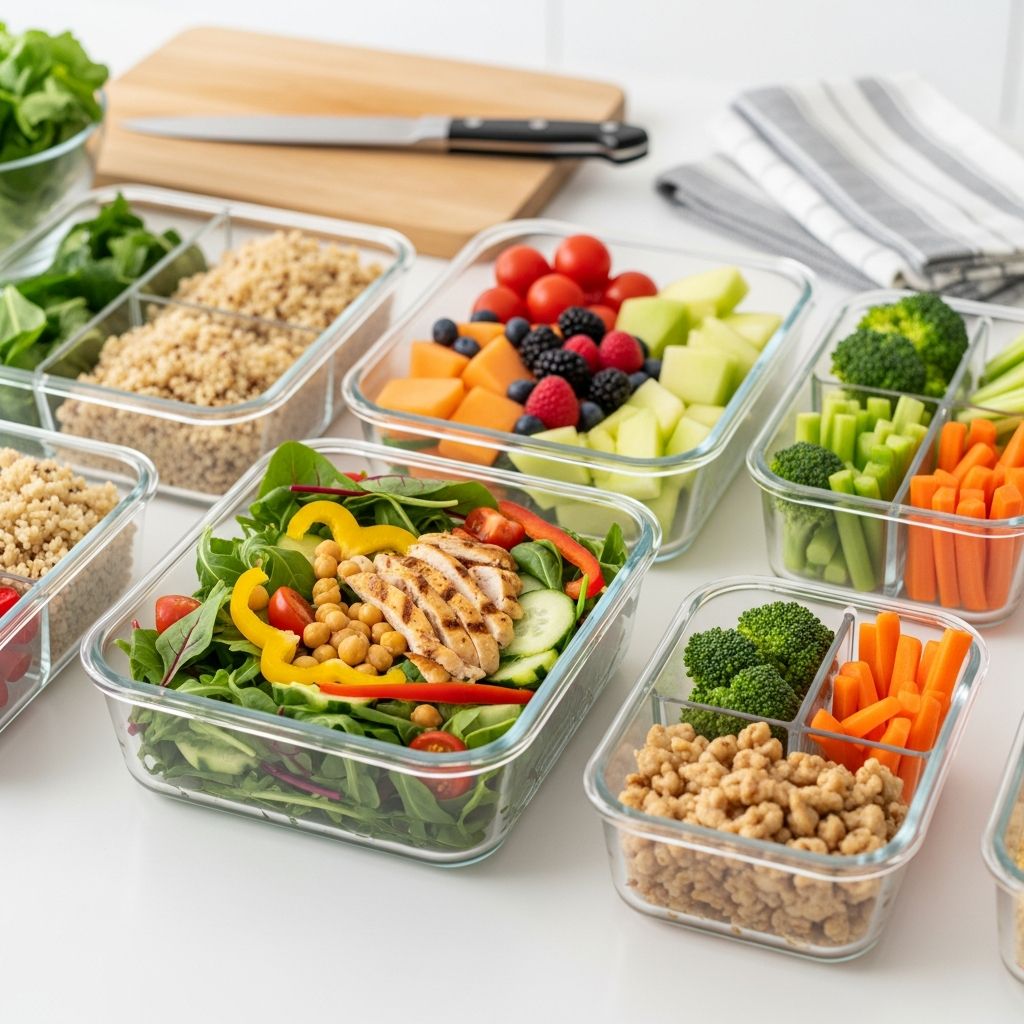
Meal planning reduces decision fatigue and helps ensure balanced nutrition. Preparing larger batches of grains, proteins, and roasted vegetables allows mixing and matching throughout the week. Keeping simple, nutritious snacks accessible prevents reaching for less nutritious convenience foods when hunger strikes.
Frequently Asked Questions About Pregnancy Nutrition
Q: How much weight should I gain during pregnancy?
A: Weight gain recommendations depend on your pre-pregnancy body mass index (BMI). Most women should gain between 25-35 pounds, though this varies individually. Your healthcare provider offers personalized guidance based on your circumstances.
Q: Is it safe to eat fish during pregnancy given mercury concerns?
A: Many fish provide valuable omega-3s and nutrients. Focus on low-mercury varieties like salmon, sardines, and anchovies while limiting high-mercury fish like shark and king mackerel. Most experts recommend 8-12 ounces of low-mercury fish weekly during pregnancy.
Q: Can I follow a vegetarian or vegan diet during pregnancy?
A: Yes, with careful planning. Ensure adequate protein through legumes, nuts, seeds, and dairy or fortified alternatives. Pay particular attention to iron, calcium, vitamin B12, and omega-3 intake, potentially requiring supplementation for B12 if following a vegan approach.
Q: What foods should I avoid during pregnancy?
A: Avoid raw or undercooked meats, unpasteurized dairy, raw eggs, high-mercury fish, and excessive caffeine. These precautions reduce risks of foodborne illness and other complications that pose particular risks during pregnancy.
Q: Do I need to eat significantly more during pregnancy?
A: Caloric needs increase by approximately 340 calories daily in the second trimester and 450 calories in the third trimester—not dramatically more than before pregnancy. Focus on nutrient density rather than sheer quantity.
References
- Healthy Eating During Pregnancy — American College of Obstetricians and Gynecologists (ACOG). Updated 2025. https://www.acog.org/womens-health/faqs/healthy-eating-during-pregnancy
- 10 Foods That Support a Healthy Pregnancy — Tufts Medicine. 2024. https://www.tuftsmedicine.org/about-us/news/10-foods-support-healthy-pregnancy
- Pregnancy Diet: Focus on These Essential Nutrients — Mayo Clinic. Updated 2025. https://www.mayoclinic.org/healthy-lifestyle/pregnancy-week-by-week/in-depth/pregnancy-nutrition/art-20045082
- Eat Healthy During Pregnancy: Quick Tips — U.S. Department of Health and Human Services, Office of Disease Prevention and Health Promotion. 2024. https://odphp.health.gov/myhealthfinder/pregnancy/nutrition-and-physical-activity/eat-healthy-during-pregnancy-quick-tips
- What to Eat During Pregnancy — ChristianaCare News. 2021. https://news.christianacare.org/2021/09/what-to-eat-during-pregnancy/
- Pregnancy Nutrition: Essential Vitamins, Nutrients, and Foods to Avoid — Chicago OB-GYN. 2024. https://chicagoobgyn.com/nutrition-during-pregnancy-essential-vitamins-and-nutrients-and-foods-to-avoid/
- Have a Healthy Diet in Pregnancy — National Health Service (NHS). Updated 2024. https://www.nhs.uk/pregnancy/keeping-well/have-a-healthy-diet/