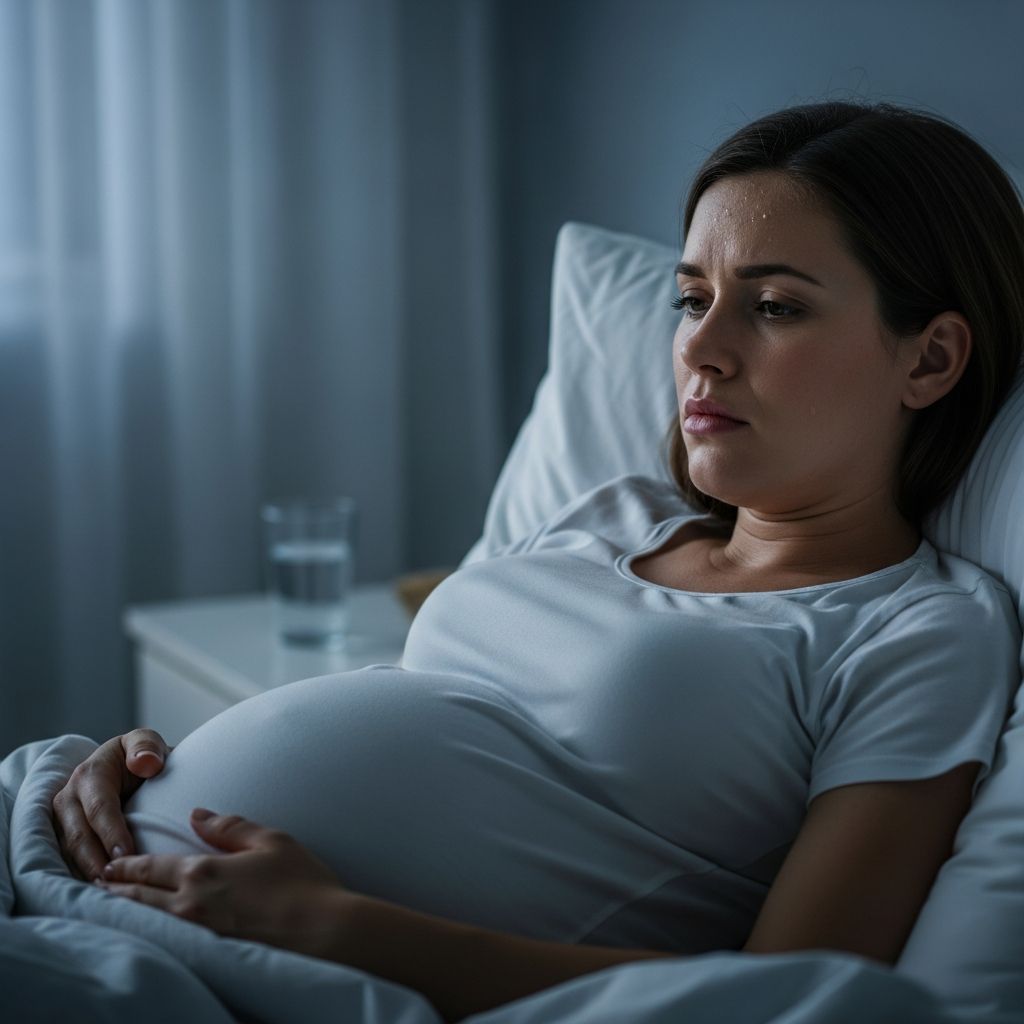
Experiencing sudden waves of heat that leave you soaked in sweat at night is a common yet disruptive part of pregnancy for many women. These episodes, known as night sweats, affect over one-third of pregnant individuals and can significantly impact sleep quality. Understanding the underlying reasons and practical ways to manage them empowers expectant mothers to reclaim restful nights.
Understanding the Phenomenon of Pregnancy-Related Night Sweats
Night sweats during pregnancy involve intense perspiration that drenches clothing and bedding, often accompanied by a racing heart and a sensation of overheating. Unlike daytime sweating, these occur primarily during sleep, disrupting rest at a time when quality sleep is already challenged by other pregnancy symptoms like frequent urination or discomfort.
Research indicates that hormonal fluctuations play a central role. Estrogen and progesterone levels surge dramatically, altering the body’s thermoregulatory system in the brain, much like a malfunctioning thermostat. This leads to hot flashes that trigger sweating as the body attempts to cool down. Additionally, pregnancy boosts metabolic rate and increases blood volume by up to 45%, enhancing circulation near the skin’s surface and generating excess heat.
When Do Night Sweats Typically Occur During Pregnancy?
The timing of night sweats varies, but patterns emerge across trimesters. In the **first trimester**, rising hormones often initiate symptoms as early as weeks 1 to 14. Many women notice a temporary relief in the **second trimester**, dubbed the ‘honeymoon phase,’ due to relative hormonal stability.
Symptoms frequently intensify in the **third trimester** (weeks 27 to delivery), coinciding with peak blood volume, fetal growth, and sustained high progesterone levels. Post-delivery, sweats may persist for weeks as hormones readjust to pre-pregnancy states, particularly if breastfeeding, since prolactin suppresses estrogen.
| Trimester | Prevalence | Key Triggers |
|---|---|---|
| First | High | Hormone surges |
| Second | Low | Hormonal stability |
| Third | High | Increased blood flow, metabolism |
| Postpartum | Moderate (2-6 weeks) | Hormone drop, breastfeeding |
Primary Physiological Causes Behind Night Sweats
- Hormonal Imbalance: Elevated progesterone acts as a vasodilator, widening blood vessels and promoting heat dissipation through sweat.
- Metabolic Acceleration: The body’s increased energy demands for fetal development raise core temperature.
- Circulatory Changes: Expanded blood volume improves nutrient delivery but heightens skin-level heat.
- Environmental Factors: Warmer sleeping conditions or heavy bedding can exacerbate symptoms.
These factors combine to make night sweats a hallmark of pregnancy, distinct from similar symptoms in menopause or infections due to their context and accompanying signs.
Practical Strategies to Minimize Night Sweats
Managing night sweats involves creating an optimal sleep environment and adopting lifestyle tweaks. Start with cooling your bedroom: Set the thermostat to 60-67°F (16-19°C), use breathable cotton sheets, and employ fans for air circulation.
Choose moisture-wicking sleepwear made from bamboo or lightweight synthetics over heavy fabrics. Layer bedding with lightweight options that can be easily removed. Hydrate throughout the day but taper off evenings to reduce nighttime bathroom trips.
Diet plays a role—avoid triggers like spicy foods, caffeine, and alcohol, which can provoke hot flashes. Incorporating cooling foods such as yogurt, cucumbers, or ice water before bed may help regulate temperature.
Daily Habits for Better Nights
- Practice relaxation techniques like prenatal yoga or deep breathing to lower stress-induced heat.
- Shower with lukewarm water before bed to reset body temperature.
- Elevate your head slightly with a wedge pillow to improve circulation and reduce overheating.
- Track patterns in a journal to identify personal triggers.
Postpartum Night Sweats: What to Expect
After birth, a sharp decline in estrogen triggers intense sweats, often requiring multiple changes of clothes or sheets nightly. Breastfeeding prolongs this due to sustained low estrogen from prolactin. These typically resolve within 2-6 weeks as hormones stabilize.
Monitor for fever, as true infections (e.g., endometritis) present with sweats plus chills or pain—contact your provider immediately. Strategies mirror pregnancy: prioritize airflow, loose clothing, and hydration.
Distinguishing Normal Sweats from Warning Signs
Most night sweats are benign, but persistent or severe cases warrant attention. Consult a doctor if accompanied by fever over 100.4°F, unexplained weight loss, chills, cough, or fatigue, which may signal infections, thyroid disorders, or rarely, other conditions.
Cold sweats (sweating while feeling chilled) differ from hot flashes and could indicate low blood sugar, stress, or infection—seek prompt evaluation. Diarrhea with sweats in late pregnancy might hint at early labor hormones, but isn’t definitive.
Are Night Sweats an Early Pregnancy Indicator?
While common early on, night sweats alone don’t confirm pregnancy. They overlap with PMS, thyroid issues, or infections. Pair with missed periods or tests for clarity; consult if irregular without confirmation.
Frequently Asked Questions About Night Sweats in Pregnancy
Can night sweats signal labor?
Not reliably. Combined with diarrhea, they may relate to labor hormones, but monitor for contractions.
How long do postpartum sweats last?
Usually 2-6 weeks, longer with breastfeeding.
Are cold sweats normal in pregnancy?
No— they may indicate low blood sugar or infection; see a doctor.
Do all pregnant women get night sweats?
No, but over 33% do, varying by trimester.
Can diet affect night sweats?
Yes, avoid spicy foods and caffeine to reduce episodes.
Lifestyle Integration for Lasting Comfort
Beyond immediate relief, maintain a consistent prenatal routine: regular exercise like walking improves circulation without overheating, while adequate iron and hydration support metabolic balance. Discuss persistent issues at prenatal visits for tailored advice, possibly including safe supplements.
Partner involvement helps—share duties for a cooler, quieter sleep space. Apps tracking sleep and symptoms can provide data for healthcare discussions.
Pregnancy night sweats, though challenging, are transient signals of your body’s remarkable adaptations. With targeted strategies, you can mitigate their impact, ensuring better rest for you and your baby.
References
- What to Do About Night Sweats During Pregnancy — The Bump. 2023. https://www.thebump.com/a/night-sweats-pregnancy
- Night Sweats: Menopause, Other Causes & Treatment — Cleveland Clinic. 2023-10-12. https://my.clevelandclinic.org/health/symptoms/16562-night-sweats
- Night Sweat Pregnancy Causes and How to Manage Them — Degree Deodorant. 2023. https://www.degreedeodorant.com/us/en/sweat-zone/pregnancy-sweating.html
- Night sweats, hair changes and 5 other postpartum symptoms nobody warns you about — Nebraska Medicine. 2023-06-15. https://www.nebraskamed.com/womens-health/pregnancy-birth/night-sweats-hair-changes-and-5-other-postpartum-symptoms-nobody-warns-you-about
- Night sweats — Healthdirect (Australian Government). 2023. https://www.healthdirect.gov.au/night-sweats