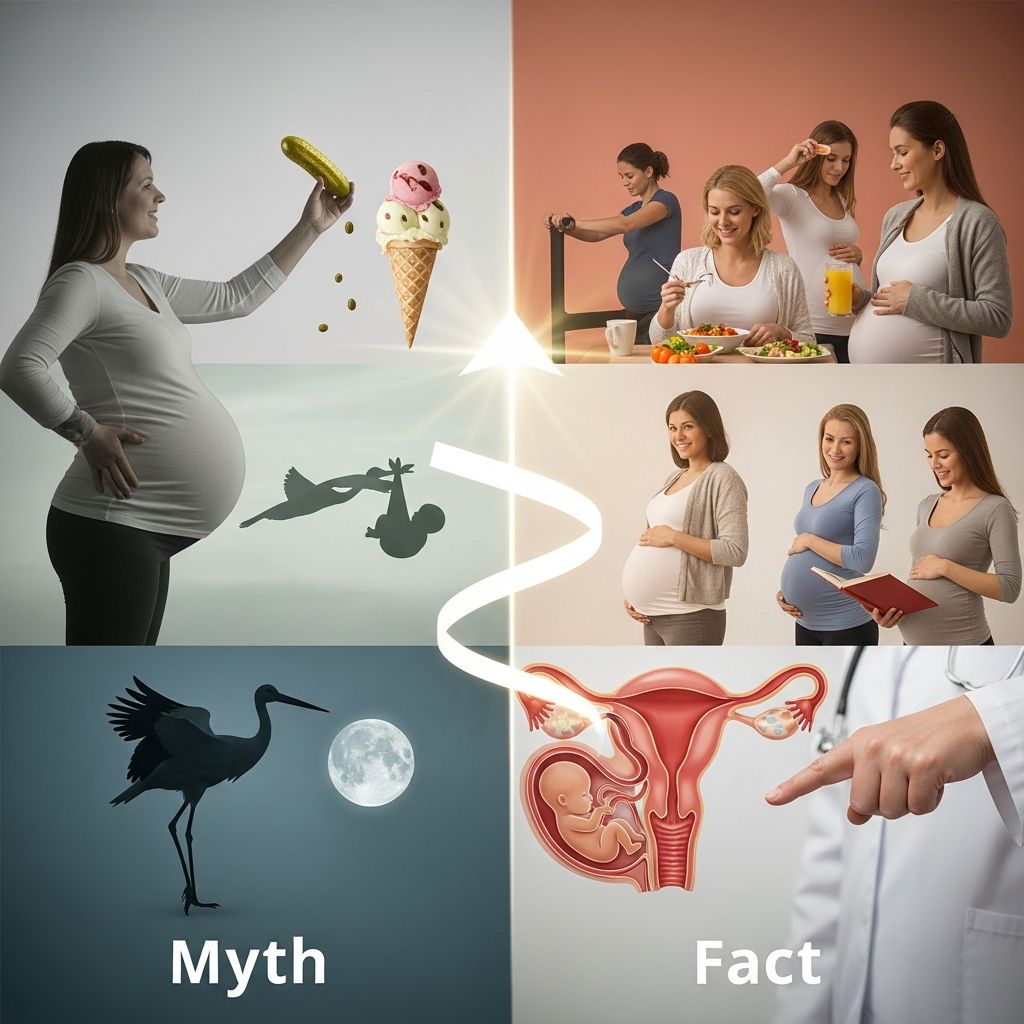
Expectant mothers often encounter a barrage of advice, ranging from time-honored traditions to viral social media tips. While well-intentioned, many of these notions lack scientific backing and can lead to unnecessary worry or risky behaviors. This article separates fact from fiction, drawing on credible medical insights to empower you with accurate information throughout your pregnancy journey.
Understanding the Origins of Pregnancy Folklore
Pregnancy myths have persisted for generations, often rooted in cultural beliefs or anecdotal experiences passed down through families. Before modern medicine, communities relied on observable patterns to explain the mysteries of gestation and birth. Today, despite advances in obstetrics, these tales endure online and in conversations, influencing decisions on diet, activity, and labor preparation. Recognizing their origins helps demystify why they stick around and underscores the importance of evidence-based guidance.
Healthcare professionals emphasize consulting personalized medical advice over general folklore. Studies show that misinformation can heighten anxiety, which impacts maternal well-being. By examining popular myths systematically, we can foster informed choices that prioritize both mother and baby health.
Nutrition Misconceptions: Beyond ‘Eating for Two’
One of the most enduring sayings is that pregnant women must ‘eat for two,’ implying a doubling of caloric intake. In reality, the body requires only a modest increase: approximately 300-500 extra calories daily in the second and third trimesters, focusing on nutrient-dense foods rather than volume. Overeating can lead to excessive weight gain, complicating delivery and postpartum recovery.
- Balanced intake: Prioritize fruits, vegetables, lean proteins, whole grains, and dairy for essential vitamins like folate and iron.
- Avoid extremes: No need for double portions; a small snack like nuts and fruit meets the need.
Another dietary myth warns against all fish due to mercury fears. Low-mercury options like salmon and shrimp provide omega-3s crucial for fetal brain development. Official guidelines recommend 8-12 ounces weekly, avoiding high-mercury species such as shark or swordfish.
Activity and Lifestyle: Safe Practices Debunked
Many believe exercise harms the baby or that sex during pregnancy risks miscarriage. Moderate physical activity strengthens the body for labor and reduces complications like gestational diabetes, as long as it’s cleared by a doctor. Intercourse is safe for low-risk pregnancies, protected by the amniotic sac.
| Myth | Fact | Supporting Evidence |
|---|---|---|
| Exercise is dangerous | Safe and beneficial if moderate | Reduces risks like preeclampsia |
| No sex during pregnancy | Generally safe unless advised otherwise | Baby protected in womb |
| Avoid flying late-term | Okay until ~36 weeks with doctor approval | No increased risk vs. public |
Pet ownership myths, like cats causing harm via litter boxes, stem from toxoplasmosis concerns. The risk is minimal with basic hygiene: wear gloves, wash hands, and delegate cleaning if possible.
Labor Induction: Foods and Folklore Examined
A common belief holds that spicy foods, pineapple, or castor oil trigger labor. No scientific evidence supports these as reliable inductors; they may cause discomfort without effect. True labor onset is hormonal and physiological, not diet-driven. OB-GYNs confirm no food or activity safely hastens delivery outside medical induction.
Other tales include evening primrose oil or vigorous walking. While staying active aids health, none guarantee induction. Patience and professional monitoring are key as due dates are estimates—only 5% of babies arrive precisely on time.
Predicting Baby Traits: From Gender to Hair
Old wives’ tales claim carrying low predicts a boy, high a girl, or heartburn signals a hairy baby. These lack basis; belly shape depends on muscle tone, placenta position, and trimester. Heartburn arises from hormonal changes and uterine pressure on the stomach, unrelated to fetal hair.
- Gender myths: Cravings, heart rate, or skin glow don’t determine sex—ultrasound or genetic tests do.
- Hair indicator: Pure folklore; hair growth is genetic.
Fetal movement patterns or first-trimester bleeding are also misconstrued. Light spotting occurs in 20-40% of healthy pregnancies, not always miscarriage. Always report to your provider.
Travel and Daily Habits: What’s Really Restricted?
Reaching overhead or lifting arms supposedly wraps the cord around the baby—a myth, as cord accidents happen independently and rarely harm (40% of births have nuchal cords without issue). Travel by air is fine until late third trimester, matching general safety.
Flu shots are vital, countering myths of danger; pregnancy heightens flu severity risks. Decaf-only coffee or cheese avoidance ignores safe limits: moderate caffeine (200mg/day) and pasteurized dairy are fine.
Modern Advances Countering Myths
Today’s obstetrics debunks myths with tools like cell-free DNA screening for early chromosomal detection via maternal blood. Delayed cord clamping boosts infant iron stores. 3D fetal modeling aids complex case planning. These innovations highlight evidence’s role over tradition.
Frequently Asked Questions (FAQs)
Can spicy foods really induce labor?
No, there’s no evidence; they may upset digestion but won’t start contractions.
Is eating for two accurate?
No, add just 300 extra calories with nutritious choices.
Does heartburn mean a hairy baby?
Myth—it’s due to pregnancy physiology, not baby traits.
Is sex safe during pregnancy?
Yes, for uncomplicated cases; consult your doctor.
Can I dye my hair while pregnant?
Generally safe after the first trimester with ventilation.
Does carrying high or low predict gender?
No, influenced by body type and position.
Is all first-trimester bleeding a miscarriage?
No, common in viable pregnancies; seek medical advice.
Empowering Your Pregnancy with Facts
Navigating pregnancy means sifting myths from science. Rely on prenatal visits, reputable sources, and your healthcare team. Knowledge reduces stress, enhancing outcomes for you and your baby. Share this wisdom to dispel myths in your circle.
References
- Six Pregnancy Myths Debunked — Detroit Medical Center. Accessed 2026. https://www.dmc.org/healthy-living/corporate-content/six-pregnancy-myths-debunked
- 11 Pregnancy Myths and Facts Every Woman Needs to Read — Moreland OB/GYN. Accessed 2026. https://www.morelandobgyn.com/blog/pregnancy-myths
- OB-GYNs Debunk 25 Pregnancy Myths — Business Insider (YouTube). 2019-10-07. https://www.youtube.com/watch?v=Vm_zY2IC78c
- 8 Pregnancy Myths Debunked — Shamsah Amersi, MD: OB-GYNs. Accessed 2026. https://www.dramersi.com/blog/8-pregnancy-myths-debunked
- 10 Common Pregnancy Myths — University Hospitals. 2022-10-10. https://www.uhhospitals.org/blog/articles/2022/10/10-common-pregnancy-myths
- 15 Pregnancy Myths Debunked — Little Silver Pediatrics. Accessed 2026. https://www.littlesilvermedicine.com/15-pregnancy-myths-debunked/
- 9 Common Pregnancy Myths Debunked — Scripps Health. Accessed 2026. https://www.scripps.org/news_items/3039-9-common-pregnancy-myths-debunked