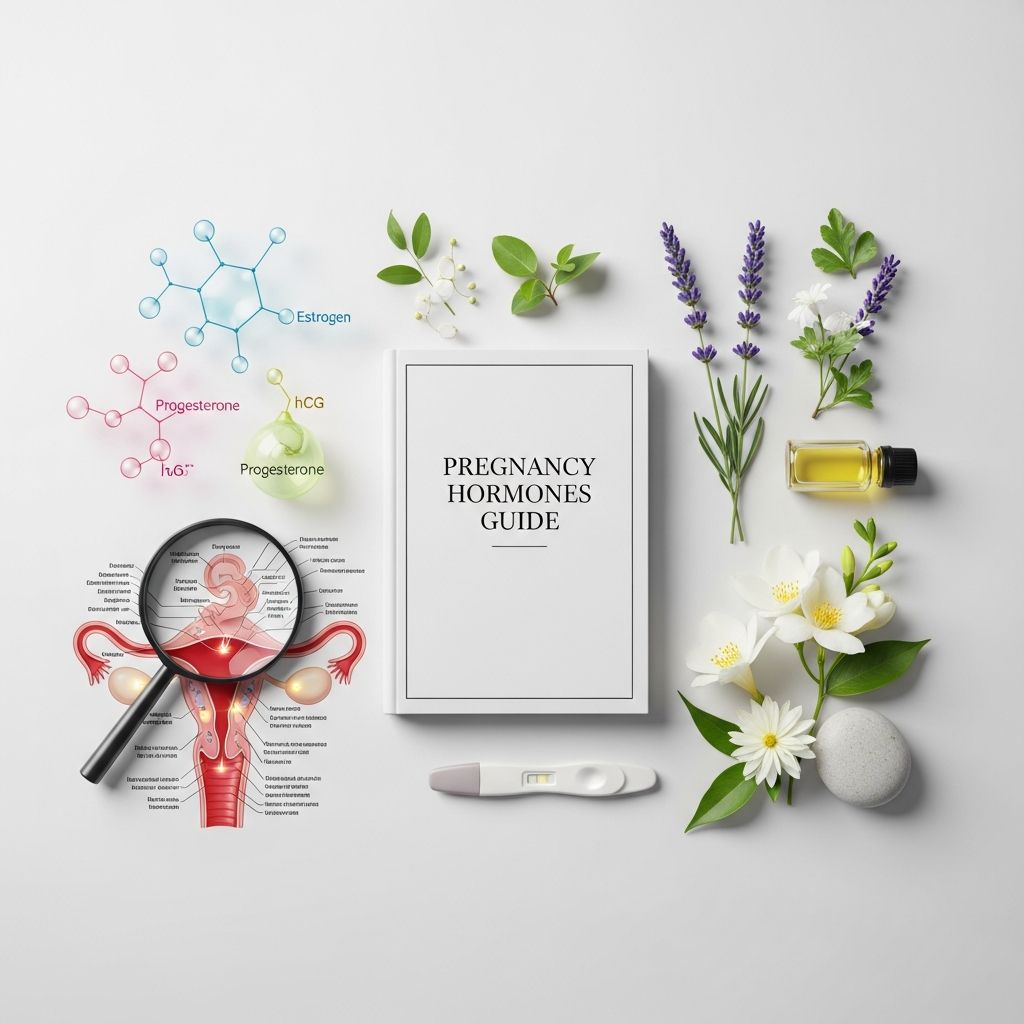
During pregnancy, your body undergoes a remarkable transformation driven by a cascade of hormones. These chemical messengers orchestrate everything from fetal development to maternal adaptations, influencing physical changes, emotional shifts, and labor preparation. This guide breaks down the primary pregnancy hormones, their peak times, functions, and side effects, empowering you with knowledge for a smoother journey.
The Major Players: Key Pregnancy Hormones and Their Roles
Pregnancy hormones surge dramatically, some appearing only after conception while others amplify pre-existing levels. Here’s an overview of the essentials:
- hCG (Human Chorionic Gonadotropin): Produced by the developing placenta shortly after implantation, this hormone sustains the corpus luteum to maintain early pregnancy.
- Progesterone: Rises steadily to support uterine growth and prevent contractions.
- Estrogen (Estradiol): Escalates to promote fetal organ development and maternal tissue changes.
- hPL (Human Placental Lactogen): Ensures nutrient supply to the fetus while preparing breasts for lactation.
- Prolactin: Builds milk production capacity in the breasts.
- Oxytocin: Triggers labor contractions and supports breastfeeding.
- Relaxin: Loosens ligaments for birth preparation.
hCG: The Early Detection Hormone
Human Chorionic Gonadotropin, or hCG, is the first hormone to spike after fertilization, detectable in blood as early as 8-11 days post-conception and in urine shortly after. Secreted by placental cells, it signals the ovaries to keep producing progesterone until the placenta assumes this role around week 10.
Levels double every 48-72 hours in early pregnancy, peaking between weeks 8-11, then gradually declining. This hormone is crucial for:
- Maintaining the uterine lining.
- Suppressing maternal immunity to protect the embryo.
- Stimulating fetal gonadal development.
Common effects include intense fatigue, breast tenderness, and morning sickness, as hCG combined with estrogen often triggers nausea. High levels may indicate multiples or molar pregnancy, warranting monitoring.
Progesterone: The Uterine Guardian
Progesterone production shifts from the ovaries to the placenta by the second trimester, reaching 10 times pre-pregnancy levels. It relaxes uterine smooth muscles to accommodate growth, thickens the endometrial lining, and bolsters immunity.
Beyond the uterus, progesterone impacts the entire body:
| Body System | Effects |
|---|---|
| Gastrointestinal | Slows digestion, causing constipation, heartburn, and bloating. |
| Respiratory | Relaxes bronchial muscles, potentially increasing asthma risk. |
| Skin/Hair | Promotes fine hair growth (lanugo-like) on face or body. |
| Mood | Contributes to emotional swings and drowsiness. |
To manage side effects, opt for high-fiber diets, small frequent meals, and prenatal yoga.
Estrogen Surge: Fueling Growth and Changes
Estrogen, primarily estradiol, skyrockets 100-fold by late pregnancy, produced by the ovaries, placenta, and fetus. It drives blood flow increases (up to 50%), fetal lung and organ maturation, and breast duct development.
Notable impacts include:
- Enhanced skin pigmentation (melasma or linea nigra).
- Increased body warmth and sweating.
- Joint laxity via ligament softening.
- Nausea exacerbation in first trimester.
Elevated estrogen also boosts thyroxine-binding globulin, enlarging the thyroid gland for higher metabolism demands.
hPL and Nutrient Mastery
Human Placental Lactogen emerges around week 2, peaking in the third trimester. It acts like a growth hormone, mobilizing maternal glucose and fats for fetal nutrition while stimulating mammary glands.
This leads to maternal insulin resistance, raising blood sugar—monitor for gestational diabetes. hPL ensures the baby gets priority nutrients.
Prolactin and Oxytocin: Preparing for Motherhood
Prolactin levels multiply 10-20 times, developing alveolar cells for milk synthesis from mid-pregnancy. High progesterone blocks milk release until after birth.
Oxytocin, the ‘love hormone,’ surges during labor to contract the uterus, expel the baby, and facilitate breastfeeding via nipple stimulation. Postpartum, it aids uterine involution.
Relaxin and Other Supporting Hormones
Relaxin, from ovaries and placenta, inhibits uterine contractions early on while softening the cervix and pubic symphysis for delivery. It also relaxes blood vessels, contributing to common swelling.
Other shifts include PTHrP elevating calcium for fetal bones and prorenin from ovaries influencing blood pressure.
Hormonal Timeline Across Trimesters
| Trimester | Dominant Hormones | Key Changes |
|---|---|---|
| First (Weeks 1-12) | hCG peaks, progesterone/estrogen rise | Nausea, fatigue, breast growth, frequent urination. |
| Second (13-26) | Estrogen/hPL climb, stable hCG decline | Energy boost, skin changes, round ligament pain. |
| Third (27-40) | Prolactin/oxytocin prepare for birth | Swelling, Braxton Hicks, nesting instincts. |
This progression ensures steady fetal development while adapting the mother’s physiology.
Emotional and Psychological Impacts
Hormone fluctuations trigger mood swings, anxiety, or weepiness, especially progesterone and estrogen interplay in the first trimester. Estrogen enhances serotonin, but rapid shifts can mimic PMS amplified.
- Tips: Practice mindfulness, maintain social connections, exercise moderately, and consult providers for persistent issues.
Postpartum, plummeting hormones increase ‘baby blues’ risk; awareness aids coping.
Managing Common Discomforts
Hormones cause varied symptoms—here’s how to navigate:
- Nausea: Ginger tea, acupressure bands, vitamin B6.
- Constipation: Hydrate, fiber-rich foods, stool softeners if approved.
- Fatigue: Nap strategically, balanced nutrition.
- Swelling: Elevate feet, reduce salt.
Frequently Asked Questions (FAQs)
Do all pregnancy hormones cause side effects?
Not necessarily; many women experience mild symptoms. Severity varies by genetics, health, and multiples.
Can hormone levels predict pregnancy health?
hCG trends can flag issues like ectopic pregnancy if not rising properly. Routine ultrasounds complement blood tests.
How do hormones affect sleep?
Progesterone induces drowsiness; later discomfort from baby size disrupts rest. Aim for pregnancy pillows.
Will hormones impact my thyroid?
Yes, estrogen raises binding proteins, potentially needing thyroid checks, especially with history.
What happens to hormones after birth?
Levels drop sharply within days, stabilizing over weeks. Breastfeeding sustains prolactin/oxytocin.
Conclusion: Embracing Hormonal Harmony
Pregnancy hormones are masterful conductors of this life-creating process. Understanding them demystifies symptoms, fosters proactive care, and celebrates your body’s resilience. Always consult healthcare providers for personalized advice.
References
- 6 Types of Pregnancy Hormones That You Need to Know — Morula IVF. 2023. https://www.morulaivf.co.id/en/blog/types-of-pregnancy-hormones-that-you-need-to-know/
- Physiological Changes in Pregnant Women Due to Hormonal Variations — PMC (NCBI). 2024-03-15. https://pmc.ncbi.nlm.nih.gov/articles/PMC10993087/
- Pregnancy Hormones — Dr Peter England, Private Obstetrician. 2019-12-09. https://www.drpeterengland.com.au/2019/12/09/pregnancy-hormones/
- Hormones in Pregnancy and Labour — NCT. Accessed 2026. https://www.nct.org.uk/information/pregnancy/body-pregnancy/hormones-pregnancy-and-labour