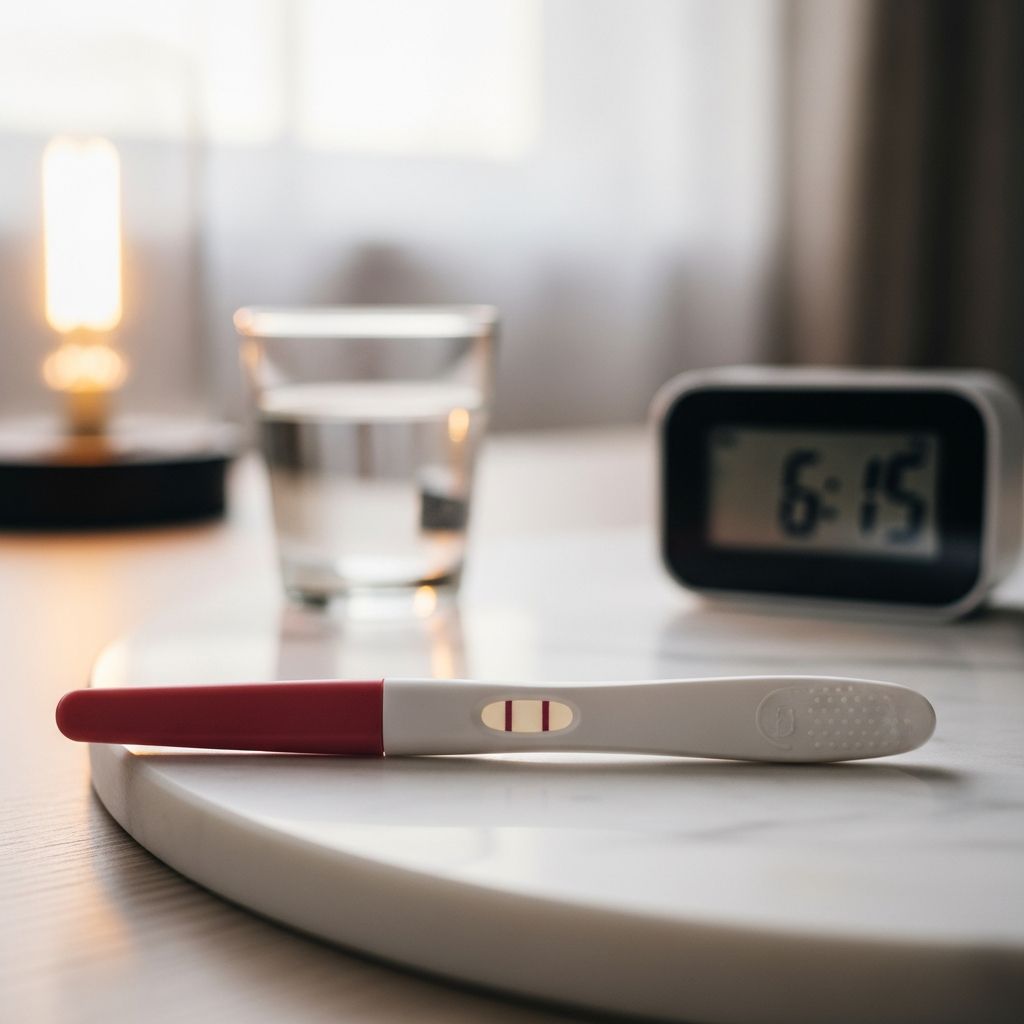
Pregnancy is a major life transition that mixes excitement, questions, and plenty of new information. This guide walks through the journey step by step so you can feel more confident and prepared.
Understanding Pregnancy in Simple Terms
Pregnancy typically lasts about 40 weeks and is usually divided into three main parts called trimesters. Each stage brings changes in your body and in your growing baby, and knowing what to expect can make the experience less overwhelming.
While every pregnancy is unique, many people share similar physical symptoms, emotional shifts, and medical checkups along the way. Use this article as a starting point and ask your health care provider about anything that feels unclear or worrying.
Before and Right After the Positive Test
Many people realize they are pregnant after noticing a missed period or unexplained symptoms like breast tenderness or nausea. Home pregnancy tests measure a hormone in urine and are widely available, but any positive result should be confirmed with a health care provider.
Common Early Signs
- Missed or lighter-than-usual menstrual period.
- Breast swelling, tenderness, or tingling sensations.
- Mild cramping or spotting around the time of the missed period.
- Fatigue that feels stronger than typical tiredness.
- Nausea with or without vomiting, often labeled “morning sickness” but possible at any time of day.
- Increased need to urinate and a more sensitive sense of smell.
First Steps After a Positive Test
- Call a health care provider to schedule your first prenatal visit.
- Begin or continue taking a prenatal vitamin that includes folic acid, as recommended by your provider.
- Avoid alcohol, tobacco, recreational drugs, and limit or discuss any prescription or over-the-counter medicines.
- Start paying attention to rest, hydration, and balanced meals, even if your appetite changes.
The Three Trimesters: What to Expect
Breaking pregnancy into trimesters helps you understand the kinds of changes and milestones that are likely in each part of the journey. Remember that exact timing may vary and your provider is the best person to interpret your individual situation.
| Trimester | Approximate Weeks | Key Changes in You | Key Changes in Baby |
|---|---|---|---|
| First trimester | Conception to around week 12 | Hormonal shifts, fatigue, nausea, breast tenderness, emotional ups and downs. | Organs and body systems begin forming; rapid growth from a cluster of cells to a tiny fetus. |
| Second trimester | About weeks 13–26 | Energy often improves, belly becomes more visible, first baby movements may be felt. | Growth in size and strength; more defined facial features; movement becomes more coordinated. |
| Third trimester | About weeks 27–birth | Increased weight, backache, shortness of breath, sleep changes, stronger practice contractions. | Further brain, lung, and fat development; baby usually settles head-down preparing for birth. |
First Trimester: The Adjustment Phase
The first trimester is a time of rapid internal change. Even before there is a visible bump, your hormones shift dramatically, affecting energy level, digestion, and mood.
Physical Changes You Might Notice
- Strong fatigue, often making you feel like napping more than usual.
- Nausea, queasiness, food aversions, or cravings.
- Heightened sensitivity to smells and changes in taste.
- More frequent urination, sometimes disrupting sleep.
- Mood swings, irritability, or sudden tears.
How to Cope in Early Pregnancy
- Eat small, frequent meals to help with nausea instead of three large meals.
- Keep bland snacks, such as crackers or toast, near the bed if morning queasiness is a problem.
- Drink fluids regularly to avoid dehydration, especially if vomiting is frequent.
- Rest when possible and adjust your schedule if you can to allow extra sleep.
- Discuss severe symptoms such as intense vomiting, heavy bleeding, or sharp pain with your provider right away.
First Prenatal Visits
During early appointments, your provider will ask about your medical history, confirm pregnancy, and estimate a due date. Expect a physical exam, possibly lab tests, and clear instructions on nutrition, activity, and warning signs to watch for.
Second Trimester: The “Middle” Stretch
Many parents describe the second trimester as a more comfortable stage. Energy often returns, you may sleep a bit better, and the visible bump can make the pregnancy feel more real and exciting.
Typical Experiences in the Second Trimester
- Noticeable belly growth and weight gain.
- Feeling your baby move for the first time, sometimes described as flutters or tiny taps.
- Less nausea than early in pregnancy, although digestion can still feel different.
- Possible leg cramps, nasal congestion, or mild swelling of ankles and feet.
Medical Visits and Tests in Mid-Pregnancy
Appointments usually become more routine in the second trimester. Your provider may listen to the baby’s heartbeat, measure your abdomen, and discuss optional screening or diagnostic tests to evaluate your baby’s development.
Planning and Preparing During the Second Trimester
- Begin discussing birth preferences and pain relief options with your provider.
- Look into childbirth education, breastfeeding classes, and parenting workshops.
- Start practical preparations for your home, such as identifying a safe sleep space for the baby.
- Talk with your employer about parental leave options and workplace plans.
Third Trimester: Getting Ready to Meet Baby
The final trimester can feel both long and very busy. Your body carries more weight, your baby grows quickly, and thoughts often turn toward birth, recovery, and early parenting.
Common Late-Pregnancy Symptoms
- Shortness of breath and faster tiring due to the baby pressing against your diaphragm.
- Backache, pelvic pressure, and difficulty finding a comfortable sleeping position.
- More frequent urination and possible heartburn.
- Swelling of feet or hands; sudden or severe swelling should be discussed with a provider.
- Irregular, mild contractions known as practice contractions that usually ease with rest or hydration.
Preparing for Labor and Birth
- Finalize your birth plan, keeping in mind that flexibility is helpful if circumstances change.
- Pack a hospital or birth center bag with essentials such as clothing, toiletries, and items for the baby.
- Arrange childcare for older children and plans for pets, transportation, and support people.
- Review signs of labor with your provider, including when to call or come in.
End-of-Pregnancy Checkups
Visits usually become more frequent in the third trimester. Your provider monitors your blood pressure, assesses baby’s position, and keeps track of your overall health to support a safe birth for you and your baby.
Staying Healthy During Pregnancy
Your daily choices can support your health and your baby’s growth. Focus on realistic, sustainable habits rather than perfection.
Nutrition Basics
- Include a variety of fruits, vegetables, whole grains, and protein sources such as beans, eggs, fish low in mercury, poultry, or lean meats.
- Choose dairy or fortified alternatives to supply calcium and vitamin D.
- Limit highly processed foods and sugary drinks, which add calories without many nutrients.
- Avoid unpasteurized products, raw or undercooked meats, and foods your provider flags as unsafe in pregnancy.
Safe Activity and Rest
- Ask your provider which types of exercise are appropriate for you; many people benefit from walking, swimming, or prenatal yoga.
- Stop any activity that causes dizziness, chest pain, or bleeding.
- Use pillows for support when sleeping on your side, especially in later pregnancy.
- Build short breaks into your day to elevate your feet and rest your back.
What to Avoid or Limit
- Do not use alcohol, tobacco, vaping products, or recreational drugs during pregnancy.
- Check every medicine or herbal supplement with your provider or pharmacist.
- Limit exposure to strong chemicals, fumes, and high-heat environments like hot tubs or saunas.
Emotional Well-Being and Mental Health
Pregnancy does not only affect the body. It can also bring up strong emotions, past experiences, and worries about the future. Feeling a wide range of moods is normal, but persistent distress deserves attention.
Common Feelings During Pregnancy
- Excitement about the baby and anticipation of meeting them.
- Anxiety about health, finances, birth, or parenting skills.
- Shifts in self-image related to body changes and new roles.
- Moments of sadness, frustration, or feeling overwhelmed.
When to Reach Out for Help
- If you feel hopeless, numb, or very anxious most days.
- If you lose interest in activities you usually enjoy for more than two weeks.
- If you have trouble sleeping that is not just due to discomfort.
- If you have thoughts of harming yourself or others, seek emergency help immediately.
Support can come from health care providers, therapists, support groups, trusted friends, and family. Emotional care is just as important as physical care during pregnancy.
Partners and Support People: How to Help
Partners, relatives, and close friends can play a powerful role in supporting someone who is pregnant. Feeling backed up by others often makes the experience less stressful and more joyful.
Practical Ways to Support
- Attend prenatal appointments when possible to stay informed and involved.
- Help with daily tasks such as meals, household chores, and caring for other children.
- Ask what kind of support is most helpful instead of assuming.
- Learn about labor, birth, and newborn care so you feel prepared to participate.
Emotional Support
- Listen without judgment when fears or worries are shared.
- Reassure the pregnant person that they are not alone in this experience.
- Encourage rest, breaks, and time for self-care.
- Watch for signs of emotional distress and encourage seeking professional help if needed.
Warning Signs That Need Medical Attention
Many pregnancy symptoms are uncomfortable but normal. However, some signs can point to serious issues and should prompt a call to your health care provider or emergency services right away.
Contact Your Provider Immediately If You Notice
- Heavy vaginal bleeding or passing large clots.
- Severe or sudden abdominal pain, cramps, or pelvic pressure.
- Severe headache, vision changes, or swelling of the face and hands that appears suddenly.
- Fever, chills, or burning with urination.
- Fluid leaking from the vagina before term or a sudden gush of fluid.
- Significant decrease in baby’s movements after they have been moving regularly.
When in doubt, it is safer to call and ask. Health professionals would rather reassure you than miss a problem that needs prompt care.
After Birth: A Quick Look Ahead
Although this guide focuses on pregnancy, it helps to think ahead to the early days after birth. Recovery and newborn care bring new physical and emotional demands.
Postpartum Considerations
- Expect bleeding and cramping as your body recovers; ask your provider which changes are normal.
- Babies feed frequently and may wake often at night, making shared caregiving important.
- Postpartum mood shifts are common; some people develop depression or anxiety that needs treatment.
Pregnancy FAQs
How soon should I see a provider after a positive home test?
Contact a health care provider as soon as you confirm a positive test. Many clinics schedule first prenatal visits within the first few weeks after a missed period, but timing varies based on local practice and your medical history.
Is it safe to exercise during pregnancy?
Light to moderate activity is safe for many pregnant people and can improve mood, sleep, and circulation. Always talk with your provider before starting, continuing, or changing an exercise routine, especially if you have medical conditions or pregnancy complications.
How much weight will I gain?
Recommended weight gain depends on your body size and health before pregnancy. Your provider can give a personalized range and will track your growth curve at each visit to make sure you and your baby are progressing well.
Can I keep working while pregnant?
Many people work throughout much of their pregnancy. You may need adjustments to your schedule or tasks as your body changes, and your provider can offer documentation if you need workplace accommodations.
When will I feel the baby move?
First-time parents often notice movement sometime in the middle of pregnancy, described as gentle flutters at first. Timing differs from person to person and can depend on body size, baby’s position, and placenta location, so ask your provider if you have concerns.