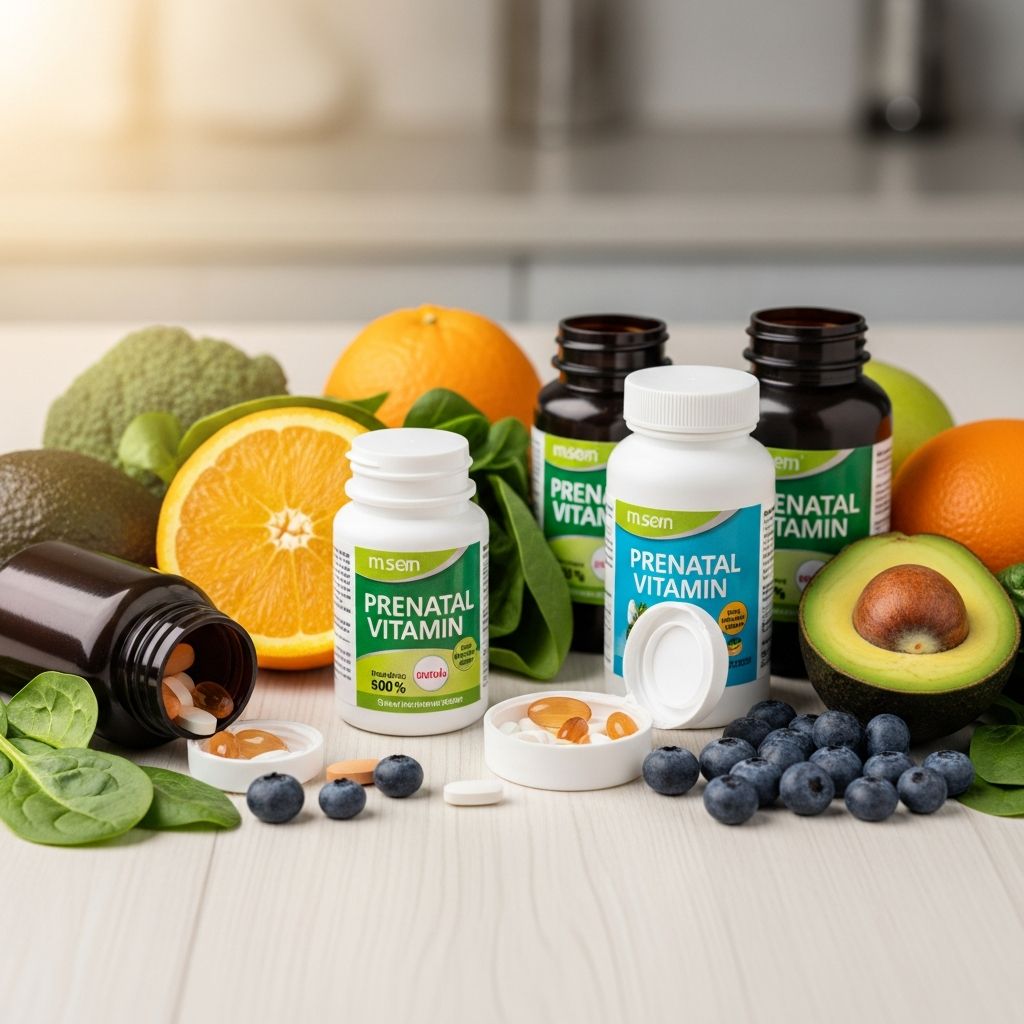
The phenomenon known as **pregnancy glow** captivates many expectant mothers and onlookers alike, often described as a natural radiance that lights up the face and skin. Far from mere folklore, this glow stems from profound physiological transformations designed to nurture both mother and baby. Throughout this article, we delve into the biological mechanisms driving this effect, when it typically appears, potential downsides, and practical strategies to amplify or maintain it safely.
Biological Foundations of the Radiant Look
During pregnancy, the body undergoes a symphony of changes to support fetal development. These adaptations not only sustain life but also manifest visibly on the skin, creating that coveted luminous quality.
Hormonal Surges and Their Visible Impact
One primary driver is the dramatic rise in key hormones like estrogen, progesterone, and human chorionic gonadotropin (hCG). Estrogen levels can increase up to 100 times normal amounts by the third trimester, stimulating sebaceous glands to produce more oil. This extra sebum acts as a natural moisturizer, lending skin a smoother, shinier appearance. Progesterone, meanwhile, enhances blood vessel dilation, contributing to a flushed, rosy complexion. These shifts peak in the second trimester, often coinciding with reduced nausea and fatigue, allowing the glow to shine through.
Cardiovascular Changes: The Blood Flow Boost
A standout change is the expansion of blood volume—rising by approximately 50% overall, with plasma volume surging 50-60% by late pregnancy. This escalation ensures oxygen and nutrients reach the placenta and fetus efficiently. The heightened circulation dilates capillaries, particularly in the face, imparting a healthy pink hue and plumper skin texture. Improved delivery of oxygen to skin cells accelerates cell turnover, sloughing off dull layers to reveal fresher skin beneath.
Thermal and Structural Skin Adaptations
Expectant women often notice a slight elevation in basal body temperature due to progesterone and increased metabolic demands. This can lead to subtle flushing or even mild heat rashes, mimicking a glow effect. Additionally, as the skin stretches to accommodate the growing uterus, it thins slightly, allowing underlying vascularity to show more prominently, enhancing luminosity. Better nutrition from prenatal vitamins may also play a subtle role, supporting collagen production for firmer, brighter skin.
When Does the Glow Typically Emerge?
Not every pregnancy features a uniform glow timeline, but patterns emerge from physiological peaks.
- First Trimester: Often subdued by morning sickness, fatigue, and initial hormone acclimation; glow is rare here.
- Second Trimester: Prime time for radiance, as blood volume ramps up, hormones stabilize, and nausea eases—many report peak glow around weeks 13-27.
- Third Trimester: Glow may persist or intensify with maximal blood flow, though swelling or discomfort can mask it.
Individual factors like genetics, baseline skin type, hydration, and diet influence intensity and duration. Some women glow throughout, while others see it fleetingly.
Potential Drawbacks: Not Always Picture-Perfect
While glowing skin sounds idyllic, the same changes can trigger challenges. Heightened oil production may clog pores, leading to acne breakouts, especially in those prone to it. Hormonal influences can cause hyperpigmentation, such as melasma (dark patches on the face), affecting up to 70% of pregnancies. Spider veins or stretch marks might appear due to stretched, vascular skin. Heat sensitivity could exacerbate rashes. These are temporary for most, resolving postpartum as hormones normalize.
| Benefit | Potential Issue | Mitigation Tip |
|---|---|---|
| Increased radiance from circulation | Acne from oil surge | Gentle, non-comedogenic cleansers |
| Smoother texture via hydration | Melasma patches | Broad-spectrum SPF 30+ daily |
| Plumper, youthful look | Heat rashes | Breathable fabrics, cool showers |
Safe Strategies to Enhance Your Glow
Embrace the glow while safeguarding skin health with pregnancy-safe practices. Prioritize gentle routines avoiding retinoids, salicylic acid over 2%, or hydroquinone.
Daily Skincare Essentials
- Cleanse mildly: Use fragrance-free, hydrating cleansers twice daily to remove excess oil without stripping moisture.
- Hydrate liberally: Opt for hyaluronic acid or ceramide-based moisturizers to lock in the natural oils.
- Protect from sun: Mineral sunscreens with zinc oxide are ideal, as pregnancy heightens pigmentation risks.
- Exfoliate softly: Weekly chemical exfoliants like lactic acid (under 10%) promote cell turnover safely.
Lifestyle Boosters
Stay hydrated (aim for 10-12 glasses daily), eat antioxidant-rich foods (berries, leafy greens, nuts), and get moderate exercise to amplify circulation. Adequate sleep supports skin repair. Consult a dermatologist for persistent issues.
Myths and Cultural Perspectives on Pregnancy Glow
Folklore attributes glow to maternal joy or even baby gender—boys supposedly enhance it more, though no evidence supports this. Historical texts from centuries ago romanticized it as happiness-induced luster. Scientifically, it’s tied to biology, not emotion alone, though positive mindset may subtly enhance perceived radiance via better self-care. A 2020 study noted early pregnancy alters facial attractiveness through subtle softening and symmetry improvements, perceived as glow.
Frequently Asked Questions (FAQs)
Is pregnancy glow real or just a myth?
Yes, it’s real, driven by 50% increased blood volume, hormone surges, and better circulation, not folklore.
Why don’t some women experience pregnancy glow?
Factors like severe nausea, skin type, stress, or genetics can overshadow it; not everyone glows equally.
Does pregnancy glow mean I’m having a boy?
No scientific link exists; gender myths lack evidence—ultrasound at 16+ weeks confirms sex.
How can I get pregnancy glow if I don’t have it naturally?
Boost with hydration, nutrition, sun protection, and gentle skincare; avoid unsafe products.
Will skin issues like acne from pregnancy hormones go away?
Typically yes, postpartum as hormones balance, but proactive care speeds recovery.
Can I use regular skincare products while pregnant?
Stick to pregnancy-safe ones; avoid retinoids, high salicylic acid, and certain essentials oils—check with a doctor.
Maintaining Radiance Beyond Pregnancy
Postpartum, the glow often fades as blood volume and hormones normalize within weeks. However, habits like consistent SPF, hydration, and balanced diet sustain healthy skin long-term. Breastfeeding may prolong some benefits via sustained prolactin. Track changes and seek professional advice for lingering pigmentation or acne.
Pregnancy glow symbolizes the body’s remarkable adaptations—a testament to life’s creation. Whether subtle or striking, it’s a fleeting gift worth appreciating and nurturing safely.
References
- Pregnancy Glow is Real, No Myth — Dr. Lam, Lam Clinic. 2023. https://lamclinic.com/blog/what-causes-the-pregnancy-glow/
- Unpacking the Science Behind the Pregnancy Glow — Americord Blood. 2023. https://www.americordblood.com/articles/unpacking-the-science-behind-the-pregnancy-glow
- Pregnancy Glow — American Pregnancy Association. 2024. https://americanpregnancy.org/healthy-pregnancy/changes-in-your-body/pregnancy-glow/
- Glowing Skin During Pregnancy: Why It Happens — Healthline. 2023-05-10. https://www.healthline.com/health/pregnancy-glow
- What Is Pregnancy Glow? And Why It Happens — Cleveland Clinic. 2024. https://health.clevelandclinic.org/pregnancy-glow
- Shifts in Female Facial Attractiveness during Pregnancy — PMC/NIH. 2020-07-29. https://pmc.ncbi.nlm.nih.gov/articles/PMC7400433/