When Favorite Foods Become Intolerable: The Reality of Pregnancy Food Aversions
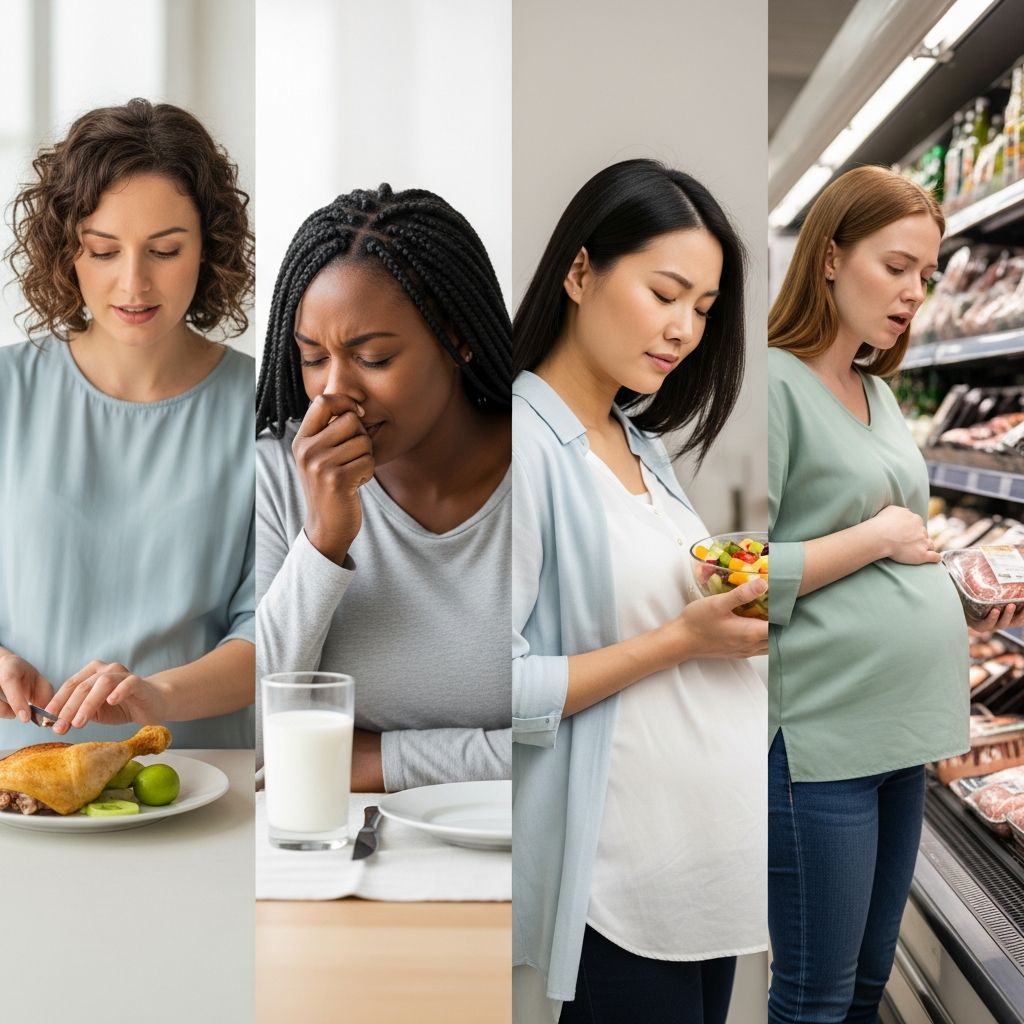
Pregnancy brings remarkable transformations to a woman’s body, and among the most noticeable changes is how food preferences can shift dramatically. What once felt comforting and delicious may suddenly trigger nausea, disgust, or an overwhelming urge to avoid it entirely. This phenomenon, known as food aversion, affects a significant portion of pregnant individuals and can substantially impact daily eating patterns and nutritional intake during this critical period.
Between 50% and 85% of pregnant women experience food aversions, particularly during the first half of pregnancy, making this one of the most common physiological changes of gestation. The intensity and duration of these aversions vary widely among individuals, but understanding their underlying causes can help expectant mothers navigate this challenging aspect of pregnancy more effectively.
The Hormonal Foundation: How Body Chemistry Triggers Food Rejection
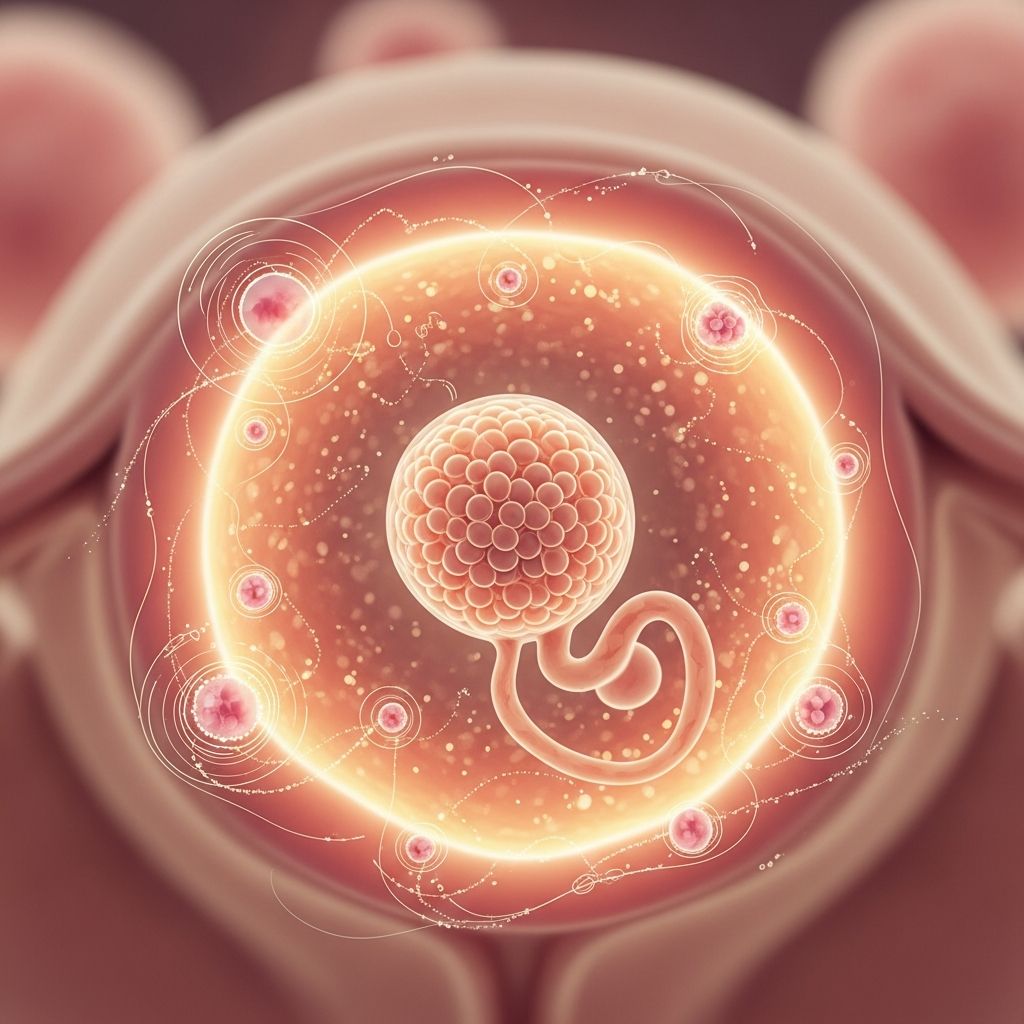
The primary driver behind food aversions during pregnancy is the dramatic surge in hormones, particularly human chorionic gonadotropin (hCG). This hormone, which confirms a positive pregnancy test, increases exponentially during the first trimester, doubling every few days. This rapid hormonal escalation creates a cascade of physiological changes that directly influence how the body processes sensory information related to food.
hCG levels reach their peak around week 11 of pregnancy before stabilizing at lower levels. The rapid fluctuations during this early period correspond closely with the onset and intensity of food aversions and morning sickness. As hormone levels stabilize moving into the second trimester, many women experience relief from these symptoms, though some food aversions may persist throughout the entire pregnancy for certain individuals.
Beyond hCG, progesterone—another pregnancy hormone—affects digestive function by relaxing smooth muscles throughout the gastrointestinal tract. This hormonal action slows digestion considerably, making heavier, fattier, or harder-to-digest foods more likely to cause queasiness or discomfort. This explains why fried foods, high-fat meals, and rich dishes frequently become unappealing during pregnancy.
Sensory Transformation: When Smell and Taste Change Dramatically
One of the most significant yet often underappreciated aspects of pregnancy involves changes to the senses of smell and taste. Up to 90% of pregnant women experience heightened olfactory sensitivity, meaning they can detect odors at lower concentrations and may perceive familiar scents as more intense than before pregnancy. While absolute smell detection thresholds remain relatively unchanged, the brain’s interpretation of odors shifts noticeably.
Additionally, nearly 93% of expectant parents report experiencing alterations in taste perception, frequently describing a metallic or sour taste in the mouth that persists throughout portions of the day. These sensory changes combine to create an environment where previously neutral or pleasant food smells become perceived as unpleasant or even repulsive. Foods with potent aromas—whether sulfurous vegetables like garlic and onions, pungent proteins like fish and meat, or aromatic beverages like coffee—become primary targets for aversion.
Interestingly, while certain smells become decidedly unpleasant, others may become more appealing. For instance, many pregnant women report that fruity aromas seem more pleasant during pregnancy, even as meat and smoke odors trigger stronger negative reactions. This selective enhancement and suppression of odor perception appears to follow a specific biological pattern.
The Protective Adaptation Theory: Biology’s Defense Mechanism
Researchers have proposed several fascinating hypotheses to explain why food aversions evolved as a pregnancy-related phenomenon. The maternal-embryo protection hypothesis suggests that pregnant bodies develop an enhanced sensitivity to potentially harmful substances as a protective mechanism for the developing fetus. This theory posits that food aversions naturally guide pregnant individuals away from foods that could harbor pathogens or contain teratogenic compounds.
Supporting this hypothesis, pregnant women frequently report aversions to foods with recognized risks during pregnancy. Raw or undercooked meats, unpasteurized dairy products, and high-mercury fish align with medical recommendations for pregnancy dietary restrictions. Additionally, the aversion to certain spices and strong-smelling foods may represent evolutionary adaptation, as these ingredients can mask spoilage or bacterial contamination.
The gestational metabolic syndrome avoidance hypothesis presents another compelling explanation. This theory suggests that food aversions may steer pregnant individuals away from foods that increase risk for gestational diabetes or preeclampsia, conditions that complicate pregnancy and threaten maternal and fetal health. By reducing consumption of certain high-glycemic or high-sodium foods, the body may be attempting to optimize metabolic health during pregnancy.
A third contributing factor involves the relationship between nausea and food aversions. The same hormonal and physiological changes that trigger morning sickness also fuel food aversions. Research indicates that individuals experiencing severe nausea and vomiting often develop stronger aversions to foods they eat during episodes of illness, as the body creates negative associations between specific flavors and gastrointestinal distress.
The Most Commonly Reported Food Aversions
While food aversions vary considerably among individuals, certain foods appear on aversion lists far more frequently than others. These foods typically share characteristics of strong flavors, potent aromas, or heavy textures that may exacerbate nausea or trigger heightened sensory responses.
| Food Category | Common Examples | Likely Reason for Aversion |
|---|---|---|
| Proteins | Red meat, poultry, eggs, fish | Strong odor, rich texture, association with nausea |
| Beverages | Coffee, tea, alcoholic drinks | Intense aroma, bitter taste, caffeine sensitivity |
| Prepared Foods | Fried foods, fatty dishes | Difficult digestion, strong cooking odors |
| Seasonings | Spicy foods, garlic, onions | Potent flavor and smell, potential digestive upset |
| Dairy | Milk, cheese, cream-based dishes | Texture, richness, metallic taste interaction |
Among these categories, meat products consistently rank as the most frequently avoided foods during pregnancy, with fish following closely. The combination of strong odor, protein-rich composition, and potential bacterial contamination concerns makes these foods particularly susceptible to aversion. Coffee and tea round out the top tier of commonly avoided beverages, likely due to their distinctive aromas and caffeine content, which some pregnant individuals prefer to limit.
Timeline and Duration: When Aversions Emerge and Resolve
Food aversions typically begin appearing in the earliest weeks of pregnancy, often coinciding with other first-trimester symptoms like morning sickness and breast tenderness. Many women report noticing food aversions even before they formally confirm their pregnancy, making it one of the earliest indicators of gestation.
The intensity of food aversions often peaks during the first trimester when hCG levels are rising most rapidly. As pregnancy progresses into the second trimester and hormonal levels stabilize, many women experience significant relief. Morning sickness and its associated food aversions often diminish substantially by weeks 12 to 14 of pregnancy, allowing previously avoided foods to gradually become tolerable again.
However, individual experiences vary considerably. Some pregnant individuals maintain specific food aversions throughout their entire pregnancy, while others experience complete resolution by the second trimester. A small percentage of women report that certain food aversions persist even into the postpartum period, though this typically resolves within weeks of delivery as hormonal levels normalize.
For those experiencing persistent aversions, it can be worthwhile to occasionally reintroduce avoided foods later in pregnancy, as taste preferences may have shifted. A food that seemed unbearable at eight weeks might become acceptable by six months of pregnancy.
Nutritional Implications: Maintaining Healthy Eating Despite Aversions
While occasional food aversions represent a normal pregnancy experience, severe or widespread aversions can create genuine nutritional challenges. Pregnancy demands increased intake of critical nutrients including iron, folate, iodine, calcium, and protein—all essential for fetal development and maternal health. When food aversions prevent consumption of nutrient-dense foods, supplementation and creative substitution become necessary.
If meat aversions develop, alternative protein sources including legumes, Greek yogurt, nuts, and plant-based proteins can provide adequate amino acids. For those avoiding coffee and tea, herbal beverages or natural fruit juices can offer hydration without triggering nausea. When dairy aversions occur, fortified non-dairy alternatives provide calcium and vitamin D crucial for bone development.
The key to managing food aversions nutritionally involves working with healthcare providers to identify adequate substitutes and, when necessary, pursuing prenatal supplementation to fill nutritional gaps. Regular monitoring of weight gain and fetal development helps ensure that aversions haven’t compromised pregnancy health.
Strategies for Coping With Food Aversions
Successfully navigating food aversions requires acknowledging their reality while implementing practical solutions that support both maternal well-being and fetal nutrition.
- Focus on tolerable foods: Rather than forcing consumption of aversive foods, concentrate on eating the foods that feel appealing and manageable. This reduces stress and increases actual nutrient intake.
- Experiment with preparation methods: Sometimes the aversion relates to how a food is prepared rather than the food itself. Grilled chicken might be acceptable when fried chicken is not; cold milk might work when warm milk triggers nausea.
- Manage odor exposure: Since heightened smell perception drives many aversions, minimizing exposure to offensive cooking odors through ventilation or having others prepare meals can reduce triggers.
- Consider timing and combinations: Eating smaller, more frequent meals and pairing proteins with carbohydrates often reduces nausea and makes previously aversive foods more tolerable.
- Identify safe alternatives: For each commonly aversive nutrient category, identify alternatives that feel acceptable and incorporate them regularly into meals.
- Communicate with healthcare providers: Discussing specific food aversions with doctors or registered dietitian nutritionists ensures that nutritional needs remain met despite dietary restrictions.
When Food Aversions Warrant Medical Attention
While food aversions represent a normal pregnancy experience, certain situations require professional evaluation. Pregnant individuals should contact their healthcare provider if food aversions result in inability to gain weight appropriately, if they prevent consumption of most foods, or if they contribute to signs of nutritional deficiency including fatigue, frequent headaches, or dizziness.
Additionally, if morning sickness reaches levels preventing food or fluid intake, or if weight loss occurs, medical intervention becomes necessary. These situations may indicate hyperemesis gravidarum, a severe form of pregnancy nausea requiring specific treatment. Similarly, if cravings develop for non-food items like dirt, chalk, or laundry starch (a condition called pica), medical evaluation should occur to rule out underlying nutritional deficiencies like iron deficiency anemia.
Signs of dehydration including dark or strong-smelling urine, dry mouth, and dizziness should also prompt communication with a healthcare provider, as adequate fluid intake remains critical during pregnancy despite food aversions.
Frequently Asked Questions
Are food aversions a sign that I’m pregnant?
Food aversions can be an early pregnancy symptom, though they can also occur for other reasons. Combined with missed periods, breast tenderness, and nausea, food aversions may suggest pregnancy and warrant a pregnancy test.
If I can’t eat certain proteins due to aversions, will my baby be healthy?
Your baby can remain healthy with adequate protein from alternative sources including legumes, dairy products, nuts, seeds, and plant-based options. Work with your healthcare provider to ensure sufficient protein intake through tolerable foods.
Can food aversions affect my baby’s development?
Mild to moderate food aversions typically don’t negatively impact fetal development, provided overall nutrition remains adequate. Severe aversions limiting most foods or preventing adequate calorie intake may require medical intervention.
Will food aversions completely disappear after pregnancy?
For most women, food aversions resolve as hormonal levels return to normal after delivery. However, some individuals may maintain slight preferences for several weeks postpartum.
Is it safe to take prenatal vitamins if I can’t eat certain foods?
Yes, prenatal vitamins provide essential nutrients when food aversions prevent consumption of nutrient-dense foods. They serve as insurance that your baby receives adequate vitamins and minerals despite dietary limitations.
References
- Of scents and cytokines: How olfactory and food aversions relate to pregnancy-related nausea and vomiting — National Center for Biotechnology Information (NCBI). 2024. https://pmc.ncbi.nlm.nih.gov/articles/PMC12476167/
- Food Aversion in Pregnancy — Healthline. 2024. https://www.healthline.com/health/pregnancy/food-aversions
- Appetite changes and food aversions during pregnancy — Pregnancy, Birth and Baby (Australian Government). 2024. https://www.pregnancybirthbaby.org.au/appetite-changes-and-food-aversions-during-pregnancy
- Food Aversions During Pregnancy: How to Cope — Happiest Baby. 2024. https://www.happiestbaby.com/blogs/pregnancy/pregnancy-food-aversions
- What Is a Food Aversion in Pregnancy? — The Bump. 2024. https://www.thebump.com/a/food-aversions
- Food Aversion Meaning & Causes — Cleveland Clinic. 2024. https://my.clevelandclinic.org/health/diseases/22948-food-aversion