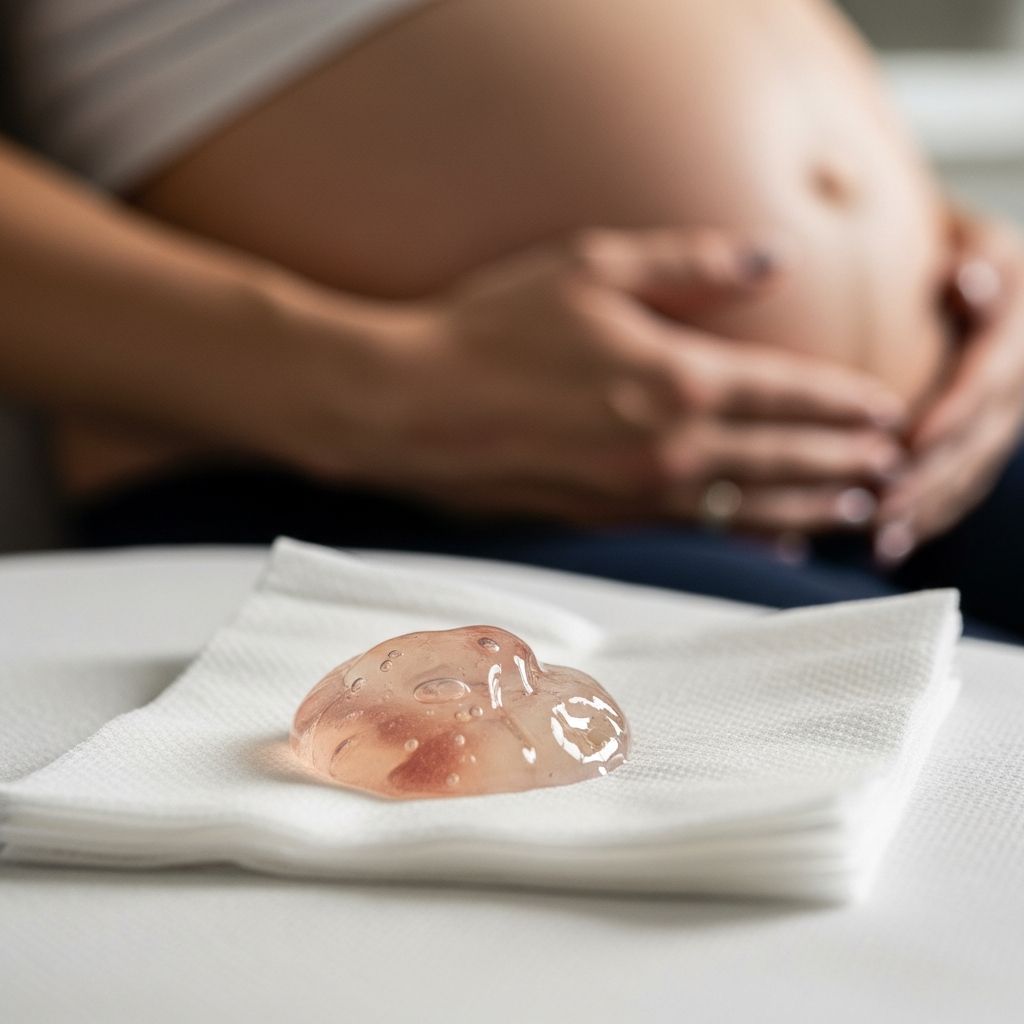
Expectant mothers face unique vulnerabilities due to physiological changes, making environmental hazards like mold particularly concerning. Mold thrives in damp areas, releasing spores and mycotoxins that can irritate airways and potentially disrupt fetal development. While direct causation for severe outcomes remains under study, evidence points to heightened risks for respiratory distress and subtle placental interference.
Understanding Mold and Its Spread in Homes
Mold is a type of fungus that proliferates in moist, humid conditions, often following water damage or poor ventilation. Common household spots include bathrooms, basements, and around leaking pipes. Stachybotrys chartarum, known as black mold, favors cellulose-rich materials like drywall, wood, and carpets after prolonged wetness. Unlike faster-growing molds, it appears months later, forming a slimy layer that dries and aerosolizes spores when disturbed.
Airborne spores enter through inhalation, triggering immune responses. During pregnancy, suppressed immunity to tolerate the fetus amplifies susceptibility to irritants and infections. Mycotoxins, toxic byproducts from certain molds, add another layer of concern, as recent research links them to hormonal disruptions via placental pathways.
- Prime growth triggers: High humidity above 60%, leaks, flooding, inadequate airflow.
- Typical locations: Hidden behind walls, under carpets, in HVAC systems.
- Detection cues: Musty odors, discoloration, water stains.
Immediate Health Effects on Pregnant Women
Pregnancy alters breathing patterns and lung capacity, exacerbating mold’s irritant effects. Common symptoms mimic allergies but intensify due to hormonal shifts and physical pressure from the growing uterus. Shortness of breath, persistent coughing, wheezing, and sinus blockage disrupt daily comfort and sleep, vital for fetal growth.
Severe cases may involve mycotoxin-induced fatigue, headaches, eye irritation, and skin rashes. Those with pre-existing asthma or allergies face amplified responses, potentially leading to emergency care needs. Immunosuppression raises infection risks, as mold harbors bacteria alongside spores.
| Symptom | Pregnancy Aggravation | Potential Severity |
|---|---|---|
| Respiratory irritation (cough, wheeze) | Reduced lung expansion | Mild to moderate; monitor oxygen levels |
| Allergic reactions (sneezing, rash) | Immune modulation | Moderate; antihistamines may help |
| Fatigue and headaches | Hormonal interplay | Mild; rest and hydration key |
| Sinus congestion | Increased mucus production | Moderate; risk of sinusitis |
Potential Impacts on Fetal Development
While the placenta acts as a barrier, maternal inflammation and toxin circulation pose indirect threats. Studies associate prenatal mold exposure with lower birth weights via placental dysfunction, especially mycoestrogens that mimic hormones. Genetic factors like ABCG2 variants may heighten susceptibility, altering toxin clearance.
Animal models show mycotoxins causing fetal resorption and stunted growth, though human data is correlative. Prenatal exposure correlates with infant atopic dermatitis through elevated IgE levels, indicating allergic sensitization in utero. Long-term worries include developmental delays, though evidence is preliminary.
No definitive proof links mold to miscarriage or stillbirth in humans, but caution prevails given vulnerabilities. Prolonged exposure risks neonatal issues like immunosuppression or respiratory vulnerabilities.
Debunking Myths Around Black Mold
Black mold garners notoriety, but not all dark molds are Stachybotrys. Exposure requires dried, disturbed colonies; wet growth binds spores. Sensational claims of inevitable fetal harm lack robust human trials; instead, focus on general mold risks. Vulnerable groups—pregnant women, infants—warrant swift action regardless of type.
- Myth: All black spots are toxic black mold.
- Fact: Testing confirms Stachybotrys; many molds irritate similarly.
- Myth: Brief exposure is harmless.
- Fact: Cumulative effects matter; sensitivity varies.
- Myth: Mold only affects asthmatics.
- Fact: Pregnancy alone heightens risks.
Steps for Prevention and Swift Remediation
Proactive moisture control prevents 90% of issues. Maintain indoor humidity below 50% with dehumidifiers and exhaust fans. Fix leaks promptly and ensure proper ventilation. Regular cleaning with mold-killing solutions like diluted bleach suits non-porous surfaces.
For visible growth, isolate the area, wear protective gear (N95 mask, gloves), and remove affected materials. Professionals handle large infestations (>10 sq ft). Air purifiers with HEPA filters capture spores effectively.
- Inspect high-risk zones monthly.
- Use hygrometers to monitor humidity.
- Ventilate after showers/baths.
- Dry wet areas within 24-48 hours.
- Avoid carpet in damp rooms.
Diagnostic Testing Options
Suspect mold? Visual checks precede professional assessment. Tape sampling captures surface growth: press sticky side on mold, seal in bag, send to labs for identification. Air sampling detects airborne spores; ERMI tests quantify species.
Home kits offer convenience, but certified inspectors ensure accuracy. Blood tests for mycotoxins or IgE gauge exposure severity, guiding medical advice.
When to Consult Healthcare Providers
Persistent symptoms demand obstetrician evaluation. Discuss exposure history; ultrasounds monitor fetal growth. Severe cases may prompt relocation or remediation oversight. No mold-specific pregnancy treatments exist, but symptom management (e.g., saline rinses, safe decongestants) aids comfort.
High-risk pregnancies (preterm history, asthma) benefit from early intervention. Track symptoms in a journal for consultations.
Frequently Asked Questions
Is black mold worse during pregnancy?
Black mold like Stachybotrys produces mycotoxins, but all molds irritate; pregnancy amplifies general risks. Test unknowns and remediate promptly.
Can mold cause preterm birth or low birth weight?
Links exist via placental disruption from mycotoxins; recent studies confirm associations, especially with genetic factors.
How do I safely clean mold while pregnant?
Wear protection, ventilate, use soapy water or bleach on small areas. Delegate large jobs to pros.
Does short-term exposure harm the baby?
Likely minimal, but avoid cumulative inhalation. Focus on elimination.
Are air purifiers enough protection?
They reduce spores but don’t fix sources; combine with dehumidification.
References
- Mold Exposure During Pregnancy: Risks and Safety Tips — We Are Tulsi. 2023. https://wearetulsi.com/blog/mold-exposure-during-pregnancy
- Can Stachybotrys chartarum (Black Mold) Affect Pregnancy? — Mold & Bacteria Consulting Laboratories. 2022. https://www.moldbacteria.com/mold/can-stachybotrys-chartarum-black-mold-affect-pregnancy.html
- Exposure to Mold During Pregnancy — Air Quality Assessors. 2024. https://airqualityassessors.com/exposure-to-mold-during-pregnancy/
- Pregnancy exposure to mold toxins linked to lower birthweight through placental disruption — Medical Xpress (Rutgers Health study). 2025-06-25. https://medicalxpress.com/news/2025-06-pregnancy-exposure-mold-toxins-linked.html
- Dangers of Mold and Pregnancy — COEM. 2023. https://coem.com/mold-pregnancy
- Prenatal mold exposure is associated with development of atopic dermatitis — PMC (NCBI). 2022-08-15. https://pmc.ncbi.nlm.nih.gov/articles/PMC9432247/
- Mold – MotherToBaby Fact Sheet — NCBI Bookshelf. 2023. https://www.ncbi.nlm.nih.gov/books/NBK582854/