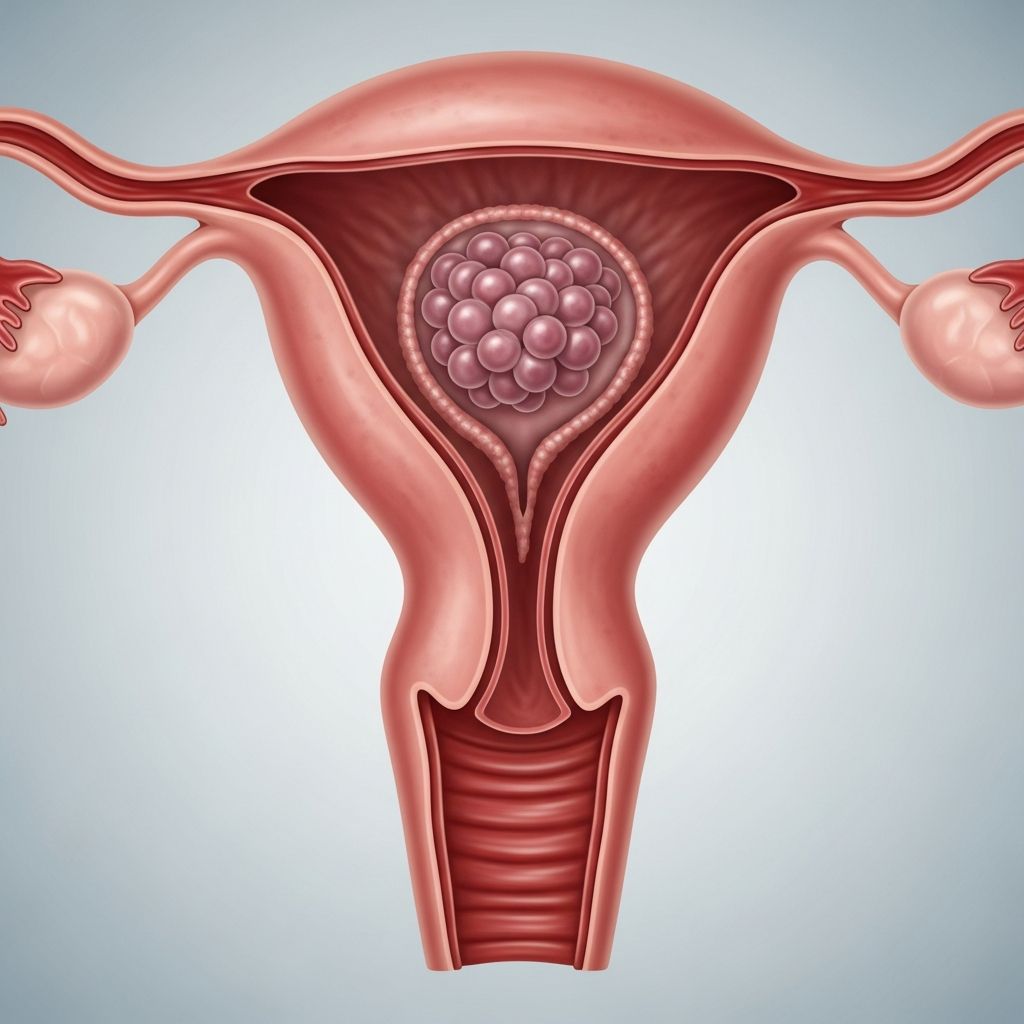
Vaginal discharge naturally increases during pregnancy due to elevated estrogen and progesterone levels, which boost cervical mucus production to protect the uterus from infections.
This guide explores the spectrum of discharge experiences, from routine to red flags, empowering expectant parents with knowledge for informed health decisions.
Why Discharge Increases in Pregnancy
The body ramps up mucus production during gestation primarily through hormonal surges. Progesterone thickens cervical mucus into a protective plug, blocking pathogens from ascending to the fetus.
Estrogen also contributes by enhancing blood flow to the vaginal area, resulting in more abundant, thin fluid that maintains moisture and flushes out debris.
Leukorrhea, the medical term for this milky-white secretion, is a hallmark of healthy pregnancy from early weeks through delivery. Its volume often peaks in the second and third trimesters.
Normal Discharge: What to Expect
Typical pregnancy discharge appears clear, white, or pale yellow with a thin or milky consistency and little to no odor.
- Appearance: Transparent to opaque white, sometimes slightly cloudy.
- Texture: Watery, slippery, or creamy—never clumpy unless resolving naturally.
- Volume: Noticeably more than pre-pregnancy, possibly requiring frequent panty liner changes.
- Odor: Mild, non-offensive; akin to normal body scent.
These traits align across trimesters, though near term, it may include pink-tinged mucus as the cervix softens—a precursor to labor known as the “mucus plug.”
Abnormal Discharge Signs: Know the Differences
Deviations in color, texture, or smell signal potential issues like infections, warranting prompt evaluation.
| Type | Color/Texture | Odor/Symptoms | Possible Cause |
|---|---|---|---|
| Normal | Clear/white, thin/milky | Mild/none; no itch | Hormonal changes |
| Yellow/Green | Thick, frothy | Fishy/strong; burning | Bacterial vaginosis/STI |
| White Clumpy | Cottage cheese-like | Yeasty; intense itch | Yeast infection |
| Brown/Pink | Spotting, watery | Metallic; cramping | Implantation/old blood/placental issue |
| Grey | Thin, foamy | Fishy; irritation | Bacterial imbalance |
Any shift from baseline—especially with pain, fever, or bleeding—demands attention, as untreated conditions risk preterm birth or fetal harm.
Bacterial Vaginosis: A Common Culprit
Bacterial vaginosis (BV) disrupts vaginal flora balance, leading to overgrowth of harmful bacteria. Discharge turns greyish-white, thin, and fishy-smelling, particularly after intercourse.
Pregnant individuals face heightened BV risk due to pH shifts; it correlates with preterm labor if ignored.
Treatment involves prescription antibiotics like metronidazole, safe in later pregnancy under medical guidance. Avoid self-treatment to prevent resistance.
Yeast Infections During Gestation
Candida overgrowth causes thick, white, curd-like discharge with vulvar itching, redness, and soreness. Pregnancy hormones and a moist environment exacerbate this.
Up to 90% of women encounter yeast issues lifetime; pregnancy doubles susceptibility. Over-the-counter antifungals suffice mildly, but recurrent cases need prescription azoles.
Distinguish from normal discharge: Thrush lacks odor but brings discomfort. Consult providers before remedies, as some are contraindicated early on.
Bloody or Brown Discharge: When to Worry
Light spotting (pink/brown) may stem from implantation (early) or cervical sensitivity (later). Persistent or heavy flow suggests placental abruption, miscarriage risk, or preterm labor.
Brown hues indicate older blood oxidizing; monitor duration. Accompanying cramps or clots necessitate emergency care.
Other Influences on Discharge Patterns
Sexually transmitted infections like trichomoniasis produce frothy yellow-green output with foul odor and pelvic pain.
Fibroids can irritate tissues, yielding clear or blood-tinged excess.
Lifestyle factors—douching, scented products, tight synthetics—disrupt flora, mimicking infections. Opt for cotton underwear, breathable fabrics, and gentle hygiene.
Trimester-Specific Discharge Insights
First Trimester: Watery leukorrhea surges with implantation; mild spotting (under 24 hours) can be benign.
Second Trimester: Peak volume, slippery to aid mobility; watch for clarity.
Third Trimester: Thicker mucus plug release possible; increased watery flow signals membrane rupture—rush to hospital if continuous.
Prevention and Daily Management Tips
- Wear breathable cotton underwear; change promptly if soiled.
- Skip douches, sprays, or powders—they alter pH.
- Practice safe sex; untreated STIs amplify risks.
- Probiotics (yogurt/lactobacillus supplements) may bolster flora, per studies.
- Urinate post-intercourse to flush bacteria.
- Hydrate well; dehydration concentrates discharge.
Track patterns via journal: note color, amount, symptoms, cycle day. Apps aid sharing with providers.
When to Contact Your Healthcare Provider
Seek immediate care for:
- Foul, fishy, or strong odors.
- Green/yellow/grey hues.
- Bleeding beyond spotting.
- Itching, burning, or pain.
- Sudden gush or continuous leak (possible amniotic fluid).
Routine prenatal visits include discharge checks; voice concerns proactively.
Frequently Asked Questions (FAQs)
Is all increased discharge during pregnancy normal?
No, while volume rises normally, changes in color, smell, or texture indicate potential infection or complication requiring evaluation.
Can sex cause abnormal discharge?
Semen alters pH temporarily, possibly triggering BV flare-ups. Abstain if symptomatic and consult your doctor.
Does discharge predict labor?
A bloody mucus plug loss often heralds labor within days/weeks. Pair with contractions? Head to maternity.
Are home remedies safe for infections?
Limited evidence supports yogurt; antifungals need prescription oversight in pregnancy to avoid fetal risks.
How does discharge differ from period vs. pregnancy?
Pregnancy: thinner, clearer, abundant, odorless. Pre-period: thicker, creamier, musky.
Maintaining Vaginal Health Holistically
Pregnancy transforms the body profoundly; discharge vigilance ensures maternal-fetal safety. Balanced diet (probiotic-rich foods), stress reduction, and hygiene fortify defenses.
Empowerment through education minimizes anxiety—most variations prove benign, but vigilance saves outcomes.
References
- 5 Types of Vaginal Discharge and What They Mean — UnityPoint Health. 2023. https://www.unitypoint.org/news-and-articles/5-types-of-vaginal-discharge-and-what-they-mean
- Pregnancy Discharge: Causes, Types, Color and Smell — Cleveland Clinic. 2023-10-12. https://health.clevelandclinic.org/pregnancy-discharge
- Discharge Before Period vs. Early Pregnancy — Fibroid Expert (AFC). 2024. https://fibroidexpert.com/blog/discharge-before-period-vs-early-pregnancy/
- Vaginal discharge during pregnancy — Pregnancy Birth & Baby (Australian Government). 2024. https://www.pregnancybirthbaby.org.au/vaginal-discharge-during-pregnancy
- Vaginal discharge in pregnancy — NHS UK. 2024-05-15. https://www.nhs.uk/pregnancy/common-symptoms/vaginal-discharge/
- Vaginal Discharge: Causes, Colors, What’s Normal & Treatment — Cleveland Clinic. 2024-08-20. https://my.clevelandclinic.org/health/symptoms/4719-vaginal-discharge