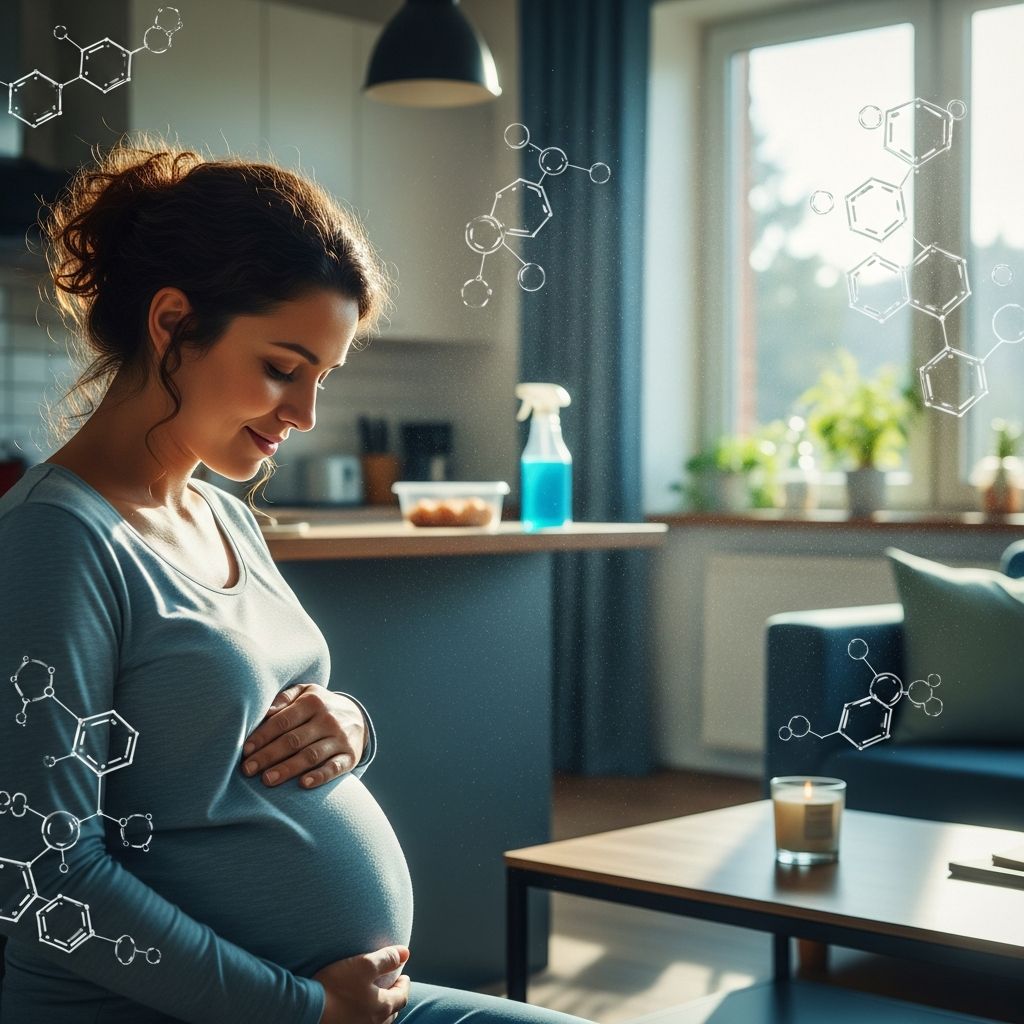
Expectant mothers encounter a variety of synthetic chemicals in daily life, from household items to personal care products, which can cross the placenta and influence fetal growth. These substances, including phthalates, bisphenols, and pesticides, are linked to developmental issues, making awareness and prevention crucial during this sensitive period.
Why Chemical Exposure Matters in Pregnancy
The developing fetus relies entirely on the mother for nourishment and protection, yet many industrial chemicals readily transfer across the placental barrier or through breast milk post-delivery. Research indicates that even low-level exposures to these compounds can disrupt endocrine function, alter neurodevelopment, and contribute to long-term health challenges in children.
Studies show near-universal detection rates: for instance, over 90% of pregnant women have detectable levels of perfluorinated compounds (PFCs), flame retardants, and phthalates in their blood or urine. A comprehensive U.S. analysis found 103 chemicals from plastics and pesticides in diverse pregnant participants, with levels rising over time despite regulatory efforts.
- Nearly 100% of pregnant women show phthalate metabolites, tied to personal care product use and diet.
- Flame retardants like PBDEs appear in 70-100% of cord blood samples, correlating with cognitive delays.
- Replacement chemicals for banned substances, such as novel bisphenols, are increasingly prevalent and potentially equally harmful.
Common Culprits: Chemicals Entering the Maternal Environment
Several chemical families dominate everyday exposures, each with distinct sources and health implications. Understanding these helps in targeted avoidance.
Phthalates and Plasticizers
Phthalates soften plastics and stabilize fragrances, appearing in vinyl flooring, food packaging, and cosmetics. Pregnant women with higher exposure—often from frequent use of scented products or processed foods—face risks like preterm birth and altered genital development in male infants.
| Chemical Class | Prevalence in Pregnant Women | Fetal Detection Rate | Key Health Concerns |
|---|---|---|---|
| Phthalates | High (diet, personal care) | Yes, via placenta | Endocrine disruption, preterm birth |
| Phenols (e.g., BPA) | Common (cans, receipts) | High in cord blood | Neurodevelopmental issues, asthma |
| PFCs | 90-100% in serum | 90-100% in cord | Reduced fetal growth |
Bisphenols and Phenols
Bisphenol A (BPA) and its substitutes leach from can linings, thermal receipts, and polycarbonate bottles. Prenatal exposure associates with childhood asthma, immune system alterations, and behavioral changes. Parabens and triclosan in lotions and soaps add to the phenol burden, potentially mimicking hormones.
Persistent Pollutants: Flame Retardants and Pesticides
Polybrominated diphenyl ethers (PBDEs) in furniture and electronics accumulate in fat tissue, disrupting thyroid function vital for brain development. Organochlorine pesticides (OCs), though phased out in many places, linger in the food chain, linking to immune suppression and attention deficits.
Neonicotinoids, bee-toxic pesticides, were detected in over 80% of a recent cohort, highlighting agriculture’s reach into diets.
Solvents and Volatile Compounds
Household solvents like toluene, benzene, and perchloroethylene in paints, glues, and dry cleaning pose miscarriage and birth defect risks. Occupational exposure during late pregnancy may slow fetal growth or impair brain maturation.
Health Impacts on Mothers and Babies
Cumulative exposures amplify risks. A landmark review notes phthalates tied to allergies and endocrine shifts, while PBDEs correlate with IQ decrements and hyperactivity. Recent data from 1,140 diverse U.S. women revealed escalating levels of plastic-derived chemicals, disproportionately affecting Latinas via personal care items and processed foods.
- Reproductive effects: Preterm labor, low birth weight, miscarriage.
- Developmental: Neurobehavioral delays, reduced anogenital distance, thyroid disruption.
- Long-term: Childhood obesity, asthma, cardiometabolic issues.
Vulnerable groups include younger mothers, those with lower socioeconomic status, and non-white ethnicities, who show elevated biomarkers due to product use disparities.
Practical Steps to Minimize Exposure
Reducing chemical intake is feasible through lifestyle adjustments, without overhauling routines.
Diet and Food Choices
Opt for fresh over canned foods to dodge BPA; avoid high-fat meats harboring OCs and PBDEs. Wash produce thoroughly, choose organic when possible to cut pesticide residues.
Home and Personal Care
Ventilate during cleaning; select fragrance-free soaps, shampoos. Dust and vacuum regularly to trap flame retardants. Skip air fresheners and synthetic candles.
- Use glass or stainless steel for food storage instead of plastic.
- Filter tap water to remove PFCs.
- Check furniture labels for PBDE-free certifications.
Workplace and Environment
Discuss solvent exposure with employers; request ventilation or alternatives. Limit dry cleaning and gasoline handling.
Monitoring and Policy Perspectives
Biomonitoring reveals widespread contamination: eight chemicals in every U.S. pregnant woman sampled. Regulatory bans on older chemicals spurred replacements with untested analogs, underscoring the need for broader testing.
Pregnant individuals can advocate for cleaner products and support biomonitoring initiatives for better data.
Frequently Asked Questions
Can all chemical exposures harm my baby?
Not all, but endocrine-disrupting ones like phthalates and BPA at prenatal levels are concerning for development. Focus on high-prevalence sources.
Is it safe to use cleaning products while pregnant?
Wear gloves, ventilate well, and prefer natural alternatives to minimize solvent inhalation.
How do I know if my personal care products are chemical-free?
Scan for ‘phthalate-free’ or ‘paraben-free’ labels; EWG’s Skin Deep database rates safety.
Do replacement chemicals for BPA pose the same risks?
Emerging evidence suggests yes; many bisphenol analogs mimic hormonal effects.
Should I worry about pesticides in food during pregnancy?
Yes, residues contribute to OC and neonicotinoid loads; peeling and organic choices help.
Empowering a Healthier Pregnancy
By identifying sources and adopting preventive habits, expectant mothers can significantly lower chemical burdens. Ongoing research emphasizes cumulative effects, urging vigilance. Consult healthcare providers for personalized advice, especially with occupational exposures.
References
- Cumulative Chemical Exposures During Pregnancy and Early Childhood — LaKind JS et al. National Institutes of Health (PMC). 2015-10-22. https://pmc.ncbi.nlm.nih.gov/articles/PMC4626367/
- Study of Pregnant Women Finds Increasing Chemical Exposure — University of California San Francisco. 2022-05-10. https://www.ucsf.edu/news/2022/05/422776/study-pregnant-women-finds-increasing-chemical-exposure
- Toxic household products to avoid during pregnancy — Pregnancy Birth & Baby (Australian Government-funded). Accessed 2026. https://www.pregnancybirthbaby.org.au/toxic-household-products-to-avoid-during-pregnancy
- About Solvents and Reproductive Health — Centers for Disease Control and Prevention (CDC). Accessed 2026. https://www.cdc.gov/niosh/reproductive-health/prevention/solvents.html
- 6 in-home toxins to avoid during pregnancy — UT Southwestern Medical Center. 2019-11-05. https://utswmed.org/medblog/home-toxins-pollutants-pregnancy/