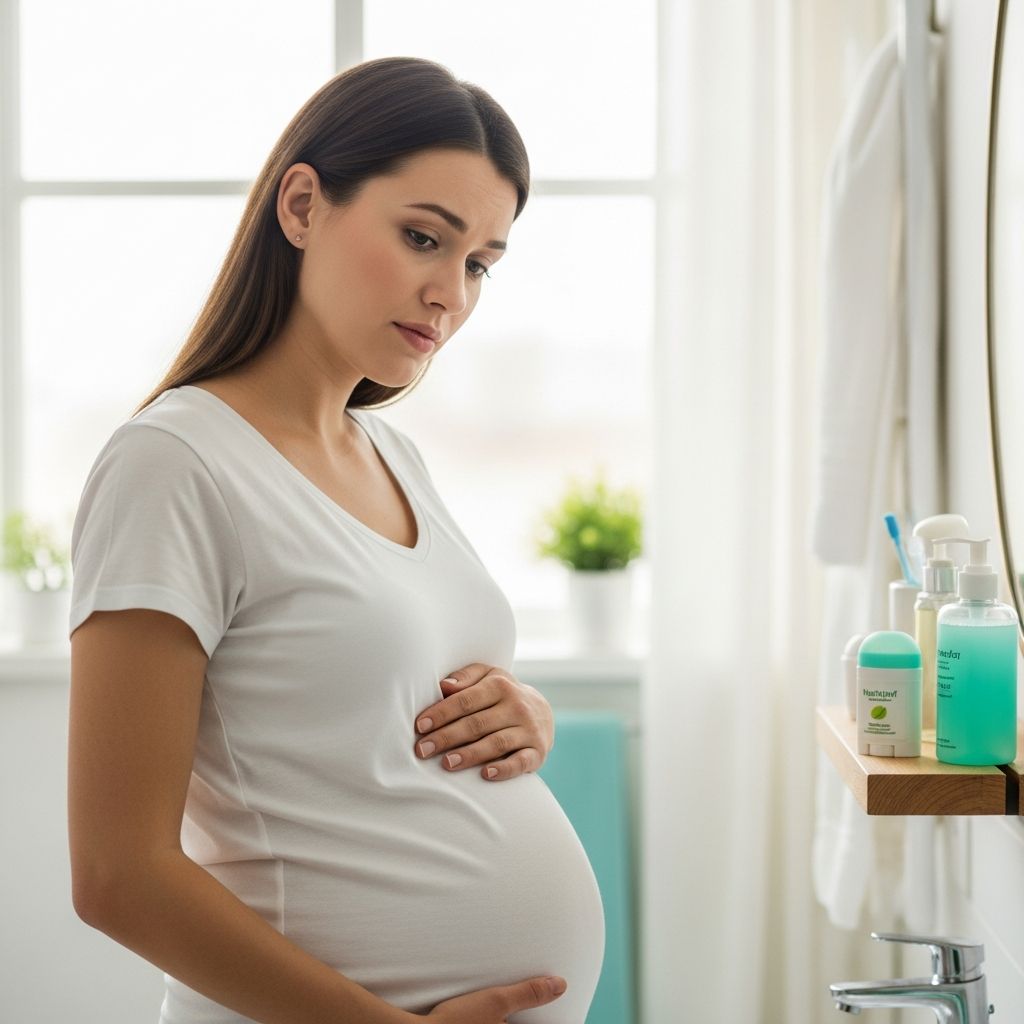
Many expecting parents are surprised to notice that pregnancy seems to change the way their bodies smell. What feels embarrassing or worrying is usually a normal part of the complex hormonal and physical shifts that support a growing baby.
Why Your Scent Can Change During Pregnancy
Pregnancy reshapes almost every system in the body, from hormones and metabolism to blood flow and temperature regulation. Those internal changes can alter how much you sweat, how quickly sweat breaks down on the skin, and how sensitive your own nose is to even small shifts in odor.
While it can feel very noticeable, changing body odor in pregnancy is most often harmless and temporary. In many cases, it eases after birth as hormone levels, weight, and sweat patterns gradually settle back toward your baseline.
- For many people, odor becomes stronger under the arms, in skin folds, under the breasts, and around the genitals.
- Some notice changes in breath, urine, or vaginal odor as well, which may be normal or sometimes signal an infection.
- Heightened sense of smell can make everyday scents feel suddenly overwhelming or unpleasant, even if others around you do not notice a difference.
Key Factors Behind Pregnancy-Related Odor
Several overlapping changes explain why scent can shift during pregnancy. The same processes that help nourish and protect the baby influence sweat, oil production, and the natural bacteria that live on the skin.
Hormones and Sweat Gland Activity
Rising levels of hormones such as estrogen and progesterone affect sweat glands and body temperature. You may sweat more quickly, sweat at lower levels of activity, or feel warm even when others are comfortable.
There are two main types of sweat glands: eccrine glands, which produce watery sweat for cooling, and apocrine glands, which are concentrated in areas like the armpits and groin. When sweat from these areas mixes with bacteria on the skin, stronger odor can develop.
Increased Blood Flow and Metabolism
During pregnancy, blood volume and metabolic rate generally rise to support the baby’s growth. As a result, you tend to feel warmer and may experience more frequent or heavier sweating, especially with minimal exertion.
A faster metabolism can also influence how quickly the body processes foods, medications, and supplements, which in turn can subtly change your natural scent, breath, and even urine odor.
Weight Gain and New Skin Folds
As the body changes shape, new skin folds can form under the breasts, along the waistline, at the inner thighs, and around the groin. These areas trap warmth and moisture, creating a friendly environment for odor-causing bacteria and yeast.
If sweat stays on the skin for long periods, especially in snug clothing, odor is more likely to develop and can become noticeable by the end of the day.
Diet, Hydration, and Supplements
New cravings, prenatal vitamins, iron tablets, and other supplements can all influence odor. Strongly flavored foods like garlic, onions, certain spices, and some fish can be excreted through sweat and breath.
On the other hand, staying well hydrated and eating more fresh fruits, vegetables, and leafy greens can help dilute strong odors and support more balanced digestion.
Changes in Vaginal and Urinary Odor
Pregnancy hormones change vaginal pH and discharge, which can alter scent even when everything is completely healthy. A mild change that does not come with itching, burning, or discomfort is usually normal.
Urine may smell stronger if you are slightly dehydrated, taking certain vitamins, or consuming foods with a strong natural odor. Drinking more water often softens this effect.
How Odor Can Shift by Trimester
Not everyone follows the same pattern, but many pregnant people notice that odor changes do not remain constant from week to week. The table below summarizes common experiences through the trimesters.
| Stage | What You Might Notice | Likely Contributors |
|---|---|---|
| First trimester |
|
|
| Second trimester |
|
|
| Third trimester |
|
|
| Postpartum period |
|
|
Practical Hygiene Habits to Stay Comfortable
Simple day-to-day strategies often make the biggest difference in how fresh you feel. The goal is to keep the skin clean and dry, allow air to circulate, and gently manage the bacteria that naturally live on the skin.
Refreshing Your Daily Routine
- Shower or bathe regularly, paying extra attention to underarms, under the breasts, between the thighs, and the groin.
- Use a mild, fragrance-free or lightly scented cleanser to avoid irritation, especially if your skin has become more sensitive.
- Dry thoroughly by gently patting, not rubbing, and consider using a clean, soft towel for each shower to reduce bacterial transfer.
- Change underwear and socks daily (or more often on hot days or after exercise).
- Rotate bras and wash them frequently, since trapped sweat under the breasts can cause strong odor.
Choosing Breathable Clothing
- Opt for loose, breathable fabrics like cotton, bamboo, or moisture-wicking athletic materials.
- Avoid very tight waistbands or synthetic fabrics that trap heat and sweat against the skin for long periods.
- Use layering: a light tank or cotton tee under sweaters can be changed if it becomes damp, helping you feel fresher.
- Choose well-ventilated footwear when possible, and allow shoes to dry completely between wears.
Underarm and Foot Care
- Trim or remove excess underarm hair if you find that it traps sweat and deodorant residue, but avoid harsh hair removal methods if your skin is reactive.
- Consider using a gentle deodorant or antiperspirant that is free from ingredients you wish to avoid in pregnancy; talk with your healthcare provider if you are unsure.
- For feet, wash and dry carefully between the toes, use breathable socks, and rotate shoes to reduce persistent moisture.
- A simple, fragrance-free foot powder or cornstarch-based product can help keep feet drier inside shoes.
Diet, Hydration, and Lifestyle Tips
Your internal environment has just as much impact on odor as your hygiene routine. Being thoughtful about what you eat and drink, and how you manage stress and activity, can help minimize strong smells.
Food Choices That May Affect Odor
- Strong-smelling foods such as garlic, onions, certain spices, and some types of fish can influence body and breath odor for several hours.
- Highly processed or very sugary foods may indirectly contribute to odor by affecting gut and skin bacteria.
- Including more leafy greens, herbs (like parsley and cilantro), citrus fruits, and high-fiber foods can support digestion and more neutral breath.
- If you suspect a particular food or drink consistently worsens odor, consider reducing it and noting any changes over a week or two.
Staying Hydrated
- Drinking enough water helps dilute strong-smelling compounds in sweat and urine.
- Carry a refillable bottle and sip regularly throughout the day rather than drinking large amounts all at once.
- Herbal teas without caffeine can contribute to your fluid intake; check with your provider about which herbs are safe in pregnancy.
Managing Stress and Activity
- Stress-related sweating, particularly from the underarms, can create a sharper smell than heat-related sweat.
- Simple relaxation techniques like deep breathing, stretching, or short walks can reduce stress-triggered sweating.
- Moderate, regular exercise (approved by your provider) supports circulation, mood, and overall health, and sweating during activity is normal and healthy.
When Changing Odor May Signal a Problem
Most pregnancy-related odor is harmless, but some changes can be a sign that you need medical attention. Trust your instincts; if something feels very different from your normal and does not improve with basic care, it is worth getting checked.
Signs to Call Your Healthcare Provider
- Sudden, very strong or unusual odor that appears quickly and persists.
- Vaginal odor accompanied by itching, burning, unusual discharge, or irritation.
- Fishy, cheesy, or otherwise intense genital odor that does not improve with washing.
- Fever, pain, or rash together with new odor in any area of the body.
- Persistent fruity breath, metallic smell, or other systemic odors, especially if paired with extreme thirst, frequent urination, or fatigue.
These signs do not automatically mean something is seriously wrong, but they can indicate infections or metabolic issues that should be treated promptly during pregnancy. Early evaluation allows for more options and better comfort for you and safety for your baby.
Safe Use of Deodorants and Products While Pregnant
Many people wonder whether their usual deodorant or antiperspirant is still appropriate in pregnancy. In general, pregnancy-safe choices focus on minimizing skin irritation and avoiding ingredients you personally prefer not to use while you are expecting.
Questions to Consider About Products
- Do you have a history of sensitive skin, eczema, or allergic reactions to fragrances or preservatives?
- Are you comfortable with aluminum-based antiperspirants, or would you prefer a deodorant that targets odor only?
- Is the product heavily scented, and does that smell trigger nausea or headaches for you?
Tips for Choosing and Using Products
- Patch test any new deodorant, wash, or powder on a small area of skin for a day or two before daily use.
- Look for short ingredient lists and formulas designed for sensitive skin if you are prone to irritation.
- Avoid applying strong perfumes or scented products directly to the vulva or inside the vagina; these areas are delicate and self-cleaning.
- If you use essential oils, do so cautiously and never undiluted on the skin; consult a knowledgeable provider about which oils are considered safer during pregnancy.
Self-Compassion and Body Confidence During Pregnancy
Beyond the physical aspects, pregnancy body odor can stir up feelings of embarrassment, anxiety about intimacy, or worries about being judged. Remember that your body is working extremely hard to support new life, and many of these changes are out of your direct control.
Focusing on practical solutions while also giving yourself grace can make this phase easier to handle. Open communication with your partner and care team can reduce shame and help you receive the support and reassurance you deserve.
- Remind yourself that odor is a natural bodily function, not a personal failing.
- Plan ahead with spare clothing, wipes, or travel-sized deodorant if that boosts your confidence when leaving home.
- Prioritize rest and self-care; fatigue can make normal changes feel harder to cope with.
Frequently Asked Questions About Pregnancy Body Odor
Is stronger body odor normal in early pregnancy?
Yes, some people notice stronger odor very early, sometimes even before a missed period. Hormonal shifts and a heightened sense of smell can make normal scents feel newly intense.
Can body odor harm my baby?
Ordinary body odor, even when stronger than usual, does not harm the baby. The main concern is whether odor indicates an underlying infection or other medical issue that needs treatment, which is why new, unusual, or persistent odors should be mentioned to your provider.
What can I do if washing more often isn’t enough?
If regular showers and clean clothing are not making a difference, consider adjusting diet, hydration, and stress levels, and review your personal care products. Keeping a brief odor diary that tracks food, activity, and symptoms can help you and your provider identify patterns.
Is it safe to use antiperspirant while pregnant?
Many healthcare professionals consider standard antiperspirants acceptable in pregnancy, but comfort levels vary. If you have concerns, discuss them with your provider and explore gentler or alternative products that align with your preferences.
Will my body odor go back to normal after birth?
For most people, odor gradually returns closer to pre-pregnancy patterns as hormones, weight, and routines stabilize. It may take several weeks or months, especially if you are breastfeeding or experiencing night sweats during the postpartum period.
Key Takeaways for Expecting Parents
- Changing body odor in pregnancy is common and usually related to hormonal shifts, increased sweating, and normal physical changes.
- Thoughtful hygiene, breathable clothing, balanced nutrition, and good hydration can significantly reduce everyday odor and improve comfort.
- New, intense, or unusual odors accompanied by discomfort or other symptoms should be discussed with a healthcare provider to rule out infections or other conditions.
- Pregnancy brings many unexpected changes; treating yourself with kindness and seeking reassurance when needed can make this season easier to navigate.