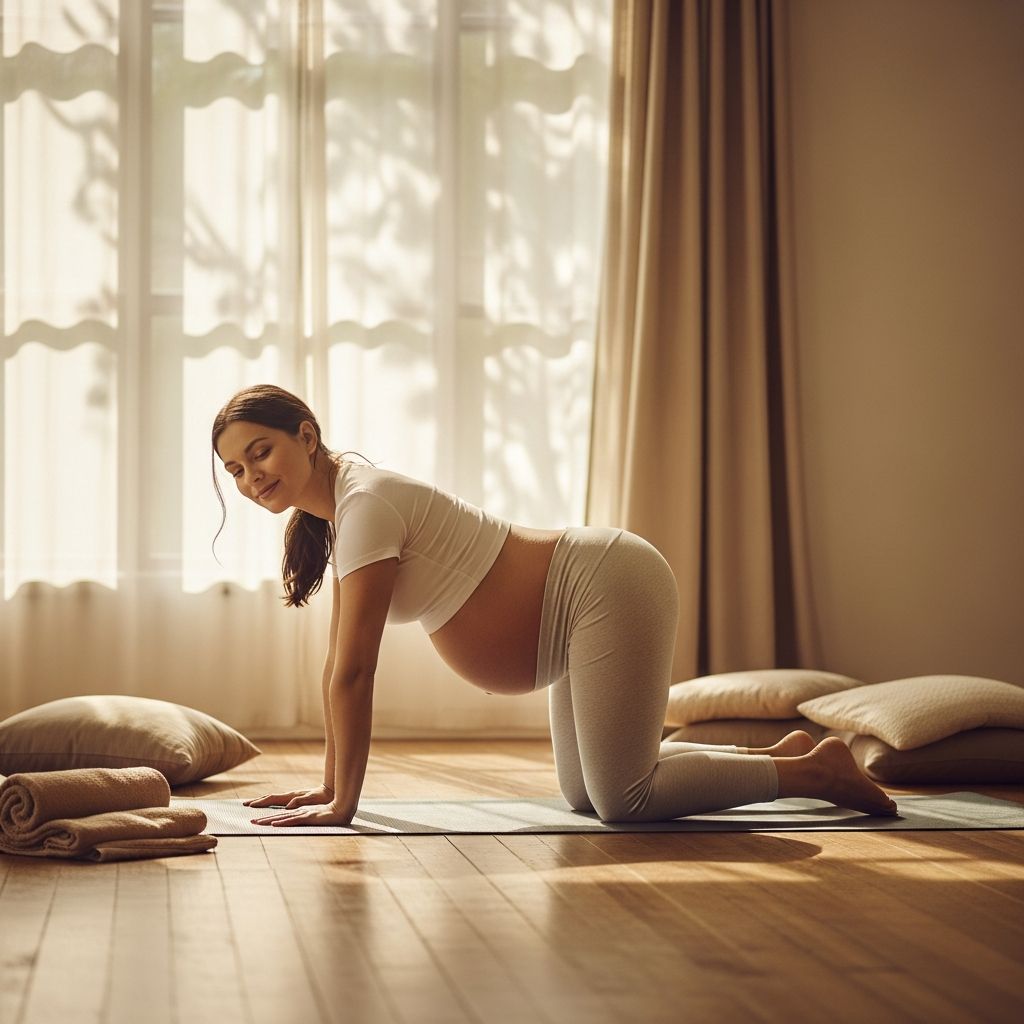
Back pain affects up to 70% of pregnant individuals, often due to shifting weight, hormonal changes, and postural adjustments as the body accommodates fetal growth. This discomfort, primarily in the lower back, can disrupt daily activities but is manageable with targeted approaches focusing on strengthening, support, and professional guidance.
Understanding the Roots of Pregnancy-Related Back Discomfort
The onset of back pain typically intensifies in the second and third trimesters. Hormonal shifts, such as increased relaxin, loosen ligaments in the pelvis and spine to prepare for delivery, reducing joint stability and inviting strain. Combined with an average weight gain of 25-35 pounds, this forward pull on the center of gravity arches the lower back excessively, stressing muscles and discs. Poor ergonomics at work or home exacerbate the issue, while inactivity weakens core support. Recognizing these factors empowers proactive management.
Optimizing Daily Posture for Spinal Relief
Maintaining alignment is foundational. When standing, distribute weight evenly on both feet, slightly bend knees, and tuck the pelvis to avoid lordosis—the exaggerated inward curve of the lower spine. Elevate one foot on a low stool during prolonged standing to reduce pelvic tilt.
For sitting, select chairs with lumbar support or add a small cushion at the waist curve. Keep feet flat, knees at hip level, and avoid slouching. At desks, position screens at eye level and use ergonomic keyboards to prevent forward hunching. These habits minimize disc pressure and muscle fatigue throughout the day.
Safe Physical Activities to Build Strength and Flexibility
Regular, low-impact movement fortifies the back and core without risk. Aim for 30 minutes daily, cleared by a healthcare provider. Walking promotes circulation and gentle spinal decompression. Swimming or water aerobics leverages buoyancy to offload weight, easing joint stress while enhancing endurance.
Key Prenatal Exercises:
- Pelvic Tilts: On hands and knees or supine (early pregnancy), contract abs to flatten the back against the floor or mat. Hold 5-10 seconds, repeat 10 times. Strengthens core and realigns pelvis.
- Cat-Cow Stretch: In tabletop position, alternate arching and rounding the spine with breath. Improves mobility and relieves tension.
- Squats: Hold a stable surface, lower as if sitting back into a chair, knees tracking over toes. Builds leg and pelvic floor strength; 10 reps, 3 sets.
- Tailor Sitting: Cross-legged on the floor, gently press knees outward. Stretches inner thighs, eases lumbar pressure; hold 5 minutes daily.
Incorporate these into routines gradually, stopping if pain sharpens. Physical therapy tailored for pregnancy can customize programs for optimal results.
Enhancing Sleep Quality to Reduce Morning Aches
Pregnancy sleep challenges amplify back strain. Side-sleeping, ideally the left side, optimizes blood flow and spinal neutrality. Bend knees slightly and place a pillow between them to align hips and prevent pelvic rotation. Add support under the belly and behind the back for full-body stability. Full-length body pillows or wedges cradle the torso comprehensively.
A firm mattress supports natural curves; if needed, insert a plywood sheet beneath. Limit time on the back after 20 weeks to avoid vena cava compression. Consistent positioning fosters restorative rest, diminishing stiffness upon waking.
Supportive Gear and Clothing Choices
Maternity belts wrap under the abdomen, lifting uterine weight off the spine—wear during active hours. Opt for low-heeled shoes with arch support to maintain balance; avoid flats or stilettos that alter gait. Breathable, wide-waistband pants or elastic supports stabilize without constriction. These tools provide immediate relief for prolonged standing or walking.
| Item | Benefits | Best For | Considerations |
|---|---|---|---|
| Maternity Belt | Lifts belly, reduces lordosis | Daily activities, third trimester | Fit snugly, not too tight |
| Body Pillow | Full alignment, knee/hip support | Nighttime use | Bulky storage |
| Supportive Shoes | Arch cushion, stability | Walking/standing | Replace worn pairs |
| Lumbar Cushion | Chair back support | Office/desk work | Portable |
Therapeutic Applications: Heat, Cold, and Manual Therapies
Alternate therapies soothe acutely. Apply ice packs wrapped in cloth for 15-20 minutes to numb inflammation, especially post-activity. Follow with heat via pads or warm baths (under 100°F) to relax spasms—never directly on abdomen. Limit sessions to prevent skin damage.
Professional options include prenatal massage by certified therapists, targeting safe areas to release knots. Acupuncture from licensed practitioners may balance energy and reduce pain signals. Chiropractic adjustments by pregnancy-trained specialists restore alignment gently. Osteopathic manipulation addresses musculoskeletal imbalances holistically.
Ergonomic Adjustments in Work and Home Environments
Adapt spaces for sustainability. Elevate workstations to elbow height, use footrests, and take micro-breaks hourly for stretches. In kitchens, position tools at waist level to curb bending. Warm baths post-chores leverage hydrostatic relief, relaxing paraspinals. Delegate heavy lifts; bend knees, keep loads close when unavoidable.
Warning Signs: When to Seek Medical Advice
Most pain resolves postpartum, but monitor for red flags: unrelenting severity, numbness/tingling in legs, bladder/bowel changes, fever, or pain with bleeding—these signal preterm labor, UTI, or nerve issues. Persistent discomfort beyond two weeks warrants evaluation; providers may suggest acetaminophen or PT.
Frequently Asked Questions
Can exercise worsen pregnancy back pain?
No, gentle, approved activities strengthen supporting muscles. Consult your doctor for personalization.
Is it safe to use a heating pad?
Yes, on low, wrapped, for 20 minutes max, away from abdomen.
How does weight gain contribute to back issues?
It shifts gravity forward, straining the lumbar spine.
Are maternity belts effective long-term?
They provide relief but pair with exercises for lasting benefits.
What if pain radiates to legs?
This may indicate sciatica; see a doctor promptly.
Implementing these strategies holistically can transform pregnancy comfort. Consistency yields cumulative relief, supporting mobility through delivery.
References
- How to Relieve Back Pain During Pregnancy: 8 Expert Tips — Scripps Health. 2023. https://www.scripps.org/news_items/2936-how-to-relieve-back-pain-during-pregnancy-8-expert-tips
- 5 Tips for Pregnancy Back Pain Relief — Mayo Clinic Health System. 2024-01-15. https://sncs-prod-external.mayo.edu/hometown-health/speaking-of-health/pregnancy-back-pain-relief
- Back Pain During Pregnancy Guide — OB/GYN of Hampton. 2023. https://www.obgynofhampton.com/backpain/
- Back Pain During Pregnancy — Brown University Health. 2024. https://www.brownhealth.org/centers-services/multidisciplinary-obstetric-medicine-service-moms/back-pain-pregnancy
- What Can I Do to Relieve My Pregnancy Backaches? — KidsHealth (Nemours). 2025. https://kidshealth.org/en/parents/achy-back.html
- Back Pain During Pregnancy — American College of Obstetricians and Gynecologists (ACOG). 2024-06-01. https://www.acog.org/womens-health/faqs/back-pain-during-pregnancy