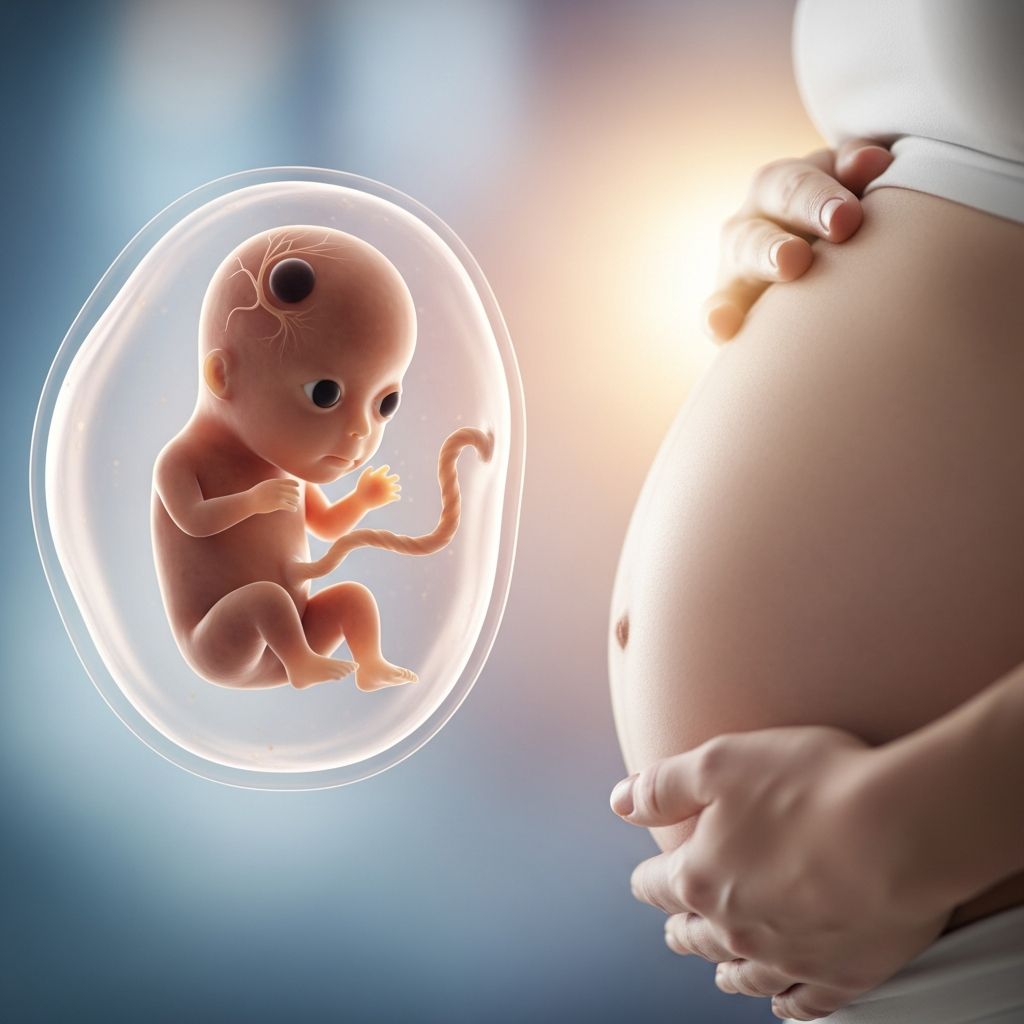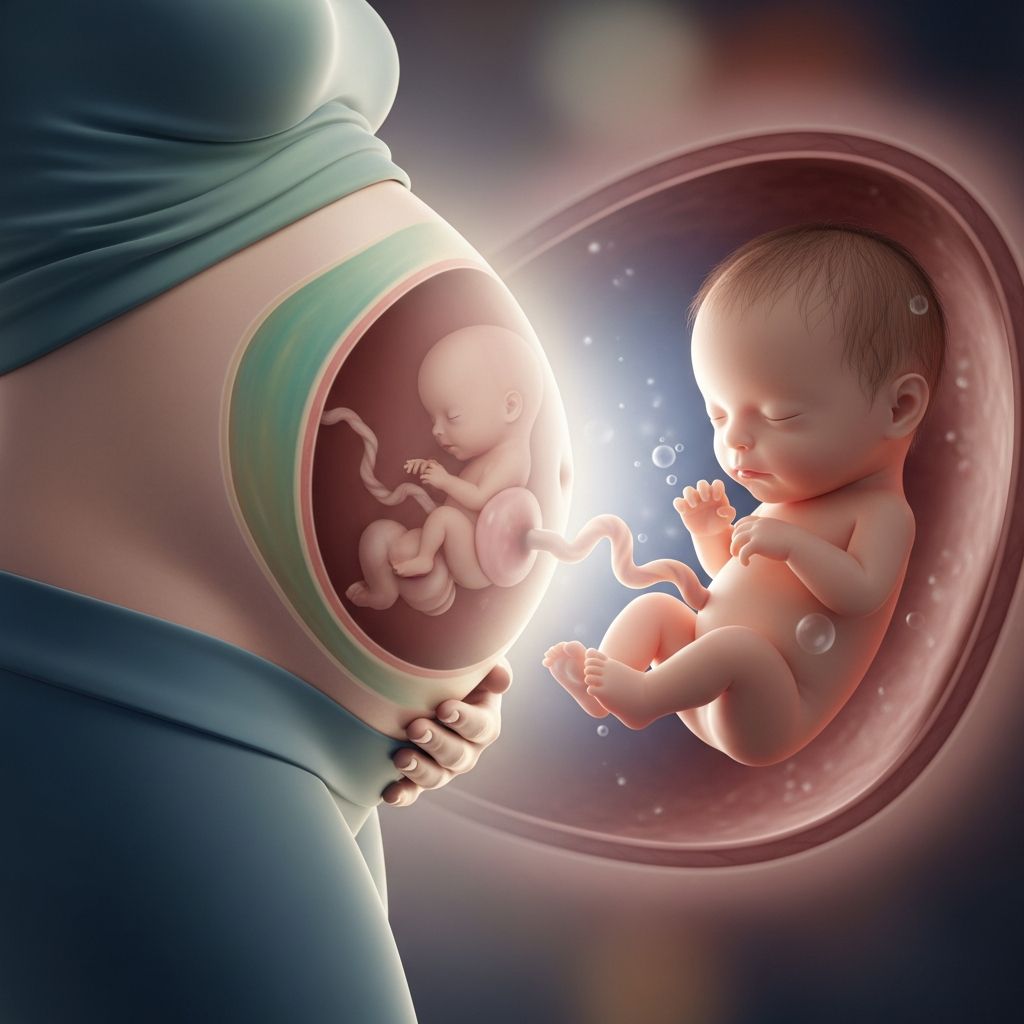
Pregnancy transforms a woman’s body and emotions, often reshaping sexual desire in predictable patterns across trimesters. While many experience a dip early on, a surge mid-pregnancy, and another decline later, understanding these shifts empowers couples to nurture closeness.
Hormonal and Physical Dynamics Shaping Desire
Hormones like estrogen and progesterone surge during pregnancy, boosting blood flow to pelvic areas and potentially heightening sensitivity for some. However, nausea, fatigue, and breast tenderness frequently counteract this, leading to varied libido responses. Research shows women’s dyadic (partner-shared) desire drops sharply in the first trimester due to physical discomforts, rises in the second as symptoms ease, and falls again in the third amid body image concerns and mobility limits.
Men’s desire follows a parallel but distinct path: lower in the third trimester as partners’ changing bodies and parental roles alter perceptions. Testosterone declines in both sexes, impacting shared intimacy (*p* < 0.001). Solitary desire in women decreases initially but climbs later, never fully matching pre-pregnancy levels.
First Trimester: Weathering the Initial Dip
Early pregnancy often brings the steepest libido decline for women, driven by surging human chorionic gonadotropin (hCG) peaking around week 6, alongside nausea, vomiting, exhaustion, and mood swings. Digestive woes and tender breasts further deter closeness. Studies confirm reduced frequency of intercourse here, linked to worsened well-being.
Yet, some women note heightened arousal from early estrogen rises enhancing lubrication and vulvar blood flow. Partners may feel excitement or anxiety, viewing their loved one through a maternal lens sooner, subtly shifting dynamics.
- Fatigue management: Short naps and light walks restore energy without overexertion.
- Nausea relief: Ginger tea or acupressure bands ease symptoms, opening windows for affection.
- Gentle touch: Focus on non-sexual massages to rebuild connection.
Second Trimester: The Peak of Passion
Often called the ‘honeymoon phase,’ this period sees libido rebounding as hCG drops post-week 6, nausea fades, and energy returns. Estrogen escalation improves vaginal lubrication and genital sensitivity, fostering intense orgasms and desire akin to pre-pregnancy. Fewer physical symptoms and emotional stabilization boost confidence.
For couples, women’s increased initiative elevates men’s desire too. Enhanced pelvic blood flow heightens pleasure, making this ideal for exploring intimacy.
| Benefits | Contributing Factors |
|---|---|
| Increased arousal | Higher estrogen, better lubrication |
| Energy surge | Reduced nausea, stable mood |
| Partner synergy | Mutual desire rise, role positivity |
- Position experiments: Side-lying or woman-on-top accommodate the growing bump.
- Sensory play: Feathers, oils, or blindfolds amplify sensations.
- Date nights: Plan low-key outings to reignite spark.
Third Trimester: Adapting to Late-Stage Challenges
As the belly enlarges, back pain, swelling, shortness of breath, and fatigue resurface, complicating positions and reducing frequency—sometimes halting intercourse. Women’s body image struggles and men’s attraction shifts contribute to dyadic desire lows. Solitary desire may rise slightly as physical barriers mount.
Despite hurdles, sex can prepare the body for labor by promoting cervical ripening, unless high-risk factors like preterm labor risk apply. Tenderness and communication become paramount.
- Safe positions: Spooning, rear-entry, or hands/knees minimize pressure.
- Non-penetrative options: Mutual masturbation or oral sex maintain bonds.
- Pain checks: Stop if spotting or contractions occur; consult providers.
Partner Perspectives: Men’s Evolving Role
Men experience desire variability too: initial dips from women’s discomfort, peaks responding to her advances, and third-trimester lows from visual changes or anticipatory stress. Role shifts—seeing partners as ‘mothers’—can dampen eroticism, prompting solitary outlets. Open dialogue counters this, fostering empathy.
Couples benefit from affirming each other’s attractiveness and sharing fantasies, preserving dyadic bonds amid transitions.
Communication: The Bedrock of Connection
Honest talks about desires, fears, and boundaries prevent resentment. Schedule check-ins: ‘How do you feel about our intimacy today?’ Express needs without pressure—’I’d love a cuddle’ versus demands. Pregnancy disrupts both partners’ libidos, so mutual listening rebuilds trust.
- Daily affirmations: Compliment bodies and efforts verbally.
- Fantasy sharing: Discuss turn-ons safely, sans obligation.
- Therapy access: Sex therapists aid persistent disconnects.
Practical Strategies for Every Stage
Beyond trimesters, lifestyle tweaks sustain spark:
- Exercise routines: Prenatal yoga enhances mood via endorphins, improving circulation.
- Nutrition focus: Omega-3s and zinc support hormone balance; avoid heavy meals pre-intimacy.
- Sleep hygiene: Consistent rest combats fatigue’s libido-sapping effects.
- Toys integration: Vibrators or pillows aid comfort and variety.
Track cycles in journals to anticipate peaks, planning accordingly.
Health and Safety Guidelines
Sex is safe for uncomplicated pregnancies, but consult providers for conditions like placenta previa, bleeding history, or multiples. Watch for warnings: pain, bleeding, or irregular contractions warrant immediate medical attention. Lubricants prevent discomfort from hormonal dryness.
Frequently Asked Questions (FAQs)
Does pregnancy always lower sex drive?
No, experiences vary; some report boosts from hormonal surges, though dips are more common.
Can sex harm the baby?
Generally no—the uterus protects; amniotic fluid cushions. Avoid if medically advised.
How to handle mismatched libidos?
Communicate openly, explore non-sexual intimacy, and seek counseling if needed.
Is orgasm safe during pregnancy?
Yes, for low-risk pregnancies; contractions are Braxton Hicks-like and brief.
What if desire doesn’t return postpartum?
Patience; hormones stabilize over weeks. Professional help aids recovery.
Long-Term Outlook: Beyond Pregnancy
Postpartum, libidos recalibrate amid sleep deprivation and breastfeeding hormones suppressing estrogen. Prioritizing couple time rebuilds passion. Pregnancy’s intimacy lessons—communication, adaptability—strengthen relationships enduringly.
Embracing fluctuations normalizes changes, turning potential disconnects into growth opportunities. Couples who navigate this emerge closer, equipped for parenthood’s demands.
References
- Influence of Pregnancy on Sexual Desire in Pregnant Women and Their Partners: A Systematic Review — Sánchez-Fuentes G, et al. 2024-01-15. https://pmc.ncbi.nlm.nih.gov/articles/PMC10835432/
- Sex drive during pregnancy: Understanding libido changes — Medical News Today. 2023-05-10. https://www.medicalnewstoday.com/articles/324556
- Why You’re Feeling Horny During Pregnancy — The Bump. 2024-08-20. https://www.thebump.com/a/increased-sex-drive-during-pregnancy
- Sexuality and pregnancy: what changes? — Biostime Nos Marques. 2023-11-05. https://www.biostime-nosmarques.com/en/blogs/sante-et-bien-etre/sexualite-et-grossesse-qu-est-ce-qui-change