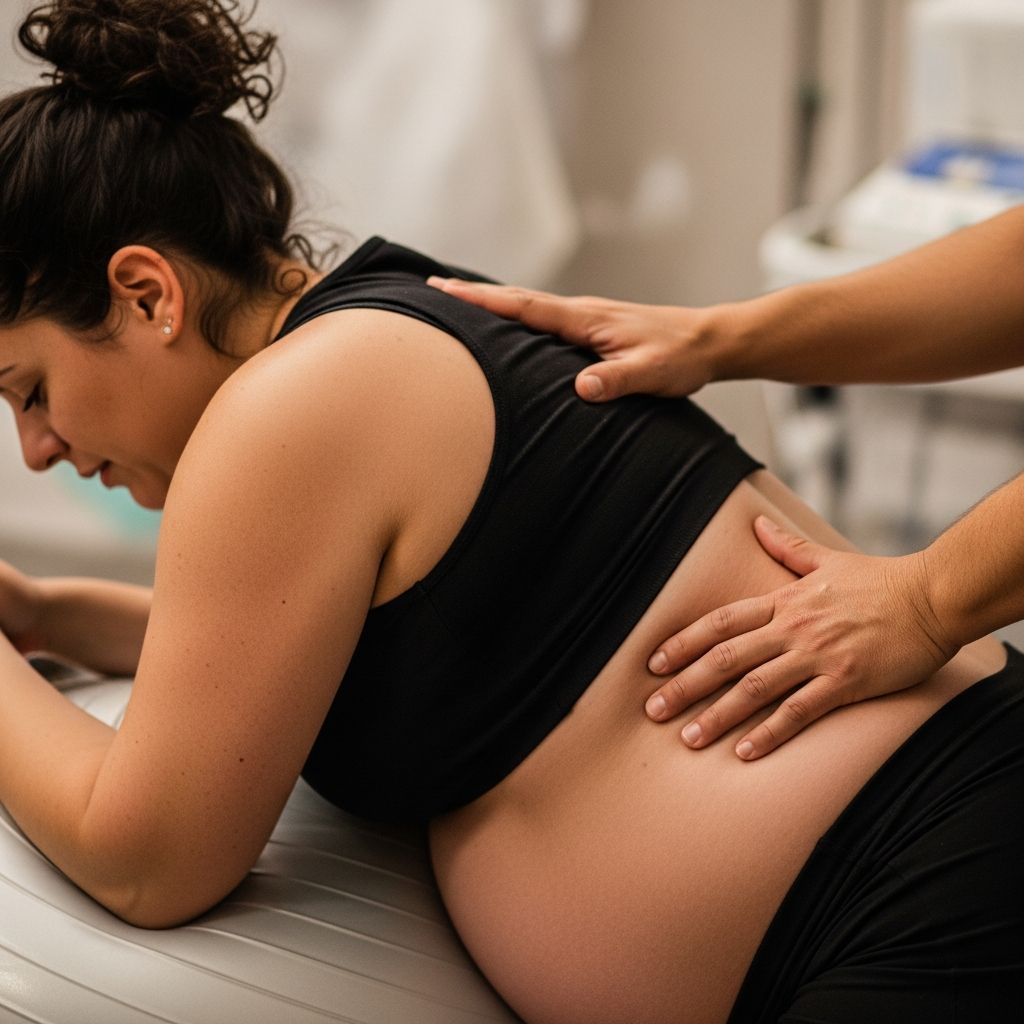
Back labor represents a particularly challenging aspect of childbirth, characterized by severe pain concentrated in the lower back rather than the abdomen. This phenomenon affects a significant number of women, transforming what is already an intense process into one dominated by unrelenting back discomfort.
Defining Back Labor and Its Distinguishing Features
Back labor occurs when labor pains manifest primarily in the lower back, often described as sharp, continuous agony that intensifies during contractions and may persist between them. Unlike typical labor pains that radiate from the front of the uterus, back labor feels like a deep, wrapping pressure around the spine and sacrum. Women report sensations akin to a bruised tailbone or muscle spasms that make movement excruciating.
Approximately 25% of laboring women encounter this type of pain, with 5-8% experiencing it through delivery. It differs from routine pregnancy backaches, which stem from weight gain and postural changes, by its rhythmic escalation tied to contractions.
Primary Causes: Fetal Positioning and Beyond
The leading culprit behind back labor is the baby’s occiput posterior (OP) position, where the infant faces the mother’s abdomen instead of her spine—commonly termed “sunny-side up.” In this alignment, the baby’s head presses directly against the sacrum and tailbone, compressing nerves and amplifying pain signals.
Not all OP-positioned babies trigger back labor, but the correlation is strong. Other contributors include a woman’s history of back pain during menstruation, irregular contractions, and slower labor progression due to the baby’s suboptimal descent. Hormonal shifts loosening pelvic joints late in pregnancy can exacerbate sensations, mimicking early back labor.
- Key Indicators of OP Position: Intense fetal kicks on one side, minimal sensation of baby’s back rotating across the belly, and persistent tailbone soreness when sitting or lying down.
- Pre-Labor Clues: Frequent, back-wrapping Braxton Hicks contractions.
Recognizing Symptoms Throughout Labor Stages
Early labor back pain might resemble menstrual cramps or dull aches, but true back labor escalates: constant lower back throbbing worsens sharply with each contraction, sometimes accompanied by pelvic pressure or spasms. Distinguishing it from standard pregnancy discomfort involves noting its pattern—pain peaks rhythmically and doesn’t subside with position changes or rest.
| Stage of Labor | Typical Back Labor Symptoms | Differentiation from Normal Pain |
|---|---|---|
| Early Labor | Dull ache wrapping to back, irregular intensification | Doesn’t fully ease with movement; tied to contractions |
| Active Labor | Excruciating peaks during contractions, constant baseline pain | Unaffected by rest; radiates to sacrum |
| Pushing Stage | Prolonged discomfort, slower progress | Accompanied by irregular patterns, fatigue |
Potential Risks and Complications Associated
While back labor poses no direct threat to mother or baby, its intensity often prolongs labor, heightening exhaustion and intervention needs. OP positioning correlates with irregular contractions, extended pushing, forceps/vacuum assistance, episiotomies, or cesarean sections.
Mothers face increased pain medication requests and fatigue risks, potentially complicating unmedicated births. Babies in malposition may struggle descending the birth canal, though most rotate spontaneously.
Effective Relief Techniques During Labor
Managing back labor demands targeted strategies to alleviate pressure and encourage fetal rotation. Hands-and-Knees positioning lifts the baby’s head off the sacrum, promoting anterior shift. Counterpressure—firm palm presses on the lower back during contractions—provides immediate relief, as does warm compresses or rolling pins for deep massage.
- Position Changes: Walking, lunging against furniture, or side-lying with a peanut ball between knees.
- Water Therapy: Showers or tubs soothe inflamed nerves.
- Professional Aids: Epidurals offer profound relief if desired, though mobility techniques are ideal first.
Sterile water injections near the sacrum deliver short bursts of intense but brief pain, interrupting the cycle effectively.
Preventive Measures in Late Pregnancy
Proactive steps from 36 weeks can optimize fetal positioning. Daily pelvic tilts, forward-leaning postures, and swimming encourage anterior presentation. Avoiding deep squats or reclined positions minimizes OP risk.
Chiropractic Webster technique or SpinningBabies exercises like the Forward-Leaning Inversion have anecdotal success in rotating babies. Maintaining strong pelvic floor muscles through prenatal yoga aids descent.
Personal Experiences: Navigating Intense Back Labor
Many mothers recount back labor as their most formidable challenge, with pain likened to unrelenting kidney stones or spinal labor. One common narrative involves initial denial of labor onset, mistaking back spasms for muscle strain, only for hospital admission to confirm active labor dominated by posterior positioning.
Success stories highlight perseverance: counterpressure from partners, position shifts, and hydrotherapy enabling vaginal births despite hours of agony. Others opt for epidurals after exhaustion sets in, birthing healthy babies post-prolonged pushing. These accounts underscore preparation’s value—childbirth classes teaching pain-coping tools prove invaluable.
Medical Interventions and When to Seek Help
If back labor stalls progress beyond 4-6 hours or intensifies dangerously, providers may manually rotate the baby (e.g., Arnsdorf maneuver) or recommend operative delivery. Always communicate symptoms clearly; fetal monitoring ensures safety.
Epidural anesthesia targets back pain effectively, allowing rest. In severe cases, cesarean prevents complications from prolonged distress.
Frequently Asked Questions About Back Labor
Can back labor harm my baby?
No, back labor itself is harmless, but associated prolonged labor may necessitate interventions. Optimal monitoring mitigates risks.
How common is back labor?
About 25% of women experience significant back pain in labor, with 5-8% throughout delivery.
Does back labor always mean a C-section?
Not at all—most resolve with position changes; interventions are reserved for stalled progress.
Can I prevent back labor at home?
Yes, through exercises like pelvic tilts and optimal posture from late pregnancy.
Is back labor worse than front labor?
Subjective, but often rated more intense due to constant pressure; relief techniques help manage.
Preparing Mentally and Physically for Childbirth
Anticipating back labor empowers expectant mothers. Prenatal education on positions, breathing, and partner roles builds resilience. Visualization and hypnobirthing complement physical prep, fostering confidence amid unpredictability.
Postpartum, back recovery involves gentle stretches and core rebuilding. Most soreness fades within weeks, affirming the triumph of birth.
References
- Back Labor Signs and Symptoms: Why Does it Occur? — My Baby’s Heartbeat Bear. 2023. https://www.mybabysheartbeatbear.com/blogs/pregnancy/back-labor-signs-and-symptoms-why-does-it-occur
- What Is Back Labor? Symptoms, Treatment, and More — WebMD. 2024-10-15. https://www.webmd.com/baby/what-is-back-labor
- Back Labor — American Pregnancy Association. 2024. https://americanpregnancy.org/healthy-pregnancy/labor-and-birth/back-labor/
- What Is Back Labor? — Baptist Health. 2024-08-20. https://www.baptisthealth.com/blog/mother-and-baby-care/what-is-back-labor
- Is it Time? Signs You Might Be in Labor — West Tennessee Healthcare. 2023-11-10. http://www.wth.org/blog/is-it-time-signs-you-might-be-in-labor/
- What is back labor? — American College of Obstetricians and Gynecologists (ACOG). 2024. https://www.acog.org/womens-health/experts-and-stories/ask-acog/what-is-back-labor