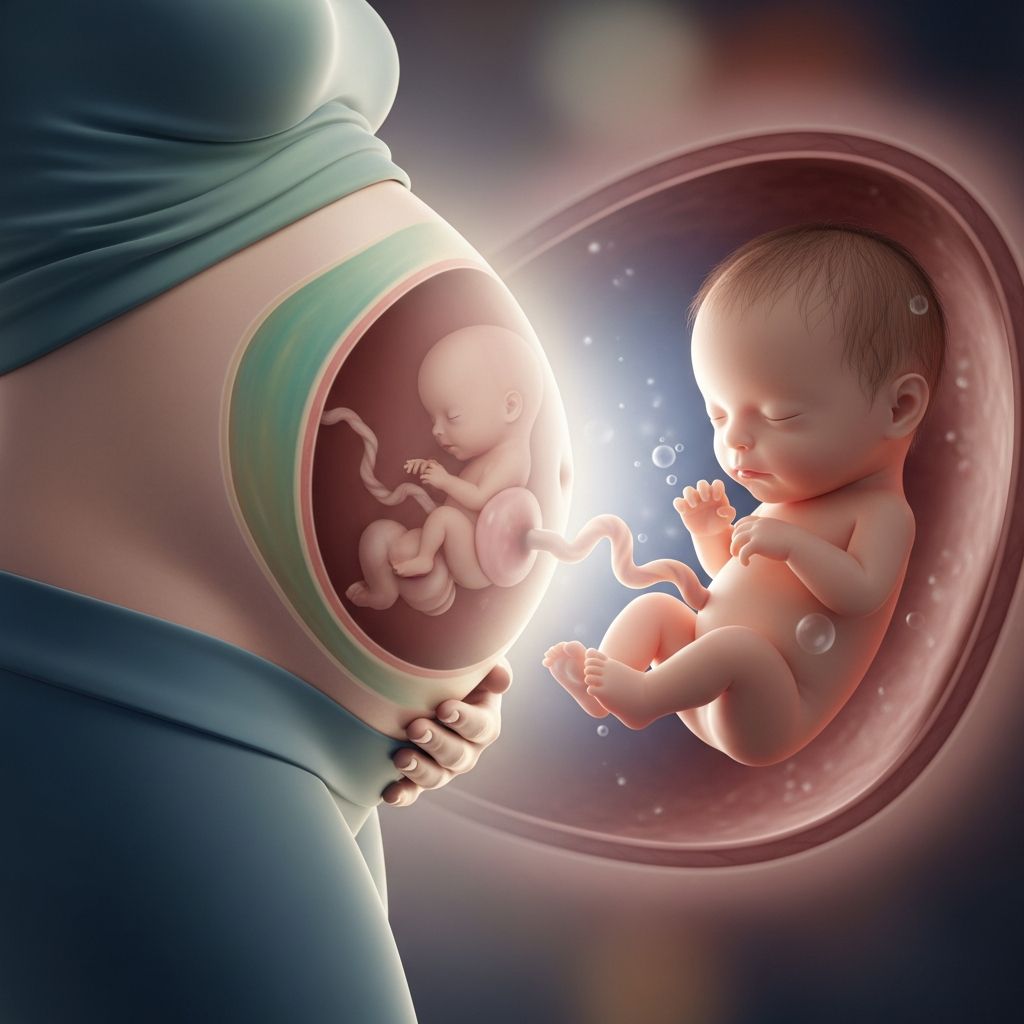
Individuals who identify as transgender or nonbinary can experience pregnancy, challenging traditional views of reproduction. Those assigned female at birth (AFAB) and retaining reproductive organs may conceive, even after gender-affirming treatments. This article delves into the medical, emotional, and practical aspects, drawing from expert guidelines to empower informed family planning.
Understanding Gender Identity and Reproduction
Gender identity exists independently of reproductive anatomy. Transgender men (assigned female at birth, identifying as male) and nonbinary people may carry pregnancies if they have a uterus and ovaries. Gender-affirming hormone therapy, like testosterone, often pauses but does not always end fertility potential. Stopping hormones allows ovulation to resume in many cases, with fertility rates comparable to cisgender individuals.
Mental health plays a key role, as pregnancy can intensify gender dysphoria due to body changes like abdominal growth or lactation. Providers must prioritize affirming language, focusing on anatomy over gender assumptions—for instance, using ‘uterus’ instead of ‘women’s health.’
Fertility Impacts of Gender-Affirming Treatments
Gender-affirming care, including hormones and surgeries, affects reproductive capabilities. Masculinizing therapy with testosterone can thin vaginal tissue, halt menstruation, and reduce fertility, though effects vary and may reverse after cessation. Feminizing therapy for those assigned male at birth (AMAB) impacts sperm production, often leading to infertility, but prostate health remains relevant.
- Testosterone effects: Amenorrhea, potential infertility, vaginal atrophy; fertility often returns 4-6 months post-stoppage.
- Estrogen effects: Reduced sperm count; preservation advised pre-therapy.
- Surgery considerations: Hysterectomy or oophorectomy ends pregnancy ability; discuss reversibility early.
Healthcare professionals recommend preconception counseling to outline risks. Testosterone is teratogenic, contraindicated during pregnancy, necessitating immediate cessation if unintended.
Preserving Future Family Options
Fertility preservation is crucial before starting hormones or surgeries. Options mirror those for cisgender people but require timely discussion per World Professional Association for Transgender Health (WPATH) standards.
| Option | For Whom | Process | Considerations |
|---|---|---|---|
| Sperm Banking | AMAB trans/nonbinary | Cryopreservation of semen samples | Cost-effective; viable post-hormones if done early |
| Egg Freezing | AFAB trans/nonbinary | Ovarian stimulation, egg retrieval | Invasive, expensive; success rates improving |
| Embryo Freezing | AFAB with partner/donor sperm | IVF cycle for embryos | Higher success than eggs alone |
| Ovarian Tissue Preservation | AFAB pre-surgery/hormones | Surgical removal, freezing | Experimental; no stimulation needed |
Obstetrician-gynecologists (OB/GYNs) should collaborate with endocrinologists and fertility specialists. Even post-therapy pregnancies occur, with many conceiving within months of stopping testosterone.
Navigating Prenatal and Antenatal Care
Prenatal care for trans and nonbinary patients mirrors standard protocols but demands customization. Self-referral to services or GP involvement ensures prompt access; speak to providers about pausing hormones immediately upon pregnancy confirmation.
Affirming practices include:
- Using correct pronouns and names.
- Avoiding gendered terms like ‘mother’ or ‘pregnant women.’
- Screening for dysphoria, mental health, and support networks.
- Regular ultrasounds for dating, anatomy, and growth monitoring.
Physical exams focus on anatomy: cervical checks, fundal height. Discuss chestfeeding (lactation) potential, as many transmasculine people produce milk post-delivery.
Managing Unique Medical Risks
Pregnancy introduces specific challenges. Hormone cessation can cause emotional distress, including dysphoria from estrogen surges or body changes. Monitor bone density, as long-term testosterone affects it, and continue cancer screenings (cervical, breast, prostate).
No evidence shows higher adverse outcomes like preterm birth compared to cisgender pregnancies, provided care is affirming. Contraception counseling is vital post-delivery, as hormone therapy isn’t reliable birth control.
Labor, Delivery, and Postpartum Experiences
Birth planning should be multidisciplinary, involving obstetrics, neonatology, and anesthesiology. Preferences for birthing team language, delivery methods, and support persons must be respected.
Postpartum, options include chestfeeding, with lactation support adapted for binders or top surgery scars. Mental health screening for postpartum depression is essential, alongside resuming gender-affirming care safely.
Building Inclusive Healthcare Environments
Clinics foster inclusion through policy changes: gender-neutral forms, diverse imagery, staff training on TGD care. Decouple pregnancy from cisgender female norms to reduce barriers. Family physicians play a pivotal role in preconception and ongoing support.
Legal protections, like those for pregnant workers, extend to trans/nonbinary parents, covering time off for recovery or complications.
Frequently Asked Questions
Can transgender men get pregnant?
Yes, trans men and nonbinary AFAB individuals with intact reproductive organs can conceive after stopping testosterone; fertility often returns quickly.
Is hormone therapy safe during early pregnancy?
No, testosterone must stop immediately as it’s teratogenic; consult providers for guidance.
What fertility options exist for nonbinary people?
Sperm/egg banking, embryo freezing, or ovarian tissue cryopreservation before treatments; discuss with specialists early.
Do trans pregnancies have more complications?
Evidence suggests outcomes are similar to cisgender if care is affirming and timely.
How to find affirming prenatal care?
Seek providers trained in TGD health, use inclusive language, and self-refer where possible.
Empowering Family-Building Journeys
Pregnancy for trans and nonbinary people highlights reproductive diversity. With informed counseling, affirming care, and access to preservation, biological parenthood is achievable. Healthcare evolution ensures equitable support, prioritizing patient goals and identities.
References
- Affirming pregnancy care for transgender and gender-diverse patients — PMC/NCBI. 2023-06-01. https://pmc.ncbi.nlm.nih.gov/articles/PMC10266393/
- Perinatal Care of Transgender Patients — American Academy of Family Physicians (AAFP). 2022-12-01. https://www.aafp.org/pubs/afp/issues/2022/1200/editorial-perinatal-care-diverse-populations.html
- Mental Health and Reproductive Health Considerations for Transgender and Non-Binary Patients — Voluson Club / GE HealthCare. 2023. https://www.volusonclub.net/empowered-womens-health/mental-health-and-reproductive-health-considerations-for-transgender-and-non-binary-patients/
- Pregnancy for trans and non-binary parents — Tommy’s (UK NHS-affiliated). 2024. https://www.tommys.org/pregnancy-information/being-pregnant/pregnancy-trans-and-non-binary-parents
- Pregnant Workers Guide — Transgender Law Center. 2023. https://transgenderlawcenter.org/resources/employment/worker-guides/pregnant-workers-guide/
- Health Care for Transgender and Gender Diverse Individuals — American College of Obstetricians and Gynecologists (ACOG). 2021-03-01. https://www.acog.org/clinical/clinical-guidance/committee-opinion/articles/2021/03/health-care-for-transgender-and-gender-diverse-individuals
- Fertility options for transgender persons — UCSF Gender Affirming Health Program. 2024. https://transcare.ucsf.edu/guidelines/fertility