Restful sleep transforms during pregnancy as your body changes, raising questions about the best positions for maternal and fetal health. Stomach sleeping, a common pre-pregnancy habit, sparks debate: is it harmful to the baby or just uncomfortable later on? This comprehensive guide draws from medical research to clarify safety across trimesters, recommend alternatives, and offer practical strategies for quality sleep.
Understanding Sleep Changes in Pregnancy
Pregnancy reshapes sleep patterns due to hormonal shifts, physical discomfort, and growing fetal demands. Progesterone surges early, causing fatigue, while later stages bring frequent urination, heartburn, and backaches. Quality sleep supports placental function, immune health, and mood stability for both mother and child. Poor positioning can compress blood vessels or strain the spine, underscoring the need for informed choices.
Studies emphasize position over duration: certain postures optimize uterine blood flow, reducing risks like low birth weight or preterm labor. While individual comfort varies, evidence guides recommendations, prioritizing fetal oxygenation and maternal well-being.
Early Pregnancy: Freedom to Sleep on Stomach
In the first trimester (weeks 1-12), stomach sleeping poses minimal risk. The uterus remains small, nestled in the pelvis, protected by thick abdominal muscles and amniotic fluid cushions the embryo from pressure. Many women continue this position comfortably, as the bump hasn’t yet emerged.
- No compression concerns: Fetal development occurs safely without vessel restriction.
- Comfort advantage: It may ease nausea-related queasiness by promoting digestion.
- Expert consensus: Organizations like Tommy’s confirm it’s fine until the second trimester.
Listen to your body—if it feels natural, proceed. Transition planning starts around week 13 as the uterus expands upward.
Second Trimester Shifts: When Stomach Sleeping Fades
By weeks 13-27, the fundus (top of uterus) reaches midway up the abdomen, making stomach sleeping awkward. Around weeks 16-18, the growing bump creates a ‘watermelon’ sensation, deterring this position naturally. Amniotic fluid and uterine walls still shield the fetus, so accidental flips aren’t dangerous—just reposition to side.
A NIH-funded study through week 30 found no link between stomach or back sleeping and adverse outcomes like stillbirth or growth restriction in early-to-mid pregnancy. However, comfort drives change: persistent stomach sleeping strains the neck and lower back due to torso hyperextension.
| Trimester | Stomach Sleeping Safety | Key Reasons |
|---|---|---|
| First (1-12 weeks) | Safe and comfortable | Small uterus, protective layers |
| Second (13-27 weeks) | Uncomfortable, but not harmful | Bump growth; fluid protection |
| Third (28+ weeks) | Avoid | Impractical, potential spinal strain |
Late Pregnancy: Why Avoid Stomach Sleeping
Third trimester (28+ weeks) renders stomach sleeping nearly impossible due to the prominent belly. Attempting it risks spinal misalignment: abdominal sinkage into the mattress arches the lower back, exacerbating pregnancy-related pain from ligament loosening. While not directly fetal-threatening, it amplifies discomforts like sciatica or pelvic pressure.
General stomach sleeping drawbacks apply: neck twisting for breathing causes stiffness, shoulder tension, and disrupted spine curve. For pregnant bodies, added weight pulls the center of gravity forward, intensifying these issues. Opt for supported alternatives to prevent chronic aches.
Optimal Alternatives: Mastering Side Sleeping
Healthcare providers universally recommend left-side sleeping from mid-pregnancy onward. This position enhances vena cava flow, boosting kidney filtration, uterine perfusion, and nutrient delivery to the baby. Research across six trials links back-sleeping post-28 weeks to stillbirth risk via aortocaval compression—baby and womb press major vessels, reducing oxygen.
- Left side priority: Improves circulation; reduces swelling.
- Right side acceptable: Similar benefits, though slightly less optimal for liver position.
- Back sleeping risks: Safe early, but avoid after 28 weeks—linked to fetal heart rate changes and lower activity.
A 2019 Obstetrics & Gynecology analysis reassures early back-side sleeping but urges side shifts later.
Practical Tips for Pregnancy Sleep Success
Achieving rest requires adaptation. Here’s how to ease transitions:
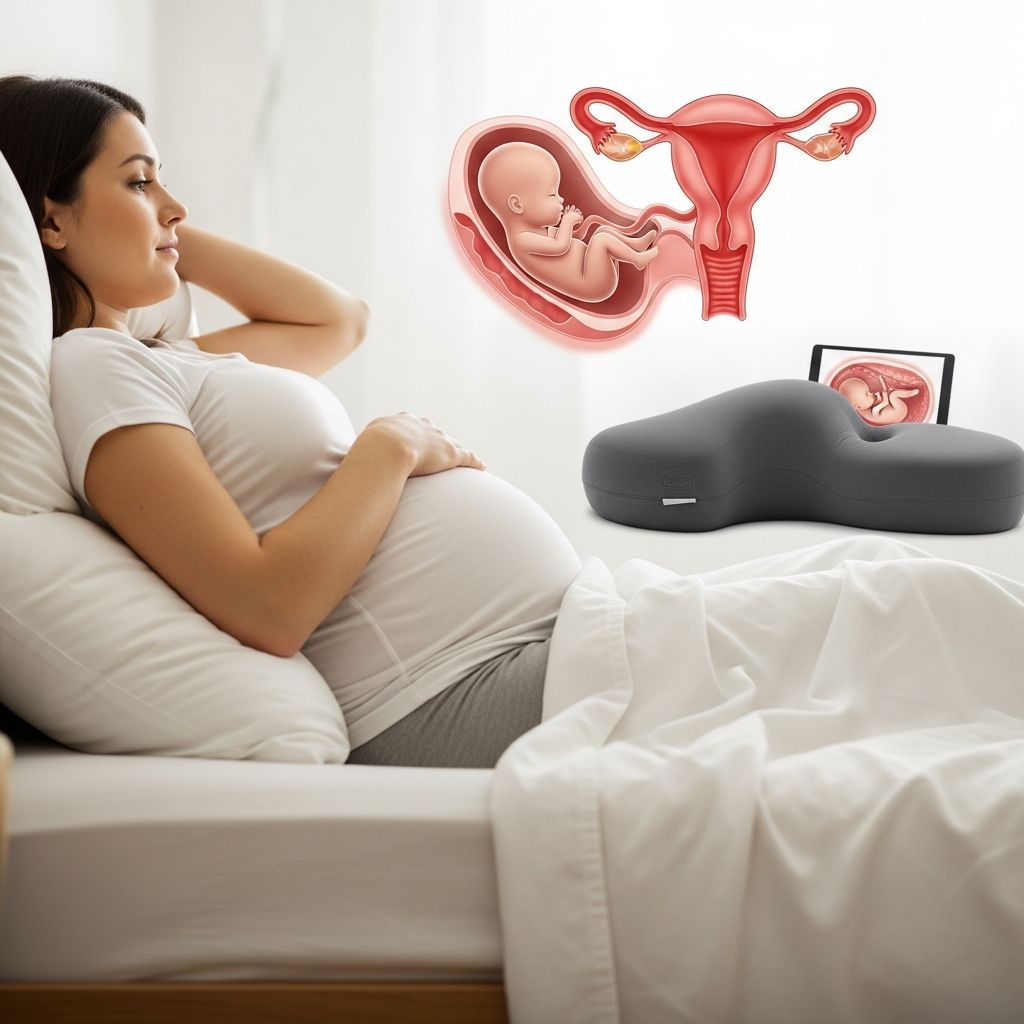
- Pillow power: Use a pregnancy wedge under the belly and between knees for side sleeping alignment. A full-body C-shaped pillow cradles the torso.
- Mattress matters: Firm surfaces prevent excessive sinkage; top with breathable layers for temperature regulation.
- Evening routine: Dim lights, avoid caffeine post-noon, practice prenatal yoga for relaxation.
- Anti-back-sleep hacks: Sew a tennis ball into pajama backs or use positional alarms.
- Morning relief: Gentle cat-cow stretches counteract overnight strain.
For stomach sleepers, gradual retraining: start side-prone with pelvic pillows during daytime rests.
Addressing Common Myths and Concerns
Myths persist: ‘Stomach sleeping squishes the baby’—false early on, thanks to protective fluids. Another: ‘Any back time is dangerous’—studies show risks emerge late-trimester only. Heartburn sufferers sometimes prefer stomach elevation, but propped side-sleeping works better.
Waking on stomach? No panic—roll over calmly. Track patterns with a journal; consult providers for persistent insomnia, as it signals issues like sleep apnea.
Health Impacts Beyond Comfort
Optimal positioning influences outcomes: side sleeping correlates with better birth weights and reduced preeclampsia odds. Stomach habits, if forced late-term, heighten musculoskeletal pain, impacting mobility. Prioritize sleep hygiene to combat trimester fatigue, ensuring 7-9 hours nightly.
Frequently Asked Questions
What if I wake up on my stomach in the third trimester?
Simply roll to your side—it’s not harmful occasionally, as your body naturally avoids it. Focus on falling back asleep sideways.
Can stomach sleeping cause miscarriage?
No evidence supports this; early pregnancy protections suffice. Miscarriage risks tie more to genetics or health factors.
Is right-side sleeping okay?
Yes, though left is ideal. Both outperform back-sleeping post-28 weeks for blood flow.
How to stop stomach sleeping habit?
Pillows, body pillows, and partner reminders help. Practice daytime side-naps to build muscle memory.
Does sleep position affect baby movement?
Back-sleeping may reduce perceived activity due to oxygen dips; side enhances it.
Long-Term Sleep Wellness Postpartum
Post-delivery, reclaim positions gradually as healing progresses. Side-sleeping aids breastfeeding logistics. Maintain habits: consistent bedtime, dark rooms, and core-strengthening exercises rebuild resilience against prior strains.
Pregnancy sleep challenges build lasting awareness—many report improved quality lifelong after optimizing positions.
References
- Is Sleeping on Your Stomach Bad? — Amerisleep. 2023. https://amerisleep.com/blog/is-sleeping-on-your-stomach-bad/
- Sleep position in pregnancy Q&A — Tommy’s. 2024-01-16. https://www.tommys.org/pregnancy-information/im-pregnant/sleep-side/sleep-position-pregnancy-qa
- Science Update: Sleeping position during early and mid pregnancy — NICHD (NIH). 2019-09-20. https://www.nichd.nih.gov/newsroom/news/092019-pregnancy-sleep-position
- How to Sleep During Pregnancy: Sides, Stomach, and Back — Healthline. 2023. https://www.healthline.com/health/pregnancy/sleeping-positions-in-pregnancy
- Prospective evaluation of maternal sleep position through 30 weeks gestation and adverse pregnancy outcomes — Obstetrics & Gynecology (Silver et al.). 2019. https://doi.org/10.1097/AOG.0000000000003458
- Sleeping Positions During Pregnancy — Stanford Children’s Health. 2024. https://www.stanfordchildrens.org/en/topic/default?id=sleeping-positions-during-pregnancy-85-P01238