Pregnancy brings profound changes to a woman’s body, including shifts in skin condition that can lead to unexpected acne flare-ups. These breakouts, often more intense due to surging hormones, affect many expectant mothers, particularly those with prior acne history. Understanding the underlying mechanisms and adopting safe management practices allows women to maintain skin health without compromising fetal safety.
Hormonal Influences on Skin Health
The surge in hormones like progesterone and androgens during pregnancy stimulates sebaceous glands, increasing oil production that clogs pores and fosters bacterial growth. This process peaks in the first trimester but can persist or intensify later, especially in the third trimester as the body prepares for labor. Women with pre-existing acne face heightened risk, with studies indicating up to 90% experiencing recurrences.
Immune system adaptations further exacerbate the issue by altering skin’s natural defenses, making it harder to combat inflammation. Stress hormones, elevated amid pregnancy anxieties, compound this by triggering additional sebum output. Unlike typical acne, pregnancy-related versions often appear on the chin, jawline, and cheeks, presenting as inflammatory papules, pustules, or cysts.
Recognizing Patterns and Timelines
Breakouts commonly emerge early in pregnancy, driven by rapid hormonal spikes, and may subside in the second trimester before potentially returning. Not all women are affected equally; genetic predisposition and prior skin issues play key roles. Tracking these patterns helps in tailoring interventions effectively.
- First Trimester: Highest incidence due to peak hormone levels.
- Second Trimester: Possible improvement as hormones stabilize.
- Third Trimester: Renewed flares from androgen rises and physical stress.
Safe Topical Solutions for Mild Cases
For mild to moderate breakouts, topical agents remain the cornerstone of treatment, selected for minimal systemic absorption and proven safety profiles. Azelaic acid, applied twice daily, reduces inflammation and bacterial load without teratogenic risks, making it ideal across all trimesters.
Benzoyl peroxide, at concentrations up to 5%, combats bacteria effectively with low absorption rates—less than 5% enters the bloodstream, and it’s rapidly excreted. Dietary exposure to its byproduct often exceeds topical use. Topical clindamycin or erythromycin serve as antibiotic alternatives, best combined with peroxides to curb resistance.
| Treatment | Safety Level | Application | Benefits |
|---|---|---|---|
| Azelaic Acid | Safe all trimesters | Twice daily | Anti-inflammatory, antibacterial |
| Benzoyl Peroxide (≤5%) | Low risk | Once or twice daily | Kills acne bacteria, unclogs pores |
| Glycolic Acid | Generally safe in low doses | Daily | Exfoliates dead skin |
Avoid retinoids, high-dose salicylic acid (>2%), and tetracyclines, as they pose fetal risks like birth defects.
Addressing Moderate to Severe Breakouts
When topicals fall short, oral options enter consideration, prioritized by trimester safety. Beta-lactams like penicillin and cephalexin are first-line for their excellent profiles across pregnancy. Amoxicillin suits second and third trimesters, avoiding first due to potential cleft palate associations, though evidence varies. Erythromycin follows as a macrolide option.
These should pair with topicals to prevent resistance. For persistent cysts, intralesional corticosteroids like triamcinolone offer targeted relief with negligible systemic impact, safe even during lactation.
Advanced Procedural Interventions
Refractory cases benefit from non-drug therapies. Light-based treatments, including narrowband UVB, pulse-dye lasers, and Nd:YAG lasers, show no teratogenic effects and effectively reduce inflammation. Photodynamic therapy (PDT) is similarly viable.
Monitor folate levels with UVB to mitigate neural tube defect risks from potential depletion. Blue and red light therapies provide gentler alternatives, avoiding heat buildup.
Daily Skincare Routines for Expectant Mothers
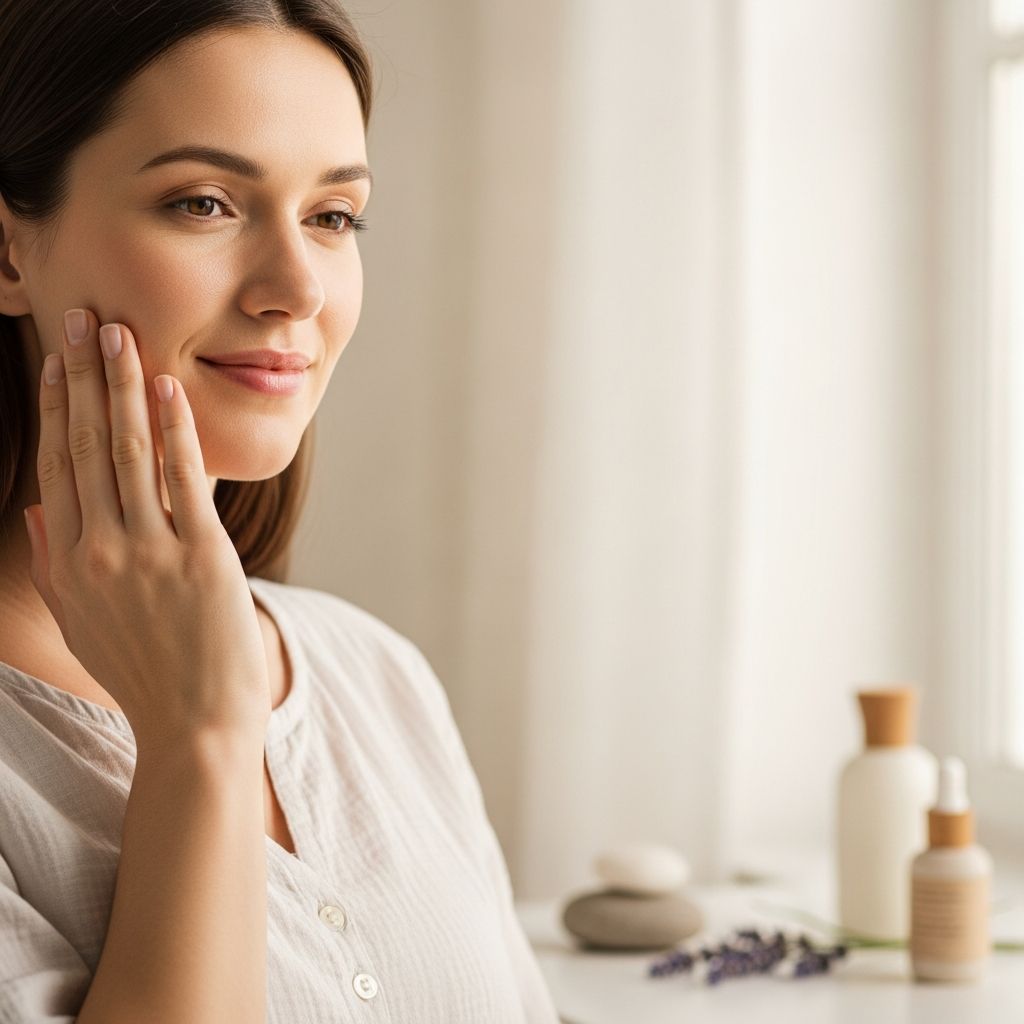
Prevention starts with gentle habits. Cleanse twice daily using non-comedogenic, fragrance-free products to remove excess oil without stripping the barrier. Fragrance-free moisturizers maintain hydration, countering dehydration-induced oil overproduction.
- Select oil-free, pregnancy-safe sunscreens to shield healing skin.
- Incorporate hypoallergenic makeup that won’t clog pores.
- Use soft cloths or fingers for application to minimize irritation.
Diet influences skin too: prioritize anti-inflammatory foods rich in omega-3s, antioxidants, and low-glycemic options to stabilize hormones. Hydration supports overall skin resilience.
Lactation Considerations and Postpartum Care
Many safe pregnancy treatments extend to breastfeeding, including azelaic acid, benzoyl peroxide, and intralesionals due to low transfer risks. Continue oral beta-lactams if needed, monitoring infant tolerance. Postpartum hormonal crashes can prolong breakouts, so sustained routines prove essential.
Professional Guidance and When to Seek Help
Consult dermatologists or obstetricians before any regimen, especially for severe acne risking scarring or infection. Personalized plans account for medical history and breakout severity. Self-care suffices for mild issues, but professionals handle complexity.
Frequently Asked Questions
Can pregnancy acne harm my baby?
No, acne itself poses no direct fetal risk, but untreated severe cases may lead to maternal stress or scarring. Focus on safe treatments.
Is benzoyl peroxide truly safe during pregnancy?
Yes, at ≤5% concentrations, with minimal absorption and no reported teratogenic effects across studies.
What home remedies help with breakouts?
Gentle cleansing, hydration, and stress reduction via prenatal yoga or meditation complement medical options.
Will my skin improve after delivery?
Often yes, as hormones normalize, though postpartum flares occur; consistent care aids recovery.
Are natural ingredients always safe?
No—avoid essential oils like tea tree in high amounts; stick to evidence-backed choices and consult providers.
Lifestyle Adjustments for Optimal Skin
Beyond topicals, manage stress through mindfulness, adequate sleep, and light exercise like walking, which balances hormones. Avoid picking lesions to prevent scarring. Track progress with photos to gauge efficacy.
Pregnancy acne, while challenging, responds well to informed, cautious approaches. Empowering expectant mothers with knowledge fosters confidence in navigating this temporary phase.
References
- Treatment of Acne Vulgaris During Pregnancy and Lactation — PMC/NCBI. 2023. https://pmc.ncbi.nlm.nih.gov/articles/PMC9823189/
- Understanding Pregnancy Acne and How to Treat It Effectively — Skin Surgery Center. 2023. https://www.skinsurgerycenter.net/blog/understanding-pregnancy-acne-and-how-to-treat-it-effectively
- Safe Pregnancy Acne Treatments — Aviva Dermatology. 2023. https://www.avivaderm.com/treating-pregnancy-acne-safely/
- Pregnancy Acne: How Can You Deal with It? — Flo Health. 2023. https://flo.health/pregnancy/pregnancy-health/pregnancy-acne
- Acne During Pregnancy: Causes, Home Remedies, and Treatments — WebMD. 2023. https://www.webmd.com/skin-problems-and-treatments/acne/acne-during-pregnancy-treatments-causes
- Acne in Pregnancy — EADV. 2023. https://eadv.org/wp-content/uploads/2023/09/PREGNANCY-Acne.pdf
- Acne in Pregnancy — DermNet NZ. 2023. https://dermnetnz.org/topics/acne-in-pregnancy