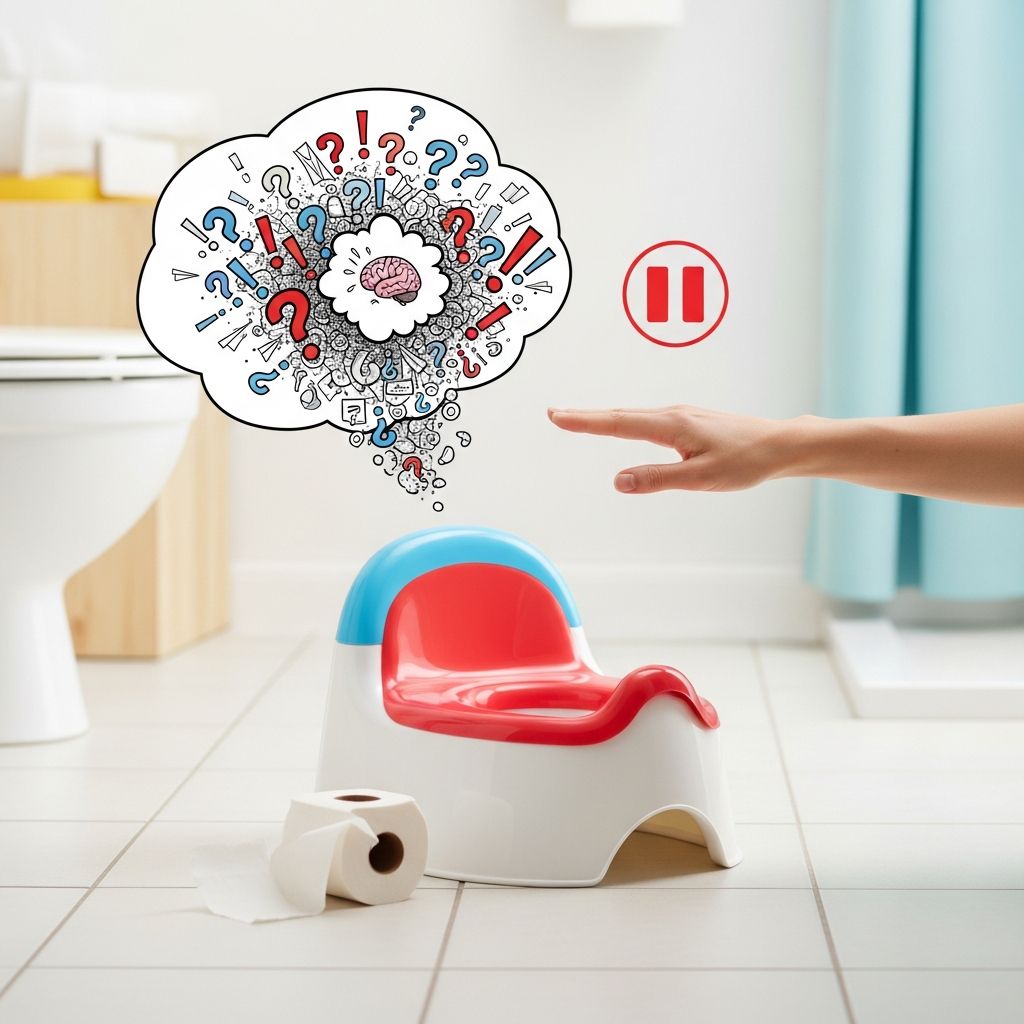
Potty training is rarely a straight line. Many families find themselves stuck in a cycle of power struggles, puddles on the floor, or a child who suddenly wants nothing to do with the toilet. When that happens, a thoughtful potty training reset can be far more effective than doubling down on pressure or bribes.
Why Potty Training Resets Matter
A potty training reset is a deliberate pause followed by a fresh start, designed to lower stress for both you and your child. Instead of viewing it as a failure, think of it as a strategic timeout that allows everyone to regroup, calm down, and try again with better tools and more realistic expectations.
Children learn toileting skills best when they feel safe, capable, and respected. A reset gives your toddler a chance to rebuild confidence and gives you the chance to adjust your approach, so you are working with your child instead of against them.
Common Signs Your Toddler Needs a Fresh Start
Not every rough day means you have to start over. However, certain patterns suggest that your current strategy is causing more stress than progress. Watching for these signs can help you decide whether a reset is a good idea.
- Constant power struggles: Potty time always turns into a battle, with screaming, running away, or intense refusals.
- Persistent accidents: Your child rarely makes it to the potty even after several weeks of consistent effort.
- Sudden regression: A previously trained child starts having frequent accidents after a big life change, like a new sibling or starting daycare.
- Fear or anxiety: Your toddler seems genuinely scared of the toilet, flush, or bathroom, not just mildly resistant.
- Physical discomfort: Signs of constipation, straining, or pain when they try to go.
- Escalating parental stress: You feel angry, exhausted, or resentful every time you think about the potty.
If several of these are true for your family, stepping back and planning a reset can prevent bigger emotional and physical issues later.
Typical Reasons Potty Training Stalls
Before you hit the reset button, it helps to understand what may be blocking progress. Often there is an underlying cause that can be addressed once you identify it.
- Developmental readiness: Your child might not yet have the body awareness, bladder capacity, or impulse control needed to stay dry consistently.
- Big life transitions: Moves, new siblings, starting school, illness, or a change in caregivers can make children cling to familiar habits like diapers.
- Pressure and power struggles: When kids feel pushed, they often push back, using their bodies as one of the only things they truly control.
- Fear of the unknown: Flushing sounds, the size of the toilet, or seeing waste disappear can feel confusing or frightening.
- Hidden medical issues: Constipation, urinary tract infections, or chronic stool withholding can make using the potty painful or scary.
Step-by-Step Plan to Reset Potty Training
A reset is not just about going back to diapers. It’s a structured, compassionate process that helps you rebuild a positive foundation. Use the steps below as a flexible roadmap rather than rigid rules.
1. Call a Truce and Drop the Pressure
For at least one to two weeks, remove all demands and expectations around using the potty. Put your child back in diapers or training pants, and present this as a way to help them feel safe and comfortable, not as a punishment or a reward.
During this period, avoid constant reminders, timers, or comments about accidents. Focus on rebuilding your connection: play, read together, and keep bathroom talk light and neutral.
2. Reset Your Own Mindset
A successful reset starts with the adult. Reflect honestly on what has been fueling your frustration. Are you worried about daycare policies, family opinions, or comparisons to other children?
Remind yourself that toileting is a developmental skill, not a moral achievement. When you see it as a joint learning project instead of a performance test, your tone and body language naturally become calmer and more supportive.
3. Rebuild Positive Associations with the Bathroom
During the pause, quietly reintroduce the bathroom as a friendly, low-pressure place. Let your toddler sit on the potty fully clothed while you chat, sing, or read a story.
- Keep a small basket of special books or toys that only appear during bathroom visits.
- Consider fun but simple touches: a step stool with their favorite color, a soft night-light, or stickers on the wall.
- Allow your child to flush after you or an older sibling goes, if they are curious but not fearful.
4. Gently Check Readiness Again
After your cool-down period, watch for signs that your child might be ready to try again. No child will show every sign, but a cluster usually indicates readiness.
- Stays dry for at least two hours at a time.
- Notices or tells you when they are wet or dirty.
- Can follow simple instructions like “go get your shoes.”
- Shows interest in the bathroom, underwear, or what others are doing.
- Can pull pants up and down with minimal help.
5. Relaunch with a Clear, Simple Plan
When you restart, keep the routine straightforward and predictable. Choose a quiet several-day window with no major travel or changes, and decide in advance how you will respond to successes and accidents.
One simple structure many families like:
- Have your child sit on the potty at natural transition times: after waking, after meals, and before bath or bedtime.
- Dress them in easy-on, easy-off clothing such as elastic-waist pants or dresses.
- Use calm, neutral language such as “Your body needs to pee sometimes. The potty is where pee and poop go.”
6. Use Encouragement, Not Bribery
Rewards can be helpful when used thoughtfully, but the focus should always remain on your child’s effort, not the prize. Verbal praise, high-fives, and warm attention often matter more than stickers or treats.
When you do use external rewards, keep them small and consistent. For example, a sticker on a chart for sitting on the potty, and an extra story at bedtime after a day of trying their best.
7. Adjust for Your Child’s Temperament
Some toddlers respond well to structure and predictable routines; others need more control and flexibility. Observing your child’s personality can help you customize your approach.
| Temperament Style | Helpful Strategies |
|---|---|
| Strong-willed / independent | Offer choices (which potty, which underwear), avoid power struggles, focus on collaboration rather than commands. |
| Slow-to-warm / cautious | Introduce changes gradually, give plenty of preview and reassurance, allow observing others without pressure to participate. |
| Easygoing / adaptable | Maintain a simple, consistent routine, use light humor and games, be careful not to ignore subtle signs of discomfort. |
What to Do About Accidents After the Reset
Even with a successful reboot, accidents are a normal part of the learning curve. How adults respond shapes how quickly children regain confidence and how they feel about their bodies.
- Stay calm and brief: Use a neutral tone: “Pee goes in the potty. Let’s clean this up together.” Then move on.
- Involve your child: Have them help with simple cleanup tasks, like putting wet clothes in a hamper, to reinforce the cause-and-effect connection without shaming.
- Watch for patterns: Track whether accidents happen at specific times or places. You may need more frequent potty trips before outings or after drinking liquids.
- Reassess if needed: If your child is constantly soaked and upset, you may need another short pause before trying again.
Supporting Nighttime Training Separately
Daytime and nighttime dryness are controlled by different developmental processes. Many children become reliable during the day long before they can stay dry overnight, and that is completely normal.
- Use overnight pull-ups or absorbent training pants without framing them as “babyish.”
- Limit drinks in the hour before bedtime, while still ensuring adequate hydration during the day.
- Offer a calm pre-bed potty visit and, if necessary, a gentle wake-and-pee before you go to sleep.
- Protect the mattress with waterproof covers so that occasional leaks are easy to handle.
When to Talk to a Pediatric Professional
Most potty training bumps can be managed at home with time and patience. However, some situations deserve professional input to rule out medical issues or to get specialized behavior guidance.
- Consistent pain, blood, or intense straining when your child pees or poops.
- Stool withholding to the point of very large, hard stools or days without a bowel movement.
- Sudden accidents in a previously dry child that are accompanied by fever, unusual thirst, or weight loss.
- Severe anxiety, panic, or trauma related to using the bathroom.
Trust your instincts. If you feel something is not quite right, reaching out for help is a sign of attentiveness, not overreaction.
Practical Scripts You Can Use
In the heat of the moment, it can be hard to find calm, respectful words. Having a few simple phrases ready can keep interactions short and kind, even on messy days.
- For announcing the reset: “We’re going to use diapers for a little while so your body can practice without any rush.”
- For accidents: “Oops, your pee came out in your pants. It belongs in the potty. Let’s change and try again later.”
- For refusal: “You don’t have to sit right now. The potty will be here when your body is ready.”
- For success: “You listened to your body and went to the potty. That’s you taking care of yourself.”
Potty Training Reset FAQs
How long should a potty training reset last?
There is no single correct length, but many families find that one to three weeks is enough time for everyone to decompress. Aim for at least several days where you truly release expectations, then re-evaluate based on your child’s behavior and your own stress level.
Will going back to diapers confuse my child?
Children handle temporary returns to diapers well when adults explain the change calmly and consistently. Emphasize comfort and readiness rather than framing it as a step backward, and your child will likely see it as a normal part of learning, not a punishment.
What if daycare wants my child trained by a certain age?
External deadlines can create pressure, but your child’s body cannot be rushed beyond its developmental capacity. Communicate openly with caregivers about your reset plan and focus on shared goals: keeping the child comfortable, healthy, and gradually moving toward independence.
How many times can we reset before it becomes a problem?
Multiple resets over months are not uncommon. If you find yourself cycling through start-and-stop attempts without any progress or if your child becomes increasingly anxious, it may be time to ask your pediatrician or a child development specialist for tailored support.
Should I treat poop training differently from pee training?
Many children master pee first and poop later because bowel movements can feel more intense or vulnerable. You can support this by allowing your child to poop in a diaper while sitting near or on the potty, then gradually transitioning to using the potty fully as they gain trust and comfort.
Key Takeaways for a Calmer Reset
Resetting potty training is not giving up; it is choosing a slower, kinder path that respects your child’s readiness and your own emotional bandwidth. With patience, clear communication, and realistic expectations, most toddlers eventually become confident, capable potty users on their own timeline.
- Your relationship with your child matters more than the speed of training.
- Short-term pauses can lead to long-term success.
- Staying calm and curious will serve you better than any rigid method or timeline.