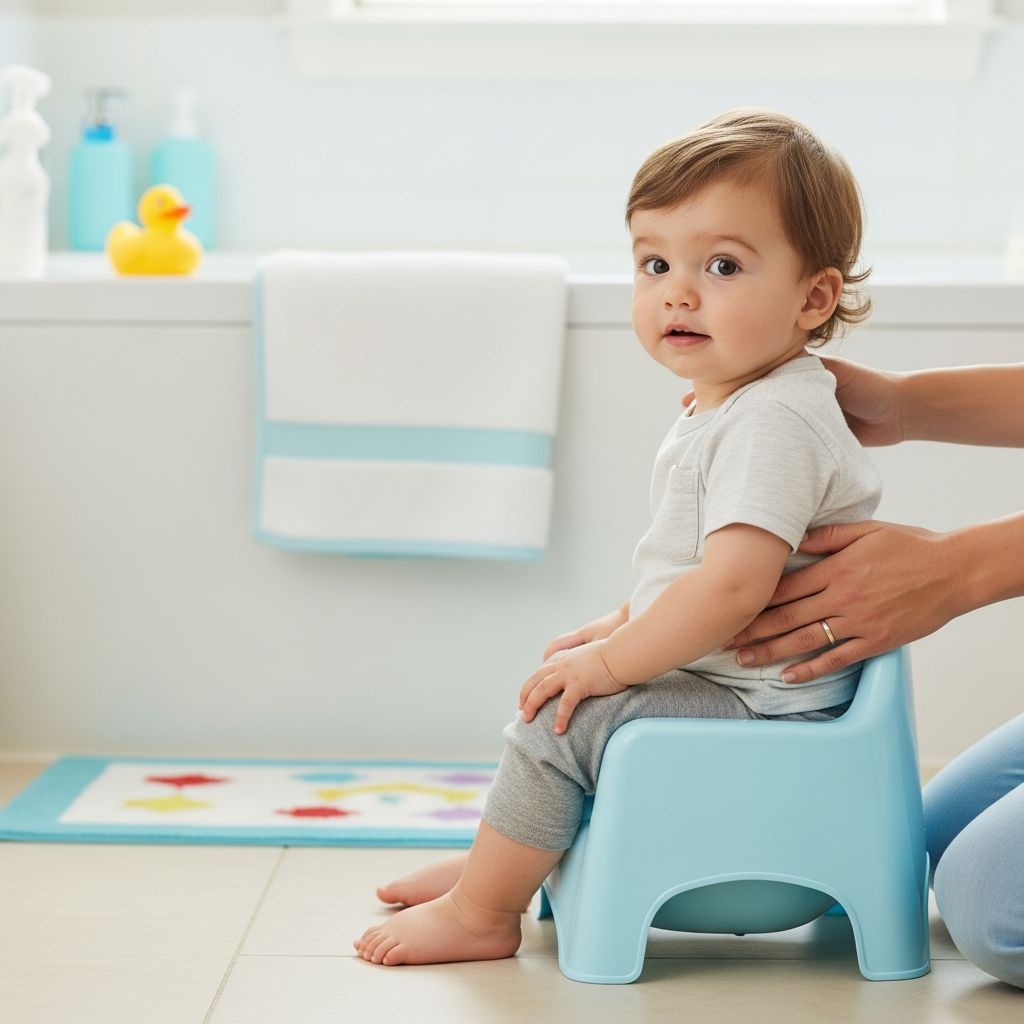
Determining the optimal time to begin potty training hinges on recognizing specific developmental milestones rather than adhering strictly to age guidelines. Toddlers typically exhibit readiness between 18 months and 3 years, but individual progress varies widely. Observing physical, cognitive, and emotional cues ensures a positive experience with fewer setbacks.
Physical Indicators of Bladder and Bowel Control
The foundation of potty training lies in a child’s ability to manage their bodily functions physiologically. Key physical signs demonstrate that the muscles involved in continence are maturing.
- Extended dry periods: A toddler who remains dry for at least 1-2 hours, or wakes from naps with a dry diaper, shows emerging bladder control. This indicates the bladder can hold urine longer, a prerequisite for scheduled potty visits.
- Regular bowel patterns: Predictable pooping times, often accompanied by hiding or specific postures, signal awareness and partial control over bowel movements.
- Motor skills for independence: Ability to walk steadily to the potty, pull pants up and down, and climb on/off a potty chair independently supports self-managed toileting.
These physical markers confirm the nervous system and muscles are developed enough to hold and release on command, reducing accident frequency during training.
Behavioral and Awareness Signals
Beyond physiology, behavioral responses to bodily sensations reveal cognitive readiness. Children who notice and react to their diaper’s state are primed for training.
- Discomfort with soiled diapers: Pulling at, removing, or complaining about wet or dirty diapers shows bodily awareness and a desire for cleanliness.
- Preemptive announcements: Verbally indicating ‘wee’ or ‘poo’ before or during the act demonstrates predictive understanding of needs.
- Hiding instincts: Seeking privacy, like going behind furniture, to eliminate privately indicates recognition of the act as separate from routine play.
Such behaviors reflect an internal sense of when elimination occurs, bridging awareness to action on the potty.
Cognitive and Emotional Readiness Factors
Successful potty training requires mental engagement and motivation. Toddlers must grasp instructions and feel driven to participate.
| Factor | Description | Why It Matters |
|---|---|---|
| Language comprehension | Follows simple 1-2 step directions, like ‘sit on potty’ or ‘pull down pants.’ | Enables understanding of training routines. |
| Imitation skills | Copies adults washing hands or using the toilet. | Leverages natural mimicry for learning. |
| Desire to please | Seeks praise or shows eagerness to help. | Boosts motivation without heavy reliance on rewards. |
| Interest in bathroom | Follows parents to the toilet or plays with potty toys. | Sparks curiosity essential for engagement. |
Emotionally secure toddlers, who feel independent yet seek parental approval, transition more smoothly, viewing potty use as an achievement.
Common Myths About Starting Age
Many parents fixate on age, but experts emphasize readiness over timelines. The American Academy of Pediatrics, via Mayo Clinic guidance, notes most children master skills between 18-36 months, but forcing earlier leads to resistance and prolonged training. Rushing ignores that full nighttime control may lag until age 5-7.
- Myth 1: All 2-year-olds are ready – False; only those showing 4-6 signs should start.
- Myth 2: Summer is best – Readiness trumps season; consistent routines matter more.
- Myth 3: Boys lag behind girls – Individual variation outweighs gender averages.
Red Flags: When to Delay Potty Training
Not all toddlers are primed; ignoring unreadiness causes stress. Postpone if these persist:
- Fear or aversion to the potty/toilet, refusing to approach.
- No awareness of accidents, continuing play uninterrupted.
- Frequent wet diapers under 1 hour, indicating immature control.
- Major life changes like new siblings or moves disrupting routines.
- Regression in other milestones, signaling overall unreadiness.
Waiting 1-3 months for signs to emerge prevents power struggles and builds confidence.
Practical Steps to Assess Readiness
Track progress systematically over 1-2 weeks:
- Log diaper changes, noting dry intervals and patterns.
- Observe reactions to soiled states and verbal cues.
- Test motor skills with dress-up games simulating pants handling.
- Introduce potty play without pressure, praising interest.
- Count readiness signs; aim for 5+ before starting.
This data-driven approach aligns training with natural development.
Setting Up for Success
Once signs align, prepare the environment:
- Choose child-sized potty for comfort and stability.
- Use training pants for transitional support.
- Establish routine: potty after meals, before bed, upon waking.
- Praise efforts, not just successes, fostering positivity.
Consistency across caregivers accelerates mastery, often within weeks for ready toddlers.
Frequently Asked Questions
What if my child shows some but not all signs?
Focus on the majority; nurture missing skills like language through play. Reassess in a month.
Is nighttime dryness required to start?
No; daytime success precedes nights, which mature later.
How long does training take for ready kids?
3-7 days for basics, weeks for reliability; varies by child.
Should I use rewards?
Minimal stickers for eager pleasers; praise suffices for most.
What about regressions?
Common during stress; revert to diapers briefly, then resume calmly.
Long-Term Benefits of Timely Training
Starting at peak readiness correlates with confidence, fewer accidents, and positive self-image. Early success models healthy habits, easing future independence like preschool transitions. Parents report less frustration, strengthening bonds through shared milestones.
Every child’s journey is unique; patience paired with observation yields the best outcomes. By attuning to these multifaceted signs, families navigate potty training effectively.
References
- Five signs your child is ready for potty training — NCT. 2023. https://www.nct.org.uk/information/baby-toddler/caring-for-your-baby-or-toddler/five-signs-your-child-ready-for-potty-training
- When To Start Potty Training: Signs Of Potty Training Readiness — Pull-Ups. 2024. https://www.pull-ups.com/en-ca/resources/tips-advice/when-to-start/signs-your-child-is-ready
- 5 Signs of Potty-Training Readiness — Lullaby Earth. 2023. https://www.lullabyearth.com/blog/signs-of-potty-training-readiness
- When to start potty training — Texas Diaper Bank. 2024. https://www.texasdiaperbank.org/when-to-start-potty-training/
- 10 signs your toddler is ready to start potty training — Huckleberry. 2024. https://huckleberrycare.com/blog/10-signs-your-toddler-is-ready-to-start-potty-training
- When Is Your Child Ready To Start Potty Training — National Diaper Bank Network. 2024. https://nationaldiaperbanknetwork.org/when-to-start-potty-training/
- Potty training: How to get the job done — Mayo Clinic. 2025-01-10. https://www.mayoclinic.org/healthy-lifestyle/infant-and-toddler-health/in-depth/potty-training/art-20045230