Potty training marks a pivotal step in a child’s development, yet it frequently encounters bumps along the way. Many parents face issues like outright refusal, sudden regressions, or persistent accidents, which can test patience and resolve. This guide draws on established pediatric insights to offer fresh, actionable approaches, emphasizing emotional support, readiness assessment, and consistent routines to transform these hurdles into triumphs.
Assessing Your Child’s Readiness for Toilet Independence
Before diving into training, evaluate if your toddler is primed physically and emotionally. Signs of readiness include staying dry for two hours, showing discomfort with soiled diapers, or expressing interest in the bathroom. Rushing ahead often leads to resistance; instead, observe for consistent cues like the ability to follow simple instructions or pull pants up and down independently.
Physical milestones matter: children typically master bladder control around age 2-3, but bowel control and full independence may extend to 4-5 years. Emotional factors, such as curiosity about others’ bathroom habits, signal psychological preparedness. If absent, delay training to avoid power struggles—pausing for weeks can reset motivation.
- Track dry periods during naps or overnight.
- Note verbal announcements like “I need to go.”
- Test pants handling during playtime.
Navigating Initial Resistance and Refusal
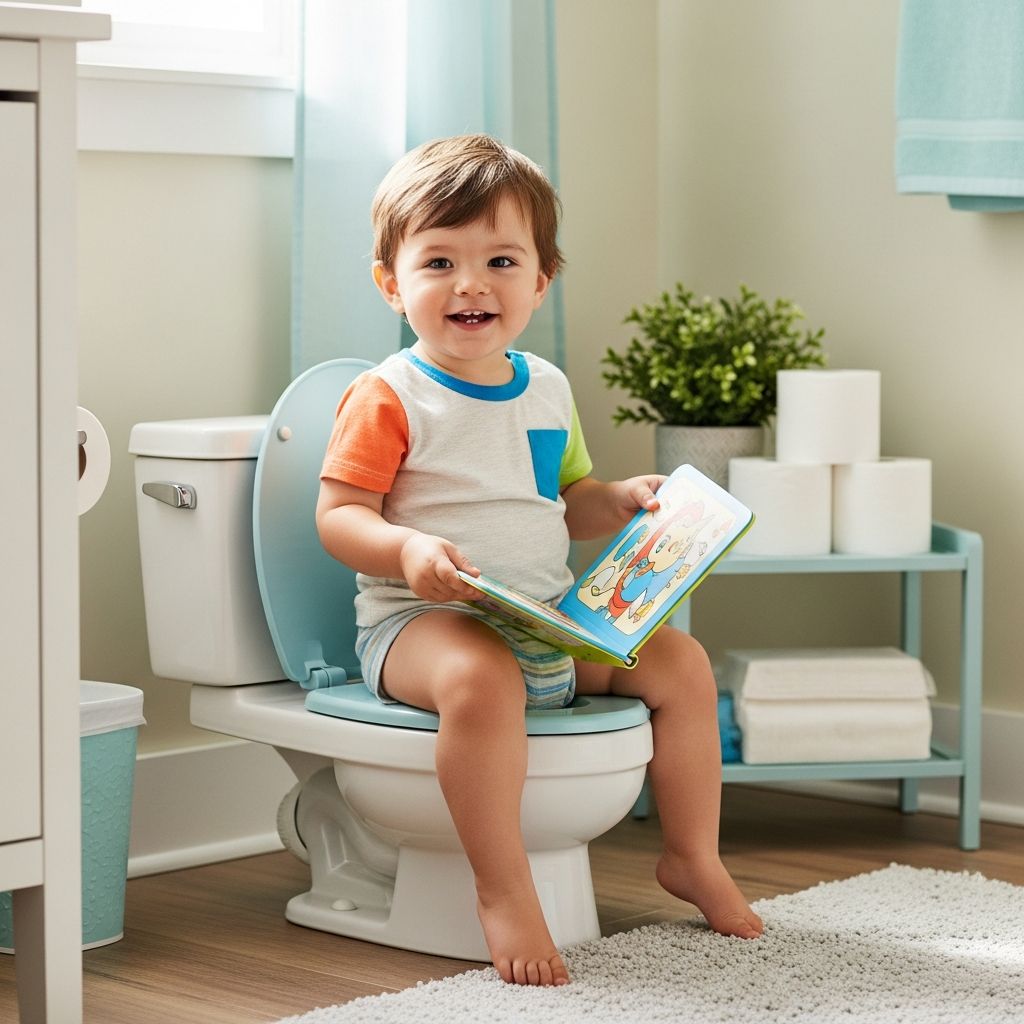
Some toddlers flat-out reject the potty, viewing it as an unwelcome intrusion. This stems from discomfort, unfamiliarity, or simple disinterest. Start by making the potty approachable: place it in a playful spot with books or toys nearby to associate it positively. Demonstrate its use yourself, turning it into a family norm rather than a chore.
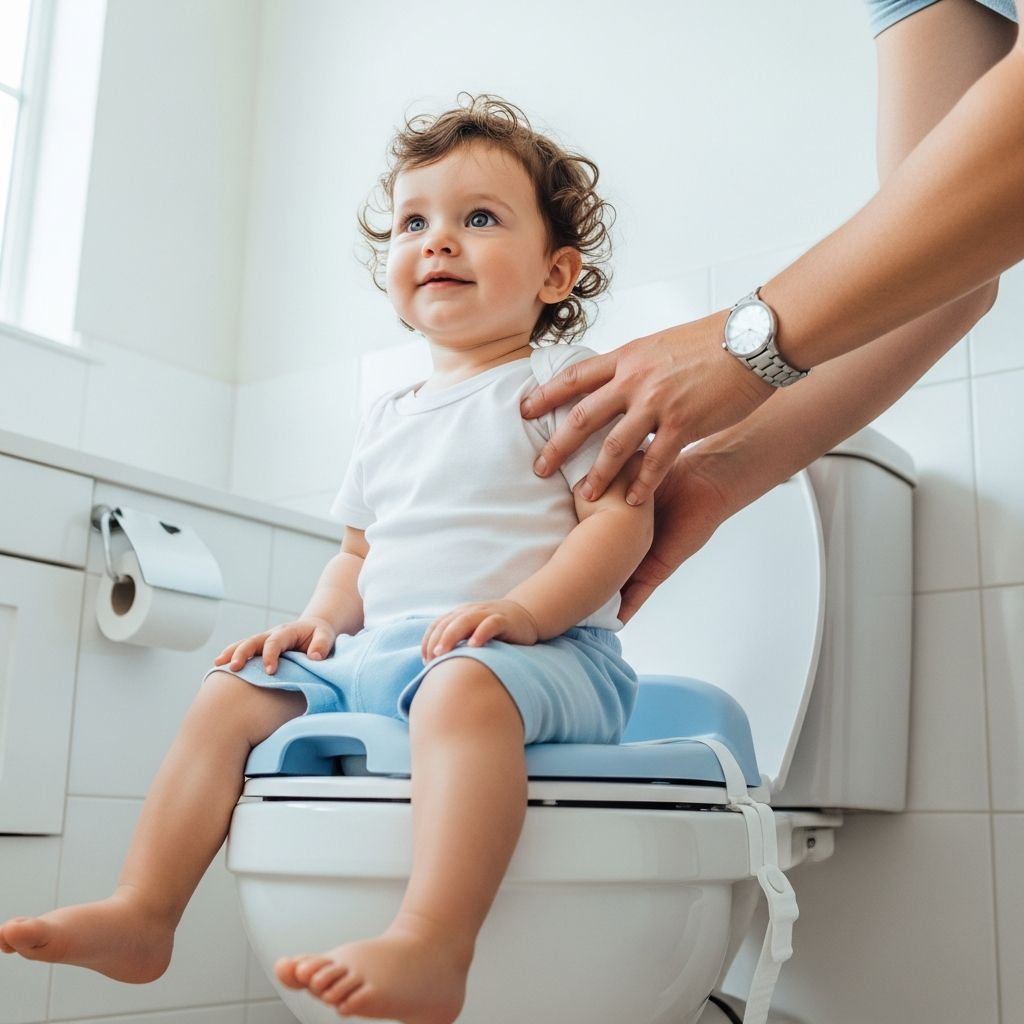
Avoid coercion; pressure amplifies defiance. Instead, use gentle invitations: “Want to sit and read a story?” Feet firmly on the ground (via a stool) aids stability and control, reducing unease. For persistent holdouts, introduce potty chairs over intimidating adult toilets initially, transitioning gradually.
| Resistance Trigger | Strategy | Expected Outcome |
|---|---|---|
| Fear of the unknown | Modeling + play | Increased curiosity |
| Physical discomfort | Foot stool + seat adapter | Comfort and confidence |
| Lack of interest | Positive exposure, no force | Voluntary trials |
Addressing Toilet Anxiety and Hidden Fears
Fear often masquerades as stubbornness. Children may dread the sensation of release, flushing noise, or even disappearing waste. Validate feelings: “It’s okay to feel scared; many kids do.” Gradual desensitization works—flush only after they exit the room, progressing to joint flushes during distractions like singing.
Public restrooms amplify anxiety with loud automatics or unfamiliarity. Prep at home: visit parks with restrooms for practice runs, carrying a portable seat. For automatic flushes, cover sensors with tape temporarily. Rule out medical causes like UTIs or constipation via pediatric check-ups.
Solving Bowel Movement Holdouts
A common sticking point: peeing succeeds, but pooping stays in diapers. The ‘falling away’ feeling or splash startles many. Shift to toilet training first with a secure seat, as it mimics the real deal hygienically. Enhance privacy with a screen or door ajar.
Diet tweaks help: boost fiber via fruits, veggies, and water to ease passage. Position comfortably—knees above hips—and offer distractions like apps with water sounds. Praise efforts, not just success: “Great job trying!” If withholding persists, consult for constipation.
- Increase prunes, pears, or beans daily.
- Schedule ‘poop time’ post-meals.
- Use a footrest for natural squat posture.
Managing Daytime Accidents Effectively
Accidents are inevitable as bladders mature unevenly. Don’t scold; calmly clean and redirect: “Next time, let’s race to the potty!” Dress in loose, pull-down clothes for quick access. Set timers for bathroom reminders every 30-60 minutes, fading as reliability grows.
Preemptive checks before outings or transitions prevent puddles. Training pants offer security without full diapers, signaling progress. By age 4, most achieve daytime dryness, but lapses under stress are normal.
Tackling Nighttime Wetting Challenges
Nighttime lags daytime by years—genetics play a role, with dryness common by 5-7. Limit evening fluids, use absorbent bedding, and wake for midnight potty if needed, though experts advise against for sleep disruption. Bedwetting alarms emerge around age 5 for persistent cases.
Celebrate dry mornings lavishly, ignoring wet ones neutrally to avoid shame. Reassure: “Bodies learn at their pace.”
Handling Regressions and Setbacks
Progress halts amid changes—new siblings, moves, or illness. Regression isn’t failure; revert to diapers briefly if stressed, resuming routines calmly. Consistency across caregivers prevents confusion.
Rebuild with successes: naked weekends heighten awareness. Track patterns in a journal to spot triggers.
| Trigger | Response |
|---|---|
| Family stress | Extra cuddles + routine |
| New daycare | Practice portable potty |
| Illness recovery | Temporary diaper break |
Public and Travel Toilet Triumphs
Unfamiliar venues daunt many. Pack a travel potty or seat cover. Scout locations ahead, role-play at home. Rewards for brave public tries build resilience.
Essential Tools and Environmental Tweaks
Equip wisely: stable potties, step stools, wipes warmer. Decorative charts for stickers motivate visually. Consistent language—”potty time”—avoids confusion.
The Power of Positive Reinforcement
Praise trumps punishment. Sticker charts, high-fives, or small privileges for tries reinforce neural pathways for success. Avoid over-rewarding to prevent dependency.
When to Seek Professional Guidance
If no progress by 4 or pain signs appear, see a pediatrician. Encopresis or retention may need therapy.
Frequently Asked Questions
Is my 3-year-old too old if not trained?
No—average age is 3-4; variation is normal.
How long do accidents last?
Daytime: weeks to months; nighttime: up to years.
Should I punish accidents?
Never—shame hinders progress.
What if they hide to poop?
Gently guide to potty, address constipation.
Can daycare help?
Yes, with aligned routines.
References
- Toilet Training: Common Questions and Answers — American Academy of Family Physicians. 2019-10-15. https://www.aafp.org/pubs/afp/issues/2019/1015/p468.html
- Potty Training — American Academy of Pediatrics HealthyChildren.org. 2023-05-01. https://www.healthychildren.org/English/ages-stages/toddler/toilet-training/Pages/default.aspx
- How to Address Challenges in Potty Training — Mastermind Behavior. 2024-08-12. https://www.mastermindbehavior.com/post/how-to-address-challenges-in-potty-training
- Solutions to Four Common Potty Training Problems — ToiletSeats.com. 2023-11-20. https://www.toiletseats.com/education-and-inspiration/articles/solutions-to-four-common-potty-training-problems/
- Common Potty Training Problems and Solutions — Baby Gooroo. 2024-02-14. https://babygooroo.com/articles/common-potty-training-problems-solutions
- Five Do’s and Don’ts of Potty Training Your Toddler — UC Davis Health. 2023-07-10. https://health.ucdavis.edu/children/patient-education/potty-training-children