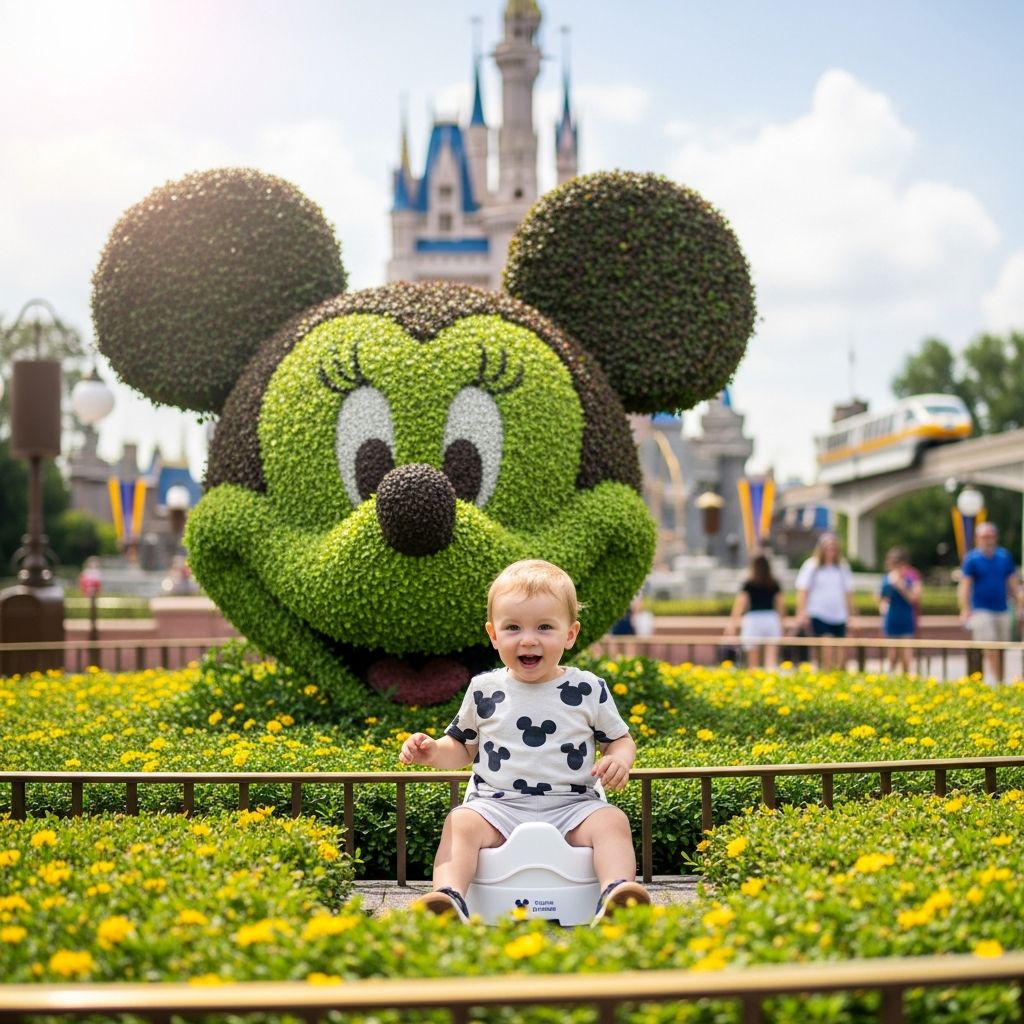
Taking on the Challenge: Combining Potty Training with Theme Park Adventures
Deciding to plan a Disney World vacation while your child is in the middle of potty training requires courage and careful planning. Many parents worry that introducing a major travel milestone while managing bathroom independence will create chaos, but with the right preparation and mindset, it’s entirely manageable. The key is understanding what facilities Disney offers, what you need to bring, and how to adjust your expectations to match the reality of potty training in a theme park environment.
The decision to travel during potty training doesn’t have to be postponed. While it presents unique challenges, Disney World’s family-friendly infrastructure and the supportive parent community there means you’re never truly alone in managing these concerns. Thousands of families navigate this same situation annually, and their collective experience provides valuable lessons for new parents tackling this adventure.
Essential Items to Pack for Success
Preparation is the foundation of any successful Disney trip during potty training. Unlike standard bathroom facilities, theme parks have limited accommodations specifically designed for toddlers learning to use adult-sized toilets. This means bringing the right equipment becomes non-negotiable.
Clothing and Containment Solutions
- Multiple changes of clothing: Pack at least two complete outfit changes per day, stored in accessible locations within your park bag. Accidents happen, and having immediate replacements prevents extended distraction from park activities.
- Plastic storage bags: Gallon-sized freezer bags or shopping bags from home serve multiple purposes—containing soiled underwear, storing wet clothes, and keeping your park bag organized. These lightweight items take minimal luggage space while providing maximum utility.
- Extra underwear: Bring substantially more than you think necessary. Accidents are a normal part of the learning process, and having abundant clean options eliminates the stress of running out mid-day.
- Moisture-wicking socks and shoes: Theme parks involve considerable walking and standing, which can exacerbate bathroom needs and moisture-related discomfort.
Bathroom-Specific Supplies
- Portable potty seat: A foldable travel toilet seat is arguably the most important item to bring. Standard Disney bathroom toilets are adult-sized, and a portable seat makes them accessible and comfortable for young children. These seats fold compactly and weigh only ounces.
- Adhesive notes: Sticky notes placed over automatic toilet sensors prevent them from flushing unexpectedly, which commonly startles potty-training children. This simple trick significantly reduces bathroom anxiety.
- Travel-sized wipes: These multi-purpose items clean up minor accidents, handle spills, and address general hygiene needs throughout the day.
- Hand sanitizer: While Disney bathrooms are generally clean, hand sanitizer provides additional assurance between bathroom visits and meal preparation.
- Pull-ups as backup protection: Many parents find value in using pull-ups during park days, either alone or layered over underwear. This approach provides containment security while maintaining the child’s awareness of bathroom functions.
Understanding Disney’s Bathroom Infrastructure
Disney World has made significant strides in improving bathroom accessibility, but understanding the available options helps maximize convenience and reduce stress. The parks contain multiple bathroom categories, each serving different needs for families managing potty training.
Standard Theme Park Restrooms
These facilities are located throughout all four theme parks and are readily accessible to guests. While equipped with adult-sized toilets, they become toddler-friendly when using a portable potty seat. Most Disney bathrooms feature automatic flushing toilets, which is where adhesive notes prove invaluable. The primary challenge with standard restrooms is limited privacy and space for managing accidents or clothing changes.
Companion and Family Restrooms
These specially designated bathrooms offer significantly more space and privacy than standard facilities. Companion restrooms typically feature a single toilet, a full-sized sink, and ample floor space, making them ideal for potty training children. They allow one adult and a child to navigate bathroom activities more comfortably. These facilities are increasingly common throughout Disney World properties and are marked on park maps. Using the My Disney Experience mobile application, families can quickly locate the nearest companion restroom from any park location.
Baby Care Centers
Located in each of the four theme parks, Baby Care Centers provide an alternative bathroom experience. These dedicated facilities typically include changing tables, nursing stations, climate control, and a small retail area for baby supplies. Many Baby Care Centers have private or semi-private bathroom areas where parents can assist their children with potty training in a less crowded environment. These centers represent an excellent refuge when your child needs focused bathroom time without the pressure of waiting lines or other guests.
Locating Facilities Using Technology
The My Disney Experience app revolutionizes bathroom location strategy. The map feature includes a restroom filter that displays all nearby facilities with your current location highlighted. This technology eliminates the stress of searching for bathrooms while your child indicates urgent needs. Simply pull up the app, tap the restroom filter, and identify the closest option. This approach proves especially valuable in large parks where bathroom locations aren’t immediately obvious. For families without smartphone access, cast members stationed throughout the parks happily provide directions to the nearest facilities.
Implementing Practical Strategies Throughout Your Visit
Having supplies and knowing facility locations addresses only part of the equation. Implementing proactive strategies during park days significantly impacts success rates and stress levels.
The Timed Bathroom Approach
Setting regular bathroom visit intervals removes the pressure of waiting for your child to communicate urgent needs. Many parents find success establishing a bathroom visit approximately every hour or immediately after completing each attraction. This schedule prevents the distraction-related accidents common in exciting environments like theme parks. Children become absorbed in attractions and entertainment, often forgetting to communicate bathroom needs. Scheduled visits ensure regular attempts regardless of the child’s awareness or distraction level. While this routine requires discipline, it substantially reduces accident frequency and the associated cleanup challenges.
Managing Fluid Intake
Theme parks are hot, and maintaining hydration is important for health and safety. However, excessive fluid intake increases bathroom frequency beyond what’s necessary. Encourage age-appropriate fluid consumption without overloading. Some parents find that slightly reducing fluid intake during park hours, particularly in the car during arrival, helps manage bathroom needs more effectively. Monitor your individual child’s sweat rate and activity level to determine appropriate hydration without creating excessive bathroom needs.
Addressing Sensory Concerns
Children new to potty training often experience anxiety around automatic flushing toilets, which make loud, sudden noises and unexpected water movements. The sticky note solution directly addresses this issue by covering the sensor, preventing automatic flushing until after the child vacates the toilet. This simple modification transforms what could be a traumatic experience into a routine bathroom visit. Some children also experience anxiety around the large toilet opening; the portable potty seat reduces the hole size and creates a more secure feeling.
Maintaining Emotional Perspective
Parental stress about accidents often exceeds the child’s concern, inadvertently creating anxiety that makes accidents more likely. Remember that virtually every parent at Disney World is either currently managing potty training, has managed it recently, or will manage it soon. The universal nature of this developmental stage means nobody judges bathroom accidents or necessary cleanup efforts. Maintaining a positive, solution-focused attitude helps children remain relaxed and confident about their bathroom independence progression.
Strategic Planning for Different Park Scenarios
| Park Scenario | Recommended Strategy |
|---|---|
| Waiting in lines | Schedule bathroom visits before entering major attractions; use family/companion restrooms to minimize wait times |
| Riding attractions | Ensure bathroom visit immediately before entering ride queue; consider pull-ups for additional security during rides |
| Meal times | Schedule bathroom visit immediately after eating; allow 15-20 minutes for post-meal bathroom needs |
| Outdoor performances | Visit bathrooms well before show start; identify nearest restroom for emergency situations |
Managing Special Situations and Setbacks
Even the most carefully planned Disney trips encounter unexpected potty training challenges. Regression—where previously trained children have increased accidents—is particularly common in new environments with exciting stimuli. This temporary setback doesn’t indicate permanent training failure; it reflects the child’s brain processing novel experiences while managing new skills simultaneously. Respond to regression with patience rather than frustration. Increased bathroom visit frequency and pull-up use during particularly challenging days helps manage regression-related accidents without shaming the child.
Some children experience additional anxiety from loud automatic flushing toilets, unusual bathroom layouts, or the general sensory overload of busy public facilities. Companion restrooms typically provide calmer environments that help anxious children manage their needs more successfully. When major anxiety occurs, taking a break from park activities to spend quiet time at your resort helps reset the child’s nervous system and reduces accident frequency.
Packing Organization and Daily Bag Logistics
Creating a dedicated potty-training supply pouch within your daily park bag ensures quick access to essentials without rummaging through other items. Include the portable potty seat, adhesive notes, wipes, and extra underwear in this easily accessible location. A separate small bag for soiled clothing prevents contamination of other park items. Some families use a small rolling suitcase instead of a backpack, providing easier organization and reducing shoulder strain from carrying potty training supplies plus regular park necessities.
Frequently Asked Questions About Potty Training at Disney World
Should I delay my Disney trip until my child is fully potty trained?
Not necessarily. With proper preparation and realistic expectations, many families successfully manage potty training during Disney visits. The family-friendly environment and available facilities make theme parks manageable for children at various potty training stages. However, if your child is just beginning potty training and remains uncomfortable with the process, waiting a few months allows more confidence development before the travel challenge.
Are pull-ups necessary, or will they confuse my child?
Pull-ups serve as temporary security measures and don’t inherently create confusion. Many parents successfully layer pull-ups over underwear, maintaining the child’s awareness of accidents while containing any messes. This hybrid approach provides peace of mind for parents without undermining the child’s understanding of bodily functions.
How often should I schedule bathroom breaks during park days?
Scheduling visits every hour or immediately after attractions provides good baseline frequency. However, adjust based on your individual child’s typical bathroom schedule at home. Some children need more frequent visits; others can extend intervals to 90 minutes. Communication with your child about their comfort level helps optimize the schedule.
What should I do if my child has a significant accident while riding an attraction?
Exit the ride using the designated exit route and visit the nearest bathroom or Baby Care Center immediately. Have your change of clothing accessible in your park bag. Clean up efficiently and continue your day—dwelling on the incident creates unnecessary stress for both you and your child. Cast members can provide paper towels and cleaning supplies if needed.
Should I use the automatic hand dryers or bring paper towels?
Bring small packages of paper towels or wipes. Automatic dryers can be loud and frightening for young children, and waiting for drying extends bathroom time unnecessarily. Portable wipes provide quick hand-drying without additional sensory input.
Can I bring my own portable potty into park bathrooms?
Yes. Many parents bring small portable potties in addition to potty seats. These provide standalone bathroom solutions in larger bathroom facilities or Baby Care Centers, though they’re bulkier to carry throughout the day than fold-flat potty seats.
References
- Potty Training in Disney World: Expert Tips to Know — Dad’s Guide to WDW. Accessed January 2026. https://dadsguidetowdw.com/disney-potty-training
- How To Do Disney While Potty Training — Rock-A-Bye Parents. Accessed January 2026. https://www.rockabyeparents.com/how-to-do-disney-while-potty-training/
- Potty Training and WDW — TouringPlans Discussion Forums. Accessed January 2026. https://forum.touringplans.com/t/potty-training-and-wdw/4300
- My Disney Experience Mobile Application — The Walt Disney Company. Accessed January 2026. https://disneyworld.disney.go.com/plan/my-disney-experience/