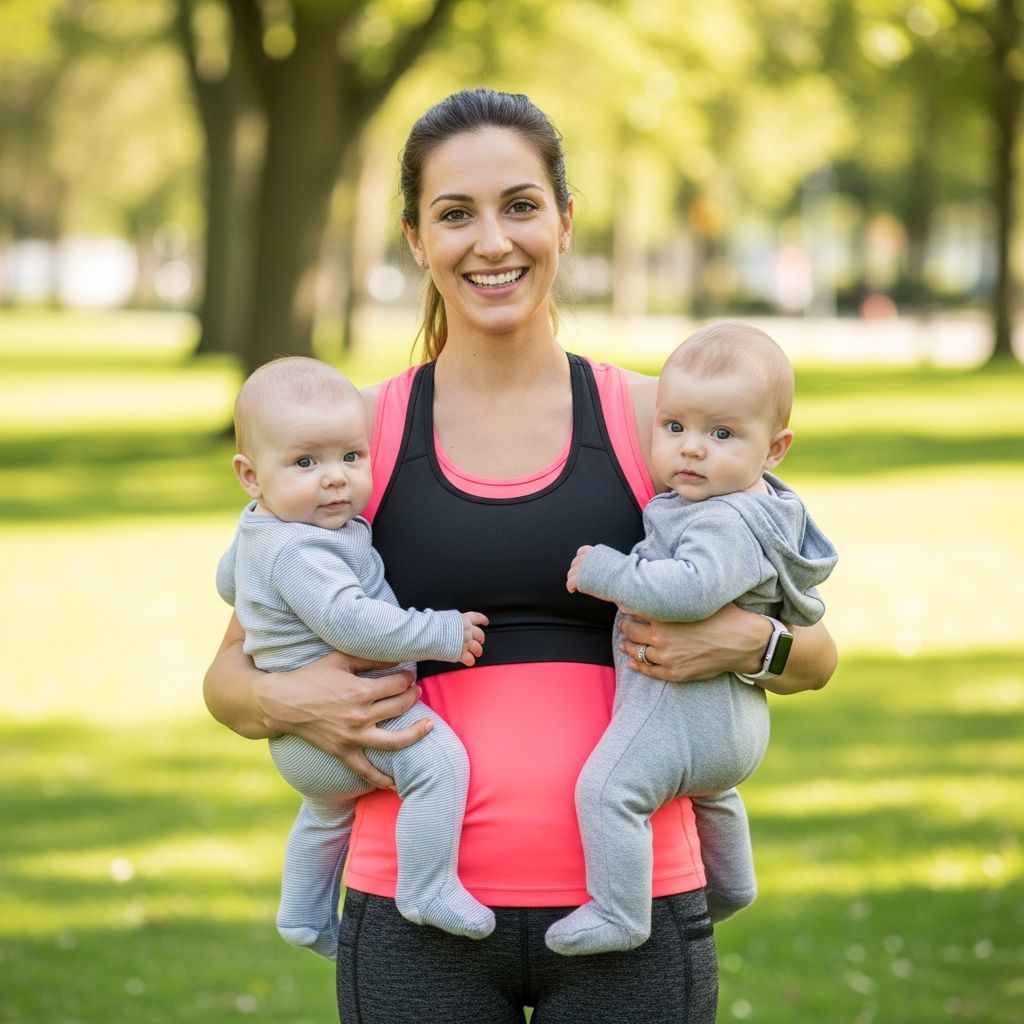
Becoming a mother transforms daily life, often sidelining personal fitness routines amid sleep deprivation and constant caregiving. Yet, integrating exercise with baby care offers a pathway to reclaim physical vitality while fostering bonding. This guide explores practical strategies for postpartum women to exercise safely with their infants, drawing on expert recommendations for timing, equipment, movements, and precautions to ensure both maternal recovery and child development thrive.
Understanding Postpartum Recovery Basics
After childbirth, the body undergoes significant changes requiring careful reintroduction to physical activity. Medical guidelines emphasize waiting for clearance before resuming structured exercise. The American College of Obstetricians and Gynecologists (ACOG) advises postpartum individuals to gradually incorporate movement, prioritizing low-impact options to rebuild endurance without strain. Factors like delivery type—vaginal, cesarean, or with complications—influence readiness timelines.
Pelvic floor health stands as a cornerstone of safe return to fitness. Weakened muscles post-delivery heighten risks of incontinence or prolapse during weighted or high-impact activities. Initial focus should target these muscles through targeted contractions before advancing to dynamic exercises, particularly those using baby weight.
- Consult professionals: Obtain physician approval around 6-8 weeks postpartum, or earlier for gentle activities if feeling ready.
- Monitor signals: Cease if experiencing pain, heaviness in the pelvis, leakage, or fatigue.
- Build progressively: Begin with 10-15 minute sessions, extending as strength returns.
Optimal Timing for Baby-Involved Sessions
Aligning workouts with infant cues maximizes enjoyment and minimizes disruptions. Newborns prove ideal partners due to frequent sleep cycles, allowing undisturbed focus. As babies grow mobile, sessions demand more interactivity to maintain engagement.
Prime windows include post-feeding periods (30-60 minutes after), when satiated infants remain alert yet calm, reducing spit-up risks. Mornings harness mutual high energy, setting a positive daily tone. Avoid witching hours—typically late afternoons—when fussiness peaks, derailing efforts.
| Age Group | Best Times | Considerations |
|---|---|---|
| Newborn (0-3 months) | Mornings, post-feed | Sleepy phases enable solo focus |
| Infant (3-6 months) | Alert playtimes | Incorporate toys for distraction |
| 6+ months | Pre-nap energy bursts | Active games to match mobility |
Energy matching proves key: Exercise during personal peaks, not exhaustion lulls, to sustain motivation.
Essential Gear for Seamless Workouts
Thoughtful equipment selection facilitates safe, efficient sessions without excess spending. Prioritize items supporting both parent and child comfort.
- Structured carriers: Ergonomic babywearing options distribute weight evenly, ideal for squats or walks. Ensure proper fit to avoid back strain.
- Jogging strollers: Three-wheeled models with shock absorption suit brisk walks or light runs, promoting cardiovascular health.
- Play mats and swings: Firm, padded surfaces for tummy time double as workout zones, keeping babies entertained nearby.
- Resistance bands: Portable tools for added challenge without heavy weights, usable during floor play.
- Baby gates: Contain movement areas, securing equipment like dumbbells from tiny hands.
Invest in multi-use items: A play gym entertains during planks, while a sturdy ball aids seated core work with baby in lap.
Strength-Building Exercises Using Baby Weight
Leverage natural baby weight for resistance, turning play into progressive overload. These movements target major muscle groups while promoting infant stimulation.
- Baby Squats: Secure infant in carrier; perform slow descents, engaging glutes and quads. Aim for 10-15 reps, breathing steadily.
- Overhead Lifts: Lie supine, gently raising baby toward ceiling like a press. Strengthens shoulders; 8-12 controlled reps.
- Lunges: Hold baby at chest, step forward alternately. Enhances balance; 10 per leg.
- Wall Sits: Slide into isometric hold against wall, entertaining baby with faces. Builds quad endurance; 30-60 seconds.
Core-focused options include pelvic tilts during rocking or bicycle crunches amid floor time, safeguarding recovery.
Cardio and Mobility Routines
Cardiovascular health via accessible activities boosts mood and stamina. Stroller pushes qualify as brisk walking, recommended by health authorities for joint-friendly total-body engagement.
- Pram Power Walks: Maintain elbow bend at 90 degrees, varying pace for intervals. NHS endorses this for new parents.
- Crawl Races: Mimic baby’s movements on all fours, fortifying full-body stability. 2-3 minute bursts.
- Plank Plays: Hold position over baby, eliciting smiles to extend duration. Targets abs and stabilizers; 15-30 seconds.
For mobility, integrate stretches: Calf raises while feeding or gentle twists holding baby sideways.
Safety Protocols in Home and Group Settings
Foremost, create hazard-free zones. Anchor weights, gate machines, and position infants distant from drop zones. Supervise constantly, balancing container time with free play to support development.
Pelvic floor first: Master unweighted exercises before baby-assisted ones. In groups like stroller fitness classes (e.g., Stroller Strides), babies remain nearby under care, allowing focused effort.
Signs to pause: Pelvic pressure, urine leakage, or baby distress. Hydrate, breathe properly—avoid breath-holding.
Sample 20-Minute Daily Routine
| Duration | Exercise | Focus |
|---|---|---|
| 5 min | Stroller walk | Cardio warm-up |
| 5 min | Baby squats + lunges | Lower body |
| 5 min | Plank + core play | Abs |
| 5 min | Overhead press + stretches | Upper body cooldown |
Adapt based on energy; consistency trumps intensity.
Psychological and Long-Term Benefits
Beyond physique, these routines combat postpartum blues via endorphin release and social ties in classes. Babies gain from motion stimulation and parental modeling of health. Long-term, habitual activity supports sustained wellness into toddler years, like bike trailers post-6 months.
Frequently Asked Questions
When can I start exercising with my baby?
Seek doctor clearance at 6-8 weeks postpartum; begin gently sooner if recovered.
Is it safe to use my baby as workout weight?
Yes, after pelvic floor strengthening; support head/neck and monitor comfort.
What if my baby fusses during workouts?
Time for happy periods; shorten sessions or switch to soothing motions.
Can these exercises help my mental health?
Absolutely—movement elevates mood and builds confidence.
How often should I exercise postpartum?
Aim for 150 minutes weekly of moderate activity, per guidelines.
References
- Postpartum Workouts: Balancing Safety, Grace, and Practical Tips — MamasteFit. 2023. https://mamastefit.com/postpartum-workouts-balancing-safety-grace-and-practical-tips-for-exercising-with-kids/
- Working Out With Baby Made Easy: Best Exercises, Gear — Momcozy. 2024. https://momcozy.com/blogs/babycare/working-out-with-baby-tips
- Using babies as weights while exercising — Pelvic Floor First. 2023. https://www.pelvicfloorfirst.org.au/pages/using-babies-as-weights-while-exercising.html
- 10 exercises you can do with your new baby — UT Southwestern Medical Center. 2023-05-15. https://utswmed.org/medblog/exercise-after-pregnancy-with-baby/
- Exercise During Pregnancy — American College of Obstetricians and Gynecologists (ACOG). 2024. https://www.acog.org/womens-health/faqs/exercise-during-pregnancy
- How New Parents Can Actually Find the Time and Energy to Exercise — Consumer Reports. 2023-10-12. https://www.consumerreports.org/health/exercise-fitness/how-new-parents-can-find-time-and-energy-to-work-out-a1730307854/
- Keeping fit and healthy with a baby — NHS. 2024. https://www.nhs.uk/baby/support-and-services/keeping-fit-and-healthy-with-a-baby/