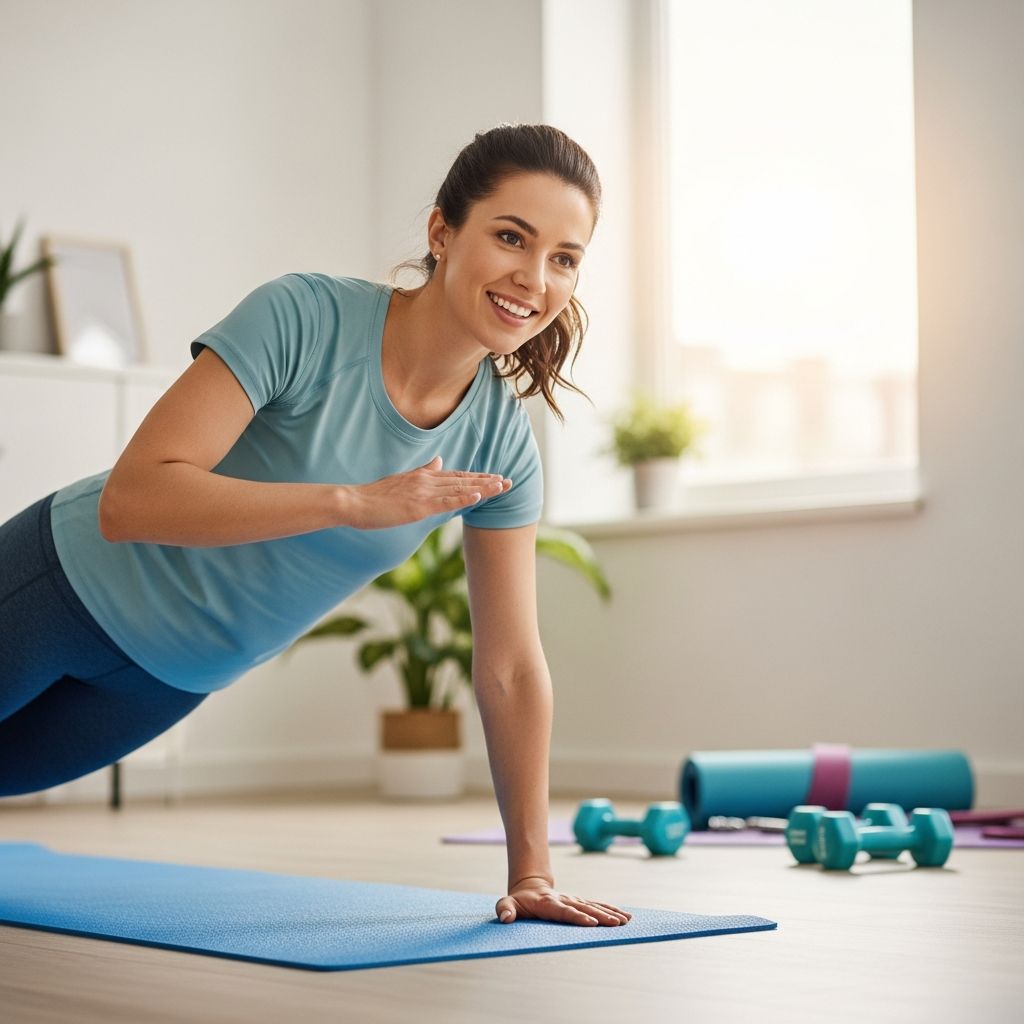
New mothers often face unique physical challenges after childbirth, making a thoughtful approach to exercise essential for recovery and long-term health. This guide outlines safe strategies to rebuild strength, emphasizing core and pelvic floor rehabilitation while avoiding common pitfalls.
Understanding Your Body’s Post-Birth Changes
Childbirth triggers profound physiological shifts, including hormonal fluctuations, weakened abdominal muscles, and potential pelvic floor strain. The core muscles, particularly the transverse abdominis, may separate—a condition known as diastasis recti—affecting up to 60% of postpartum women. Pelvic floor muscles, stretched during delivery, require targeted retraining to prevent issues like incontinence or prolapse. These changes demand a phased return to activity rather than abrupt high-intensity efforts.
Joint laxity from relaxin hormone lingers for months, increasing injury risk during dynamic movements. Fatigue from sleep deprivation and breastfeeding further complicates energy levels. Listening to bodily signals—such as pain, heaviness, or leaking—guides progression.
Medical Clearance: The Essential First Step
Consult your healthcare provider before any exercise, typically around 6 weeks postpartum for vaginal births or 8-12 weeks post-C-section. Clearance ensures no complications like excessive bleeding or organ healing issues persist. Providers assess pelvic floor function and screen for diastasis recti via physical exam.
For high-risk cases, such as preterm labor history or pelvic pain, specialized pelvic floor therapy may precede general fitness. Vaginal vs. cesarean recovery timelines differ: C-section moms prioritize scar mobility and deeper core activation first.
Building a Strong Foundation: Early Recovery Exercises
Begin with gentle, restorative movements in the first 4-6 weeks to reconnect with your core and pelvic floor. Focus on diaphragmatic breathing: Inhale deeply through the nose, expanding the belly, then exhale to draw the navel toward the spine while lifting the pelvic floor. Perform 10 breaths, 3-5 times daily.
- Pelvic Tilts: Lie on your back, knees bent. Exhale to tilt pelvis upward, flattening the low back. Hold 5 seconds, repeat 10 times.
- Heel Slides: From the same position, slide one heel away while engaging the core, then return. 8-10 reps per side.
These activate the transverse abdominis without strain, ideal post-C-section. Progress to seated or standing versions as comfort allows.
Progressing to Core and Pelvic Floor Strengthening
Once basics feel solid (around weeks 6-12), introduce stability-focused exercises. Bird dog builds balance: From all fours, extend opposite arm and leg, hold 5-10 seconds, 8-12 reps per side. Glute bridges target posterior chain and core: Lift hips while squeezing glutes, 10-15 reps, 2-3 sets.
Pelvic floor contractions, or Kegels, involve quick lifts (1-second holds, 10 reps) and longer holds (10 seconds, 5-10 reps). Avoid bearing down; visualize stopping urine flow. Integrate into daily tasks like nursing.
| Exercise | Target Area | Reps/Sets | Equipment |
|---|---|---|---|
| Glute Bridge | Core, Glutes | 10-15 reps, 2-3 sets | None or yoga block |
| Bird Dog | Stability, Core | 8-12 reps/side, 1-3 sets | Optional band |
| Dead Bug | Deep Core | 8-10 reps/side, 2 sets | None |
Use a small ball between knees during bridges for pelvic alignment.
Full-Body Strength Training Timeline
After 12 weeks, with consistent foundational work, incorporate resistance. Start bodyweight: Squats, lunges, and push-up variations against a wall. Dumbbells or bands add challenge—aim for 2-3 sessions weekly, 20-30 minutes.
A sample 4-week progression mirrors structured plans: Week 1 emphasizes core (e.g., 10-min core + low-impact cardio); Week 2 adds upper body; Week 3 targets lower body; Week 4 integrates full-body. Workouts last 20-35 minutes, 5-6 days/week, with rest as needed.
Weekly Sample Schedule
- Day 1: Core activation + glute work (20 min).
- Day 2: Upper body strength (dumbbells, 25 min).
- Day 3: Rest or walk.
- Day 4: Lower body + pelvic stability (30 min).
- Day 5: Full-body low-impact cardio (20 min).
- Day 6: Core focus + stretch.
- Day 7: Rest.
Adjust for energy; scale to 3 days if busy.
Cardio Reintroduction and Endurance Building
Moderate aerobic activity, like brisk walking, starts early—aim for 150 minutes weekly per guidelines. Progress to low-impact options: marching in place, cycling, or swimming after 12 weeks. High-impact (running, jumping) waits until core/pelvic tests pass—no doming, leaking, or pain.
Stationary cardio machines suit home routines, 10-20 minutes initially.
Nutrition and Lifestyle Support for Recovery
Fuel repair with protein-rich meals (1.6-2.2g/kg bodyweight), collagen for connective tissue, and anti-inflammatory foods. Hydrate well, especially if breastfeeding. Prioritize 7-9 hours sleep via naps; manage stress with meditation to lower cortisol.
Posture matters: Stand tall, engage core during baby lifts. Wear supportive belts if diastasis persists.
Warning Signs: When to Pause or Seek Help
- Coning or doming in abs.
- Pelvic heaviness, pain, or incontinence.
- Bleeding, dizziness, or calf pain.
- Persistent fatigue or mood changes.
Stop and consult a professional. Pelvic floor physical therapists offer personalized plans.
Equipment for Home Postpartum Workouts
Minimal gear maximizes accessibility:
- Pilates ball or yoga block for alignment.
- Resistance bands, light dumbbells.
- Mini band for glutes.
No equipment needed for most beginner routines.
Frequently Asked Questions (FAQs)
Can I exercise immediately after birth?
Light walking yes, but structured workouts await clearance at 6+ weeks. Focus on breathing and gentle activation first.
How soon can I do crunches post-diastasis?
Avoid until healed (often 6-12 months); prioritize deep core like dead bugs.
What’s the best workout for C-section recovery?
Heel slides, pelvic tilts, and scar massage initially, progressing to bridges.
How often should I train postpartum?
3-6 days/week, 20-35 min, emphasizing recovery.
Is running safe postpartum?
After passing fitness tests (no leaking/pain), gradually at 3-6 months.
Long-Term Strategies for Sustained Fitness
View postpartum fitness as lifelong: Cycle intensity with life stages, track progress via photos/measurements, and join mom communities for motivation. Consistency trumps perfection—small daily habits rebuild strength profoundly.
(Word count: 1678)
References
- Postpartum Workout Plan: 8 At-Home Exercises — Healthline. 2023. https://www.healthline.com/health/postpartum-workout-plan
- Postpartum Workout Plans — MamasteFit. 2025. https://mamastefit.com/fitness-programs/postpartum-workout-plans/
- 30-Day Postpartum Workout Plan (Free PDF) — Nourish Move Love. 2025-10-29. https://www.nourishmovelove.com/postpartum-workout-plan/
- Postpartum Workout Plan & Classes — The Sculpt Society. 2024. https://thesculptsociety.com/pages/postpartum-program
- Exercise after pregnancy: How to get started — Mayo Clinic. 2024. https://www.mayoclinic.org/healthy-lifestyle/labor-and-delivery/in-depth/exercise-after-pregnancy/art-20044596