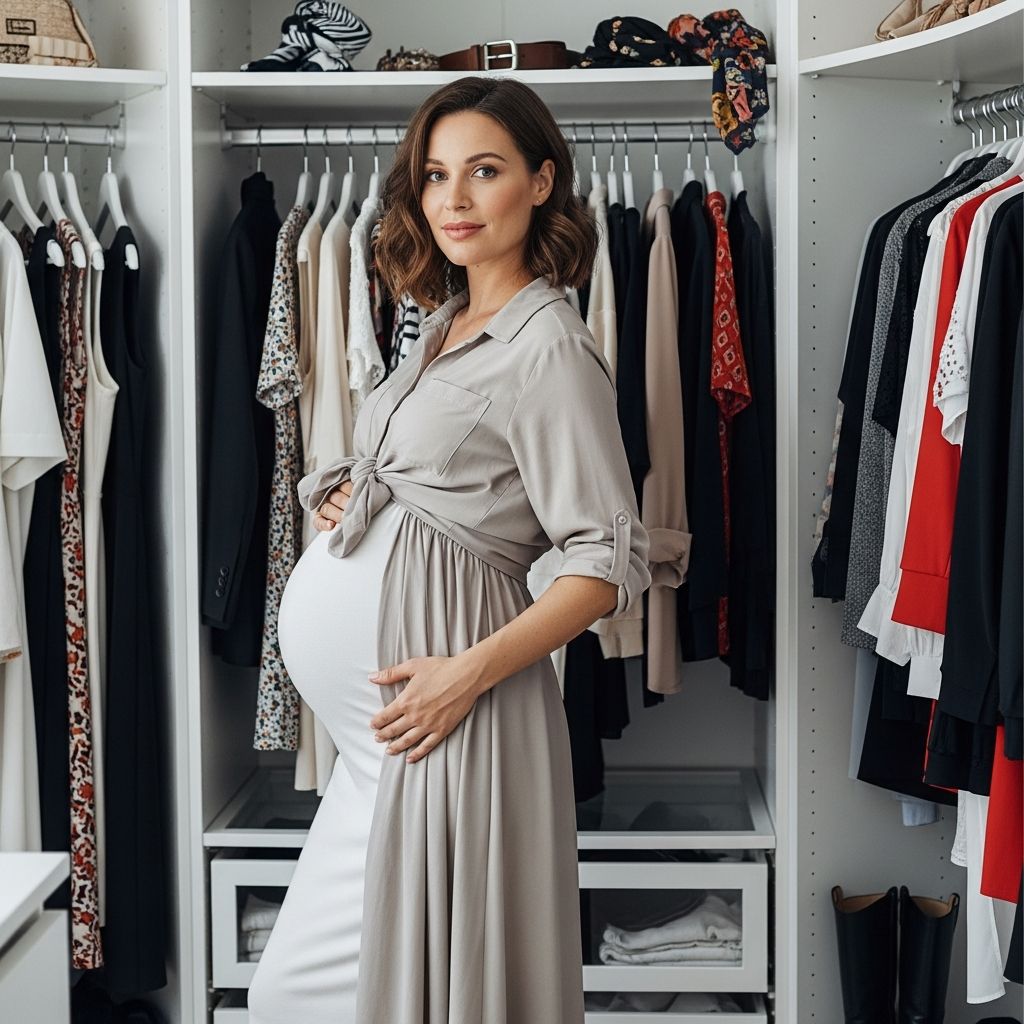
Building a pregnancy wardrobe does not have to mean buying an entirely new set of clothes for just a few months. With a bit of creativity, you can turn much of what you already own into a comfortable, flattering, bump-friendly collection and save money for baby essentials instead.
This guide walks you through practical ways to use non-maternity clothes throughout pregnancy, especially in the first and second trimesters, and often well into the third. You will find step-by-step hacks, shopping pointers, and comfort tips grounded in what we know about body changes during pregnancy.
Understanding How Your Body Changes During Pregnancy
Knowing what is happening to your body makes it easier to predict which clothes will keep working and which might need adjustments.
| Area of change | What typically happens | Clothing implications |
|---|---|---|
| Waist & belly | Uterus grows out of the pelvis around 12–14 weeks; waistline expands and rises. | Traditional waistbands feel tight early; low-rise and stretchy pieces last longer. |
| Breasts & ribcage | Breast size can increase by one or more cup sizes; ribcage circumference often expands as pregnancy progresses. | Bras may feel snug in both cup and band; adjustable bands and soft fabrics help. |
| Hips & thighs | Hormonal changes increase joint laxity and can redistribute fat to hips and thighs. | Structured, non-stretch bottoms get tight; knits and elastic waists are more forgiving. |
| Overall comfort | Many people experience heat intolerance, swelling, and skin sensitivity. | Breathable fabrics, roomier cuts, and fewer seams around sensitive areas are preferred. |
Note: Every pregnancy is different; your timeline and degree of change may vary.
Step 1: Shop Your Closet Before You Shop the Store
Before buying anything, take a careful, honest look at what you already own. Many pieces can carry you surprisingly far if you know what to look for.
What to Pull Out and Try On
- Items with stretch
Look for:- Jeans or trousers with elastane or spandex in the fabric content.
- Knit skirts and dresses rather than woven ones.
- Leggings, yoga pants, and soft joggers.
- Pieces without a defined waist
These float over your midsection instead of cutting into it:- Shift dresses
- Empire-line or A-line dresses
- Boxy or oversized tunic tops
- Long tops and short dresses
Anything that easily covers your zipper or waistband is a candidate for layering over minimally fastened pants. - Button-ups and cardigans
Even if they no longer close over your belly, they can be worn unbuttoned over longer tanks and T-shirts.
Try on outfits standing, sitting, and walking around. Anything that feels constricting after a few minutes probably will not get more comfortable as your pregnancy progresses.
Step 2: Gently Extend the Life of Your Pants and Skirts
Pants are often the first items to feel tight, but they are also the easiest to hack. Here are simple ways to get more mileage out of them.
1. The Loop Extension Trick
For jeans or trousers with a button closure:
- Thread a sturdy elastic hair tie through the buttonhole to form a loop.
- Pull both ends of the hair tie around the button.
- Adjust so the waistband sits comfortably under or around your bump.
This gives you an extra inch or two of breathing room, often enough to keep pre-pregnancy pants in rotation well into the second trimester. A long top or tunic easily hides the open fly.
2. Discreet Solutions for Hook-and-Bar Closures
For dress pants or skirts with a hook-and-bar:
- Attach a small safety pin near each side of the closure.
- Use a short piece of elastic (such as a trimmed hair tie) to bridge the gap between pins.
- Test the tension so the waistband is snug but not digging in.
This approach maintains a flatter front than leaving the waistband gaping open, making it helpful for office wear under blouses and blazers.
3. Choosing the Best Pants to Hack
Not all pants are equally comfortable or safe to extend during pregnancy. Prioritize:
- Low-rise styles that sit below the growing part of your belly.
- Soft, stretchy fabrics over rigid denim or thick suiting.
- Wide waistbands that distribute pressure more evenly.
If you ever feel pain, numbness, or significant pressure around your abdomen when wearing extended pants, switch to looser or specially designed maternity options. Consistently tight clothing can be uncomfortable and may worsen issues like heartburn or restricted movement, though there is no clear evidence of direct harm to the pregnancy itself.
Step 3: Make Bras Last Longer While Prioritizing Support
Your chest is likely to change multiple times between early pregnancy, late pregnancy, and breastfeeding. Constantly replacing bras can be expensive; extend what you own where it still feels supportive.
When to Adjust vs. When to Replace
- Adjust or extend if:
- The cups still contain breast tissue comfortably.
- Only the band feels tight around your ribcage.
- There are no underwire marks, chafing, or pain.
- Replace or size up if:
- Your breasts spill out of the cups.
- Straps cut into your shoulders despite adjustment.
- You feel significant discomfort or skin irritation.
Simple Ways to Extend a Bra Band
Rather than discarding a bra the moment the band feels snug, you can:
- Use a commercial bra extender that hooks into the existing eyes and provides one to three extra rows of hooks.
- Repurpose the hook-and-eye section from an old, worn-out bra by sewing it onto the band of a bra you still like, creating a custom extender.
Health organizations emphasize the importance of supportive, well-fitting bras during pregnancy to reduce back and shoulder strain and minimize discomfort as breast size increases. If an extender creates a loose, unsupportive fit, it is time for a properly sized bra or a soft, supportive nursing bra you can also use after birth.
Step 4: Strategic Snipping, Rolling, and Layering
A few low-risk alterations can make existing items more comfortable without turning your closet into a craft project gone wrong.
Low-Commitment Alterations
- Roll waistbands
Roll the waistband of leggings, yoga pants, or skirts down so they sit under your bump instead of across it. This can instantly relieve pressure. - Ease tight waistbands on tights
Snipping the inner elastic of snug tights or hose can reduce pinching; keep cuts small and spaced so they do not unravel completely. - Repurpose too-tight tops
Wear smaller T-shirts or tanks under cardigans, blazers, or open button-ups so you do not need them to close over your bump.
Layering to Stay Comfortable and Polished
Layering is the key to turning a small number of basics into many different outfits:
- Pair long men’s undershirts or basic tanks with:
- Unbuttoned shirts
- Open cardigans
- Cropped jackets or blazers
- Use short dresses as tunics over leggings when they become too short to wear alone.
- Rely on cardigans, denim jackets, and blazers to make casual base layers look office-appropriate.
Layered outfits are not just about style; they also make it easier to adjust to pregnancy-related temperature changes, such as feeling hot more quickly than usual.
Step 5: Smart, Minimal Purchases that Work Beyond Pregnancy
Most people find they still need to buy a few things, but you can be selective. Focus on items that adjust with your body and remain useful postpartum.
Prioritize Versatile Basics
When you do buy something, look for pieces that can flex with change:
- Stretchy knit dresses (midi or maxi length)
Pick styles with ruching, wrap fronts, or A-line cuts that accommodate a belly but still look good later. - Elastic-waist bottoms
Joggers, soft trousers, or skirts with wide elastic waists or drawstrings can fit during pregnancy and make comfortable postpartum wear. - Long camisoles and tanks
Choose options labeled “long” or “extra-long” to extend the wear of shorter tops. - Supportive nursing bras or bralettes
Buying early in the third trimester can carry you through late pregnancy and breastfeeding, if you choose to nurse.
Think in Terms of a Mini Capsule Wardrobe
Instead of buying many individual maternity items, aim for a small set of mix-and-match basics:
- 2–3 neutral, stretchy dresses that can be dressed up or down.
- 2–3 pairs of pregnancy-friendly bottoms (leggings, joggers, or adjustable-waist pants).
- 3–5 layering pieces (cardigans, open jackets, blazers).
- Several long tanks and T-shirts to wear under or over everything.
This approach aligns with minimalist wardrobe advice for pregnancy: buy sparingly, repeat outfits proudly, and rely on accessories or layers for variety.
Comfort, Safety, and Body Image Considerations
Feeling like yourself in your clothes can matter as much as saving money. A few final principles help you balance practicality and well-being.
Listen to Your Body
- Do not ignore discomfort just to avoid buying something. Persistent tightness, chafing, or restricted movement is a sign to adjust your outfit.
- Watch swelling in your legs, feet, and hands; opt for looser socks and avoid very tight waistbands that may worsen the feeling of heaviness.
- Prioritize breathable fabrics like cotton and modal, which can reduce overheating and skin irritation.
Support Your Back and Breasts
As your center of gravity shifts, supportive clothing can ease strain on your back and chest:
- Choose well-fitting, supportive bras to help reduce upper back and shoulder discomfort.
- Consider soft belly bands if you need extra support for your abdomen or lower back when standing or walking for long periods.
Always follow your healthcare provider’s guidance if you have medical conditions that might be affected by clothing choices, such as circulatory issues or musculoskeletal pain.
Frequently Asked Questions (FAQs)
How long can I realistically wear my regular clothes during pregnancy?
Many people can wear at least some regular clothes into the second trimester, especially stretchy, loose, or low-rise items. By the third trimester you may rely more on pregnancy-friendly pieces or hacks like waistband extenders, but the exact timeline varies widely.
Is it safe to use DIY pants or bra extenders?
Extenders are generally fine as long as your clothing is not painfully tight, does not leave deep marks in your skin, and does not limit your movement or breathing. If you feel discomfort or notice skin irritation, switch to properly sized maternity or adjustable garments.
Which non-maternity items are most worth buying if I am on a budget?
Long, stretchy tanks; one or two pairs of soft leggings or joggers; and a couple of knit dresses often give the biggest return. They can adapt to your bump, work postpartum, and combine with layers you already own.
Do I really need maternity bras, or can I just size up?
You may be able to size up in regular bras for part of pregnancy, especially with band extenders. However, many people find that late pregnancy and breastfeeding are more comfortable with bras designed for those stages, which offer better support and easy nursing access.
How can I look professional at work without buying a full maternity wardrobe?
Focus on dark leggings or stretchy trousers, long blouses or knit dresses, and structured layers like blazers or cardigans. A small rotation of polished basics, repeated often, is completely acceptable and can look put-together when fabrics are neat and colors coordinate.
References
- Your pregnancy and baby guide: Weeks, symptoms, and body changes — NHS (UK National Health Service). 2023-05-10. https://www.nhs.uk/pregnancy/
- Breast changes and lactation during pregnancy — American College of Obstetricians and Gynecologists (ACOG). 2022-06-01. https://www.acog.org/womens-health/faqs/breastfeeding-your-baby
- Physiological changes in pregnancy — Soma-Pillay P. et al., Cardiovascular Journal of Africa. 2016-03-31. https://doi.org/10.5830/CVJA-2016-021
- Common discomforts of pregnancy — Mayo Clinic. 2023-02-08. https://www.mayoclinic.org/healthy-lifestyle/pregnancy-week-by-week/in-depth/pregnancy/art-20046098
- Maternity clothes and choosing comfortable clothing — March of Dimes. 2022-09-15. https://www.marchofdimes.org/find-support/topics/pregnancy/what-wear-during-pregnancy
- Physical activity and body support in pregnancy — American College of Obstetricians and Gynecologists (ACOG). 2020-04-24. https://www.acog.org/womens-health/faqs/exercise-during-pregnancy