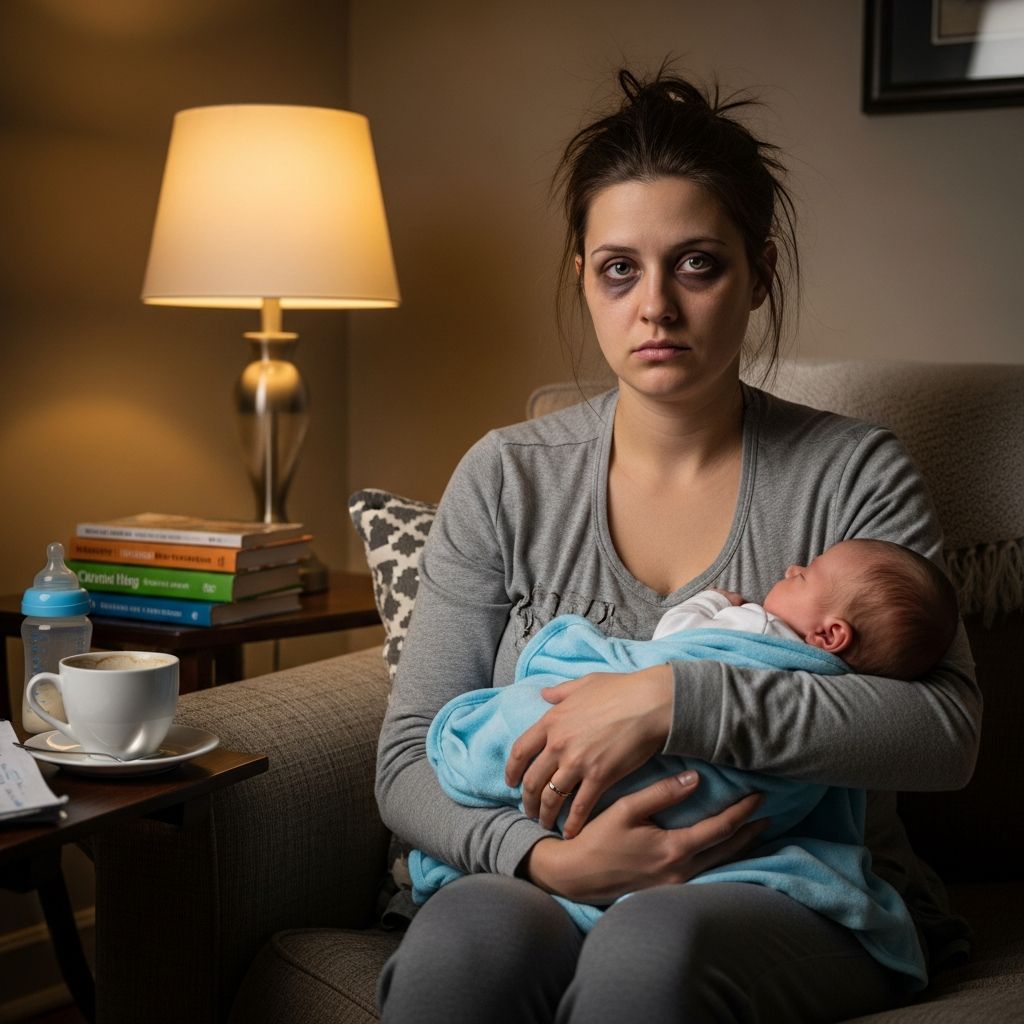
The Reality of Nighttime Disruption in Early Parenthood
The transition to motherhood brings an extraordinary transformation that few new parents can fully anticipate. While the arrival of a newborn is celebrated as a joyous occasion, the physical toll it exerts—particularly regarding sleep—remains one of the most underestimated challenges of the postpartum period. The early weeks following childbirth create what medical professionals describe as a “perfect storm” for sleep disruption, where biological, hormonal, and environmental factors converge to create unprecedented levels of nighttime fragmentation.
New mothers face a dramatic collapse in their sleep architecture during the critical first week after delivery. Research demonstrates that the average new mother experiences only 4.4 hours of sleep daily in the immediate postpartum period, compared to a pre-pregnancy average of 7.8 hours. Even more striking, nearly one-third of first-time mothers go more than 24 hours without any sleep during their first week with a newborn. This represents not merely a reduction in sleep quantity but a fundamental restructuring of sleep patterns that extends far beyond the initial postpartum week.
Why the First Months Create Unique Sleep Challenges
The biology of newborn development and maternal physiology work in opposition during the postpartum period. Newborns enter the world without an established circadian rhythm—the internal biological clock that regulates sleep-wake cycles in older children and adults. Instead, infant sleep follows a pattern of feeding every two to four hours around the clock, regardless of whether it is daytime or nighttime. This means mothers must align their rest periods with unpredictable infant needs rather than following their natural sleep cycles.
Simultaneously, significant hormonal fluctuations occur in the maternal body. The dramatic decline in reproductive hormones that influence the body’s sleep-wake system disrupts the mother’s own circadian rhythm. Additionally, the postpartum brain undergoes a functional shift, becoming hypervigilant and primed to detect infant signals—sounds, movements, or cries—throughout the night. This heightened alertness, while protective for the infant, prevents mothers from achieving the deep, restorative sleep stages necessary for physical recovery and emotional regulation.
Beyond biological factors, the psychological weight of new responsibility amplifies sleep difficulties. The stress and life changes associated with welcoming a newborn—even under positive circumstances—serve as powerful triggers for insomnia. Many mothers report experiencing racing thoughts during nighttime hours, reflecting anxiety about infant welfare, adjustment to parenthood, and the overwhelming nature of 24-hour caregiving responsibilities.
The Persistent Problem of Sleep Fragmentation
While many new mothers experience some recovery in total sleep duration as weeks progress, an equally important metric reveals the ongoing struggle: uninterrupted sleep duration. This distinction proves crucial to understanding why many mothers report continued exhaustion despite getting adequate total hours of sleep.
The longest continuous sleep stretch for new mothers drops from a pre-pregnancy average of 5.6 hours to just 2.2 hours during the first postpartum week. By weeks 2 through 7, this increases modestly to 3.2 hours, and by weeks 8 through 13, it reaches 4.1 hours—still substantially lower than pre-pregnancy baselines. This fragmentation remains the defining characteristic of postpartum sleep, even as total nightly duration gradually approaches pre-pregnancy levels after the first month.
The significance of this finding cannot be overstated. A mother receiving 7 or more hours of sleep split into four separate segments experiences a fundamentally different physiological recovery than someone sleeping uninterrupted for the same duration. The repeated cycling between sleep and wakefulness prevents the brain from accessing the deeper, restorative sleep stages essential for physical restoration, emotional processing, and cognitive function. This explains why many mothers feel profoundly exhausted despite eventually reaching recommended sleep quantities—the quality and continuity of their sleep remains severely compromised.
Sleep Deprivation and Emotional Dysregulation
The emotional consequences of extreme sleep loss manifest quickly and intensely during the postpartum period. Sleep deprivation directly impairs the brain’s capacity to regulate emotions, a function already challenged by postpartum hormonal fluctuations. When these two forces intersect—depleted sleep combined with hormonal upheaval—mothers often experience emotional reactions that feel disproportionate to triggering events.
Common reports from new mothers describe a pattern of emotional fragility, where minor frustrations trigger disproportionate responses of anger, sadness, or despair. Everyday challenges—a baby’s persistent crying, difficulty with feeding, or unexpected schedule disruptions—can feel catastrophic rather than manageable. This emotional vulnerability does not reflect weakness or inadequate coping skills; rather, it represents the predictable neurobiological consequence of severe sleep deprivation.
The relationship strain that frequently emerges during the postpartum period often stems directly from this emotional dysregulation. Partners may misinterpret a sleep-deprived mother’s irritability or tearfulness as relationship dissatisfaction or postpartum depression, when in reality, the primary driver is the brain’s inability to process emotions normally under extreme sleep deficit. Furthermore, the cumulative emotional exhaustion can generate feelings of guilt or inadequacy, as mothers become distressed by their inability to respond to their babies and partners with the patience and tenderness they desire.
Connection Between Sleep Loss and Mental Health Disorders
The link between postpartum sleep deprivation and maternal mental health conditions represents one of the most significant medical concerns of the postpartum period. Research consistently demonstrates that poor sleep quality and insufficient sleep significantly predict the development of postpartum depression. Sleep deprivation functions as both a symptom of and a risk factor for postpartum mood disorders, creating a bidirectional relationship where inadequate sleep increases vulnerability to depression, which in turn further disrupts sleep.
Postpartum depression affects approximately 8 to 13 percent of new mothers and can range in severity from mild to severe. The condition can begin during pregnancy, emerge within days or weeks after delivery, or develop within the first year postpartum. Many women experiencing postpartum depression report difficulty sleeping or excessive fatigue as primary symptoms, demonstrating the interconnected nature of sleep disturbance and mood disorders.
Beyond depression, sleep deprivation elevates the risk for postpartum anxiety, another common postpartum mental health condition. Birth parents have approximately a one in five chance of developing postpartum depression or anxiety, while non-birth parents have approximately a one in ten chance. The sleep-mood connection proves so robust that sleep disturbance is now recognized as a significant intervention target for preventing or ameliorating postpartum mental health conditions.
The mechanism underlying this relationship involves multiple neurobiological pathways. Sleep loss impairs the prefrontal cortex—the brain region responsible for emotional regulation, executive function, and rational decision-making. Simultaneously, sleep deprivation heightens activity in the amygdala, the brain’s emotional processing center, amplifying emotional reactivity while reducing the ability to contextualize or manage emotional responses.
The Hidden Physical Toll: Accelerated Biological Aging
Beyond mental health impacts, emerging research reveals that postpartum sleep deprivation exerts measurable effects on cellular aging and physiological function. A groundbreaking study from UCLA researchers found that insufficient sleep during the first six months after childbirth can add three to seven years to a woman’s biological age. This acceleration in biological aging reflects the profound physiological stress that extreme sleep deprivation creates at the cellular level.
During sleep, the body undergoes essential maintenance processes: cellular repair, immune system strengthening, hormone regulation, and metabolic balance restoration. When these restorative functions are severely compromised by fragmented sleep over extended periods, the cumulative physiological toll becomes measurable in terms of biological aging markers. This finding underscores why dismissing postpartum sleep deprivation as “just part of motherhood” represents a significant oversight in maternal health support.
Counterproductive Coping Patterns That Perpetuate Sleep Problems
Ironically, the strategies many new mothers employ to cope with sleep loss often intensify and prolong sleep difficulties. In attempting to address their exhaustion, mothers frequently develop sleep habits that paradoxically worsen their insomnia. Understanding these patterns proves essential to breaking cycles of sleep deprivation.
One common pattern involves spending extended periods in bed while frustrated or anxious, “trying” to sleep. This behavior creates negative associations between the bed environment and wakefulness, conditioning the brain to become alert rather than restful in bed. Another pattern emerges from timing sleep according to infant schedules rather than maintaining consistent sleep timing. While attempting to maximize available sleep opportunities by napping when the baby naps, mothers may inadvertently disrupt their own circadian rhythm by sleeping at irregular times throughout the day and night.
Additionally, many mothers use quiet nighttime hours—the only uninterrupted personal time available—for mental processing, worry, or rumination about parenthood concerns. While this time may feel psychologically necessary for processing emotions and planning, it actively prevents the mental quietness required for sleep onset and maintenance. These well-intentioned coping strategies, though understandable given extreme circumstances, ultimately extend the duration and severity of sleep deprivation.
Supporting Recovery: Practical Strategies for Sleep Restoration
Understanding the profound challenges of postpartum sleep deprivation creates urgency for implementing effective recovery strategies. Several evidence-based approaches can help new mothers gradually restore healthier sleep patterns and reduce the risks associated with severe sleep loss.
- Prioritize uninterrupted sleep opportunities: Rather than simply encouraging mothers to “nap when the baby naps,” research demonstrates that protecting opportunities for longer, continuous sleep periods produces greater benefit. When possible, mothers should arrange for another caregiver to manage all infant needs during at least one extended sleep period daily, allowing for sleep cycles that include deeper, restorative stages.
- Maintain consistent sleep timing: Despite infant demands, establishing as much consistency as possible in sleep timing helps preserve circadian rhythm function. Even modest consistency—sleeping primarily during nighttime hours with structured daytime naps—supports better sleep quality than completely fragmented, unpredictable sleep patterns.
- Request and accept support: Trusted family members or friends can provide crucial assistance by holding the infant during daytime hours, enabling mothers to nap without interruption. This support proves most effective when it occurs consistently rather than sporadically, allowing mothers to establish predictable sleep opportunities.
- Minimize cognitive activity in bed: Reserve bed for sleep and intimate connection rather than worry, planning, or problem-solving. When racing thoughts occur, moving to another room briefly to address them before returning to bed can prevent prolonged wakefulness.
- Create optimal sleep environment: Darkness, cool temperature, minimal noise, and comfort become even more critical when sleep opportunities are severely limited. Investing in these environmental factors maximizes the restorative potential of available sleep time.
The Societal Context: Why Support Remains Inadequate
Understanding postpartum sleep deprivation requires acknowledging broader societal structures that leave new mothers vulnerable to extreme sleep loss. Many women describe the postpartum period using the phrase “newborn trenches” rather than “newborn bliss,” reflecting the survival-mode experience rather than joyful celebration.
The inadequacy of postpartum support stems from multiple factors. Paid parental leave remains minimal or nonexistent in many regions, forcing mothers to return to work precisely when infant sleep needs remain highest and fragmented. The cultural expectation that mothers should “parent like they have no job and work like they have no kids” creates impossible standards, offering little flexibility for the sleep recovery necessary after childbirth. Limited access to childcare, minimal support from extended family networks, and financial pressures to return to employment quickly all compound the sleep deprivation crisis.
When mothers attempt to request help, cultural narratives suggesting that sleep deprivation is simply “part of motherhood” discourage them from asking for the support they desperately need. This combination of systemic factors and cultural messaging leaves many new mothers feeling isolated in their exhaustion, believing their struggle reflects personal inadequacy rather than recognition that their circumstances demand urgent additional support.
When Sleep Disruption Becomes Clinical Insomnia
It is important to distinguish between normal postpartum sleep fragmentation and clinical insomnia that may require professional intervention. Most new parents experience significant sleep deprivation during the early postpartum weeks; this represents a predictable consequence of infant care rather than a disorder requiring treatment.
Typically, new parents fall asleep or return to sleep quickly when the opportunity arises, reflecting their profound sleep debt rather than true insomnia. However, for some mothers, the sleep disruption of early parenthood develops into persistent insomnia that extends beyond the immediate newborn period. When sleep difficulties persist despite adequate opportunity for sleep, when anxiety about sleep prevents rest initiation, or when mood symptoms emerge alongside sleep problems, professional evaluation becomes important.
Seeking support from healthcare providers experienced in postpartum mental health—including obstetricians, psychiatrists, or maternal health specialists—can help distinguish normal sleep adjustment from clinical sleep disorders or postpartum mood conditions requiring treatment.
Frequently Asked Questions About Postpartum Sleep
Q: Is it normal for new mothers to feel unrested even after getting sufficient hours of sleep?
A: Yes, this is extremely common and reflects the impact of sleep fragmentation rather than total sleep duration. Uninterrupted sleep provides physiological recovery that fragmented sleep cannot replicate, even when total hours approach recommended amounts.
Q: How long does postpartum sleep disruption typically last?
A: Sleep continuity remains significantly affected through at least the first 13 weeks postpartum, though some improvement occurs gradually. Individual variation exists, and factors like infant sleep development and maternal support availability influence recovery timelines.
Q: Can postpartum sleep deprivation cause permanent damage?
A: While severe sleep deprivation creates measurable physiological stress including accelerated biological aging, these effects can be reversed through sleep recovery. Prioritizing sleep restoration during the postpartum period and beyond helps mitigate long-term consequences.
Q: What is the difference between normal postpartum exhaustion and postpartum depression?
A: While sleep deprivation contributes to both, postpartum depression includes persistent mood symptoms, emotional emptiness, inability to enjoy activities, or thoughts of harming oneself or the infant. If you experience these symptoms alongside sleep problems, professional evaluation is important.
Q: How can partners support maternal sleep recovery?
A: Partners can enable longer sleep stretches by taking responsibility for all infant care during specific nighttime or daytime periods, allowing uninterrupted sleep for the mother. Recognizing that sleep prioritization benefits the entire family unit helps frame this support appropriately.
References
- Insomnia and Postpartum Depression: Sleep Tips for New Moms — University of Michigan Health Lab. 2024. https://www.michiganmedicine.org/health-lab/insomnia-and-postpartum-depression-when-new-moms-sleep-loss-turns-perilous
- Study quantifies the sleep loss and disruption experienced by new mothers — American Academy of Sleep Medicine. 2025. https://www.sleepmeeting.org/study-quantifies-sleep-loss-disruption-experienced-new-mothers/
- The Truth About Sleep Deprivation in Motherhood: What It Really Does to New Moms — Postpartum Care USA. 2025. https://ppcareusa.com/2025/07/07/sleep-deprivation-body-mind/
- A Sleep Survival Guide For Exhausted New Parents — Henry Ford Health. 2024. https://www.henryford.com/Blog/2024/04/Sleep-Survival-Guide-For-Exhausted-New-Parents
- Sleep loss in new moms linked to accelerated aging — University of California. 2021. https://www.universityofcalifornia.edu/news/sleep-loss-new-moms-linked-accelerated-aging
- Understanding Sleep Deprivation and New Parenthood — National Sleep Foundation. 2024. https://www.sleepfoundation.org/sleep-deprivation/parents