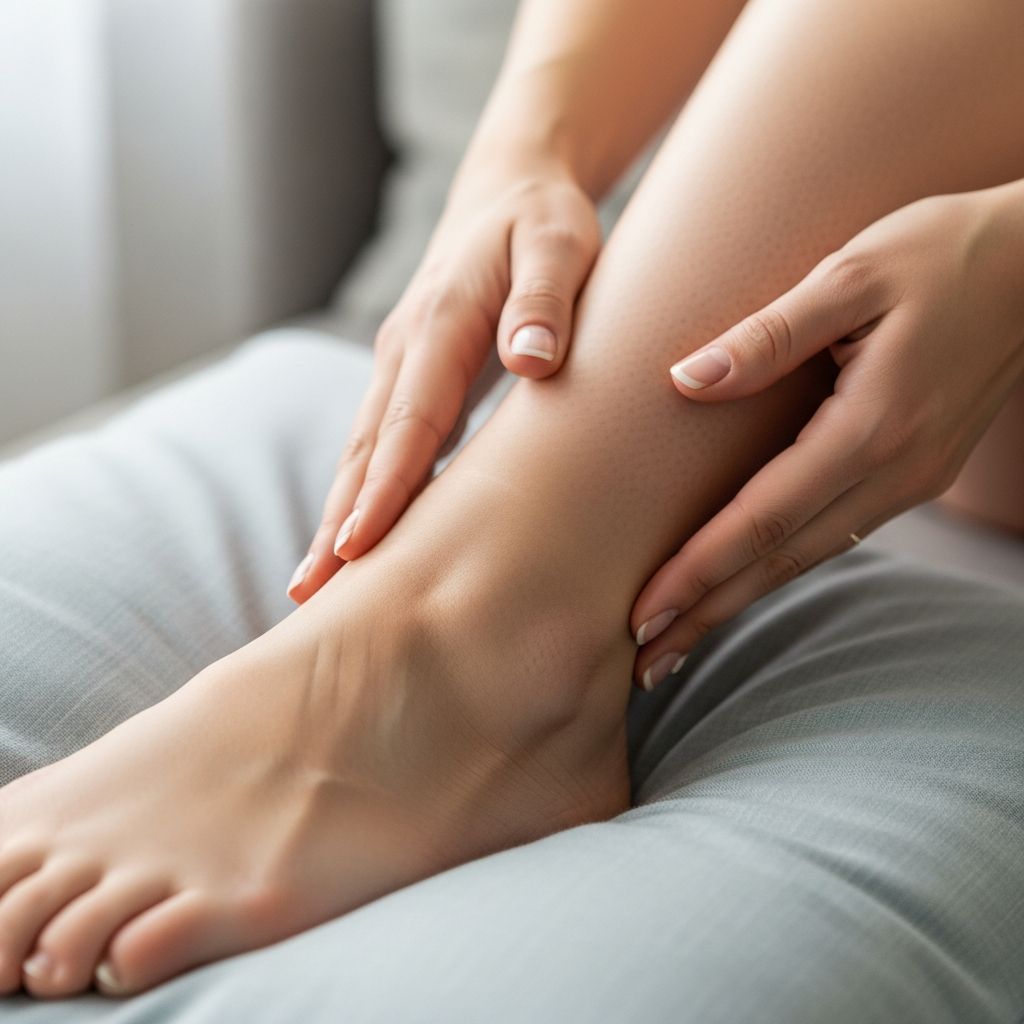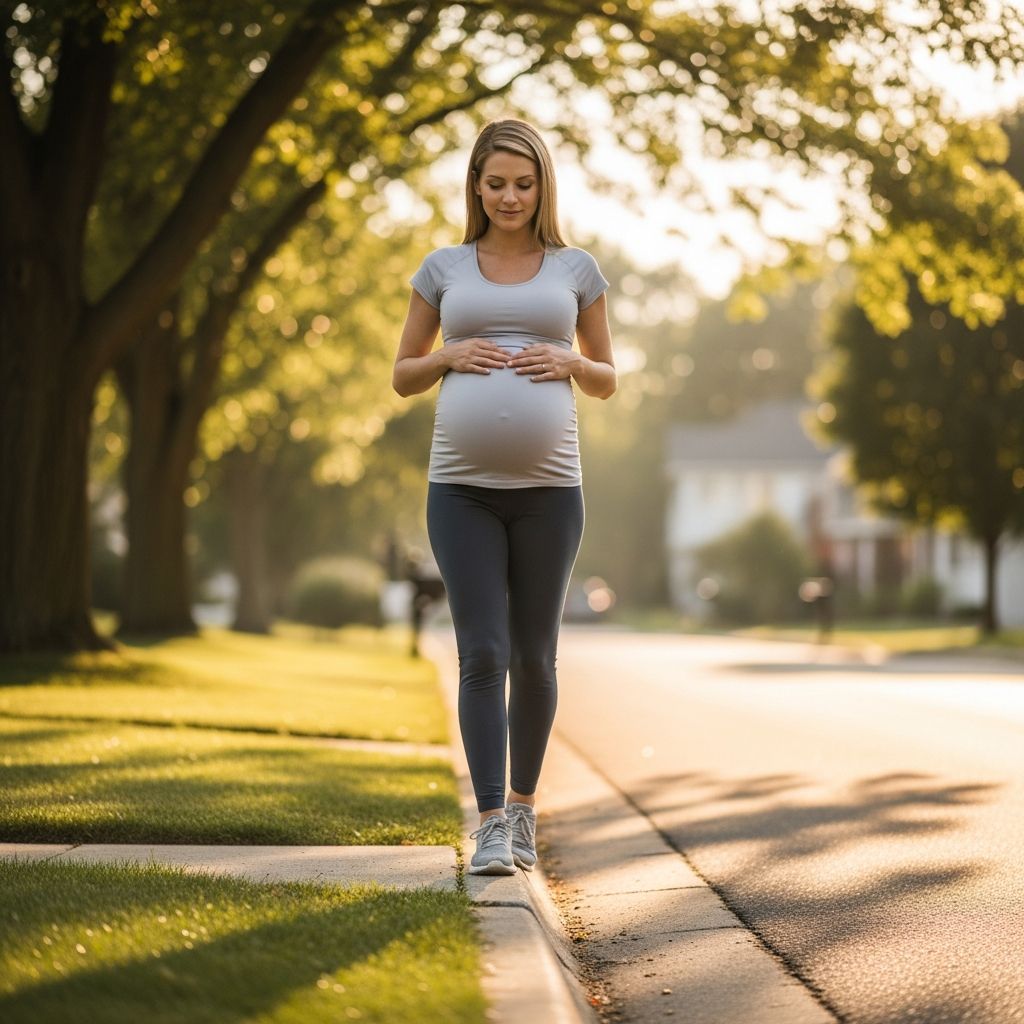
Your body undergoes profound transformations during pregnancy and childbirth, and the postpartum period marks the beginning of an equally remarkable healing process. This guide explores the stages of recovery, common physical and emotional changes, and actionable strategies to support your well-being as a new parent. Understanding these shifts empowers you to prioritize rest, seek support, and embrace this transitional phase with confidence.
Understanding the Initial Healing Phase: First 24 Hours to 2 Weeks
Immediately after delivery, your body enters the acute recovery stage, focusing on stabilizing after the intense physical demands of labor. Whether you had a vaginal birth or cesarean section, expect significant bleeding known as lochia, which resembles a heavy period and can last several weeks. Lochia transitions from bright red to pinkish-brown and then yellowish-white as healing progresses. Swelling in the extremities and abdomen is common due to fluid shifts, and the uterus begins contracting back to its pre-pregnancy size—a process called involution that can cause cramping sensations.
For vaginal deliveries, perineal soreness or pain from tears or episiotomies is typical, often peaking in the first few days. Ice packs, sitz baths, and stool softeners help manage discomfort and prevent constipation. Cesarean parents face incision care, monitoring for infection signs like redness or fever, with internal healing taking longer—up to a year in some cases. Hormonally, estrogen and progesterone levels plummet dramatically post-placenta delivery, surging prolactin and oxytocin for breastfeeding, which can trigger the ‘baby blues’—mood swings affecting up to 80% of new parents and resolving within two weeks.
- Prioritize rest: Sleep when baby sleeps to combat fatigue.
- Hydrate and nourish: Aim for 8-10 glasses of water daily and nutrient-dense foods to support tissue repair.
- Seek help: Accept assistance with meals and chores to focus on bonding and recovery.
Building Strength: Weeks 3 to 6 Postpartum
Entering the subacute phase around day 2 to week 6, many parents notice improved energy as bleeding lightens and wounds begin closing. Uterus involution nears completion by week 6, though afterpains—uterine contractions—may persist during breastfeeding. Vaginal stitches dissolve, but sensitivity lingers; C-section scars start fading but require gentle care to avoid strain.
Pelvic floor recovery is crucial here, as muscles stretched up to 250% during birth need time to regain tone, potentially taking 4-6 months. Urinary incontinence affects many due to weakened muscles; Kegel exercises, introduced gradually after clearance, strengthen this area. Breastfeeding parents may experience engorgement peaks around week 3-4 as milk supply stabilizes. Hair thinning often begins around week 12 but can start earlier with hormonal fluctuations.
| Common Symptoms | Vaginal Birth | C-Section |
|---|---|---|
| Bleeding Duration | Up to 6 weeks | Similar, lighter |
| Incision/Pain Management | Perineal care, ice | Wound dressing, no lifting |
| Activity Level | Light walks by week 2 | Rest until week 4-6 |
Consult your provider at the 6-week checkup for clearance on exercise and intimacy. Many feel ‘more like themselves’ by week 4-5, with bowel movements normalizing and routines emerging.
Mid-Stage Adjustments: Months 2 to 6
From 6 weeks to 6 months, the delayed recovery phase allows tissues and muscles to gradually restore. Pelvic floor function improves, though issues like prolapse or painful intercourse may arise if unaddressed—pelvic therapy is recommended. By month 3, hormones stabilize closer to baseline for non-breastfeeders, with periods potentially returning by 6-12 weeks; breastfeeding delays this via elevated prolactin.
Energy rebounds, but sleep deprivation persists with night feedings. Breast size fluctuates with supply, and feet may permanently enlarge by half a size in 50% of cases due to ligament laxity. Hair shedding peaks around month 3-6 as estrogen normalizes. Weight loss varies: those gaining recommended amounts retain 2-5 lbs on average; core strength, especially post-C-section, benefits from targeted exercises after 12 weeks.
- Nutrition focus: Increase calories by 300-500 if breastfeeding for milk production.
- Movement: Start low-impact like walking, yoga; delay high-intensity until cleared.
- Mental health check: Monitor for persistent blues signaling postpartum depression risk (up to 20%).
Long-Term Restoration: Months 6 to 12 and Beyond
By 6-12 months, the uterus fully returns to pre-pregnancy size around month 9, ovulation regularizes, and periods resume if weaning. Libido may lag due to breastfeeding hormones reducing lubrication and desire. Abdominal separation (diastasis recti) affects many, requiring specific core rehab to prevent back pain. Nerve sensation around C-section scars may take over a year or not fully return.
Full pelvic floor recovery optimizes by 4-6 months with consistent exercises. Weight stabilization occurs, emphasizing health over pre-pregnancy numbers. Ovulation resumes variably, so contraception discussions are key if avoiding pregnancy.
Emotional balance improves as cortisol lowers and estrogen rises. By baby’s first birthday, many feel physically resilient, though ongoing self-care sustains vitality.
Navigating Emotional and Hormonal Waves
Hormonal rollercoasters define postpartum: initial crash yields prolactin surge for bonding and milk, then gradual rebalance. Month-by-month:
| Timeframe | Hormonal Shift | Emotional Impact |
|---|---|---|
| Days 1-7 | Estrogen/progesterone drop; prolactin up | Blues, tearfulness |
| Weeks 1-6 | Low estrogen, high cortisol | Fatigue, anxiety |
| Months 1-3 | Estrogen rising | Stabilization |
| Months 3-6 | Baseline approach | Improved mood |
Baby blues resolve naturally; persistent symptoms warrant professional help.
Self-Care Strategies for Optimal Recovery
Holistic care accelerates healing:
- Physical: Pelvic floor therapy, gentle strength training post-clearance.
- Nutrition: Protein-rich diet, omega-3s for inflammation.
- Sleep: Nap strategically, co-sleep safely if desired.
- Support: Partner involvement, postpartum doulas.
- Mental: Journaling, therapy for adjustment.
Avoid comparison; recovery timelines vary by birth type, health, support.
Frequently Asked Questions (FAQs)
When does postpartum bleeding stop?
Bleeding typically tapers by 2-6 weeks, transitioning colors as healing advances.
Is it normal for hair to fall out after birth?
Yes, shedding peaks at 3-6 months due to hormonal normalization.
How long until I can exercise postpartum?
Light activity by 2-4 weeks; high-intensity after 12 weeks or clearance.
What if my periods don’t return while breastfeeding?
Exclusive breastfeeding can delay menses up to 12 months via prolactin.
How do I manage postpartum incontinence?
Kegels and pelvic therapy; full recovery by 4-6 months.
Warning Signs Requiring Immediate Care
Monitor for fever over 100.4°F, heavy bleeding soaking a pad hourly, severe pain, foul discharge, leg swelling, or worsening mood—contact your provider promptly.
References
- Birth Recovery & Postpartum Timeline — Bodily. 2023. https://itsbodily.com/pages/postpartum-recovery-time-timeline
- Your Postpartum Recovery Timeline: A Week-by-Week Guide — Happiest Baby. 2023. https://www.happiestbaby.com/blogs/parents/postpartum-recovery-timeline
- Your Postpartum Timeline: What to Expect in the First 6 Weeks — AHMA & Co. 2023. https://www.ahmaandco.com/post/your-postpartum-timeline-what-to-expect-in-the-first-6-weeks
- Postpartum Hormone Timeline: What to Expect Month by Month — Matrescence Therapy. 2023. https://matrescence-therapy.com/postpartum-hormone-timeline-what-to-expect-month-by-month/
- Timeline of Postpartum Recovery — Healthline. 2023-10-15. https://www.healthline.com/health/postpartum-recovery-timeline
- Maximizing Recovery in the Postpartum Period: A Timeline for Exercise — NIH/PMC. 2022-10-11. https://pmc.ncbi.nlm.nih.gov/articles/PMC9528725/
- Healing After Childbirth — Franciscan Health. 2023. https://www.franciscanhealth.org/community/blog/healing-after-childbirth
- Postpartum: Stages, Symptoms & Recovery Time — Cleveland Clinic. 2023-08-28. https://my.clevelandclinic.org/health/articles/postpartum
- Your Body After Baby: The First 6 Weeks — March of Dimes. 2023. https://www.marchofdimes.org/find-support/topics/postpartum/your-body-after-baby-first-6-weeks