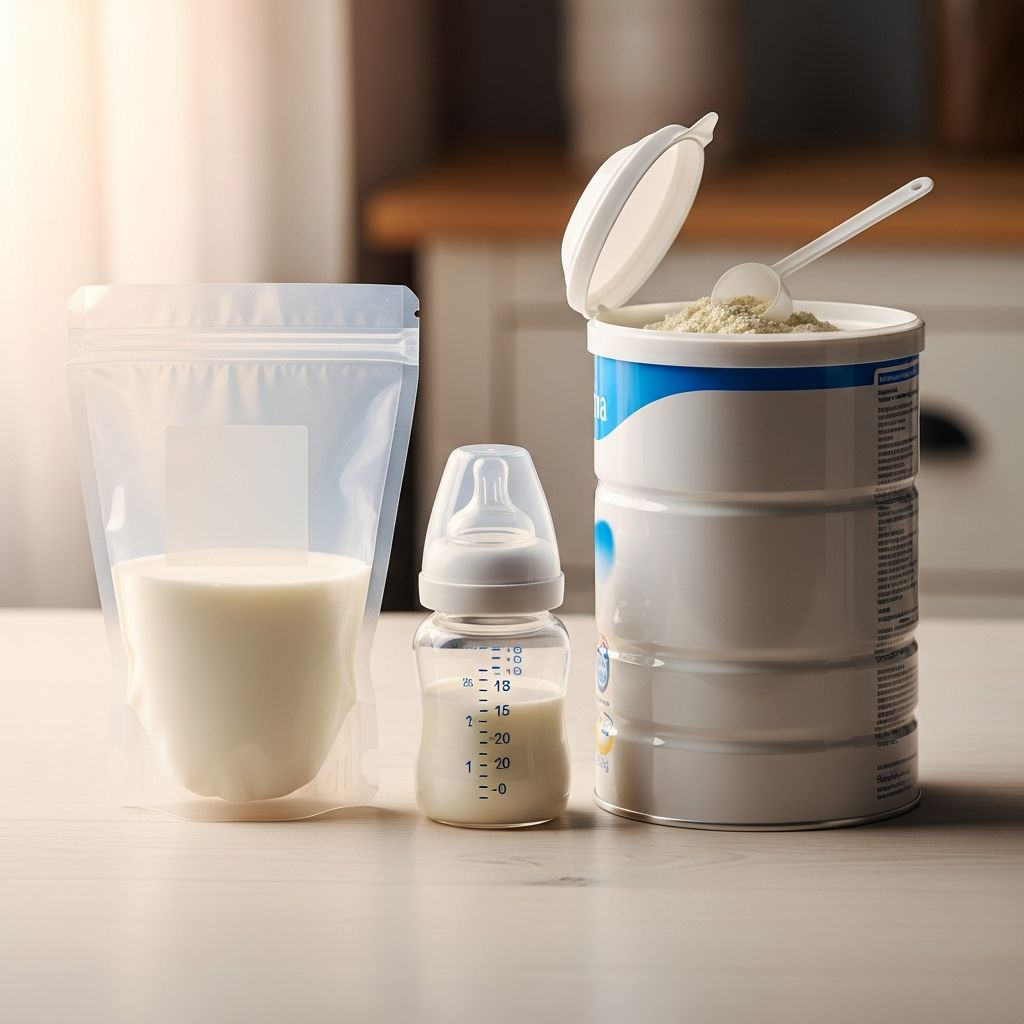
Many parents face the challenge of deciding how to nourish their newborn when exclusive breastfeeding isn’t feasible. Combining breast milk with infant formula, known as combination or mixed feeding, offers a flexible solution that balances nutritional needs with practical realities. This approach allows babies to receive the unique benefits of breast milk alongside the convenience and reliability of formula.
Understanding Infant Feeding Options
Breast milk is widely recognized as the ideal nutrition for infants, providing essential antibodies, enzymes, and tailored nutrients that support immune development and growth. However, life circumstances such as returning to work, low milk supply, or medical recommendations may necessitate supplementation with formula. Combination feeding bridges this gap, enabling parents to maximize breast milk intake while ensuring their baby is adequately fed.
Health organizations like the American Academy of Pediatrics and World Health Organization advocate for exclusive breastfeeding for the first six months when possible, but they acknowledge that combination feeding is a valid alternative in many situations. This method supports maternal well-being by reducing burnout and allowing family involvement in feeding routines.
Reasons Parents Choose Combination Feeding
- Low Milk Supply: Factors like hormonal imbalances, prior surgeries, or insufficient glandular tissue can limit production, making formula a necessary supplement.
- Work or Lifestyle Demands: Pumping and storing milk may not always align with busy schedules, allowing partners to share feeding duties.
- Baby’s Growth Needs: Some infants require extra calories for weight gain, which formula can provide without disrupting breastfeeding.
- Medical Advice: Jaundice, dehydration, or poor weight gain may prompt healthcare providers to recommend temporary supplementation.
Studies indicate that early, limited formula use in hospital settings for weight-losing newborns does not harm breastfeeding continuation and may prevent readmissions.
Safe Preparation Methods for Mixing
Mixing breast milk and formula in one bottle is safe if done correctly. Always prepare formula first according to package instructions using the precise water-to-powder ratio—never substitute breast milk for water, as this alters nutrient balance and risks health issues like dehydration or kidney strain.
For powdered formula:
- Warm distilled or safe water to the recommended temperature (typically body temperature).
- Add formula powder and mix thoroughly until dissolved.
- Cool to feeding temperature, then add thawed or fresh breast milk.
Ready-to-feed liquid formula can be directly combined with breast milk. Store the mixture in the refrigerator for up to 24 hours or use within one hour at room temperature. Discard leftovers immediately to prevent bacterial growth.
Nutritional Benefits and Potential Drawbacks
Key Benefits:
- Convenience: Simplifies feeding sessions, especially during transitions.
- Taste Transition: Helps babies gradually accept formula’s flavor alongside familiar breast milk.
- Longer Satiety: Formula digests slower, potentially extending sleep stretches.
- Shared Parenting: Enables dads and caregivers to bond through feeding.
Any breast milk consumed offers protective benefits, making even partial inclusion valuable.
| Aspect | Breast Milk Alone | Formula Alone | Combination Feeding |
|---|---|---|---|
| Immune Support | High (antibodies, lysozyme) | Moderate (fortified nutrients) | Partial (depending on ratio) |
| Digestion Time | Fast | Slower | Variable |
| Convenience | Requires pumping/storage | Ready availability | Balanced flexibility |
| Milk Supply Impact | Maintained with demand | N/A | May decrease if not managed |
Potential Risks:
- Waste of Breast Milk: If baby doesn’t finish, valuable milk is discarded. Offer breast milk first in such cases.
- Supply Reduction: Less frequent nursing or pumping signals the body to produce less milk. Gradual introduction helps mitigate this.
- Altered Milk Properties: Mixing reduces lysozyme activity by 41-74%, potentially allowing bacterial growth like E. coli.
- Shorter Shelf Life: Mixed bottles spoil faster than pure breast milk.
Strategies to Protect Your Milk Supply
Maintaining lactation during combination feeding requires proactive steps. Nurse or pump frequently to stimulate production—aim for 8-12 sessions daily. Stay hydrated, eat nutrient-dense foods, and consider galactagogues like oats or fenugreek under professional guidance.
Research shows planned mixed feeding increases lactation issues by 39-76%, even without initial problems, due to reduced suckling frequency. Seek lactation consultants early; specialist support lowers cessation risk.
Expert Tips for Successful Combination Feeding
- Prioritize breastfeeding or fresh milk for most feeds to preserve supply.
- Track intake to ensure balanced nutrition—consult pediatricians for growth monitoring.
- Choose formulas mimicking breast milk, like those with HMOs for gut health.
- Monitor for allergies: Watch for rashes, fussiness, or digestive changes.
- Involve healthcare providers to tailor the plan to your baby’s needs.
Common Myths Debunked
- Myth: Combination feeding always stops breastfeeding. Fact: With proper management, many continue for months.
- Myth: Mixing ruins formula nutrition. Fact: Proper ratios preserve balance.
- Myth: Formula is inferior. Fact: Modern formulas are rigorously tested and safe.
Frequently Asked Questions
How much formula should I give when supplementing?
Start with 1-2 ounces per feed, adjusting based on baby’s cues and weight gain. Pediatricians can provide personalized guidelines.
Does mixing affect my baby’s digestion?
Babies may experience temporary gas or stool changes as they adjust. Formula digests slower, which can aid longer sleep.
Can I switch back to exclusive breastfeeding?
Yes, by increasing nursing frequency and pumping. It may take days to weeks; professional support boosts success.
Is it safe to freeze mixed bottles?
No, freeze breast milk separately. Mixed batches should not be frozen due to separation and safety concerns.
What if my baby refuses the mixture?
Offer breast milk first, then formula. Gradual mixing over days helps acceptance.
Long-Term Considerations for Infant Nutrition
Combination feeding evolves as babies grow. By 6 months, solids introduction allows further flexibility. Monitor developmental milestones and adjust feeding to support weaning naturally. Parental mental health is crucial—guilt-free feeding choices promote bonding and well-being.
Population surveys reveal 26% of mothers mix for practical reasons, with 18% planning it from the start, highlighting its commonality despite risks.
References
- Can You Mix Breast Milk and Formula? — Healthline. 2023. https://www.healthline.com/health/baby/can-you-mix-breast-milk-and-formula
- Does planning to mixed feed undermine breastfeeding? — PMC – NIH. 2024-03-15. https://pmc.ncbi.nlm.nih.gov/articles/PMC10981487/
- Should you mix human milk with formula? — La Leche League Canada. 2023. https://www.lllc.ca/should-you-mix-human-milk-formula
- Can You Mix Breastfeeding and Formula Feeding? Here’s What the Science Says — Begin Health. 2024. https://www.beginhealth.com/blogs/learn/can-you-mix-breastfeeding-and-formula-feeding-here-s-what-the-science-says
- Is It OK to Alternate Breastmilk and Formula? — Sharp HealthCare. 2023-10-10. https://www.sharp.com/health-news/when-breastfeeding-doesnt-go-as-planned