Restoring Strength: A Comprehensive Guide to Pilates for Postpartum Recovery
The postpartum period represents a transformative phase in a new mother’s life, characterized by significant physical changes and the demands of caring for a newborn. During pregnancy and childbirth, the body undergoes profound muscular and structural alterations that require careful, intentional rehabilitation. Many new mothers struggle with weakened core muscles, compromised pelvic floor function, and diminished overall strength. This is where postpartum Pilates emerges as an invaluable tool for facilitating recovery and rebuilding fitness in a manner that honors the body’s healing process.
Unlike high-impact exercise routines that may prove too demanding during the recovery phase, Pilates offers a gentle yet effective approach to restoring physical function. The practice emphasizes controlled movements, deep breathing, and mindful body awareness—components that address the specific vulnerabilities and needs of postpartum bodies. By targeting the deep stabilizing muscles that pregnancy compromises, Pilates creates a foundation for sustainable strength and functional improvement.
Understanding the Postpartum Body: Why Specialized Exercise Matters
Pregnancy fundamentally reshapes the muscular and skeletal systems. The growing uterus stretches abdominal muscles, hormonal changes soften connective tissues, and the shift in center of gravity places unprecedented stress on the spine and supporting structures. After childbirth, these systems don’t automatically return to their pre-pregnancy state. The recovery process requires deliberate intervention through appropriately designed movement patterns.
One critical aspect of postpartum recovery involves understanding the role of the hormone relaxin. This hormone continues circulating through the body for up to five months after delivery, maintaining the laxity in joints that developed during pregnancy. While this hormonal environment facilitated childbirth, it leaves postpartum mothers vulnerable to joint instability and injury. Pilates specifically addresses this vulnerability by emphasizing stability, balance, and coordinated movement through multiple planes of motion, thereby protecting vulnerable joints while rebuilding strength.
Core Benefits of Pilates for Postpartum Recovery
Rebuilding Abdominal and Core Strength
The transverse abdominis—the deepest layer of abdominal muscle—serves as the foundation of core stability. During pregnancy, these muscles stretch to accommodate the growing baby, and in many cases, they separate along the midline of the abdomen in a condition called diastasis recti. Pilates specifically trains the transverse abdominis and pelvic floor muscles that lie beneath this separation, facilitating proper closure and restoration of core function.
Unlike traditional crunches, which can actually worsen diastasis recti, Pilates employs quadruped, kneeling, and other core-stabilizing positions that activate muscles in a functional pattern. This approach encourages the abdominal muscles to work together as an integrated unit, providing both aesthetic toning and functional strength that translates to everyday activities like lifting your baby or maintaining posture throughout the day.
Pelvic Floor Restoration
The pelvic floor—a network of muscles supporting the bladder, uterus, and bowel—undergoes extraordinary stress during pregnancy and childbirth. Whether a mother experienced vaginal birth or cesarean delivery, these muscles require rehabilitation to regain function and prevent long-term complications. Pilates teaches women to consciously engage and coordinate the pelvic floor through breath and controlled movement in a low-impact environment.
Strengthening the pelvic floor through Pilates addresses multiple postpartum concerns simultaneously. It reduces the risk of urinary incontinence, helps repair tissue damage from vaginal birth, and prevents pelvic organ prolapse—a condition where organs shift downward due to weakened support muscles. For many women, pelvic floor dysfunction can persist for years if not properly rehabilitated, making this aspect of recovery particularly important.
Spinal Support and Back Pain Relief
Pregnancy places tremendous stress on the spine as the changing weight distribution and postural adjustments alter spinal alignment. Additionally, postpartum activities such as nursing, carrying an infant, and bending to care for a baby perpetuate poor spinal mechanics. Pilates strengthens the muscles supporting the spine—including the deep stabilizers and postural muscles—which redistributes pressure and alleviates the back pain that affects many new mothers.
By building awareness of proper spinal alignment and teaching the body to maintain neutral spine position during movement, Pilates creates lasting improvements in posture and reduces the chronic back pain that can interfere with bonding and parenting activities.
Joint Stability and Injury Prevention
The lingering effects of relaxin combined with the physical demands of new motherhood create an injury-prone period. Pilates programs designed with full planes-of-motion movements specifically strengthen joints and improve balance, reducing the risk of strains and instability that commonly affect postpartum mothers. This preventive aspect ensures that mothers can safely navigate the physical demands of early parenthood without incurring new injuries.
Mental Health and Emotional Well-Being Benefits
Beyond the physical benefits, postpartum Pilates addresses the psychological dimensions of recovery. The postpartum period carries significant risks for mood disturbances, with research indicating that exercise can help reduce the risk of postpartum depression. Pilates, as a mind-body practice that incorporates breathing techniques and body awareness, provides multiple pathways to psychological benefit.
The deep breathing component of Pilates increases oxygenation to muscles and enhances mental clarity, while the mindful movement practice helps mothers manage the stress and anxiety that often accompany early parenthood. Regular Pilates participation also boosts energy levels—something many new mothers desperately need. Sleep quality improves through Pilates practice, and as women rebuild physical strength and observe positive changes in their bodies, confidence and sense of self-efficacy naturally increase.
When to Begin Postpartum Pilates
Timing plays a crucial role in safe postpartum recovery. Most healthcare providers recommend waiting 4-6 weeks after vaginal delivery and 6-8 weeks after cesarean delivery before beginning structured Pilates exercise. However, this timeline varies significantly based on individual healing, delivery complications, and overall health status. The most important step involves obtaining clearance from your healthcare provider before starting any exercise program.
Even during the immediate postpartum period before structured Pilates begins, gentle movements and breathing exercises can support the healing process. Working with a qualified Pilates instructor who understands postpartum modifications ensures that exercises are appropriate for your specific stage of recovery and physical condition.
Essential Postpartum Pilates Movements
While working with a qualified instructor provides personalized guidance, several foundational Pilates exercises offer particular benefit for postpartum recovery:
- Pelvic Tilts: This fundamental movement reconnects you with your core and pelvic floor muscles. Lying on your back with knees bent, gently rock your pelvis to create a slight tilt, engaging the deep abdominal muscles without strain.
- Bridges: Performed from a supine position, bridges strengthen the glutes, hamstrings, and core while remaining gentle on the back. Modified versions can be adapted as strength improves.
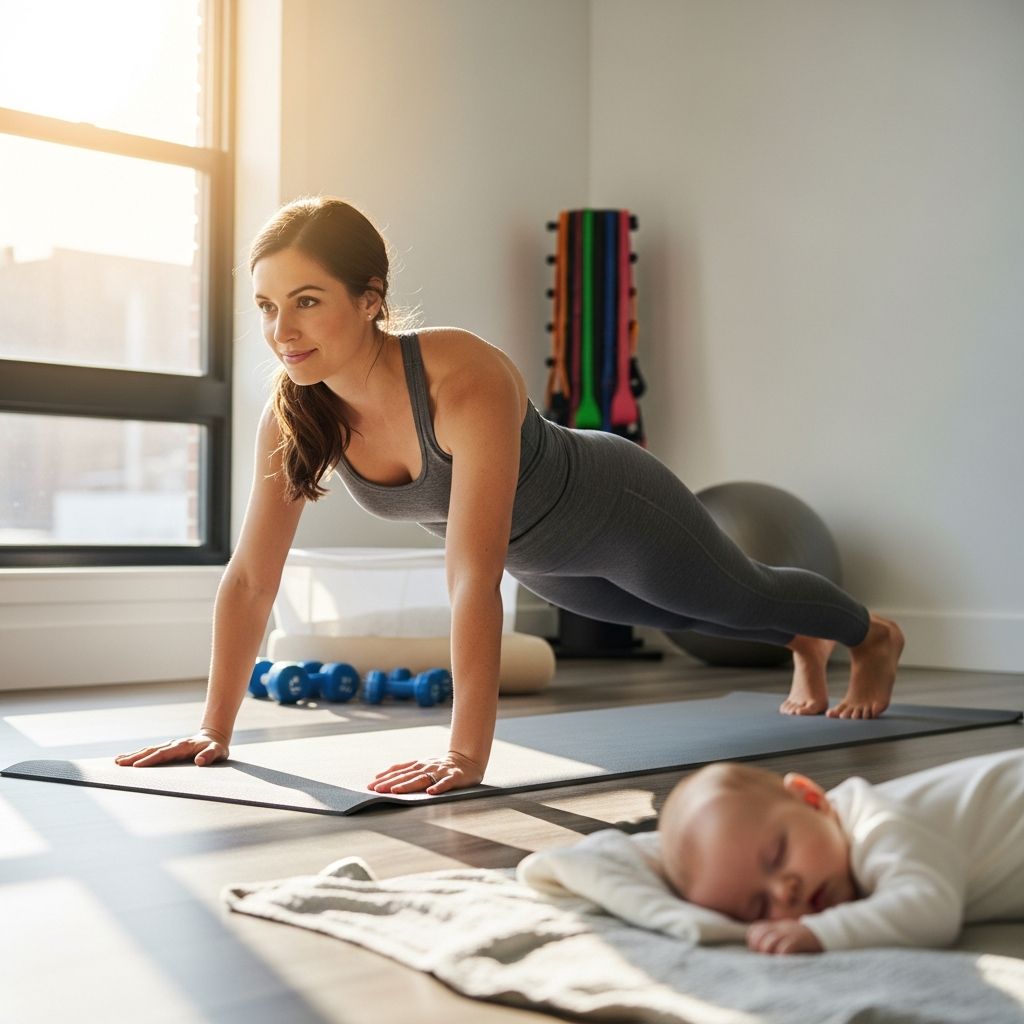
- Modified Planks: Rather than full planks, postpartum modifications might include wall planks or knee planks, building overall stability and strength progressively.
- Cat-Cow Sequences: Moving between these positions improves spinal mobility, gently mobilizes the joints, and helps address back pain common in the postpartum period.
- Quadruped Exercises: Hands-and-knees positions allow engagement of deep stabilizers without excessive stress on vulnerable joints, making them ideal for diastasis recti recovery.
- Standing Balance Work: As recovery progresses, standing exercises that challenge balance and coordination help restore functional movement patterns needed for daily activities with your baby.
Creating a Safe and Sustainable Practice
Successful postpartum Pilates recovery requires a thoughtful approach that respects the body’s healing timeline. The following considerations support safe, effective practice:
| Recovery Aspect | Key Consideration |
|---|---|
| Professional Guidance | Work with a certified Pilates instructor trained in postpartum modifications to ensure exercises match your recovery stage |
| Individual Timeline | Every woman’s postpartum journey differs; your recovery plan should be personalized, not generalized |
| Breathing Coordination | Proper breathing patterns are fundamental to Pilates; they enhance oxygen delivery and support proper core engagement |
| Movement Progression | Start with foundational, low-impact exercises and gradually increase intensity and complexity as strength returns |
| Body Awareness | Listen to your body’s feedback; sharp pain, excessive fatigue, or unusual symptoms warrant consultation with your healthcare provider |
Addressing Common Postpartum Concerns Through Pilates
Diastasis Recti Recovery
Diastasis recti—the separation of abdominal muscles—affects many postpartum women. Pilates, when performed correctly under proper supervision, specifically targets the deep abdominal muscles that support closure of this separation. Avoiding open-chain positions and forward flexion exercises (such as traditional crunches) while the diastasis is healing prevents further compromise, while stabilizing Pilates positions encourage proper muscle activation patterns and closure.
Pelvic Floor Dysfunction
Probably the most prevalent postpartum issue, pelvic floor dysfunction can persist for years if not properly addressed. Pilates teaches conscious connection to these muscles through breath and coordinated movement in a supportive, low-impact environment—the ideal conditions for rehabilitation and restoration of function.
Joint Vulnerabilities
As relaxin continues circulating through your system during the postpartum period, joints remain temporarily destabilized. Pilates specifically trains stability, balance, and coordinated movement, protecting vulnerable joints while systematically rebuilding the strength and proprioception needed for safe movement.
The Role of Group and Individual Instruction
While one-on-one instruction provides the most personalized approach, small group Pilates classes designed specifically for postpartum women offer valuable benefits. Group settings provide emotional support from other women navigating similar challenges, create accountability and motivation, and often remain more accessible than private instruction. Instructors in postpartum-focused settings understand the unique modifications needed and can provide individualized attention while maintaining the community aspect of group fitness.
Frequently Asked Questions About Postpartum Pilates
Q: How long after childbirth can I start Pilates?
A: Generally, it’s safe to start gentle Pilates exercises about 4-6 weeks after vaginal delivery and 6-8 weeks after cesarean delivery, but always obtain clearance from your healthcare provider first. Every woman’s recovery timeline differs, so personalized guidance is essential.
Q: Will Pilates help close diastasis recti?
A: Yes, when performed correctly and under proper supervision, Pilates exercises focusing on the transverse abdominis can help facilitate closure of diastasis recti. Avoid traditional crunches and forward flexion until the separation has adequately closed.
Q: Can I do Pilates if I had a cesarean delivery?
A: Yes, but you’ll need to wait longer (typically 6-8 weeks) for adequate scar tissue healing. Work with an instructor trained in postpartum modifications who understands cesarean-specific considerations.
Q: How often should I practice Pilates postpartum?
A: Starting with 2-3 sessions per week allows adequate recovery between sessions. As strength builds, you can gradually increase frequency based on how your body responds and your healthcare provider’s recommendations.
Q: Can Pilates help with postpartum depression?
A: Research suggests that exercise, including Pilates, can help reduce the risk of postpartum depression by boosting mood-elevating endorphins and providing stress management through the mind-body connection inherent in Pilates practice.
Q: What should I avoid during postpartum Pilates?
A: Avoid high-impact movements, excessive forward flexion (especially if you have diastasis recti), holding your breath, and exercises that cause sharp pain or discomfort. Always progress gradually and listen to your body.
Moving Forward: Long-Term Benefits of Postpartum Pilates
The benefits of postpartum Pilates extend well beyond the immediate recovery period. By systematically rebuilding core strength, restoring pelvic floor function, and cultivating body awareness through consistent practice, new mothers establish foundations for long-term physical health and vitality. The mind-body connection developed through Pilates practice provides ongoing tools for managing stress, maintaining physical fitness, and navigating the ongoing physical demands of motherhood.
Additionally, the postpartum period presents an opportunity to develop movement habits that support lifelong wellness. Rather than viewing the postpartum phase as a temporary recovery period, Pilates practitioners often discover a sustainable fitness practice that adapts to their changing needs and continues to provide physical and psychological benefits throughout their lives.
References
- What are the benefits of postnatal pilates? — Patient.info. 2024. https://patient.info/features/healthy-living/what-are-the-benefits-of-postnatal-pilates
- Unexpected Benefits Of Pilates For Postpartum Recovery — In Motion Physical Therapy. 2024. https://inmotionptny.com/benefits-of-pilates-for-postpartum-recovery/
- Benefits of Pilates Postpartum — Club Pilates Blog. 2024. https://blog.clubpilates.com/5-postpartum-home-pilates-exercises
- Postpartum Recovery: Pilates Physical Therapy Exercises — Capitol Physical Therapy DC. 2024. https://capitolptdc.com/postpartum-recovery-pilates-physical-therapy-exercises/
- Physical Activity and Exercise During Pregnancy and the Postpartum Period — American College of Obstetricians and Gynecologists (ACOG). April 2020. https://www.acog.org/clinical/clinical-guidance/committee-opinion/articles/2020/04/physical-activity-and-exercise-during-pregnancy-and-the-postpartum-period
- Essential pre- and post-natal Pilates tips — Merrithew Blog. November 26, 2024. https://www.merrithew.com/blog/post/2024-11-26/how-pilates-supports-a-healthy-pregnancy-and-postpartum-recovery