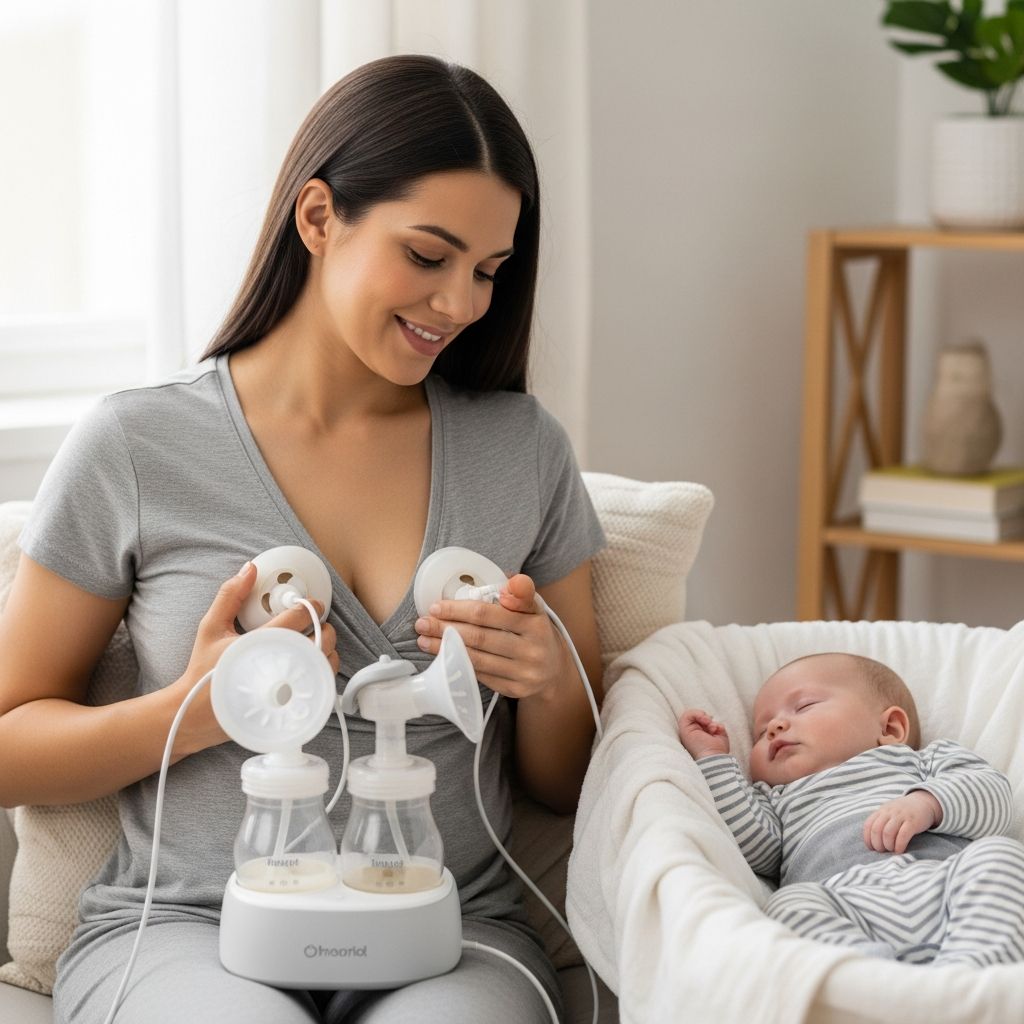
Breast pumping empowers mothers to provide their infants with vital breast milk even when direct nursing isn’t possible. This practice supports milk production, offers feeding flexibility, and ensures babies receive the nutritional benefits of breast milk, which aids digestion, boosts immunity, and promotes brain development.
Why Incorporate Breast Pumping into Your Routine
Expressing milk through pumping serves multiple purposes for modern families. It allows mothers to maintain lactation during separations, such as returning to work or handling medical situations where the baby cannot latch effectively. For instance, pumps help build an emergency milk stash, relieve engorgement discomfort, and even assist in drawing out flat or inverted nipples to improve latching.
Research highlights that breast milk reduces infant risks for obesity by 15-30%, ear infections, asthma, and SIDS, thanks to its antibodies and optimal nutrient profile. Mothers also gain advantages like faster postpartum recovery via oxytocin release, lower cancer risks, and gradual weight loss from burning 300-500 calories daily.
- Maintain milk supply: Regular pumping mimics a baby’s feeding schedule, signaling the body to produce more milk on demand.
- Share feeding duties: Stored milk lets partners or caregivers participate, fostering family bonding.
- Support special cases: Ideal for premature babies, multiples, or adoption scenarios where direct nursing is challenging.
Types of Breast Pumps Available Today
Selecting the appropriate pump depends on frequency of use, lifestyle, and specific needs. Personal-use pumps are portable for daily home or work application, while hospital-grade models offer superior suction for intensive pumping.
| Pump Type | Best For | Key Features | Considerations |
|---|---|---|---|
| Manual | Occasional use | Affordable, no electricity needed | Requires hand effort, slower output |
| Personal Electric | Daily pumping | Portable, multiple settings | Battery-operated options available |
| Hospital-Grade | Frequent or building supply | Powerful motor, hygienic parts | Often rented, higher cost |
Hospital-grade pumps excel in stimulating production for newborns in NICU or mothers establishing supply post-delivery. Always check insurance coverage, as many plans provide these at no or low cost during the third trimester.
Step-by-Step Guide to Effective Pumping
Success with pumping starts with preparation. Begin in a quiet, comfortable space to trigger the let-down reflex, aided by oxytocin from skin-to-skin contact or baby photos.
- Assemble cleanly: Wash hands and pump parts with hot, soapy water; air-dry on a clean towel.
- Fit the flange: Ensure the breast shield fits snugly without pinching—too small causes pain, too large reduces efficiency.
- Position correctly: Sit upright, shoulders relaxed; massage breasts gently outward from armpit to nipple before starting.
- Select cycle: Mimic baby’s suckle with short, fast bursts (fast phase) then slower, deeper pulls (slow phase); pump 15-20 minutes per session or until milk slows.
- Double pump: Use both breasts simultaneously to boost prolactin and output.
Pump every 2-3 hours, including nights initially, to match 8-12 daily baby feeds. Exclusive pumpers should adhere strictly to this for maximal yield.
Storage and Handling Best Practices
Proper storage preserves milk’s antibodies and nutrients. Freshly pumped milk stays at room temperature for 4 hours, fridge for 4 days, or freezer for 6-12 months.
- Store in sterile bags or bottles; label with date.
- Thaw frozen milk in fridge or warm water bath—never microwave to avoid nutrient loss.
- Use oldest milk first; combine only if same temperature.
For travel, coolers with ice packs keep milk safe. This convenience eliminates formula costs, averaging $1,750 savings annually.
Overcoming Common Pumping Hurdles
Challenges like low output or discomfort are common but manageable. Low supply often stems from infrequent pumping—replace every missed feed with a session.
For pain, adjust flange size, lower suction, or apply warm compresses. If baby struggles to latch post-pump, soften breasts first. Track output and consult a lactation specialist if under 24 ounces daily after week two.
Health Advantages for Baby and Mother
Breast milk fosters healthy gut bacteria, enhancing brain growth in emotional and cognitive areas. Infants experience fewer digestive issues like colic or rashes due to its digestibility.
Mothers benefit from prolactin-induced relaxation, reduced postpartum depression risk, and long-term protection against diabetes, hypertension, and osteoporosis via improved calcium absorption. Pumping equity aids diverse families, promoting longer exclusivity.
Integrating Pumping with Work and Travel
Working mothers can pump at desks using wearable pumps for discretion. Plan sessions around meetings; many workplaces offer lactation rooms. Travel light with no formula prep worries—milk is always ready.
Frequently Asked Questions
How often should I pump if exclusively pumping?
Aim for every 2-3 hours, 8-12 times daily, including nights, to mimic newborn demand and sustain supply.
Can pumping help if my baby won’t latch?
Yes, it maintains supply while addressing latch issues; pump then offer breast after softening.
Is pumped milk as nutritious as direct nursed milk?
Equally nutritious, delivering the same antibodies and tailored nutrients.
How do I know my pump fits properly?
No pain, nipple moves freely without rubbing; consult fitter if unsure.
What’s the best pump for beginners?
A double electric personal pump with adjustable settings for comfort and efficiency.
References
- Why Breastfeeding is Beneficial for Moms and Babies — Aeroflow Breastpumps. 2023. https://aeroflowbreastpumps.com/blog/reasons-why-breastfeeding-is-beneficial
- 15 Reasons to Use a Breast Pump — Breastpumps.com. 2023. https://www.breastpumps.com/breast-pumping-basics/15-reasons-to-use-a-breast-pump/
- Pumping breast milk works best for some families — UT Southwestern Medical Center. 2023-05-10. https://utswmed.org/medblog/breastfeeding-pumping/
- 8 Reasons You May Need a Breast Pump During Your Breastfeeding Journey — The Pregnancy Network. 2023. https://thepregnancynetwork.org/blog/8-reasons-you-may-need-a-breast-pump-during-your-breastfeeding-journey/
- Breast Pumps Can Help Make Breastfeeding Easier — BCBSTX. 2023. https://connect.bcbstx.com/understanding-benefits/b/weblog/posts/breast-pumps
- Pumps: A Possible Tool to Promote More Equitable Lactation — National Library of Medicine (PMC). 2024. https://pmc.ncbi.nlm.nih.gov/articles/PMC10964822/