Understanding Your Menstrual Cycle After Delivery
The postpartum period brings numerous physical changes as your body recovers from pregnancy and childbirth. One significant change many women experience is an alteration in their menstrual patterns. If you’ve noticed that your periods feel different after giving birth—whether they’re heavier, lighter, more frequent, or less predictable—you’re not alone. This phenomenon is remarkably common and, in most cases, completely normal.
The timeline for when your menstrual cycle returns varies considerably among women. Some may experience their first period within weeks of delivery, while others may wait several months. This variation depends on multiple interconnected factors, including your body’s hormonal recovery, whether you’re breastfeeding, and your overall health status. Understanding what’s happening in your body during this transition can help you distinguish between normal postpartum changes and symptoms that warrant professional evaluation.
The Role of Hormonal Fluctuations in Cycle Irregularity
During pregnancy, your body maintains elevated levels of estrogen and progesterone to support fetal development and prepare for childbirth. After your baby is born, these hormone levels drop dramatically. Your body must recalibrate its hormonal balance, and this adjustment doesn’t happen overnight.
As your endocrine system works to reestablish equilibrium, your menstrual cycle reflects this transition. Your periods may arrive unpredictably, vary in flow intensity, or differ significantly in duration compared to your pre-pregnancy patterns. Some women experience heavier bleeding during their initial postpartum periods because the uterine lining has thickened during pregnancy and must be shed more gradually as the uterus shrinks back to its original size.
This hormonal rebalancing process is distinct for each woman and can vary even between consecutive pregnancies. Your body’s unique biochemistry, combined with your individual recovery pace, means that your postpartum menstrual experience will be personal to you.
How Breastfeeding Influences Menstrual Patterns
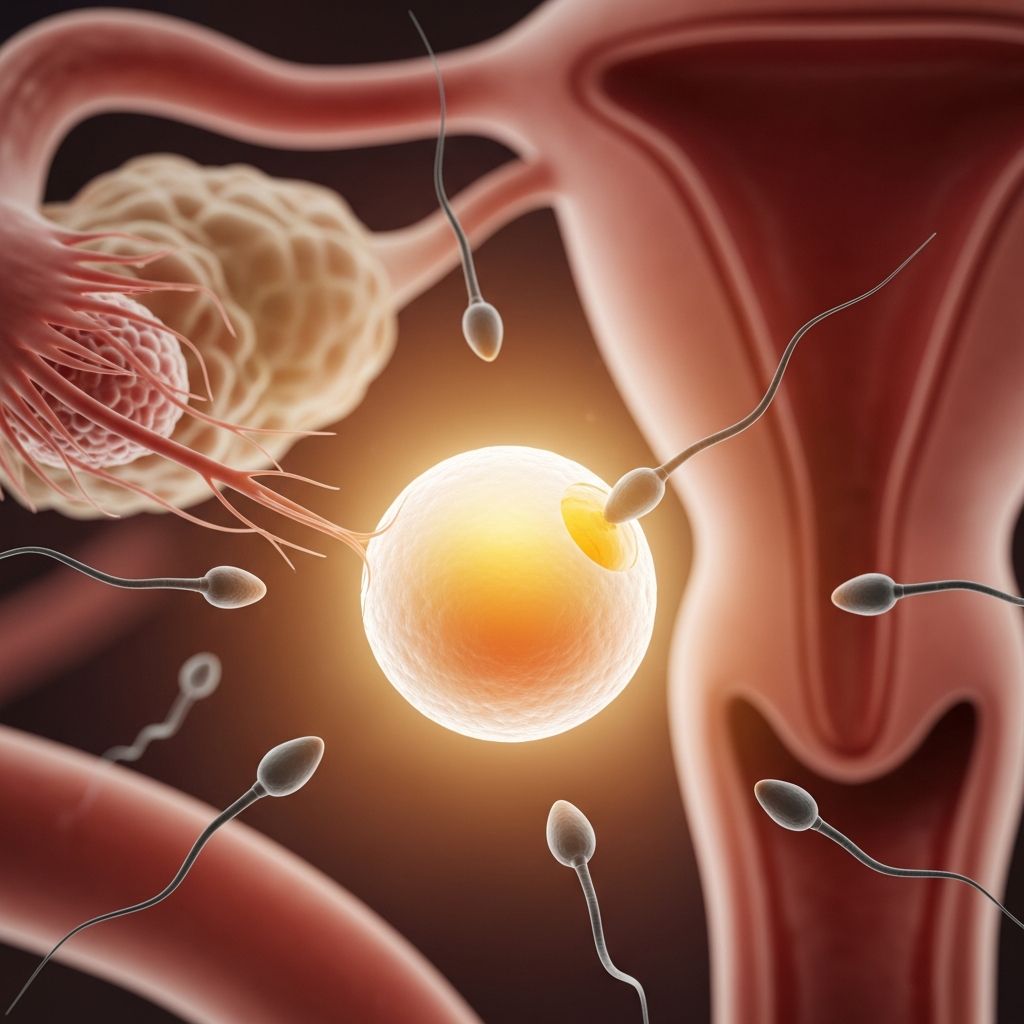
If you’re nursing your baby, breastfeeding exerts a significant influence on your menstrual cycle timing and regularity. Your body produces prolactin, a hormone essential for milk production and milk letdown during nursing. This hormone has an unexpected secondary effect: it can suppress ovulation, effectively delaying or preventing menstruation entirely.
This natural phenomenon is sometimes referred to as lactational amenorrhea. The strength of this effect depends largely on how frequently you breastfeed. Women who nurse exclusively and frequently, particularly those who nurse at night, tend to experience longer delays in the return of their menstrual cycle. Those who bottle-feed or introduce supplementary feeding may find their cycles return more quickly.
It’s important to understand that breastfeeding is not a reliable form of contraception, despite its ability to suppress ovulation in some women. You can still become pregnant while breastfeeding, even without a visible menstrual period, because ovulation may occur before menstruation resumes.
As you gradually reduce breastfeeding—whether through introducing formula, starting solid foods when your baby is ready, or intentionally weaning—prolactin levels decrease. This decline typically triggers the resumption of your menstrual cycle. However, even after your period returns, you may continue experiencing irregular bleeding or extended gaps between periods for several months as your hormones fully stabilize.
Physical Recovery and Uterine Changes
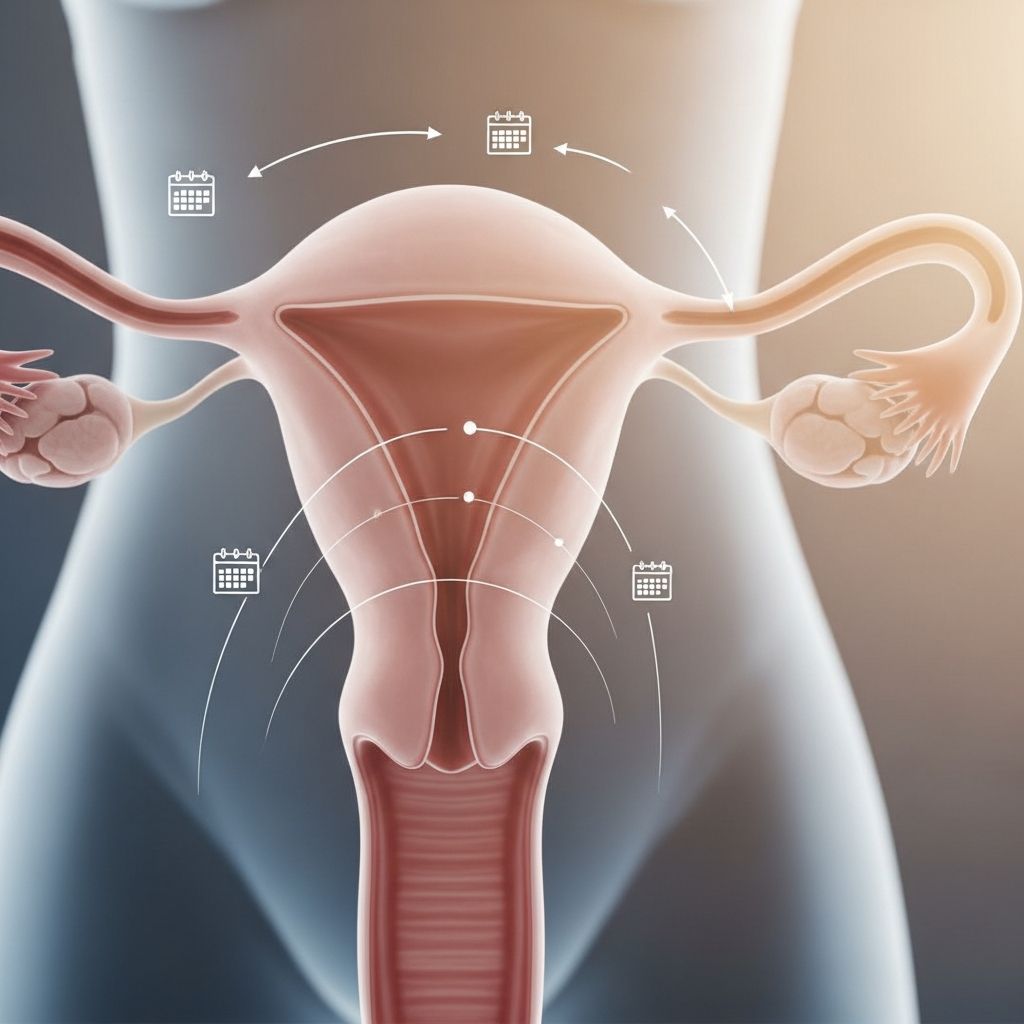
Beyond hormonal shifts, your reproductive system undergoes significant physical transformation during recovery. Your uterus, which expanded to accommodate a growing fetus, gradually shrinks back toward its pre-pregnancy size through a process called involution. Simultaneously, the endometrial lining—the tissue that thickens during pregnancy and is shed during menstruation—must repair itself after pregnancy-related changes.
This structural recovery process directly affects your menstrual patterns. The first few postpartum periods are often heavier and accompanied by more intense cramping because your body is shedding the thickened endometrial tissue accumulated during pregnancy. As your uterus completes its involution and your endometrial lining stabilizes, these symptoms typically diminish with each subsequent cycle.
The degree and duration of these changes can differ based on your delivery method. Women who had vaginal deliveries may experience different recovery timelines compared to those who had cesarean sections, though both groups typically experience some degree of menstrual irregularity postpartum.
Contributing Lifestyle and Health Factors
While hormonal and physical changes form the foundation of postpartum menstrual irregularity, several lifestyle and health factors can amplify these effects or contribute additional complexity to your cycle patterns.
Stress and Sleep Deprivation
Adjusting to life with a newborn introduces chronic stress and sleep disruption into your daily routine. These factors suppress reproductive hormones and can delay or irregular your menstrual cycle. The demands of nighttime feedings, constant vigilance, and the emotional adjustment to parenthood collectively impact your hormonal balance. Prioritizing rest when possible and implementing stress-management techniques may support your cycle’s normalization.
Significant Weight Changes
Rapid weight loss or weight gain in the postpartum period can influence menstrual regularity. Extreme weight fluctuations signal metabolic stress to your body, which can suppress reproductive hormone production and delay cycle resumption. Gradual, healthy weight loss through balanced nutrition and moderate exercise supports more stable menstrual patterns than crash dieting.
Thyroid Dysfunction
Postpartum thyroiditis, an inflammation of the thyroid gland occurring after pregnancy, can disrupt menstrual patterns and create other hormonal imbalances. Symptoms include extreme fatigue, mood changes, and unexplained weight fluctuations. If you suspect thyroid involvement, thyroid function testing can confirm this diagnosis and guide appropriate treatment.
Underlying Reproductive Conditions
Conditions such as polycystic ovary syndrome (PCOS), uterine fibroids, endometrial polyps, or adenomyosis can contribute to menstrual irregularities after birth. Some of these conditions may have existed before pregnancy but become more apparent during postpartum recovery.
Recognizing Normal Postpartum Menstrual Changes
Understanding what falls within the normal range of postpartum menstrual variation helps you distinguish routine adjustments from symptoms requiring medical attention. The following changes are typically considered normal:
- Delayed return of menstruation, especially among breastfeeding mothers
- Heavier bleeding during the first few postpartum periods
- More intense menstrual cramping initially, gradually improving
- Variation in cycle length while your body rebalances hormones
- Lighter or shorter periods, depending on your individual recovery
- Temporary spotting or light bleeding between expected periods
- Absence of periods for several months if exclusively breastfeeding
Warning Signs Requiring Medical Evaluation
While menstrual irregularities are normal postpartum, certain symptoms suggest underlying issues requiring professional assessment. Contact your healthcare provider if you experience any of the following:
- Periods lasting longer than seven days or requiring pad or tampon changes every hour
- Large blood clots larger than a quarter in your menstrual flow
- Severe menstrual pain unrelieved by over-the-counter pain medication
- Foul-smelling vaginal discharge, which may indicate infection
- Heavy bleeding between periods or after sexual intercourse
- No menstrual period three months after delivery or three months after discontinuing breastfeeding
- Sudden weight loss or extreme unexplained fatigue
- Hair loss without obvious cause
- Extreme mood swings beyond typical postpartum emotional adjustment
- Frequent dizziness or lightheadedness
These symptoms may indicate infection, hormonal imbalance, thyroid dysfunction, anemia, or other conditions requiring medical intervention. Early identification and treatment prevent complications and support your overall postpartum recovery.
Timeline Expectations for Cycle Normalization
The journey toward menstrual regularity follows different timelines for different women, influenced primarily by breastfeeding status and individual recovery factors.
| Postpartum Scenario | Expected Timeline | Additional Notes |
|---|---|---|
| Non-breastfeeding mothers | 4-12 weeks | Cycle may return within 5-12 weeks; hormonal recovery typically faster |
| Exclusive breastfeeding mothers | Several months to 1+ year | Return depends on nursing frequency; cycles remain irregular even after resumption |
| Combination feeding (breast and formula) | 2-6 months | Earlier return than exclusive breastfeeding but later than formula-only |
| Upon weaning or reducing breastfeeding | 4-12 weeks after reduction | Prolactin levels drop, enabling cycle resumption |
These timelines are general guidelines; your personal experience may differ. Some women experience regular cycles immediately after stopping breastfeeding, while others require several additional months for complete hormonal stabilization.
Early Warning Signs Your Period Is Returning
Your body often provides subtle signals that menstruation is preparing to resume. Recognizing these signs helps you prepare and track your cycle’s return:
- Mild cramping or twinges similar to pre-period sensations
- Changes in cervical mucus consistency or increased vaginal discharge
- Breast tenderness or sensitivity
- Mild mood changes or PMS-like emotional symptoms
- Light spotting or brown-tinged discharge
Practical Strategies for Managing Postpartum Menstrual Changes
While you navigate postpartum menstrual irregularity, several practical strategies support comfort and health:
- Track your cycle: Maintain a simple record of spotting, bleeding, and menstrual dates to identify patterns and provide valuable information to your healthcare provider
- Stock supplies: Keep various menstrual products available, as flow unpredictability requires flexibility in product choices
- Manage pain effectively: Use over-the-counter pain relievers as needed for cramping, apply heat therapy, and consult your provider about stronger options if needed
- Prioritize self-care: Ensure adequate sleep, maintain balanced nutrition, and engage in gentle exercise to support hormonal stability
- Reduce stress: Practice relaxation techniques such as meditation, deep breathing, or gentle yoga to minimize stress-related hormonal disruption
- Communicate with your provider: Schedule postpartum check-ups and discuss any menstrual changes or concerns openly
Frequently Asked Questions
Q: Is it normal for my period to be heavier after giving birth?
A: Yes, heavier bleeding is commonly normal during the first few postpartum periods due to the thickened endometrial lining accumulated during pregnancy. However, if you require changing pads every hour or experience other concerning symptoms, contact your healthcare provider.
Q: Can I become pregnant while breastfeeding without a period?
A: Yes, ovulation can occur before your period returns, meaning pregnancy is possible while exclusively breastfeeding. Breastfeeding should not be relied upon as contraception. Discuss contraceptive options with your healthcare provider.
Q: How long after stopping breastfeeding should my period return?
A: Most women experience menstrual resumption within four to twelve weeks after weaning or significantly reducing breastfeeding frequency. However, some variation is normal, and some women take longer to fully regulate.
Q: Should I be concerned if my period hasn’t returned three months postpartum?
A: If you’re not breastfeeding, absence of menstruation three months after delivery warrants medical evaluation to rule out hormonal imbalances or other underlying conditions. If you’re breastfeeding exclusively, longer delays are expected.
Q: What conditions can cause irregular periods after pregnancy?
A: Beyond normal hormonal adjustment, conditions including PCOS, uterine fibroids, polyps, adenomyosis, thyroid disorders, and reproductive infections can contribute to postpartum menstrual irregularities.
Q: Are severe postpartum menstrual cramps normal?
A: Increased cramping during the first few postpartum periods is common due to uterine involution. However, severe pain unresponsive to over-the-counter medication may indicate infection or other complications requiring medical assessment.
References
- Why You Have Irregular Periods After Birth — Vitality Tulsa. Accessed 2025. https://vitalitytulsa.com/why-you-have-irregular-periods-after-birth/
- Should We Worry If the Menstrual After Giving Birth Is Abnormal? — Vinmec International Hospital. Accessed 2025. https://www.vinmec.com/eng/blog/is-the-menstrual-cycle-irregular-after-giving-birth-a-cause-for-concern-en
- No Period After Pregnancy: When To Worry? — Thomson Medical. Accessed 2025. https://www.thomsonmedical.com/blog/no-period-after-pregnancy-when-to-worry