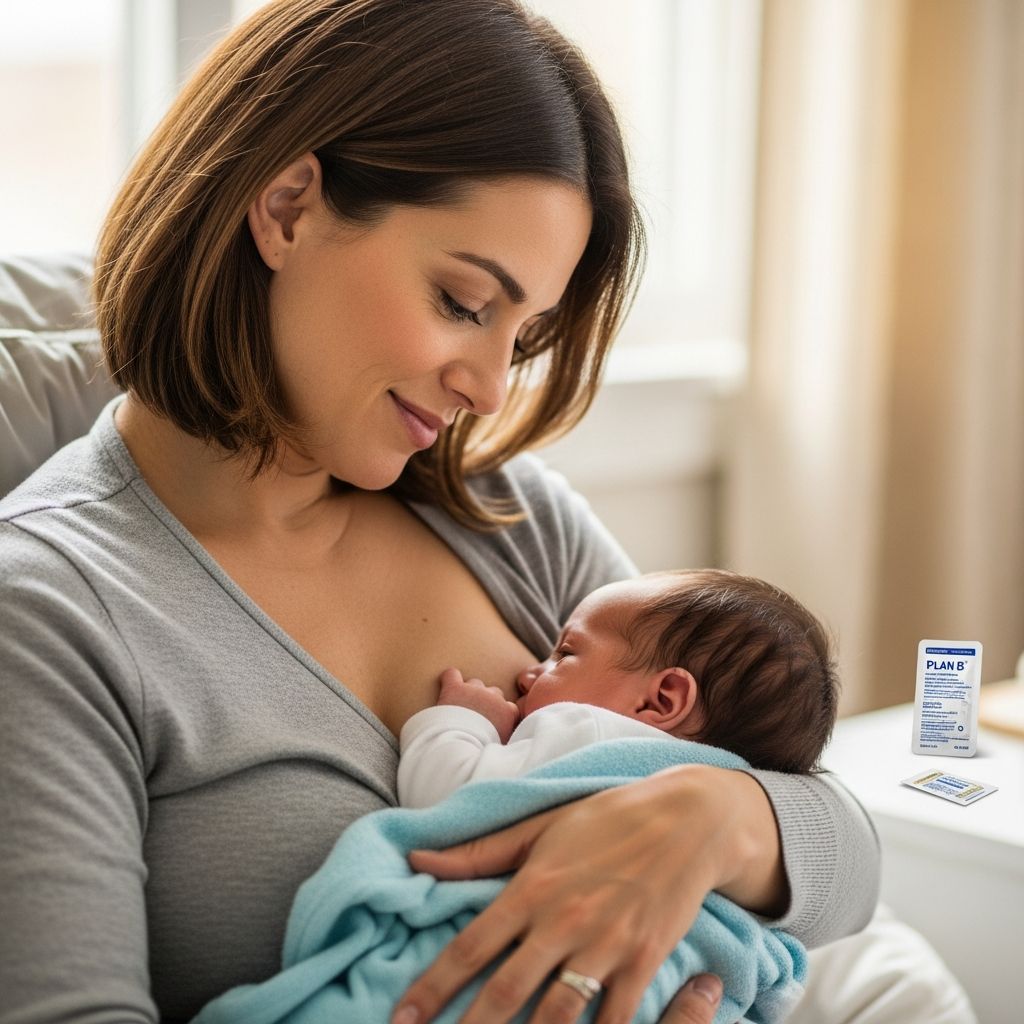
The postpartum period marks a transformative yet challenging phase for new mothers, as the body heals from the rigors of childbirth. While some discomforts are expected, understanding their causes and management strategies empowers women to recover confidently. This guide explores prevalent pains following vaginal and cesarean deliveries, drawing from medical insights to provide actionable relief methods and red flags requiring professional care.
Understanding the Postpartum Healing Process
Childbirth imposes profound physical stress, whether through vaginal delivery or cesarean section. Hormonal shifts, tissue repair, and organ repositioning trigger various sensations. Most resolve within weeks, but persistent issues may signal complications like infections or clots. Recovery timelines vary: vaginal births often involve perineal healing in 4-6 weeks, while C-sections require 6-8 weeks for incision closure. Factors such as prior health conditions, delivery interventions (e.g., episiotomy, forceps), and breastfeeding influence symptom intensity.
New mothers frequently report fatigue amplifying pains, compounded by sleep deprivation and newborn demands. Prioritizing rest, hydration, and nutrition supports healing. Over-the-counter pain relievers like acetaminophen or ibuprofen, when approved by providers, offer initial relief without masking serious symptoms.
Widespread Musculoskeletal Aches
Generalized body soreness is commonplace postpartum, stemming from labor’s muscular demands. Low back pain affects many due to spinal strain, ligament loosening from relaxin hormone, and prolonged positioning during delivery. Shoulder stiffness, hip sharpness, and wrist tingling (often carpal tunnel syndrome from fluid retention) also emerge.
- Back Pain Management: Gentle stretches, pelvic tilts, and supportive pillows alleviate tension. Avoid heavy lifting; use baby carriers with lumbar support.
- Limb Tingling Relief: Wrist splints for carpal tunnel; elevate hands to reduce swelling. Symptoms typically fade as fluids normalize.
- Hip and Shoulder Ease: Warm compresses and prenatal yoga poses adapted for postpartum promote mobility.
Studies indicate back pain persists in 18% of cesarean mothers at six months, higher than vaginal deliveries (2%), linked to surgical positioning and preexisting issues. If pain intensifies or radiates, consult a provider to rule out nerve compression.
Uterine Afterpains and Cramping
Post-delivery, the uterus contracts to expel placental remnants and return to pre-pregnancy size—a process termed involution. These ‘afterpains’ mimic menstrual cramps, peaking in the first few days and intensifying during breastfeeding due to oxytocin release.
| Symptom | Duration | Relief Strategies |
|---|---|---|
| Mild Cramping | 3-5 days | Heat pads, hydration, rest |
| Breastfeeding-Triggered | Up to 2 weeks | Ibuprofen, supported positioning |
| Severe/Persistent | Beyond 1 week | Medical evaluation for endometritis |
Multipara women (those with multiple births) experience stronger pains as their uteri contract more efficiently. Severe abdominal cramps with fever warrant immediate attention, potentially indicating uterine infection.
Breast Changes and Engorgement Challenges
Lactation onset brings breast fullness, transitioning to engorgement 2-5 days postpartum. Breasts swell, harden, and ache from milk overproduction, risking mastitis if ducts clog.
- Frequent Nursing: Nurse every 2-3 hours to regulate supply-demand.
- Cold Compresses: Apply post-feeding to reduce swelling.
- Cabbage Leaves: Chilled leaves inside bra soothe inflammation (anecdotal but widely recommended).
Mastitis signs—redness, flu-like symptoms—necessitate antibiotics. Non-breastfeeding mothers may bind breasts to suppress milk, though engorgement still occurs briefly. Persistent lumps or severe tenderness require lactation consultant or physician input.
Vaginal and Perineal Soreness After Vaginal Birth
Perineal trauma from tearing, episiotomy, or stretching causes sharp soreness between vagina and anus. Hemorrhoids from pushing add rectal pain and itching.
Care Tips:
- Sitz baths (warm water soaks) 3-4 times daily promote healing.
- Perineal bottles for gentle cleansing post-voiding.
- Stool softeners prevent straining; high-fiber diet combats constipation.
- Donut cushions ease sitting discomfort.
Operative deliveries (vacuum/forceps) heighten perineal pain risk, with 63-68% affected initially. Dyspareunia (painful intercourse) lingers in up to 19% at one year; pelvic floor therapy aids recovery.
C-Section Incision Pain and Complications
Cesarean incisions cause somatic abdominal pain, peaking days 3-5, with neuropathic elements from nerve entrapment possible. Scar tissue forms over weeks, but adhesions may cause chronic issues.
- Wound Care: Keep dry, monitor for redness/discharge.
- Pain Control: Scheduled analgesics; avoid aspirin if bleeding concerns.
- Movement: Early walking prevents clots, using splinting (pillow over incision).
Pain at 12 months affects 18% post-C-section, correlating with acute postoperative severity and chronic disease history. Visceral pain differs from vaginal birth’s perineal focus.
Lochia: Managing Postpartum Bleeding
Lochia—vaginal discharge—lasts 4-6 weeks, heaviest first 10 days. Heavy soaking (pad/hour) or clots larger than a fist signal hemorrhage.
Track flow: bright red (days 1-4), pinkish (week 2), creamy (week 3+). Foul odor or recurrence post-lightening suggests infection. Empty bladder frequently to aid uterine contraction.
Leg Pain and Clot Risks
Calf soreness with swelling may indicate deep vein thrombosis (DVT), exacerbated by immobility and hypercoagulability postpartum. Pulmonary embolism (shortness of breath) is a grave extension.
- Prevention: Ankle pumps, compression stockings, hydrate.
- Warning Signs: Unilateral swelling, warmth, chest pain—seek ER care.
Long-Term Pain Considerations
Chronic postpartum pain impacts 37% at 9-12 months, including backache and dyspareunia. Preexisting pain, severe acute symptoms, and interventions elevate risk. Interdisciplinary care—physical therapy, pain management—mitigates effects.
Frequently Asked Questions (FAQs)
When should I worry about postpartum pain?
Intense, worsening, or accompanied by fever, heavy bleeding, or breathing issues merits urgent care.
Is postpartum back pain permanent?
Rarely; most resolve with time and targeted exercises. Persistent cases benefit from physiotherapy.
How long do afterpains last?
Typically 3-7 days, longer with breastfeeding or multiples.
Can I exercise with postpartum discomforts?
Light walking yes; wait 6 weeks for core work, per provider clearance.
What helps breast engorgement fast?
Frequent feeding/pumping, warm showers before, cold packs after.
Building a Supportive Recovery Plan
Partner involvement, doula support, and postpartum checkups (6 weeks standard) optimize outcomes. Mental health screening addresses overlapping depression symptoms. Track symptoms daily; apps aid logging.
Empowerment through knowledge transforms recovery. Most mothers navigate these hurdles successfully, emerging stronger.
References
- 8 Postpartum Pains and Aches to Expect (and How to Manage Them) — Flo Health. 2023. https://flo.health/being-a-mom/recovering-from-birth/postpartum-problems/postpartum-pains
- Persistent Postpartum Pain – A Somatic and Psychologic Perfect Storm — National Library of Medicine (PMC). 2023-12-01. https://pmc.ncbi.nlm.nih.gov/articles/PMC10773244/
- Postpartum symptoms: What’s normal and what not to ignore — OSF HealthCare. 2023. https://www.osfhealthcare.org/blog/postpartum-symptoms-whats-normal-and-what-not-to-ignore
- Postpartum care: After a vaginal delivery — Mayo Clinic. 2024-05-25. https://www.mayoclinic.org/healthy-lifestyle/labor-and-delivery/in-depth/postpartum-care/art-20047233
- Warning signs of postpartum health problems — March of Dimes. 2023. https://www.marchofdimes.org/find-support/topics/postpartum/warning-signs-postpartum-health-problems
- Postpartum: Stages, Symptoms & Recovery Time — Cleveland Clinic. 2023-08-28. https://my.clevelandclinic.org/health/articles/postpartum