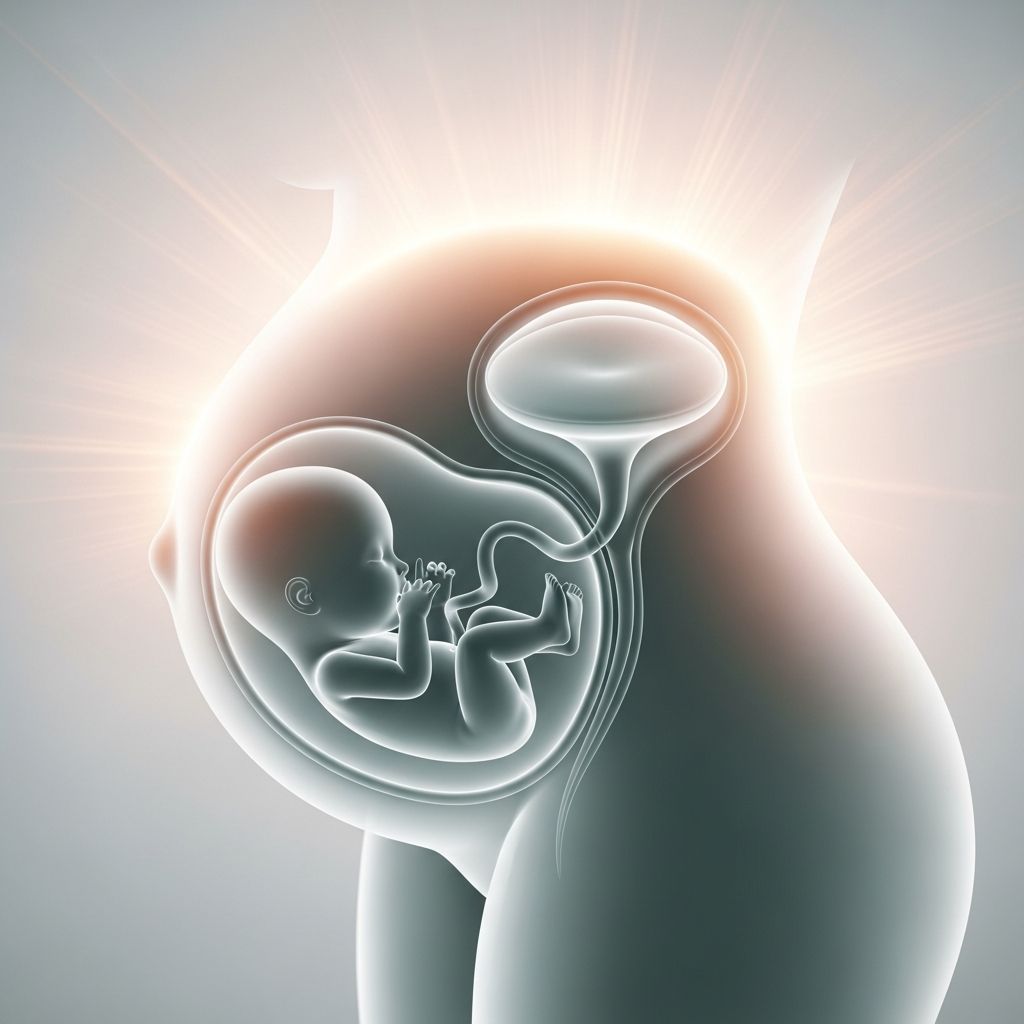
The bloody show is a common occurrence in the final stages of pregnancy, marking the body’s preparation for labor. It involves the expulsion of a mucus plug mixed with blood from the vagina, signaling that the cervix is beginning to soften, thin, and open.
Understanding the Physiology Behind Bloody Show
Throughout pregnancy, the cervix remains firmly closed and protected by a thick gelatinous mucus plug. This plug acts as a barrier, preventing bacteria from ascending into the uterus and potentially harming the fetus. Composed of mucins, proteins, and antimicrobial agents, it maintains a sterile environment for the developing baby.
As term approaches, typically after 37 weeks, hormonal shifts trigger cervical changes known as ripening. Prostaglandins and other mediators cause the cervix to efface (thin out) and dilate slightly. This process disrupts the mucus plug, which may dislodge entirely or partially. The cervix is richly supplied with blood vessels; minor ruptures during dilation release small amounts of blood that mix with the mucus, creating the characteristic bloody show.
This phenomenon is not painful in itself but often coincides with early labor signs. The discharge can vary in timing: some experience it days before active labor, while for others, it heralds contractions within hours.
Recognizing the Appearance and Characteristics
Bloody show typically presents as a thick, stringy discharge streaked with blood. The mucus may appear clear, pinkish, reddish, or brown, depending on the freshness of the blood. Amounts are usually small—a teaspoon or less—and it might pass all at once or in installments over several hours or days.
- Color variations: Fresh blood gives a bright red tint; older blood oxidizes to brown or even black hues.
- Texture: Gelatinous and sticky, often noticed on toilet paper, underwear, or during a bathroom visit.
- Odor: Mild and musky, without foul smell that might indicate infection.
It’s distinct from urine leakage or increased vaginal discharge common in late pregnancy. If accompanied by a gush of fluid, it may signal ruptured membranes alongside the show.
Associated Symptoms and Timeline
Bloody show rarely occurs in isolation. Expectant individuals often report concurrent symptoms indicating pre-labor:
- Cramping: Mild, menstrual-like pains in the lower abdomen or back, resulting from uterine irritability.
- Contractions: Irregular tightening that may progress to regular patterns signaling true labor.
- Backache: Persistent pressure or ache due to the baby’s descent into the pelvis.
- Pelvic pressure: A heavy sensation as the presenting part engages.
Timeline varies widely. Studies and clinical observations show it can precede labor by 24-48 hours on average, but up to a week in first-time mothers. Multiparous women might see it closer to active labor.
Differentiating Bloody Show from Concerning Bleeding
Not all vaginal bleeding in late pregnancy is benign. Bloody show is minor and self-limited, but conditions like placental abruption or previa demand urgent attention. Use this table to compare:
| Feature | Bloody Show | Serious Bleeding (e.g., Abruption, Previa) |
|---|---|---|
| Amount | Small (spotting to 1-2 tbsp) | Heavy, soaking pads |
| Color/Consistency | Mucousy, streaked blood | Frank blood, clots |
| Pain | Mild cramps | Severe, constant pain or painless |
| Fetal Movement | Normal | Decreased or absent |
| Timing | Term (>37 weeks) | Anytime, often preterm |
For instance, placental abruption involves premature separation, causing dark bleeding and uterine tenderness. Placenta previa features painless bright red bleeding from low-lying placenta. Vasa previa risks fetal vessel rupture. Always err on caution: if bleeding exceeds a pad per hour, contact care providers immediately.
Factors That Can Trigger or Mimic Bloody Show
Several benign events can cause similar spotting:
- Sexual intercourse: Semen prostaglandins soften cervix; friction irritates vessels.
- Cervical exams: Manual checks post-37 weeks assess dilation, often causing trace blood.
- Physical activity: Strenuous movement or Braxton Hicks may dislodge plug early.
These are short-lived, unlike pathological bleeds. Trauma from falls warrants evaluation regardless.
Steps to Take After Noticing Bloody Show
Observing bloody show is exciting yet anxiety-provoking. Here’s a practical guide:
- Monitor closely: Time any contractions (aim for 5 in 1 hour, lasting 1 minute each).
- Stay hydrated and rest: Walk gently to encourage progression if at term.
- Prepare your hospital bag: Ensure essentials are ready.
- Call your provider: Report details; they may advise waiting or coming in.
- Head to hospital if: Contractions intensify, water breaks, bleeding increases, or fever develops.
Do not insert tampons, douche, or bathe deeply to avoid infection risk.
Insights from Medical Experts and Research
Obstetric guidelines from bodies like the American College of Obstetricians and Gynecologists emphasize bloody show as a normal harbinger, not requiring intervention unless other red flags appear. A study in the Journal of Obstetrics and Gynaecology noted it in 70% of term labors, correlating with favorable cervical status.
Merck Manuals highlight its role in distinguishing physiologic from pathologic events via history and ultrasound. MedlinePlus reassures it’s a positive dilation sign, though labor may lag.
Common Myths and Reassurances
Myth: Bloody show means labor starts immediately.
Fact: It can precede by days; patience is key.
Myth: All late bleeding is dangerous.
Fact: Context matters—mucousy and minimal is typically safe.
Emotional support is vital; partners should validate concerns and assist monitoring.
Frequently Asked Questions About Bloody Show
Does bloody show always mean labor is imminent?
No, it indicates cervical changes but labor may start hours to days later, especially in first pregnancies.
Is bloody show painful?
Not directly, but associated cramps or contractions can cause discomfort.
Can I still have sex after seeing bloody show?
Consult your doctor; generally avoid if active labor signs present to prevent infection or membrane rupture.
What if I’m before 37 weeks?
Any bleeding preterm warrants immediate medical evaluation to rule out preterm labor or complications.
Does losing the mucus plug mean my water will break soon?
Not necessarily; they are separate events, though both signal progression.
Preparing Mentally and Practically for Labor
Bloody show bridges pregnancy and birth. Review your birth plan, practice breathing, and communicate with your support team. Post-show, focus on rest, nutrition, and light activity. Celebrate this milestone—your body is expertly orchestrating delivery.
In summary, while startling, bloody show is a healthy sign for most at term. Knowledge empowers confident navigation of this phase.
References
- What Is Bloody Show During Pregnancy? — The Bump. 2023. https://www.thebump.com/a/bloody-show
- Bloody Show: What to Expect, Why Bleeding Happens, and More — Healthline. 2023-05-10. https://www.healthline.com/health/pregnancy/bloody-show
- Bloody show — Wikipedia. 2024-10-01. https://en.wikipedia.org/wiki/Bloody_show
- Am I in labor? — MedlinePlus (U.S. National Library of Medicine). 2023-11-15. https://medlineplus.gov/ency/patientinstructions/000508.htm
- What is Bloody Show? — WebMD. 2024-02-20. https://www.webmd.com/baby/what-is-bloody-show
- Vaginal Bleeding During Late Pregnancy — Merck Manuals. 2024. https://www.merckmanuals.com/home/women-s-health-issues/symptoms-during-pregnancy/vaginal-bleeding-during-late-pregnancy
- Bloody Show: Here’s What to Expect and What It Means for Labor — Babylist. 2023. https://www.babylist.com/hello-baby/bloody-show