Waking up drenched, shivering, and wondering whether your body has completely lost the plot is an experience many new mothers share—but rarely talk about. This guide is here to break the silence, validate your feelings, and give you real, practical ways to cope with postpartum night sweats and all the emotions that come with them.
What Exactly Is Happening To My Body?
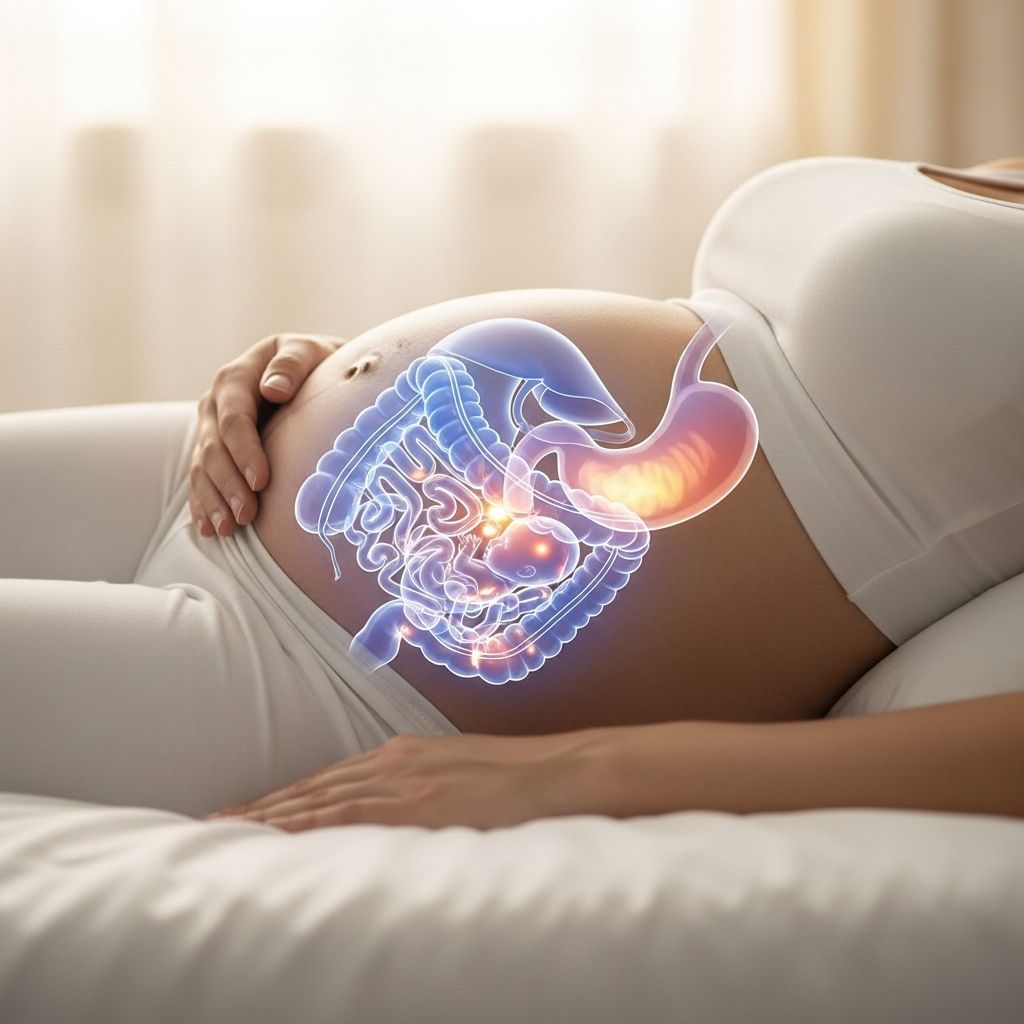
After you give birth, your body is essentially rebooting. Hormones that were sky-high during pregnancy drop rapidly, fluid levels shift, and your internal thermostat scrambles to catch up. One very noticeable result: waking up in the middle of the night feeling like you’ve just run a marathon in a sauna.
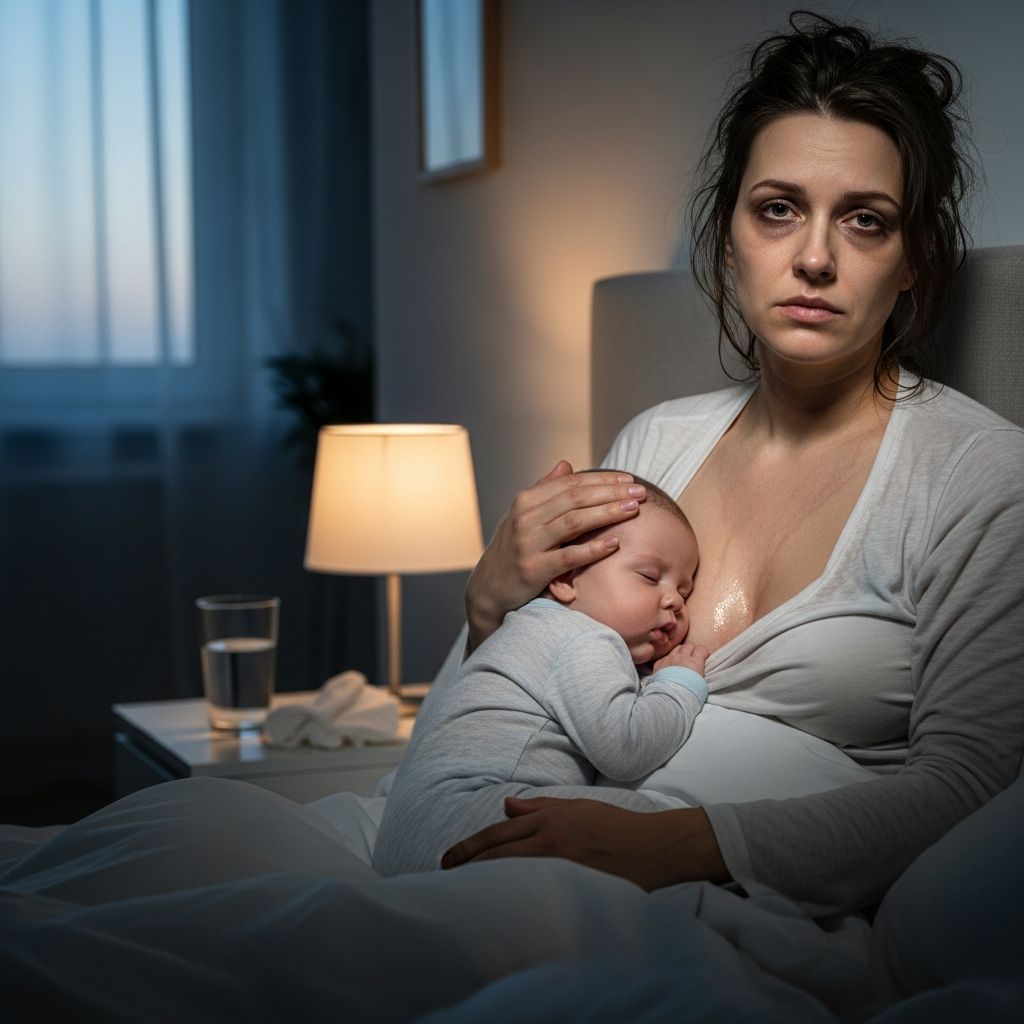
Postpartum night sweats are episodes of intense sweating that happen during sleep, often soaking your pajamas, sheets, or even the mattress. They can appear a few days after birth and may continue for several weeks, sometimes longer, especially if you’re breastfeeding.
- You might wake up chilled because sweat-soaked clothes are now cold.
- You may need to change your pajamas—or full bedding—multiple times a night.
- You may feel embarrassed, frustrated, or a little scared, even though this is a common and usually normal part of recovery.
Why Do Postpartum Night Sweats Happen?
There are several overlapping reasons for postpartum night sweats, and most of them trace back to hormones and fluid balance. Understanding the “why” can make the whole experience feel a little less alarming and a little more like what it is—a temporary phase, not a personal failure.
Hormones Hitting the Reset Button
During pregnancy, your estrogen and progesterone levels rise to support your baby and prepare your body for birth. After delivery, those hormones drop quickly, and your body behaves as though someone yanked the control panel from one extreme to the other.
- Estrogen helps regulate body temperature; when it suddenly falls, your internal thermostat can overreact.
- Your brain might interpret small shifts in temperature as a full-on heat wave and trigger intense sweating to cool you down.
- If you’re breastfeeding, estrogen levels may stay lower for longer, which can stretch out the period of night sweats.
Shedding All That Extra Fluid
During pregnancy, your blood volume and body fluid levels increase significantly to support your growing baby. After delivery, your body needs to get rid of that extra fluid, and it uses several tools to do that: peeing more, mild swelling that recedes, and yes, sweating.
- Night sweats are one way your body “drains the reservoir” of extra fluid it stored during pregnancy.
- Even if you don’t feel particularly hot, you might still wake up soaked as your body tries to restore your pre-pregnancy fluid balance.
- As your overall swelling slowly improves, you may notice night sweats gradually easing too.
Other Possible Influences
While hormonal shifts and fluid loss are the main drivers, some other factors can intensify or mimic postpartum night sweats. These don’t always mean something is wrong, but they’re worth knowing about.
- Stress and anxiety: Feeling on edge about feeding, crying, or sleep can keep your nervous system revved up, raising body temperature and sweating.
- Caffeine and some medications: Certain substances can push your heart rate and body temperature higher.
- Infections or thyroid issues: Less commonly, an underlying medical condition can be involved, especially if sweating comes with fever or feeling very unwell.
How Night Sweats Actually Feel (Beyond Just “Sweaty”)
Postpartum night sweats aren’t just a physical inconvenience; they can affect how you feel emotionally, how you relate to your body, and how you move through already-fragmented nights. Naming the experience can make it feel less isolating.
Common Physical Experiences
- Waking up with drenched pajamas, tangled sheets, and a damp pillow.
- Shivering after the episode passes because wet fabric cools quickly.
- Needing to change clothes—sometimes more than once—in the middle of the night.
- Feeling sticky and uncomfortable just as the baby finally falls asleep.
Emotional and Mental Layers
Your physical discomfort interacts with everything else you’re already carrying: sleep deprivation, feeding challenges, relationship shifts, and the emotional roller coaster of early parenthood. It’s no wonder night sweats can feel bigger than “just” sweat.
- Feeling annoyed at your body for making rest even harder.
- Worrying that something must be seriously wrong, especially if you weren’t warned this might happen.
- Feeling embarrassed or hesitant to mention it to friends, family, or even your doctor.
- Laughing about it sometimes, crying about it other times—both are completely valid reactions.
Practical Ways To Cope (Tonight, Not Someday)
While you can’t usually switch night sweats off like a light, you can absolutely make them less disruptive. Think of this as building a small, realistic toolkit—things that make a hard night a little softer around the edges.
Set Up a “Sweat-Smart” Sleep Environment
- Layer your bedding: Use multiple light layers instead of one heavy comforter so you can easily adjust without waking fully.
- Choose breathable fabrics: Cotton, bamboo, and moisture-wicking materials can make a noticeable difference.
- Protect your mattress: A washable, waterproof mattress protector saves you from deep-cleaning at 3 a.m.
- Keep backups nearby: Folded pajamas, an extra bra, and a spare pillowcase within arm’s reach can turn a full bedding change into a quick swap.
Simple Comfort Rituals for the Middle of the Night
- Use a small towel or light blanket you can slide under you temporarily if you don’t have the energy to fully change the sheets.
- Keep a room-temperature water bottle near your bed to sip after an episode; it can help you feel grounded and refreshed.
- Try a cool washcloth on your neck or chest for a minute or two before you settle back in.
- Dim lighting or a small nightlight can help you move around safely without fully waking yourself—or your baby—up.
Daytime Tweaks That Can Help
You may not have the time or energy for a total wellness overhaul (and you don’t need one). A few small, realistic adjustments can often ease the intensity of night sweats or at least make them more manageable.
- Stay hydrated throughout the day so you’re not starting the night already behind on fluids.
- Avoid very heavy or spicy meals right before bed, which can increase body heat.
- Limit caffeine late in the day if you notice it makes you feel hot or jittery at night.
- Wear light, breathable sleepwear instead of thick, layered pajamas.
When Should You Talk To a Doctor?
Most postpartum night sweats are harmless and gradually fade as your hormones settle, but you should never feel like you have to guess about your own health. There are times when checking in with a healthcare provider is not only okay—it’s wise.
Signs That Need Medical Attention
Contact your doctor, midwife, or nurse if you notice any of the following along with night sweats:
- A fever or chills that don’t go away.
- Feeling short of breath, dizzy, or unusually weak.
- Persistent rapid heartbeat or chest discomfort.
- Redness, pain, or swelling anywhere on your body, especially near your breasts, incision sites, or legs.
- Night sweats that begin suddenly after they had already stopped, or that feel dramatically worse.
How To Bring It Up
Talking about postpartum symptoms can feel awkward, but your care team has heard it all. You don’t need perfect medical language—just describe what’s happening as plainly as you can.
- Write down a quick log: how many nights per week, how often per night, and how intense the sweating feels.
- Note any other symptoms—mood changes, pain, unusual bleeding, or feeling unwell.
- If you struggle to speak up during appointments, consider sending a message through your clinic’s portal beforehand.
The Emotional Side: Making Peace With a Leaky, Healing Body
Postpartum recovery can feel like your body is no longer entirely under your control. Night sweats are just one reminder that everything—from hormones to skin to sleep patterns—is in transition. It’s normal to feel conflicted: grateful for your body and also deeply annoyed with it.
Letting Go of Perfection
- You don’t need a flawless nighttime routine; you need a forgiving one.
- It’s okay if your sheets aren’t perfectly made or your laundry pile is higher than usual.
- Remind yourself that this is a temporary season, not a new permanent identity.
Finding Small Comforts and Moments of Humor
Sometimes, the only way through is to admit how ridiculous it all feels: rocking a baby in one arm, clutching dry pajamas in the other, and wondering when you last slept more than three hours in a row. Allowing yourself to laugh—when you’re ready—can defuse some of the tension.
- Text a trusted friend with a “you will not believe how many times I changed last night” update.
- Give yourself a soft towel or robe you genuinely like, a small personal luxury in the chaos.
- Remind yourself that your body is not betraying you; it is recovering from a major, life-altering event.
How Partners and Loved Ones Can Help
If you share your bed or home with a partner, family member, or friend, they can play a meaningful role in making night sweats less overwhelming. Support doesn’t have to be grand; consistent, small gestures matter most.
Practical Ways To Support a Sweaty, Sleep-Deprived New Mom
- Keep fresh pajamas, extra blankets, or towels folded and ready to grab.
- Offer to quietly change sheets or flip the mattress pad while she changes clothes.
- Take over baby duty for a few minutes so she can rinse her face, drink water, or simply breathe.
- Gently check in during the day: “How were your nights? Anything I can make easier tonight?”
Emotional Support That Makes a Difference
Feeling seen and believed can be just as soothing as having dry sheets. Validation tells a new mother that she’s not alone or “overreacting.”
- Avoid minimizing (“At least it’s not…”); instead, try, “That sounds exhausting. How can I help?”
- Encourage her to talk to a healthcare provider if she’s worried—offer to help take notes or listen in if she wants.
- Recognize that postpartum recovery includes invisible symptoms, not just what you can physically see.
Quick Reference: Night Sweats at a Glance
Use this simple table as a snapshot guide when you’re too tired to scroll through long explanations.
| Question | Short Answer |
|---|---|
| Are postpartum night sweats common? | Yes, many new mothers experience them in the weeks after birth. |
| What causes them? | Hormonal shifts and your body shedding extra pregnancy fluid. |
| How long do they last? | Often a few weeks, sometimes longer, especially with breastfeeding. |
| Can I prevent them completely? | Not usually, but you can make them more comfortable with simple changes. |
| When should I call my doctor? | If you also have fever, feel very unwell, or notice worrying new symptoms. |
FAQs About Postpartum Night Sweats
How long do postpartum night sweats usually last?
For many people, night sweats are most intense in the first couple of weeks after birth and then slowly become less frequent and less dramatic. If you’re breastfeeding, they may linger a bit longer because of ongoing hormonal shifts. That said, every body is different; if something feels off to you, talking to your healthcare provider is always appropriate.
Is it normal to wake up completely soaked?
Yes, waking up with drenched pajamas or sheets can still fall within the range of normal postpartum recovery, especially early on. The key is how you feel otherwise: if you don’t have fever, severe pain, or other concerning symptoms, it often points to hormone-related sweating rather than infection or illness.
Can night sweats affect my milk supply?
The sweating itself doesn’t usually harm milk supply, but the fatigue and dehydration that can come with it might. Try to sip water regularly and rest when you can; if you’re worried about supply, a lactation consultant or your doctor can help troubleshoot.
Will changing my diet make a difference?
Diet alone won’t erase postpartum night sweats, but certain choices can help prevent feeling overly hot at night. Lighter evening meals, less caffeine late in the day, and steady hydration can make episodes more manageable, even if they don’t disappear completely.
Do I have to just “wait it out”?
In many cases, yes—the underlying hormonal reset will run its course. However, “waiting it out” doesn’t mean you’re powerless. Setting up a sweat-friendly sleep environment, asking for help, protecting your mental health, and staying in touch with your doctor are all active steps you can take.
Final Thoughts: You Are Not Alone in the Night
There is something uniquely disorienting about being awake in the dark, soaked, exhausted, and still needed by a tiny human who doesn’t know or care that your pajamas could stand up on their own. If no one has said this to you yet: you’re not the only one, and you’re not doing anything wrong.
Postpartum night sweats are one chapter in a much longer story of your body adapting, healing, and learning a new way of being. One day, you may barely remember how often you changed the sheets. For now, it’s enough to take each night as it comes, stack the odds gently in your favor, and treat yourself with the same care you offer your baby.