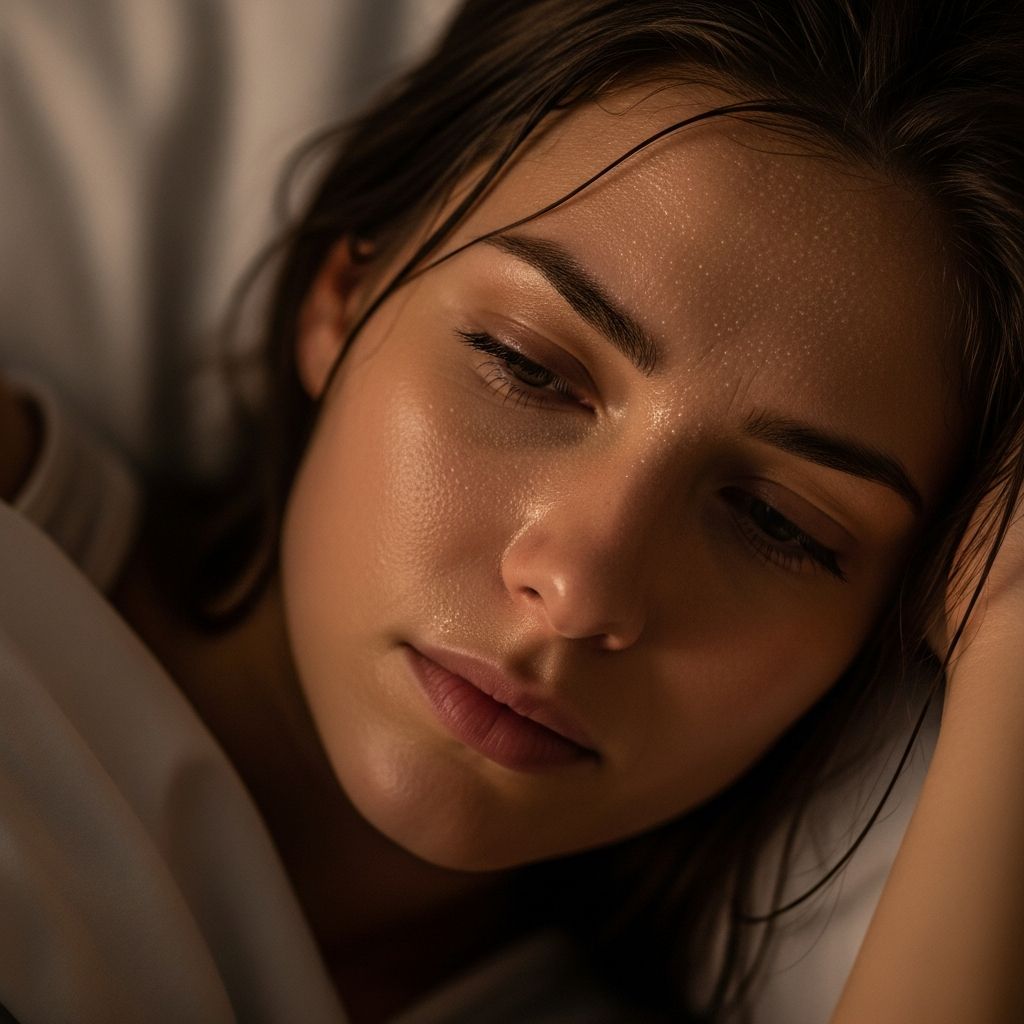
Postpartum night sweats involve excessive perspiration during sleep in the weeks following childbirth, often leaving bedding and clothing soaked. This phenomenon stems primarily from rapid hormonal adjustments as the body recovers from pregnancy.
Understanding the Physiology Behind Night Sweats
The postpartum period triggers profound physiological changes. During pregnancy, estrogen and progesterone levels surge to support fetal growth and labor preparation. After delivery, particularly post-placenta expulsion, these hormones plummet sharply. This drop disrupts the body’s thermoregulatory system, mimicking menopausal hot flashes where low estrogen heightens sensitivity to minor temperature rises, prompting profuse sweating to cool the core.
Additionally, pregnancy expands blood volume by up to 50% and increases extracellular fluid to nourish the fetus. Postpartum, the body expels this surplus through sweat, urine, and lochia, contributing to nocturnal drenching. Breastfeeding prolongs this by elevating prolactin, which suppresses estrogen further, potentially extending sweats.
How Common Are These Episodes?
Nearly one-third of postpartum women report night sweats, with prevalence linked to younger age and higher BMI. Episodes peak in the first two weeks but can persist 4-6 weeks or longer during lactation. While disruptive, they typically resolve as hormones stabilize.
Recognizing Typical Symptoms
- Sudden intense heat starting in the chest and spreading outward
- Profuse sweating soaking pajamas and sheets
- Waking multiple times nightly, often shivering afterward
- Daytime fatigue, irritability from sleep loss
- Odor on linens resembling workout gear, requiring frequent washing
These align with hot flash patterns, lasting 3-5 minutes each.
Potential Underlying Triggers Beyond Hormones
Though rare, night sweats may signal complications:
| Condition | Symptoms | Action |
|---|---|---|
| Postpartum thyroiditis or hyperthyroidism | Fatigue, rapid heartbeat, weight loss | Blood tests via doctor |
| Infection (e.g., endometritis) | Fever, chills, abdominal pain | Urgent medical evaluation |
| Anxiety or postpartum depression | Persistent worry, sadness lasting >2 weeks | Mental health screening |
| Diabetes or hypoglycemia | Thirst, frequent urination, shakiness | Glucose testing |
Spicy foods, caffeine, or weaning from breastfeeding can exacerbate episodes.
Practical Strategies for Relief
Managing sweats improves sleep and recovery. Start with environmental tweaks:
- Use breathable cotton or moisture-wicking pajamas and sheets
- Keep bedroom cool (60-67°F) with fans or open windows
- Layer bedding for easy removal
- Hydrate well; limit caffeine and spicy meals evening
For severe cases, black cohosh or sage tea shows anecdotal promise via estrogen-like effects, but consult providers first. Over-the-counter fans or cooling pads aid immediate comfort.
Breastfeeding and Prolonged Sweats
Lactating mothers often experience extended sweats due to sustained prolactin dominance. Weaning may trigger a secondary wave as hormones readjust. Prioritize hydration to support milk supply amid fluid loss.
Timeline for Resolution
Most resolve within 2-6 weeks; breastfeeding may extend to months. Track patterns; improvement signals normalization.
When to Contact a Healthcare Provider
Seek prompt care if sweats accompany:
- Fever >100.4°F
- Foul lochia odor or heavy bleeding
- Chest pain, shortness of breath
- Symptoms >6 weeks unrelieved
- Mood disturbances persisting >2 weeks
Postpartum checkups (6 weeks standard) allow screening for thyroid or infections.
Lifestyle Adjustments for Better Sleep
Beyond cooling, prioritize rest:
- Nap when baby naps
- Delegate chores to partners/family
- Practice gentle yoga or meditation for stress reduction
- Monitor diet for balanced nutrients aiding hormone balance
Sufficient sleep bolsters immunity and mood during recovery.
Emotional Impact and Support
Sweats compound postpartum exhaustion, heightening anxiety risk. Connect with mom groups or professionals; symptoms often normalize with time and support.
Frequently Asked Questions
Do all new moms get night sweats?
No, but about 33% do, influenced by age, BMI, and breastfeeding.
Can diet worsen postpartum night sweats?
Yes, spicy foods and coffee elevate body heat; avoid before bed.
Are night sweats dangerous postpartum?
Usually benign, but paired with fever or pain, they warrant checking for infection.
How long do sweats last while breastfeeding?
Often longer, up to months, due to prolactin effects.
Can medications help?
Hormone therapy rarely used postpartum; focus on lifestyle first. Consult OB-GYN.
Holistic Recovery Tips
Integrate sweats management into broader self-care: pelvic floor exercises, nutrition rich in omega-3s for hormone support, and gradual activity resumption. Patience aids healing.
This guide empowers new mothers navigating this temporary phase toward restored comfort.
References
- Postpartum Night Sweats: Causes and Treatments — Tidewater OBGYN. 2023. https://tidewaterobgyn.com/postpartum-night-sweats-causes-treatments/
- Postpartum Night Sweats: Causes and Treatments — Natural Cycles. 2024. https://www.naturalcycles.com/cyclematters/postpartum-night-sweats
- What Are Postpartum Night Sweats? — Enfamil. 2023. https://www.enfamil.com/articles/postpartum-night-sweats-after-pregnancy/
- Why Am I Getting Night Sweats After Childbirth? — OBGYN Nebraska. 2024. https://www.obgynnebraska.com/blog/why-am-i-getting-night-sweats-after-childbirth
- Postpartum Night Sweats: Causes & Management — Sleep Foundation. 2024-01-15. https://www.sleepfoundation.org/night-sweats/postpartum-night-sweats
- What You Can Do About Postpartum Night Sweats — WebMD. 2023. https://www.webmd.com/baby/what-to-do-about-postpartum-night-sweats
- Night Sweats, Hair Changes and 5 Other Postpartum Symptoms — Nebraska Medicine. 2023. https://www.nebraskamed.com/womens-health/pregnancy-birth/night-sweats-hair-changes-and-5-other-postpartum-symptoms-nobody-warns-you-about