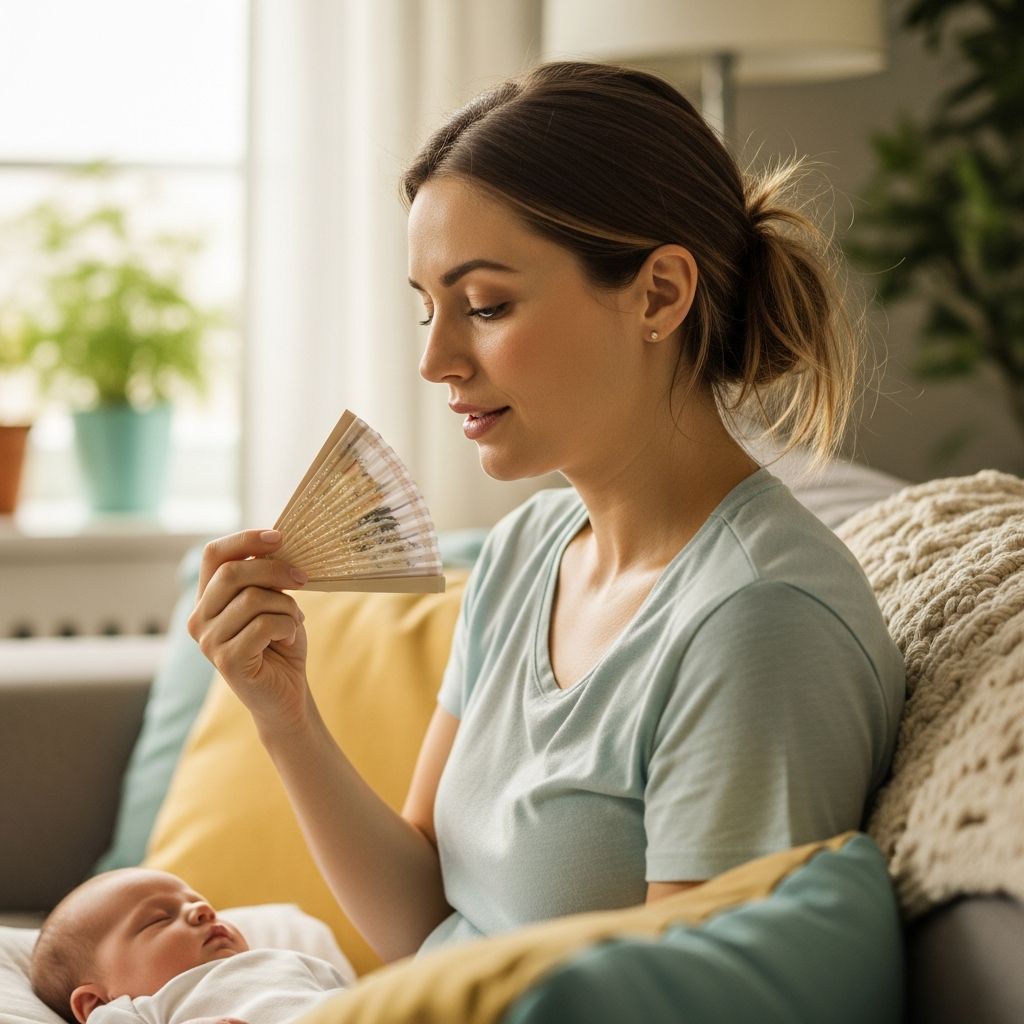
After giving birth, many women encounter unexpected waves of intense heat known as postpartum hot flashes. These episodes, marked by sudden warmth, flushing, and sweating, can disrupt daily life and sleep, yet they stem from natural bodily adjustments following pregnancy.
Understanding the Phenomenon of Heat Surges After Delivery
The postpartum period brings profound physiological changes as the body recovers from pregnancy and labor. Hot flashes, often likened to menopausal symptoms, emerge due to rapid declines in key hormones like estrogen and progesterone. These shifts confuse the hypothalamus—the brain’s temperature regulator—prompting excessive sweating to cool the body even when it’s not overheated.
Research indicates that over one-third of women experience these vasomotor symptoms during late pregnancy or early postpartum weeks, peaking around week 30 of pregnancy and week 2 after birth before gradually subsiding. This prevalence underscores that such episodes are a common, though under-discussed, part of maternal recovery.
Primary Triggers Behind Postpartum Temperature Spikes
Hormonal fluctuations drive most cases. During pregnancy, elevated estrogen supports fetal development, but delivery of the placenta causes an abrupt drop, mimicking menopause-like conditions. Breastfeeding exacerbates this by sustaining low estrogen via prolactin production, which prioritizes milk supply.
- Estrogen Withdrawal: Low levels signal the brain to activate cooling mechanisms unnecessarily.
- Progesterone Decline: Contributes to overall hormonal instability.
- Fluid Loss: The body expels pregnancy-related water retention through sweating.
Additional Factors Amplifying Hot Flash Frequency
Beyond hormones, lifestyle and health elements play roles. Sleep deprivation from newborn care dysregulates thermoregulation, while stress heightens episode intensity. Higher pre-pregnancy BMI, depressive symptoms, lower education levels, smoking, and minority ethnicity correlate with increased risk, mirroring menopausal patterns.
| Risk Factor | Impact on Hot Flashes | Prevalence Note |
|---|---|---|
| Higher BMI | Elevates sensitivity to temperature changes | Consistent predictor |
| Depressive Symptoms | Strongest consistent factor, affects neuroendocrine function | Seen in pregnancy and postpartum |
| Breastfeeding | Prolongs low estrogen state | Common in nursing moms |
| Sleep Deprivation | Impairs body temperature control | Exacerbates night episodes |
Identifying Common Manifestations
Symptoms mimic daytime or nighttime menopausal hot flashes but occur in a recovery context. Women report sudden upper-body heat, profuse sweating, skin reddening, and subsequent chills as the body overcorrects. Nighttime versions, termed postpartum night sweats, soak bedding and clothes, compounding fatigue.
- Sudden warmth spreading from chest to face and neck.
- Heavy perspiration, day or night.
- Flushed appearance followed by cold shivers.
- Interrupted sleep from drenching sweats.
Episodes last seconds to minutes, varying in frequency from occasional to multiple times daily. For some, they persist weeks; others see resolution within days as hormones stabilize.
Practical Strategies for Easing Discomfort
Most cases resolve without intervention as hormones normalize, typically within weeks. Lifestyle tweaks provide immediate relief:
- Cool Environment: Use fans, lightweight bedding, and breathable cotton sleepwear. Keep room at 60-67°F (16-19°C).
- Hydration and Nutrition: Drink plenty of water; avoid triggers like caffeine, alcohol, and spicy foods.
- Layered Clothing: Wear moisture-wicking layers easy to remove mid-episode.
- Stress Reduction: Practice deep breathing, mindfulness, or gentle yoga to mitigate stress-induced flares.
For night sweats, place absorbent mattress pads and change into dry clothes promptly to improve sleep quality.
Medical Interventions and When to Consult a Doctor
Persistent or severe symptoms warrant professional evaluation to rule out thyroid issues, infections, or postpartum depression. Providers may recommend:
- Cognitive behavioral therapy for symptom management.
- Non-hormonal medications like SSRIs in select cases.
- Hormone therapy rarely, due to breastfeeding considerations.
Seek care if accompanied by fever over 100.4°F, chest pain, rapid heartbeat, or mood changes suggesting deeper issues.
Timeline of Symptoms and Long-Term Outlook
Hot flashes often peak early postpartum—week 2 for many—then decline as estrogen rebounds, fully normalizing by 6-12 weeks. Breastfeeding moms may experience prolongation up to months. Tracking symptoms in a journal aids discussions with healthcare teams.
Real Experiences from New Mothers
Anecdotes highlight variability: One mom described nightly drenchings requiring towel changes, easing after weaning. Another linked flares to caffeine, finding relief via dietary shifts. These stories normalize the experience, emphasizing it’s transient.
Frequently Asked Questions About Postpartum Hot Flashes
Are postpartum hot flashes normal?
Yes, they affect over 30% of new moms due to hormonal shifts and typically resolve within weeks.
How long do they last?
Most fade in 2-6 weeks, longer for breastfeeding women as estrogen stays low.
Do they indicate a health problem?
Usually not, but consult a doctor if severe, with fever, or persistent beyond months.
Can diet help reduce episodes?
Yes, avoiding triggers like spice and caffeine while staying hydrated minimizes flares.
Is there medication for relief?
Options exist for severe cases; discuss with your OB/GYN, considering breastfeeding.
Supporting Overall Postpartum Wellness
Addressing hot flashes holistically aids recovery. Prioritize rest via nap-sharing, nutrient-dense meals with iron and omega-3s, and gentle exercise like walking. Emotional support combats isolation, as symptoms tie to mood. Partner involvement in night duties prevents exhaustion.
Communities and apps tracking symptoms foster empowerment. Remember, these challenges signal your body’s remarkable adaptation—patience and self-care pave the way to balance.
References
- Postpartum Hot Flashes: Causes, Symptoms and Relief Tips — Tidewater OBGYN. 2023-05-15. https://tidewaterobgyn.com/postpartum-hot-flashes-causes-symptoms-and-relief/
- Prospective Evaluation of Hot Flashes during Pregnancy and Postpartum — PMC/NCBI (Peer-reviewed). 2014-09-01. https://pmc.ncbi.nlm.nih.gov/articles/PMC4167790/
- Postpartum Night Sweats: Causes & Treatments — Cleveland Clinic. 2024-02-20. https://my.clevelandclinic.org/health/symptoms/24631-postpartum-night-sweats
- Postpartum Night Sweats: Causes & Management — Sleep Foundation. 2023-11-10. https://www.sleepfoundation.org/night-sweats/postpartum-night-sweats
- What You Can Do About Postpartum Night Sweats — WebMD. 2023-08-05. https://www.webmd.com/baby/what-to-do-about-postpartum-night-sweats